
CHINA · SHANGHAI GUIDE
Fangbang Street Photo Guide: Old-Town Streetscapes
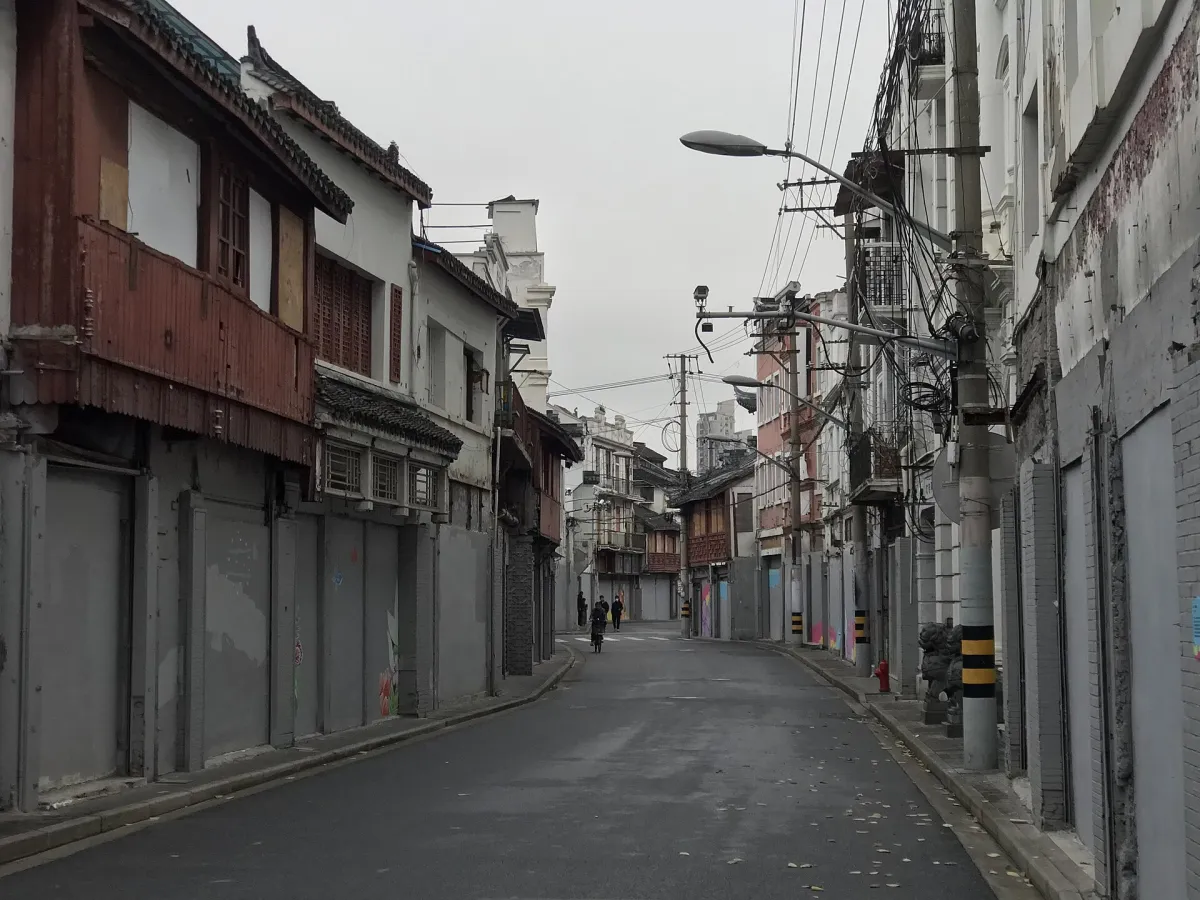

Fangbang’s old-town setting calls for a street photograph rather than a skyline checklist. Signs, rooflines and the rhythm of shopfronts can explain the place better than a tightly cropped decorative detail. Use the road name and the actual public segment to orient yourself; translated street labels vary.
Read the Composition
Build the frame around one clear relationship: a gateway against the street, a line of roofs or the contrast between a shop and the buildings above. Wait for pedestrian movement to help the composition rather than asking people to clear a working street. Avoid assuming that every traditional-looking frontage is original historic fabric.
Choose the Light
Soft light can make narrow streets easier to expose, while direct sun may produce very bright signs and deep shade. A photograph with older branding or street furniture records a particular moment; it is not a guide to which shop is currently trading.
Access and a Practical Session
Keep doorways and delivery access open. Use the wider old-town walk as the setting and confirm any closures or redevelopment barriers locally. Do not enter an uncertain passage to reproduce a source photograph. Yuyuan and the surrounding old town can be combined, but the garden remains a separate paid visit.
Continue with Nanshi / Old Town, Yuyuan Garden, Attractions. The Shanghai photo overview keeps the broader shooting routes together.
Fangbang Street FAQs
Does a decorative street façade prove the building is ancient?
No. Distinguish documented heritage from reconstruction or commercial adaptation.
Can I recreate the old photograph exactly?
The surviving image does not establish current access or an exact camera position. Use it as visual context and choose a lawful public composition today.