
CHINA · SHANGHAI GUIDE
Things to Do in Shanghai: Experiences Beyond the Checklist
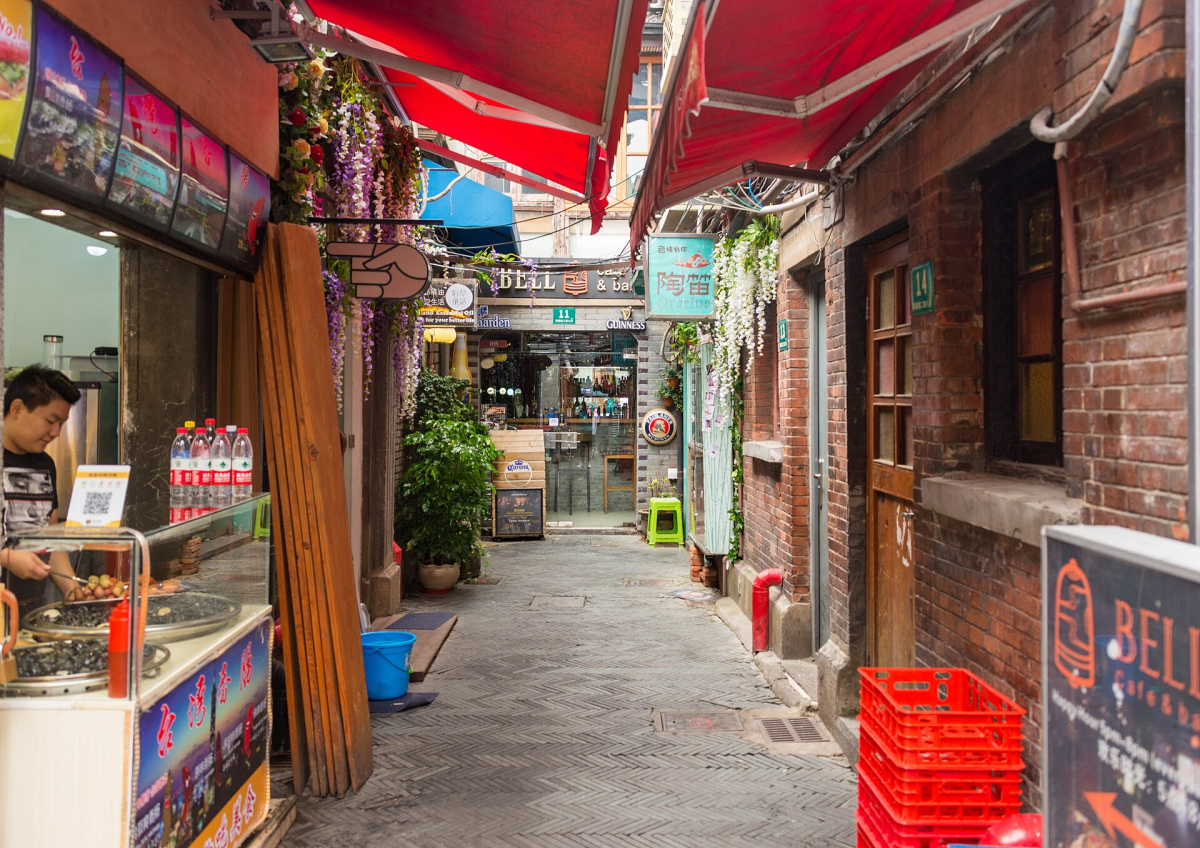
Choose the kind of day you want before adding individual landmarks. Shanghai works particularly well when you combine a focused experience with time to observe a neighbourhood. This page considers how to spend the time; Attractions helps select specific venues and Itineraries arranges them into days.
Choose Your Experience
On smaller screens, swipe or scroll horizontally to read the full table.
| Experience | Best fit | What to allow for |
|---|---|---|
| Breakfast and a short street walk | Food-curious early risers | Ordering, hot fillings and a small appetite-based selection. |
| A public ferry crossing | A different river perspective | The correct pier, current timetable and an alternative return. |
| Lane-house architecture walk | Photography and urban history | Public access, residents and pavement conditions. |
| One collection in depth | A museum-led or wet-weather day | The correct museum building and current admission arrangements. |
| A park afternoon | Families and a slower pace | Travel to the chosen park and weather-dependent activities. |
These experiences are flexible editorial suggestions, not organised packages or booked guided tours.
Start with a Shanghai Breakfast
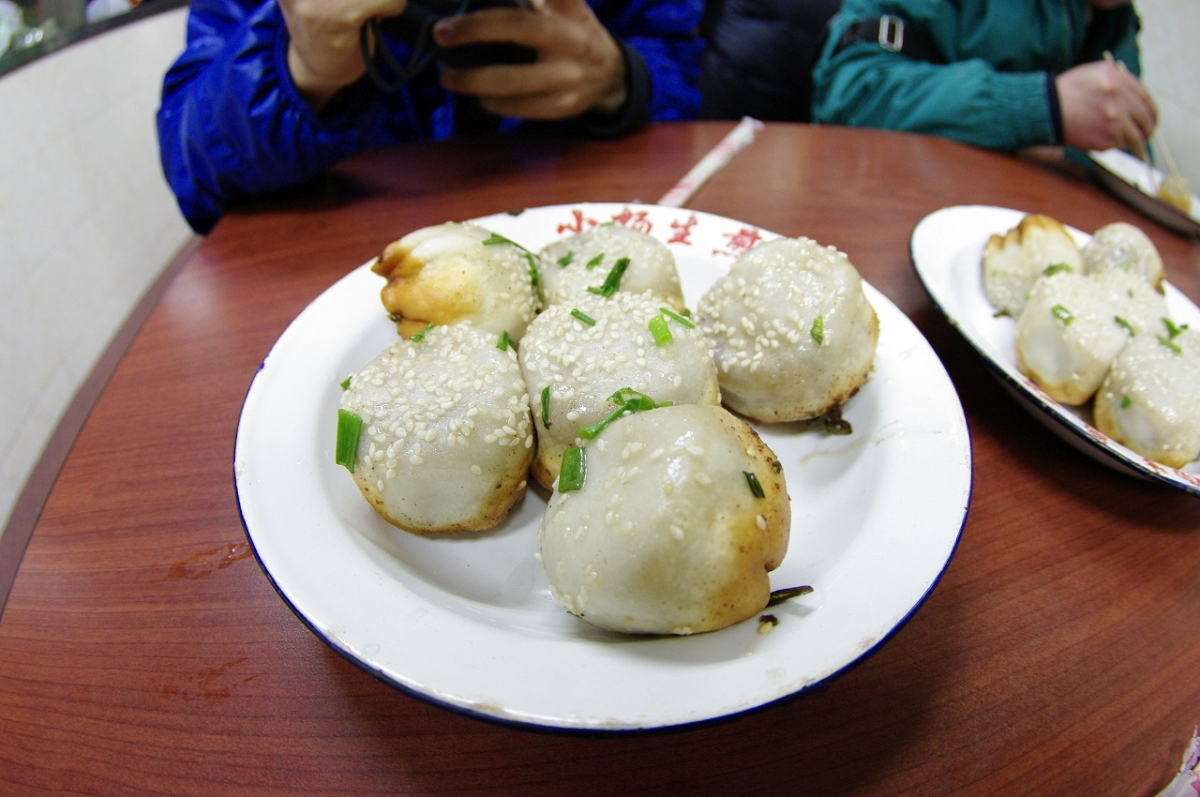
Begin with a modest order of shengjian, a bowl of noodles or another freshly prepared breakfast, rather than a long tasting list. Shengjian’s crisp base and hot filling create a different experience from steamed xiaolongbao. Eat carefully: a seemingly small dumpling can contain very hot liquid.
Follow the meal with a short walk in the same neighbourhood. That gives you a feel for the rhythm of the street without turning breakfast into a cross-city hunt. The Food & Drink guide explains dishes, ingredient questions and how to choose a restaurant. A food photograph illustrates the dish; it is not a promise that a particular shop serves that exact portion.
Use a Ferry as Part of a River Day
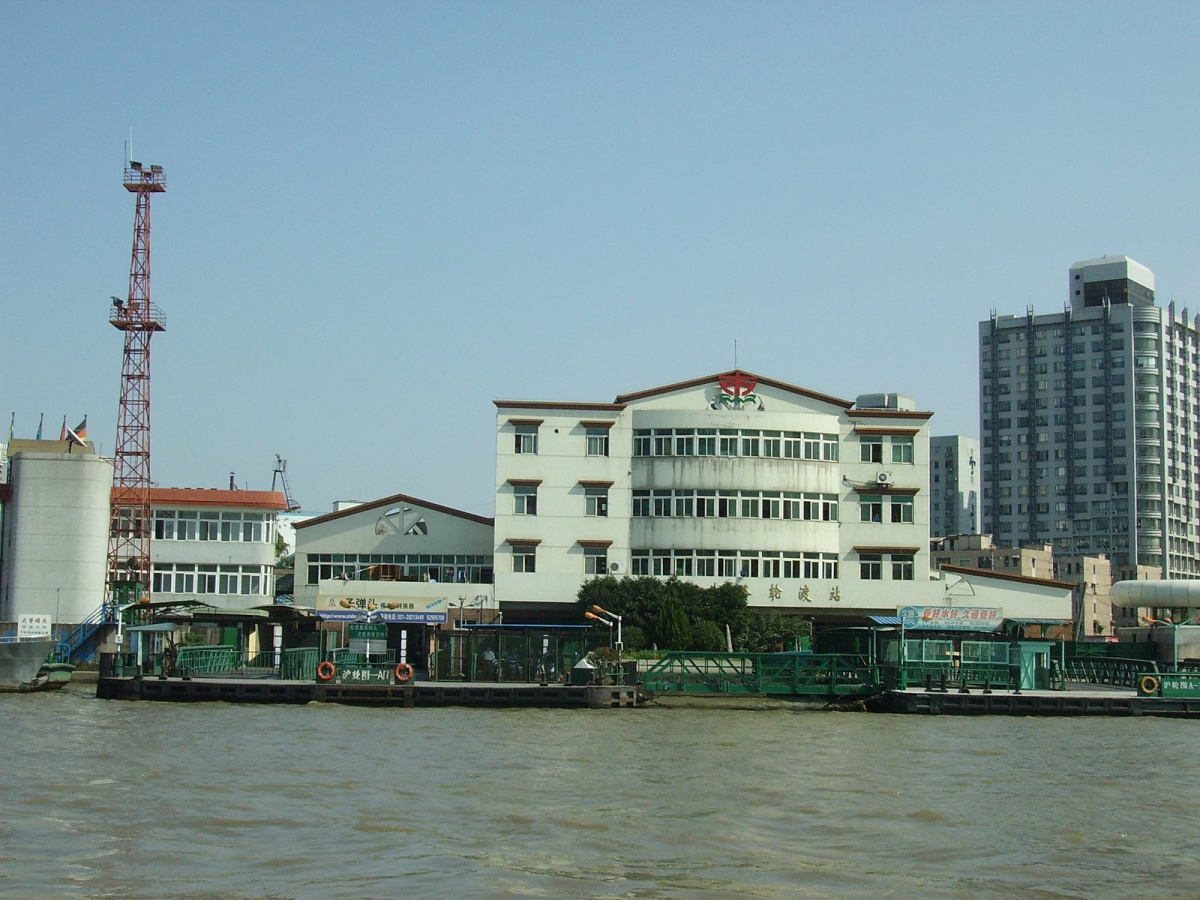
A public ferry offers a brief view of working river traffic and the contrast between Puxi and Pudong. Plan the crossing as a journey with a beginning and an end: choose the departure pier, identify the landing point and decide how you will continue on foot or by metro.
The municipal boat guide separates public crossings from longer sightseeing cruises. Do not plan an evening return on a route listed only for daytime service. Read Getting Around for the practical distinctions, or choose a clearly described cruise if duration, commentary and a circular sightseeing route are what you actually want.
Read the City at Street Level
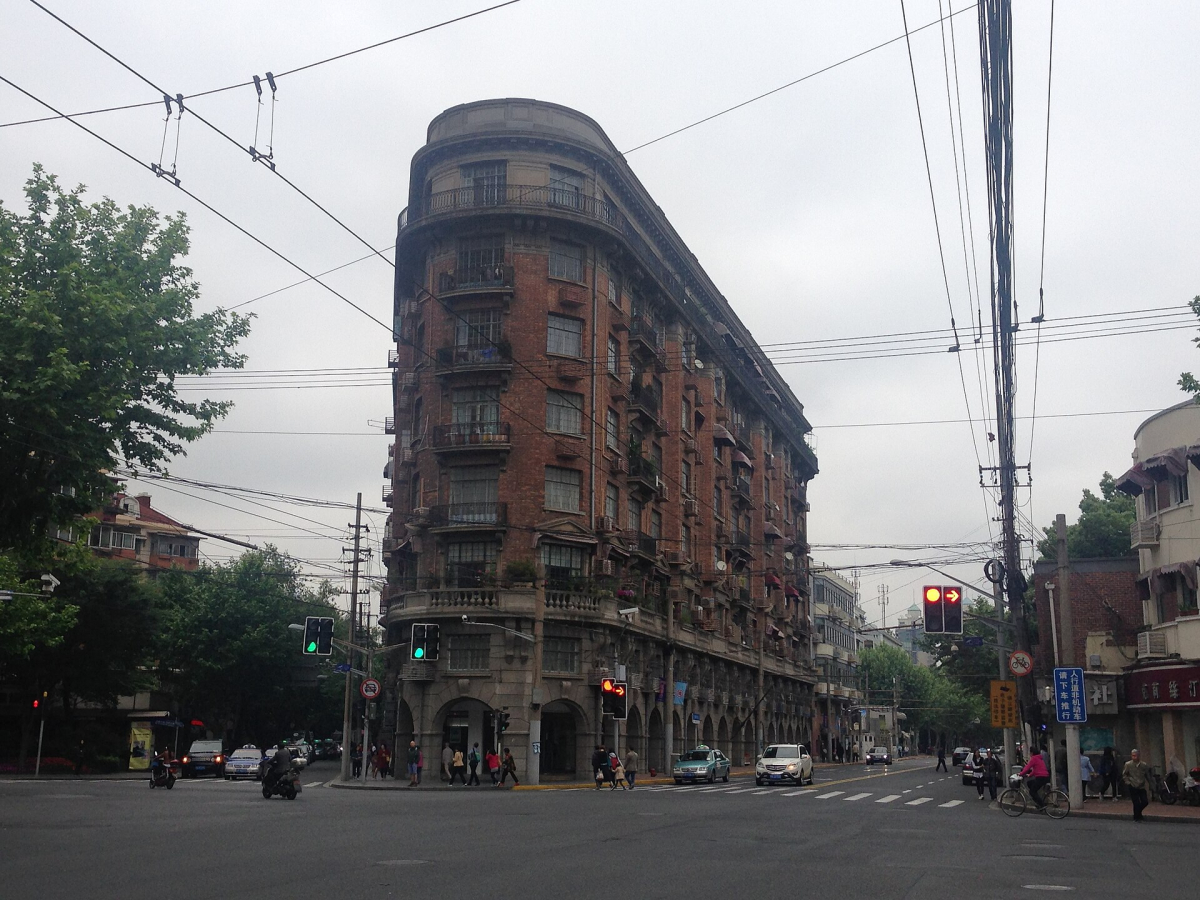
Choose one compact area around Sinan Road and Fuxing Park, or a route in the former French Concession area. Look for the relationship between the house entrance, street trees, boundary walls and daily shops. The detail is more interesting than collecting a long sequence of famous addresses.
Read History & Culture before the walk and use the photo guides for composition ideas. Stay on public routes and keep residential entrances clear. Xintiandi’s adapted commercial lanes and a lived-in longtang have different functions; neither should be presented as an untouched scene from the past.
Spend Time with One Collection
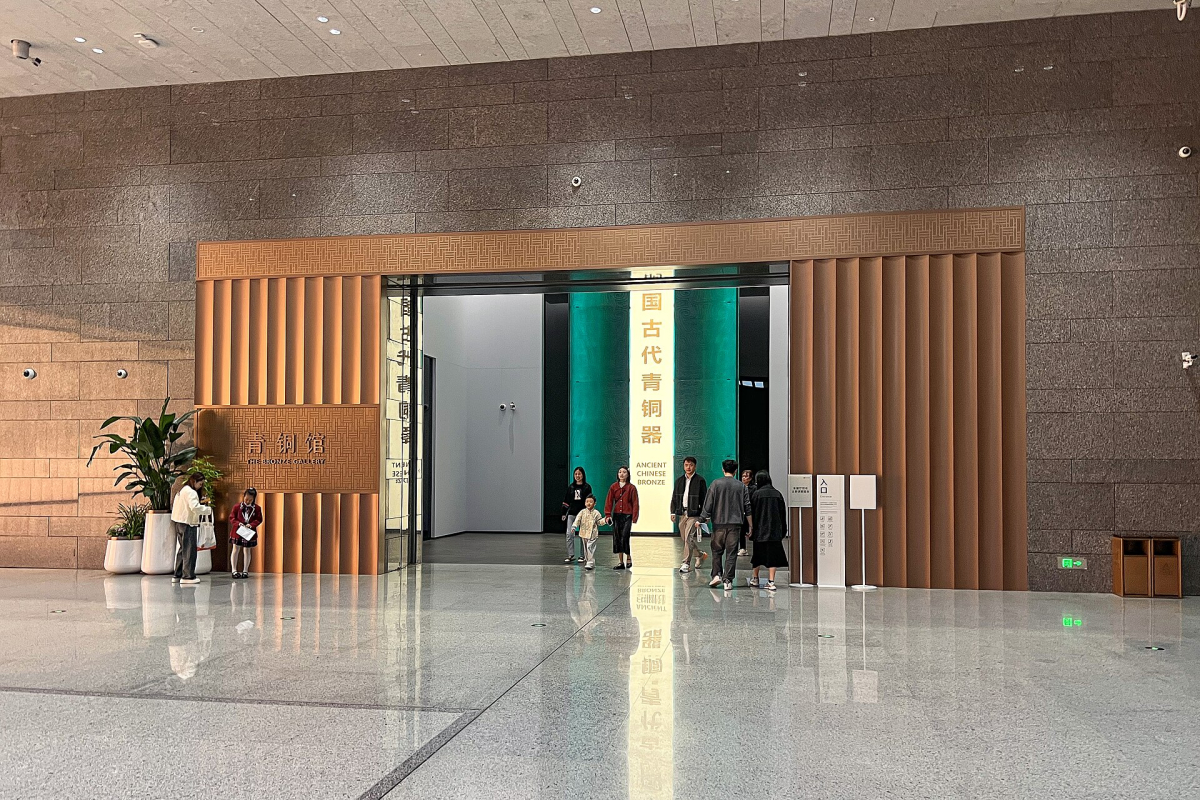
Choose a question: how bronze vessels were used, how ceramics changed across periods or how calligraphy combines image and language. Then give one or two galleries enough time. A museum morning followed by a nearby meal often produces a more coherent day than several distant institutions.
The Shanghai Museum guide distinguishes the People’s Square and East buildings. Confirm the current arrangements for your date and any separate special exhibition. Use Attractions for the building choice; do not travel across the river expecting both sites to have identical collections and opening patterns.
Parks & Outdoor Activities
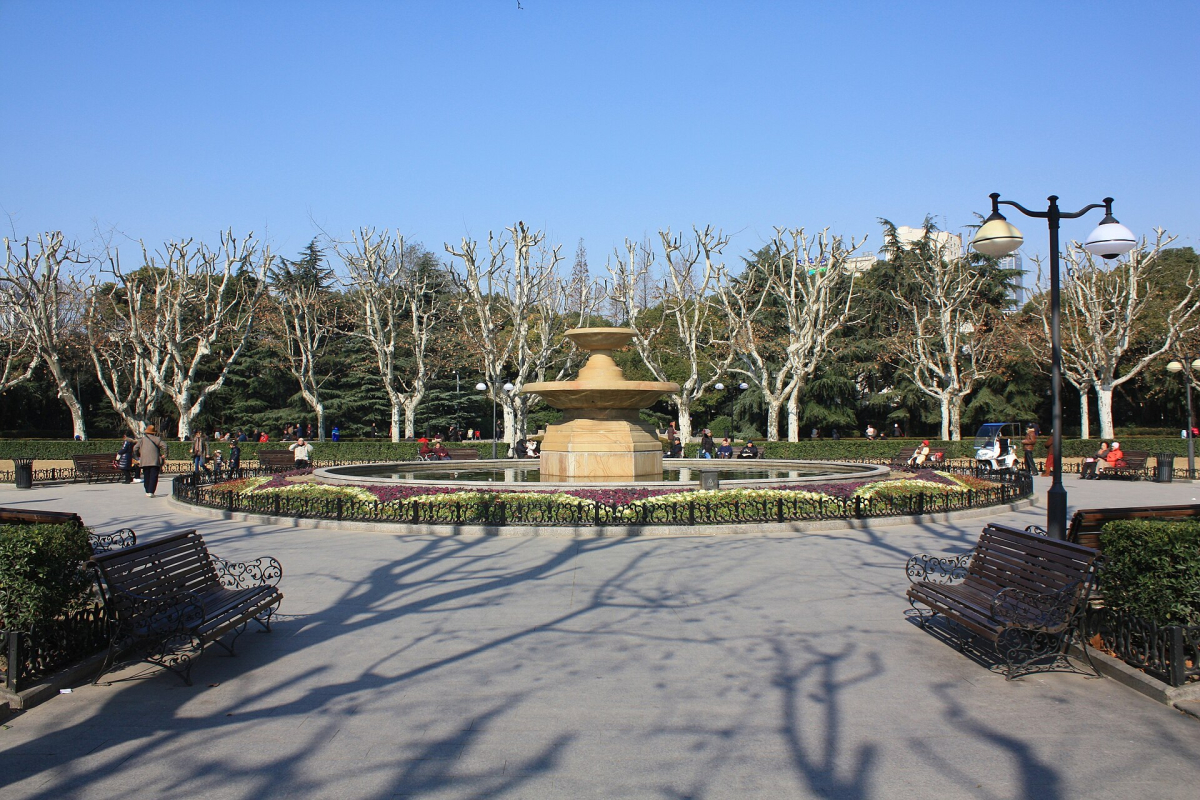
Fuxing Park pairs naturally with a central lane-house walk. Century Park suits a Pudong day and a longer green-space break. West Bund can combine a riverside walk with art, but the museum, restaurant and promenade entrances need their own route plan. Pick one area and avoid spending the afternoon transferring between parks.
For a larger forest-park excursion, the city’s 2026 park-train guide describes Gongqing and other sites. Miniature trains and seasonal activities can stop for weather or maintenance; park admission and an activity ticket are separate costs. Bring water, use marked routes and check whether a path is intended for walking or cycling.
Family Travel: Fewer Transitions, Better Breaks
For younger children, combine one main outing with a park or a flexible meal. A gallery visit can be shortened; an outlying theme park is a much less flexible commitment. Shanghai Disneyland, Legoland and other large attractions require checking the actual location, ticket rules, height or age conditions and the full return journey. They should have their own day rather than being added after a city-centre museum.
With a pushchair, confirm station lifts and the final entrance. Old-town bridges, narrow lanes and crowded shopping areas can be more difficult than a modern museum. Carry a snack and a practical meal alternative, and do not rely on a single late restaurant reservation to end a long day.
For a family three-day plan, use Itineraries and substitute a shorter museum session or park for the tower when needed. Travel Essentials covers ingredient and accessibility questions.
Combine Experiences without Duplicating the Day
Pair breakfast with a neighbourhood walk, a museum with a nearby meal, or one bank’s waterfront with a single crossing. Put the remaining time into the place you chose instead of adding another distant stop. For a change of scale beyond the centre, consider Day Trips as a separate day.
For a longer national journey, Things to Do in China helps compare the experiences Shanghai adds to a wider route. An activity in another province should not be sold as a casual Shanghai outing.
The linked Huangpu cruise example uses Shiliupu Area 1 and distinguishes security entry from the boat departure. Confirm the pier, supplier ticket exchange and selected option. The GetYourGuide link opens comparison results; select the matching cruise and read its final terms. Affiliate link: Photos4Travel may earn a commission from a qualifying booking.
Compare Huangpu cruises on GetYourGuide
Things to Do FAQs
Do I need a guide for every Shanghai experience?
No. Many public walks and museum visits can be planned independently. A clearly described guided activity can help with interpretation or a specific interest, but check the actual route and inclusions.
Can I add a theme park to a central sightseeing day?
Treat a major theme park as its own day. Travel, queues and the return make it unsuitable as a small add-on after a full central route.
Which activity works for a slower day?
A focused museum visit with a nearby meal, or one park and a short neighbourhood walk, reduces transfers and gives you room to adjust the pace.



