
ASIA · CHINA GUIDE
Things to Do in China: Choose Your Experiences
Choose experiences that fit your route and energy, rather than trying to collect a national checklist. A Great Wall day, a classical garden and a Sichuan teahouse answer different interests. They also need different levels of preparation, physical effort and transport.
The experiences below are starting points for a mainland journey. Their practical notes distinguish the main activity from transfers, optional guides and separately booked admission. Time allowances are editorial planning suggestions, not operator schedules. Use the detailed itinerary and regional guides to combine them, leaving space for weather and an unhurried meal.
Walk a restored Great Wall section
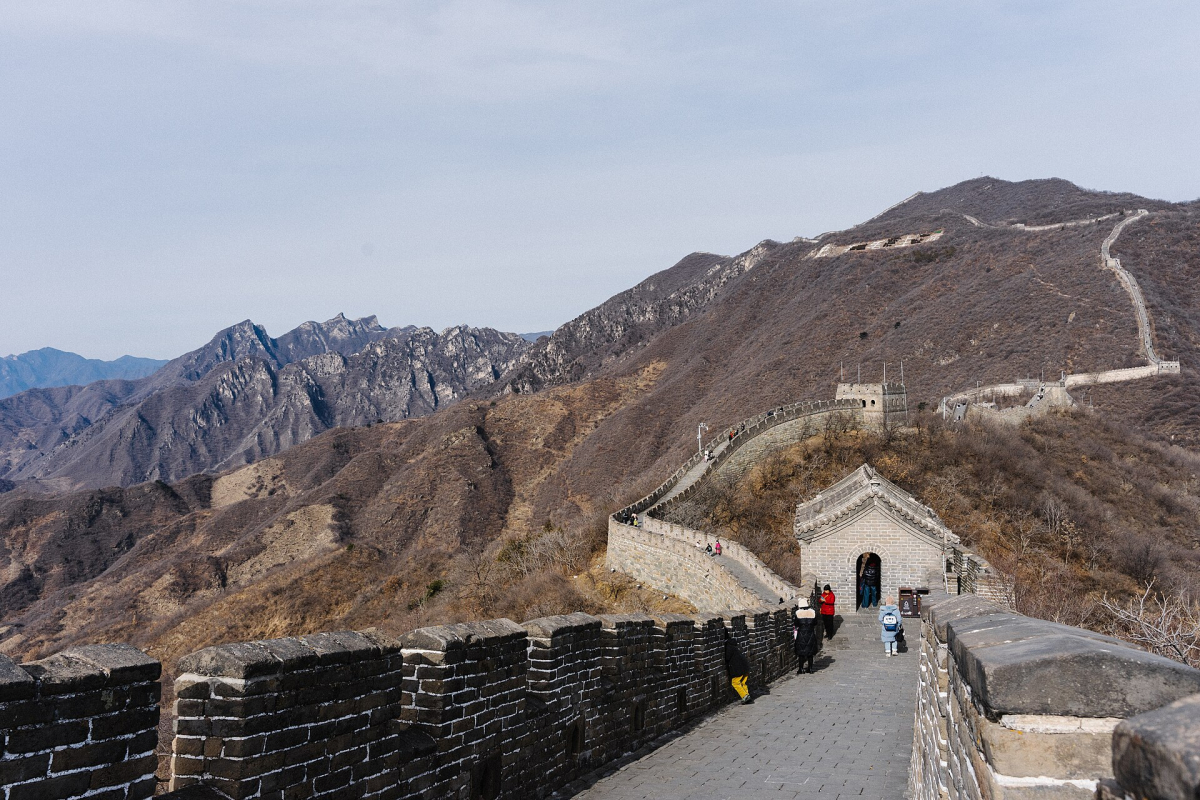
A restored section near Beijing lets you experience the wall’s relationship with steep ridges while using a managed visitor approach. Mutianyu is one possible choice; the best section for you depends on transport, stairs, opening conditions and how much walking you want. Cable transport, where operating, is a separate decision from admission and does not remove every steep section.
Allow a dedicated excursion day from Beijing rather than combining the wall with a major central museum reservation. Confirm the outward pickup or public-transport connection, the return arrangement and the exact gate. An attractive photograph of an unrestored ridge is not evidence of legal or safe access. Wear footwear suitable for uneven steps and turn back before fatigue makes the descent difficult.
Understand Beijing’s imperial spaces
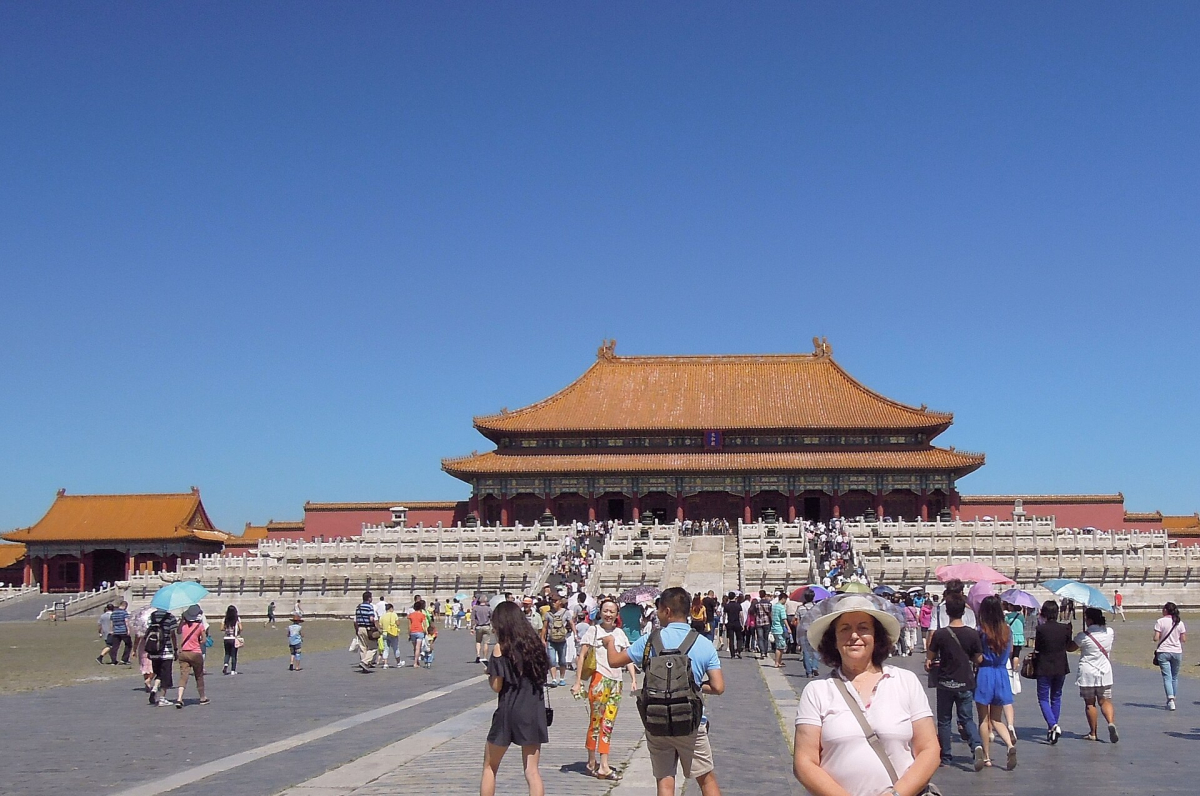
The Palace Museum rewards a planned visit with time for both the architectural sequence and selected collections. Begin with the official Palace Museum visitor information and the current reservation route. Confirm the named visitor document and the actual ticket before arranging the rest of the day. A booking enquiry is not admission.
Avoid filling the same day with several distant monuments. Choose a nearby follow-up only if opening, energy and security arrangements permit it. A qualified guide or a reliable audio interpretation can help connect the courtyards with their historical function; check the language and included content before purchasing. Families may prefer a smaller number of spaces with breaks instead of trying to complete every gallery.
Visit the Terracotta Army with context
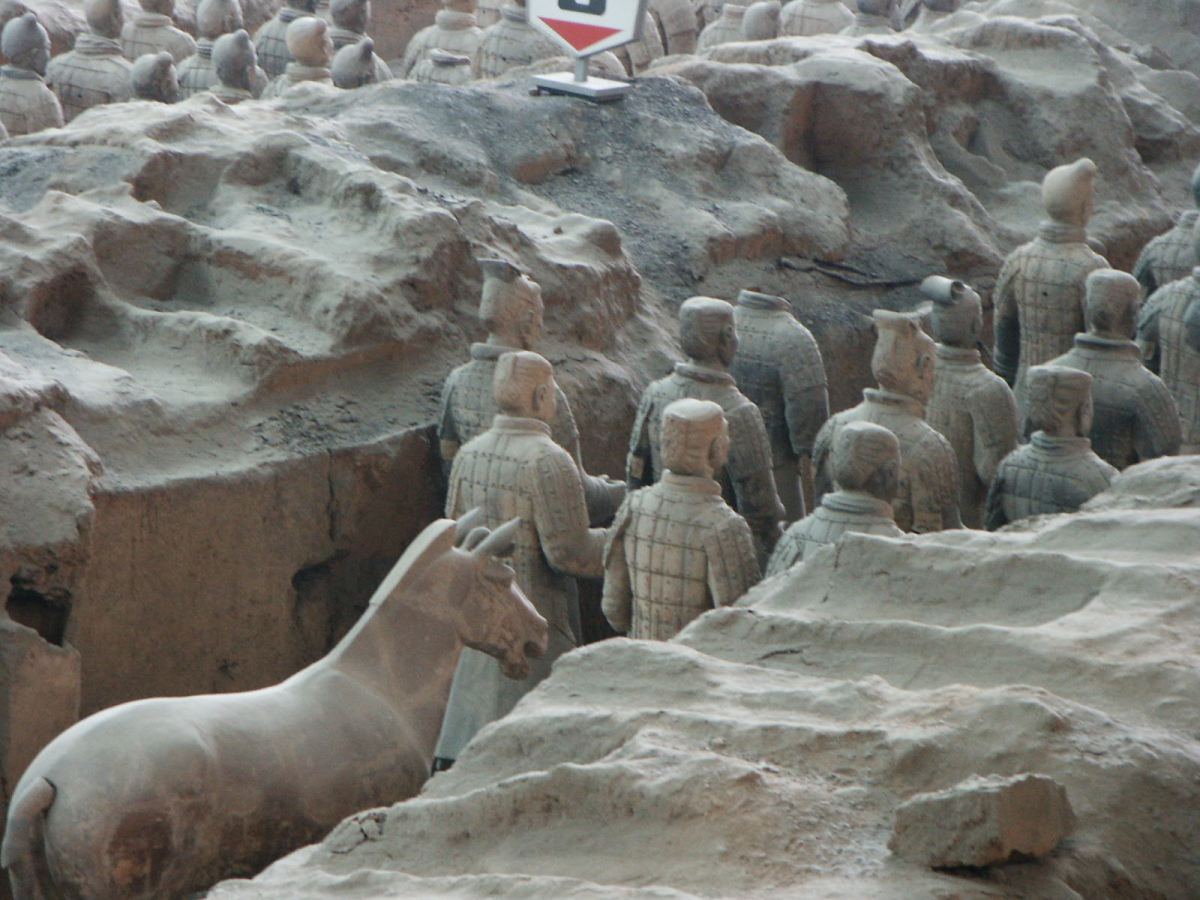
The Terracotta Army is a reason to give Xi’an its own stay. The museum lies outside the central city, so plan transport to the correct visitor entrance and leave room for the return. The museum’s ticket instructions describe its real-name and time-slot system; use the original document associated with your reservation.
An informed visit looks at excavation, conservation and the relationship to the First Qin Emperor’s mausoleum. Decide whether you want a specialist explanation before choosing a guided product. Check whether transport, guide and admission are actually included, and do not assume a city tour reaches every archaeological component. After a substantial museum day, a flexible local dinner is more realistic than a tight onward train connection.
Slow down in a Suzhou garden
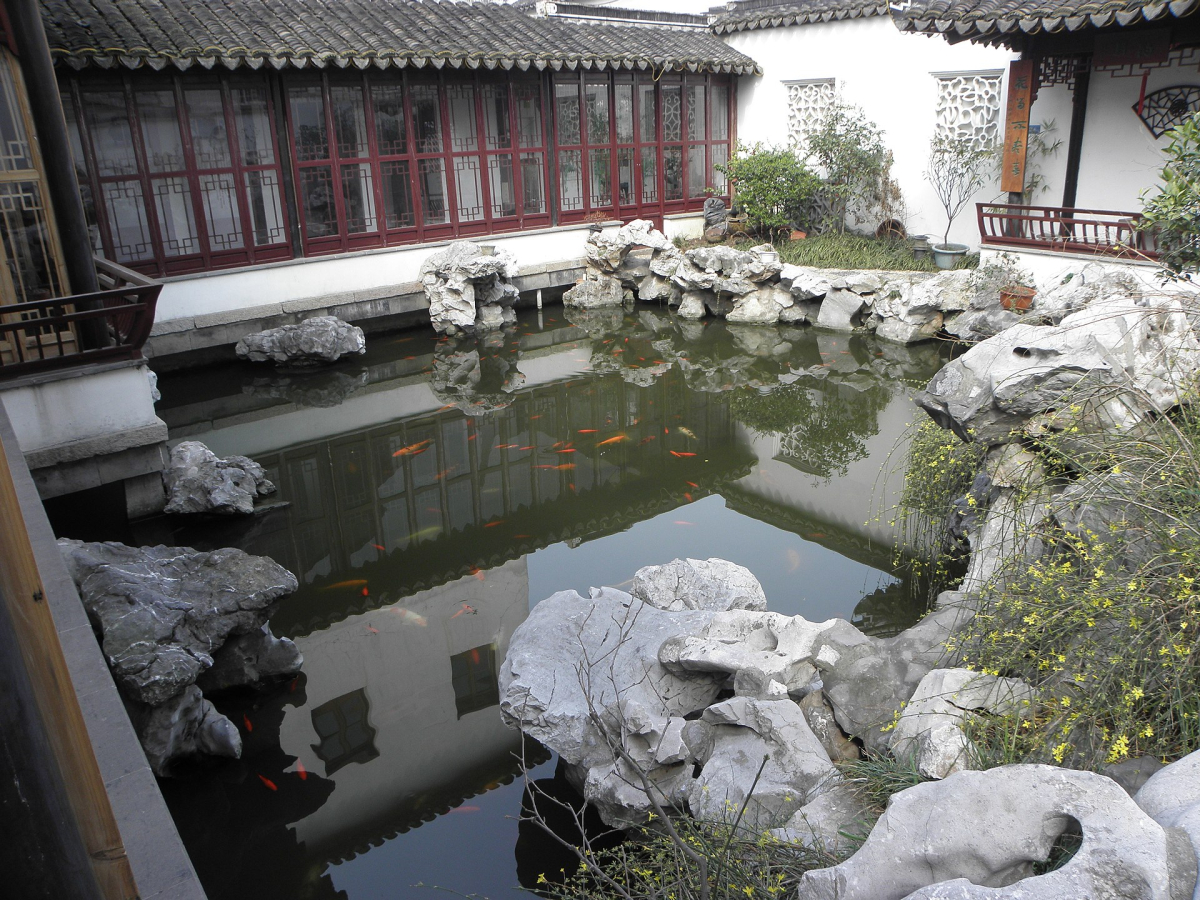
Suzhou’s gardens invite a different pace from a large monument. Walk through the sequence of openings and courtyards, look back along framed views and notice how rocks, planting and water control the sense of space. Choose one or two gardens according to interest and access rather than buying a long checklist of admissions.
An overnight can give you more flexibility than a compressed excursion from Shanghai, although a day trip is practical when train times suit. Include the station transfer in the plan. Historic surfaces, steps and narrow thresholds may affect wheelchair or pushchair access; ask about the actual route rather than assuming that a compact garden is step-free. Pair the visit with nearby streets and a meal instead of another cross-city transfer.
Spend time in the Li River landscape
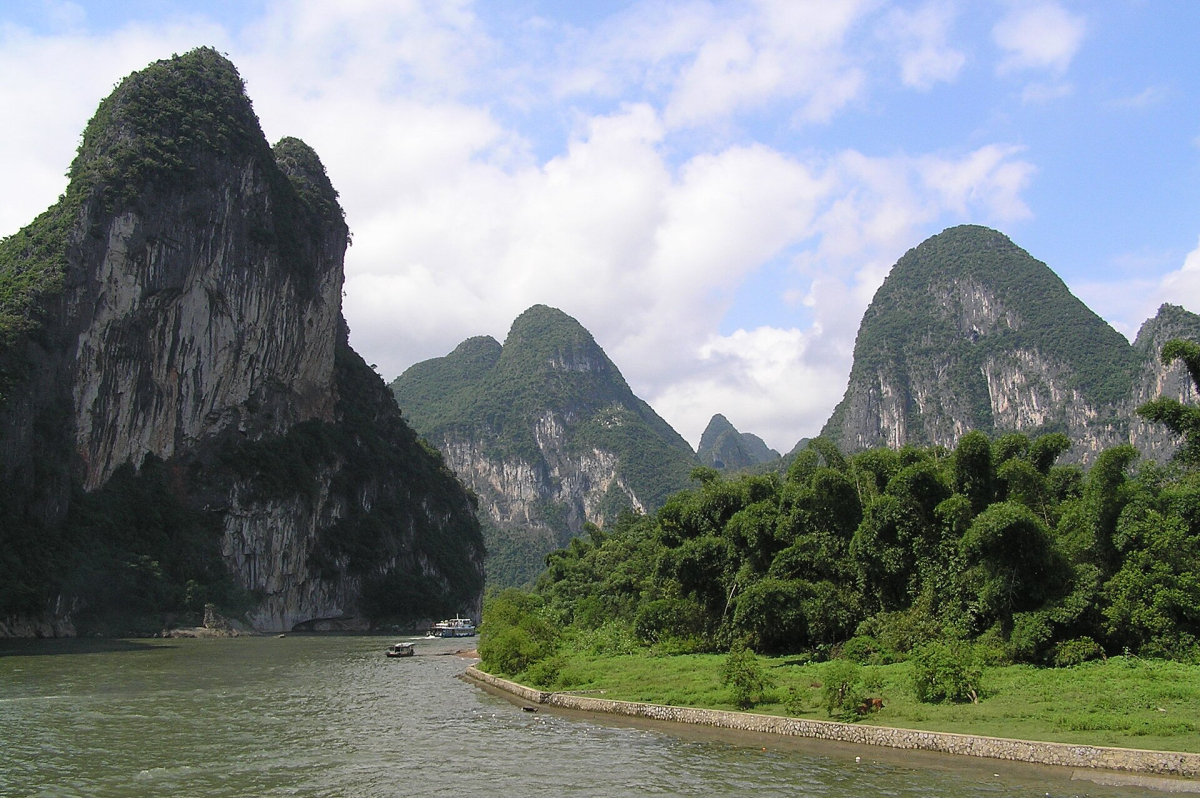
Guilin and Yangshuo are best approached as a region for river and rural days. A cruise, a short boat outing, a walk and a cycling excursion are different products with different starting points and physical demands. Read the exact route, transfer and age or health conditions before choosing one.
Stay long enough to respond to poor visibility or a wet day. The countryside is not an empty film set: village roads carry daily traffic, agricultural land is worked and river edges may be slippery or restricted. If cycling, choose a route that matches your confidence and arrange a clear return. Do not assume a scenic road is quiet or that every small boat can operate under the same conditions.
Build a Chengdu day around tea and food
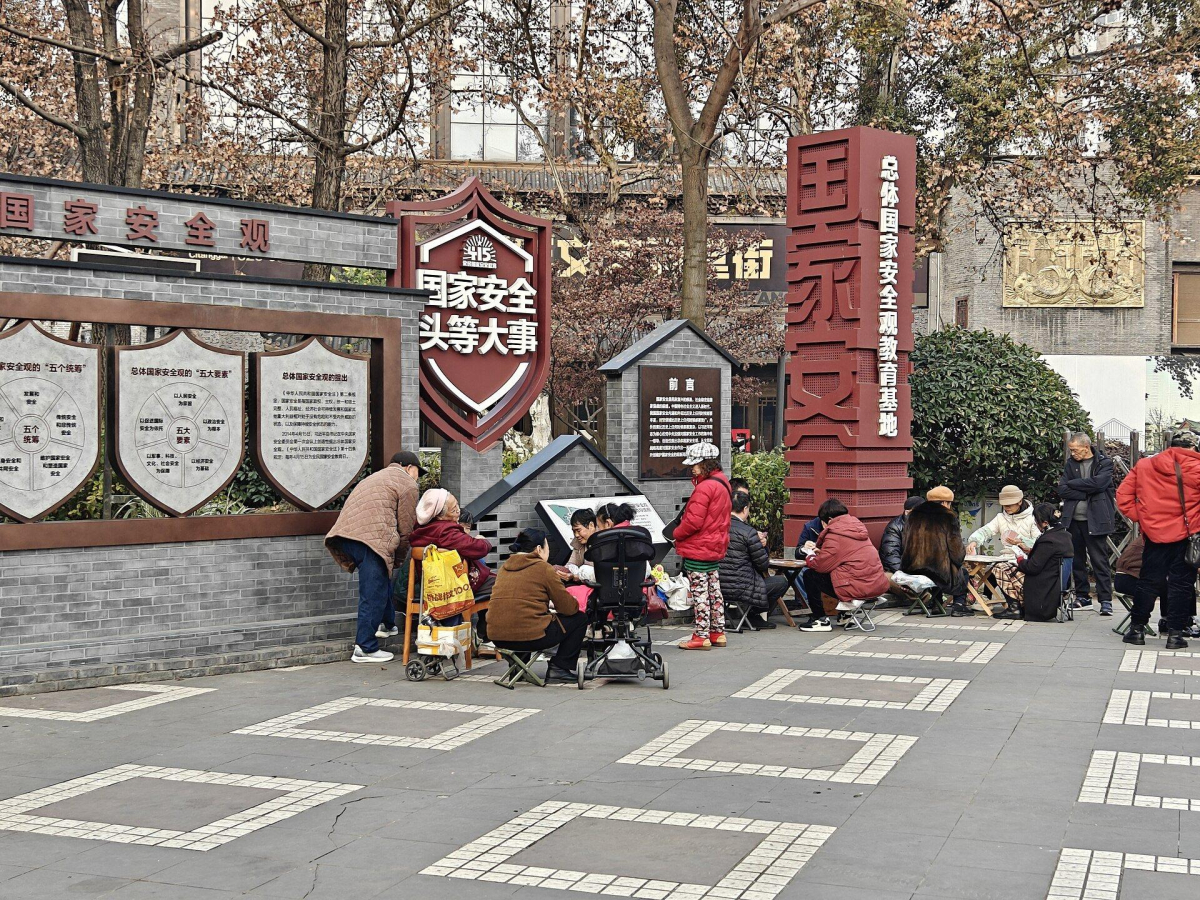
Chengdu supports a relaxed day of neighbourhood walking, a teahouse stop and a regional meal. In a teahouse, ask how the price is calculated and what the service includes before sitting down. Tea, snacks, performances and additional services should not be assumed to form one inclusive package.
For a cooking class or food walk, check meeting location, language, group size and dietary handling. A vegetarian adaptation is a specific request, and a severe allergy needs confirmation beyond a translated dish name. The Food & Drink guide explains the difference between regional dishes, restaurant choice and practical ordering. A slower experience like this is also a useful alternative after a long rail journey or when outdoor conditions are uncomfortable.
See Shanghai from both sides of the river
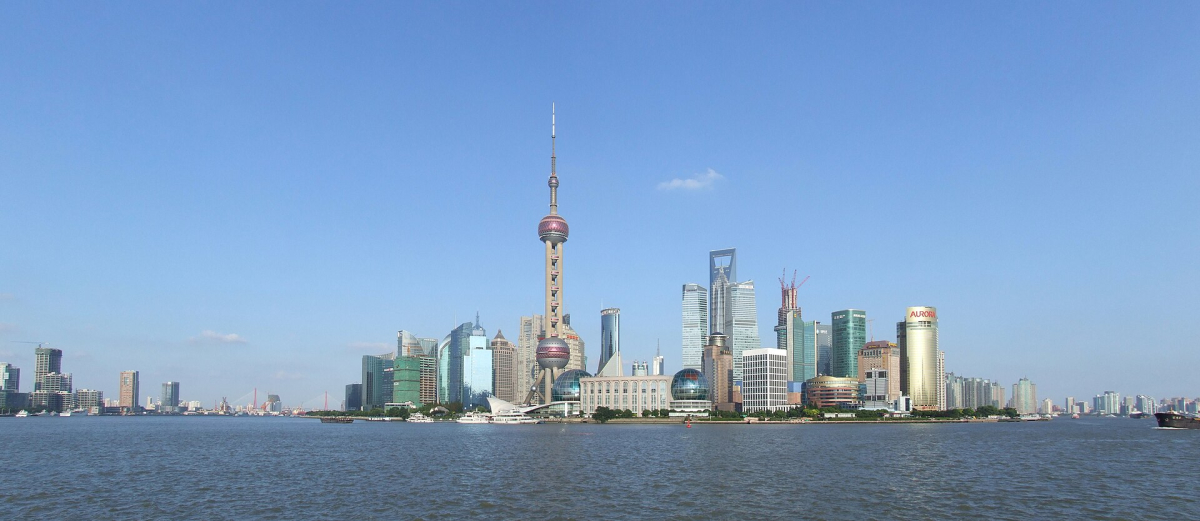
The Bund promenade offers a clear introduction to Shanghai’s waterfront architecture and the skyline across the river. Seeing the area in daylight and again around dusk reveals different details; it does not require buying access to every observation deck. Keep room for weather, crowd control and the walk back to transport.
If you want a river cruise or elevated viewpoint, compare the actual departure pier or tower, time slot and included access. The generic word “skyline” is not enough to establish that two tickets offer the same view. For photographs, protect pedestrian space and respect tripod restrictions. The Photos & Photo Spots guide separates the main viewpoints and gives alternatives when reflections, rain or crowds change the scene.
Combine experiences without overfilling the trip
On smaller screens, swipe or scroll horizontally to read the full table.
| Experience | Allocate | Check separately |
|---|---|---|
| Great Wall excursion | A dedicated Beijing excursion day | Gate, return transport, steps and cable options |
| Palace Museum | A substantial cultural visit | Confirmed reservation and visitor document |
| Terracotta Army | A Xi’an excursion with road transfers | Time slot, guide and included transport |
| Suzhou garden | An unhurried part of a garden day | Specific garden entry and route accessibility |
| Li River activity | A weather-aware regional day | Embarkation point and actual activity format |
Reserve the least flexible experience first, then build nearby meals and walks around it. Avoid paying for several products that all repeat the same city overview. A guide can add interpretation, but a tour description should state its actual route and inclusions before you compare prices.
For families, choose one demanding activity per day and leave an easy exit. For slower travel, stay an extra night in the base instead of using every morning to repack. The China itineraries show how to arrange arrival days, major experiences and onward transfers without confusing calendar days with full sightseeing days.
Things to Do FAQs
Do I need a guide for every major attraction?
No. Choose interpretation where it adds value or solves a practical problem. Confirm the language and actual inclusions; a transport-only service and a guided museum visit are different products.
Can I see the Great Wall and Terracotta Army on one day?
They belong to different regions around Beijing and Xi’an. Plan separate stays and a real intercity transfer rather than treating them as nearby attractions.
What is a good lower-effort alternative to a mountain day?
Choose a nearby city garden, teahouse, museum or shorter managed walk that fits your base and current opening arrangements. Verify the actual route if steps or long walking distances are a concern.



