
ASIA · CHINA GUIDE
Where to Stay in China: Regions, Cities & Districts
Choose where to stay by the journey you want to make each day. In China, a hotel described as central can still be a long way from the station, museum gate or evening district you need. A scenic rural property may be attractive but depend on a vehicle for meals and every excursion.
This guide compares regions and districts, not individual hotel rankings. Use it before the named-property Hotels guide. The suggestions are editorial choices based on geography and travel needs; they do not promise that every property in a district has the same facilities, accessibility or price.
Choose the right kind of base
On smaller screens, swipe or scroll horizontally to read the full table.
| Base | Best suited to | Main compromise |
|---|---|---|
| Central Beijing | Imperial sites and a first northern visit | Large distances between sightseeing districts |
| Central Shanghai | City walks, food and lower-Yangtze excursions | Airport and rail-hub transfers still need planning |
| Xi’an inside or near the walls | Archaeology and historic-city visits | Terracotta Army requires a separate outward journey |
| Central Chengdu | Food, teahouses and a slower city stay | Mountain extensions are separate trips |
| Yangshuo town or countryside | River landscapes and rural days | Transport and meal access differ sharply |
| Dali or Lijiang | A Yunnan regional journey | Altitude, luggage routes and repeated transfers |
| Sanya bay area | A resort or beach-focused break | Bay choice, sea conditions and flight access |
For a short first visit, a practical city district is often more valuable than a hotel with a long list of facilities. For a resort stay, the opposite may be true: shade, food, pool access and a reliable transfer can matter more than a central address. Match the accommodation to the time you will actually spend there.
Before paying, check the hotel’s Chinese address, nearest usable transport entrance and late-arrival arrangements. Confirm that the property can register your passport and accommodate the full group in the selected room category. Do not assume that an apartment listing follows the same check-in process as a staffed hotel.
Beijing: Wangfujing, Dongcheng and hutong stays
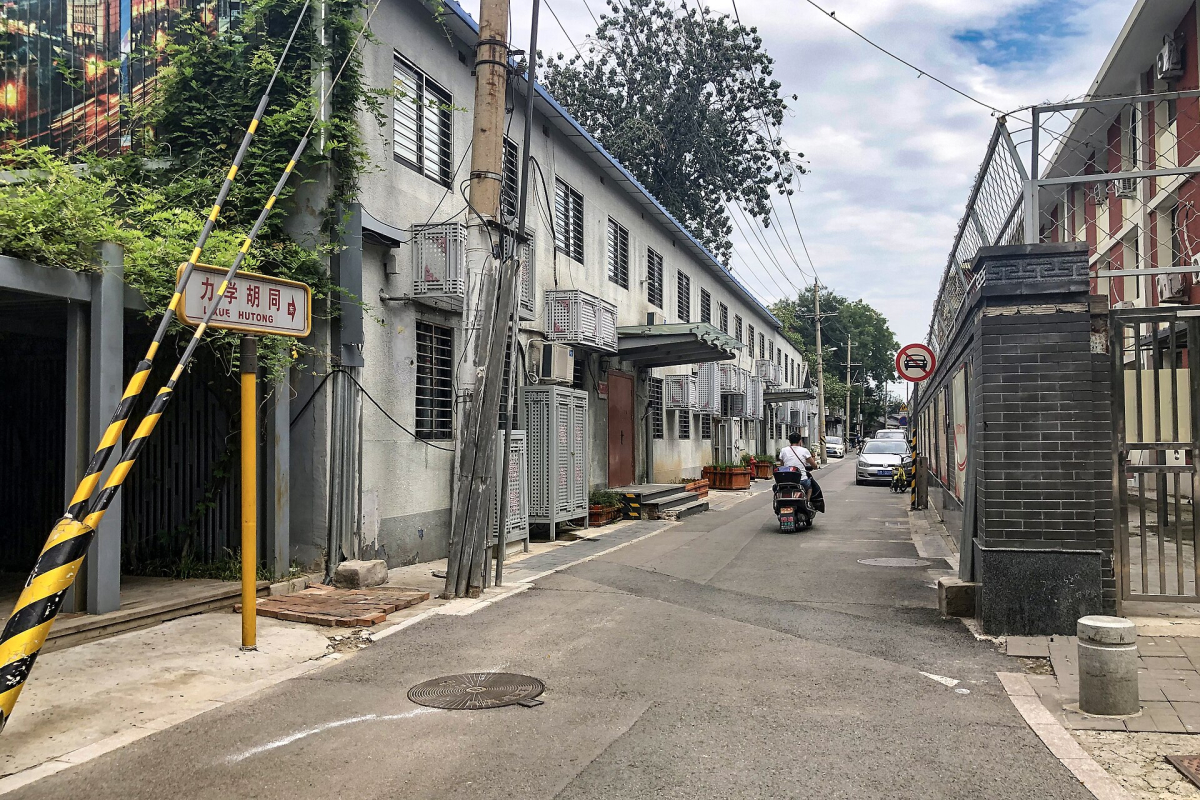
Wangfujing and central Dongcheng can work well for visitors focused on the Palace Museum area and established city transport. The attraction is convenience within a broad sightseeing region, not the ability to walk to every landmark. Check the actual station exit and the hotel’s position relative to security approaches and major roads.
A hutong stay can offer a smaller-scale residential setting. Its trade-offs may include a longer luggage walk, vehicle access limits, thresholds and variable room layouts. Ask for precise arrival instructions and a description of steps if travelling with a pushchair or mobility equipment. A courtyard photograph does not establish quietness or accessibility.
Airport accommodation solves an early or late flight problem, not a sightseeing-base problem. Choose the correct airport and terminal relationship. Staying near Daxing does not help an early Capital departure, and vice versa. Count any final airport night within the itinerary rather than adding an unplanned extra booking.
Shanghai: Bund, Jing’an or Hongqiao
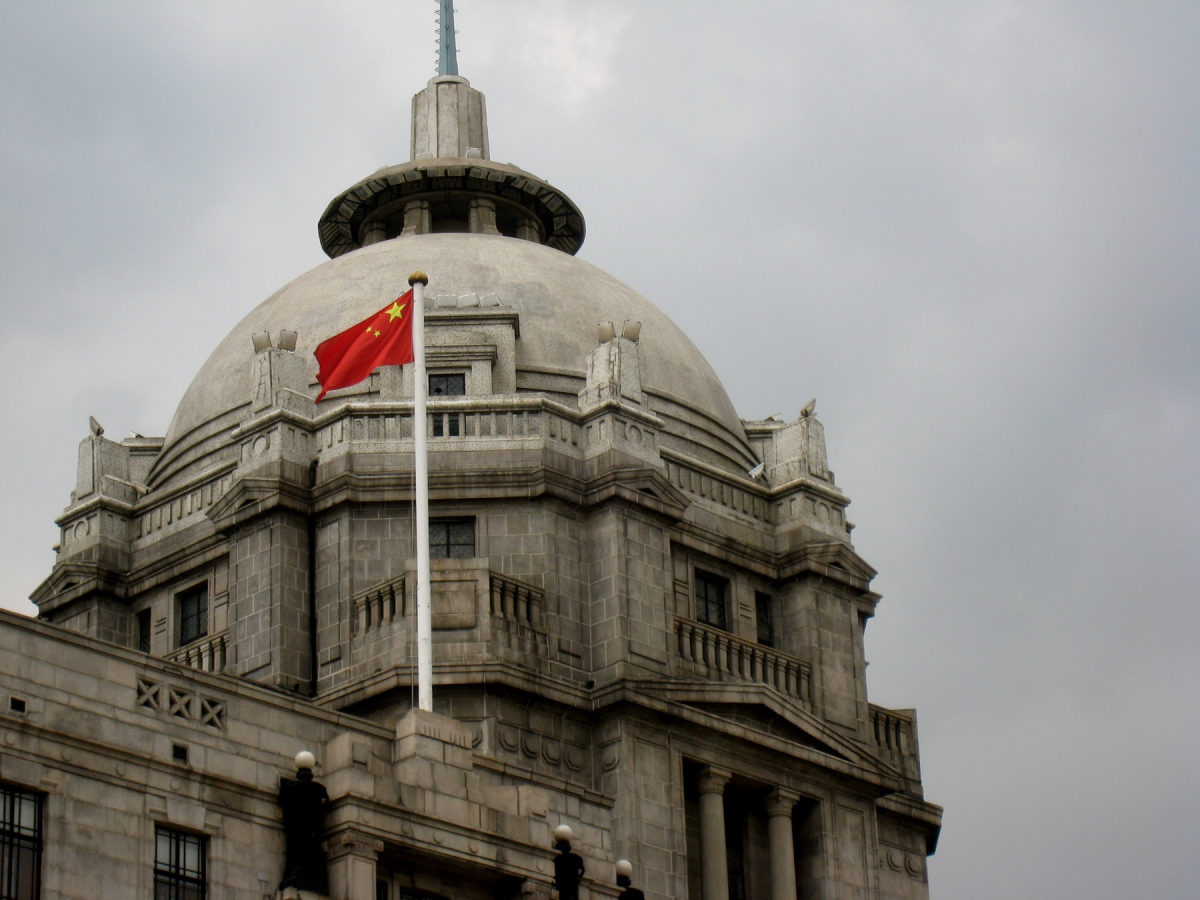
The Bund area suits visitors who want the riverfront and historic architecture close at hand. A room advertised with a view needs a specific category check: the building’s location does not mean every room faces the river. Evening crowds and the final walk from transport also matter.
Jing’an and other well-connected central districts can suit a longer city stay with restaurants, services and several neighbourhoods to explore. Compare the exact station access rather than using a district name as proof of convenience. A comfortable local evening can be more valuable than a dramatic lobby.
Hongqiao is practical for an early train, exhibition visit or airport connection, but it changes the daily sightseeing journey. Pudong also covers a very large area; a hotel near one tower or business district is not necessarily near Pudong airport. Match the full address to your actual plan before treating “Pudong” as a single location.
Xi’an and Chengdu: history or a slower food base
In Xi’an, a location inside or near the historic walls can support city walks and evening meals. Check which gate, road crossing and metro station you will use. A hotel beside the wall is not automatically convenient for Xi’an North station or the Terracotta Army museum; both require separate journeys.
Central Chengdu suits travellers who want food, teahouses and flexible urban days. A well-connected base can support selected excursions, but do not reserve a central room on the assumption that every mountain destination is a short return outing. For a remote scenic area, an overnight nearer the entrance may be more useful.
In both cities, compare daytime sightseeing with the evening you want. A busy restaurant district may simplify dinner but create noise; a quieter hotel can mean a taxi after the last meal. Families should prioritise the actual room occupancy, bed configuration and practical access over a generic “family friendly” label.
Guilin and Yangshuo: gateway or landscape stay
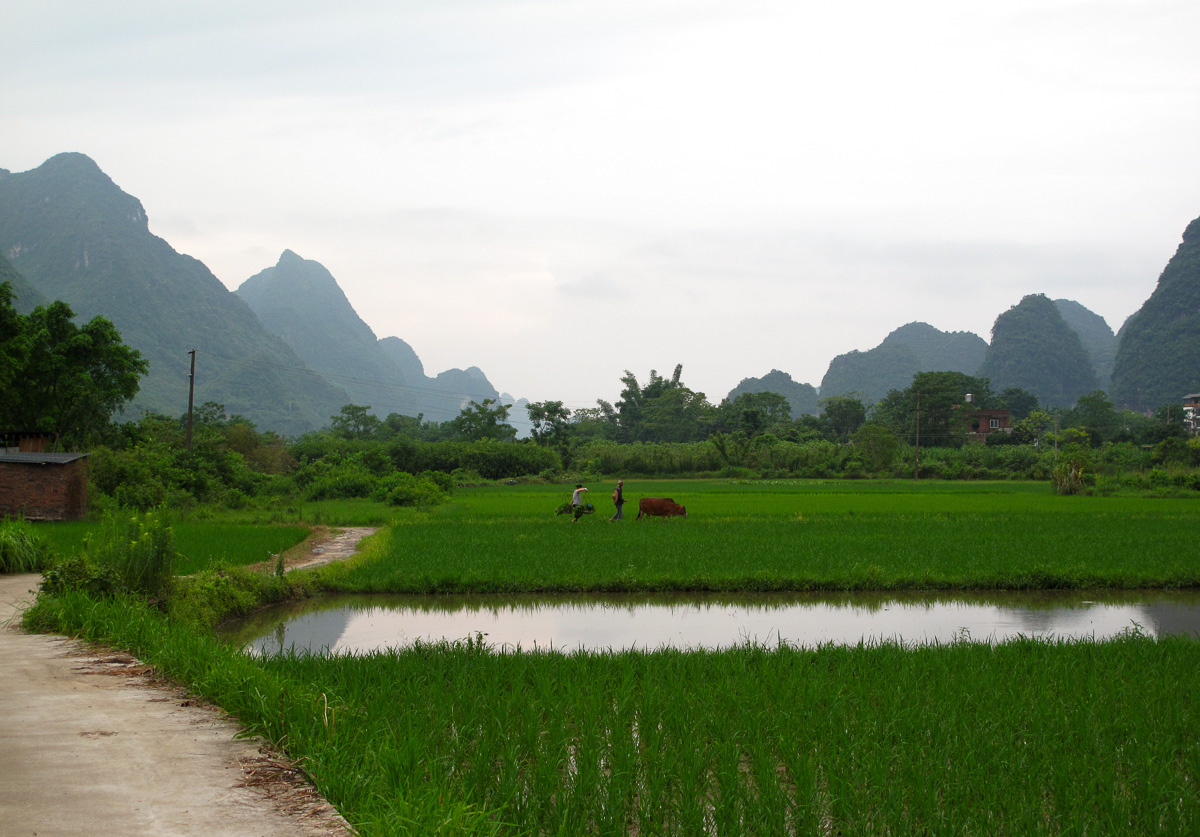
Guilin can be a useful gateway when flights, trains or a particular river departure shape the trip. Yangshuo is often a better base for travellers whose main purpose is slower rural exploration. These choices should follow the activity and transfer plan rather than a simple preference for the prettier photograph.
Yangshuo town offers easier access to meals and services, with the possibility of busier evenings. A countryside stay may provide a quieter landscape setting but require arranged transport for dinner, luggage and excursions. Confirm whether the road reaches the property and how you will return after dark or rain.
The railway station named Yangshuo is outside the town centre. Ask for the precise pickup point and journey to the hotel. For Longji terraces, compare a day excursion with an overnight near the village or viewpoint; steps and luggage approaches can be significant. Do not promise a universal vehicle-to-door arrival.
Yunnan: Kunming, Dali and Lijiang
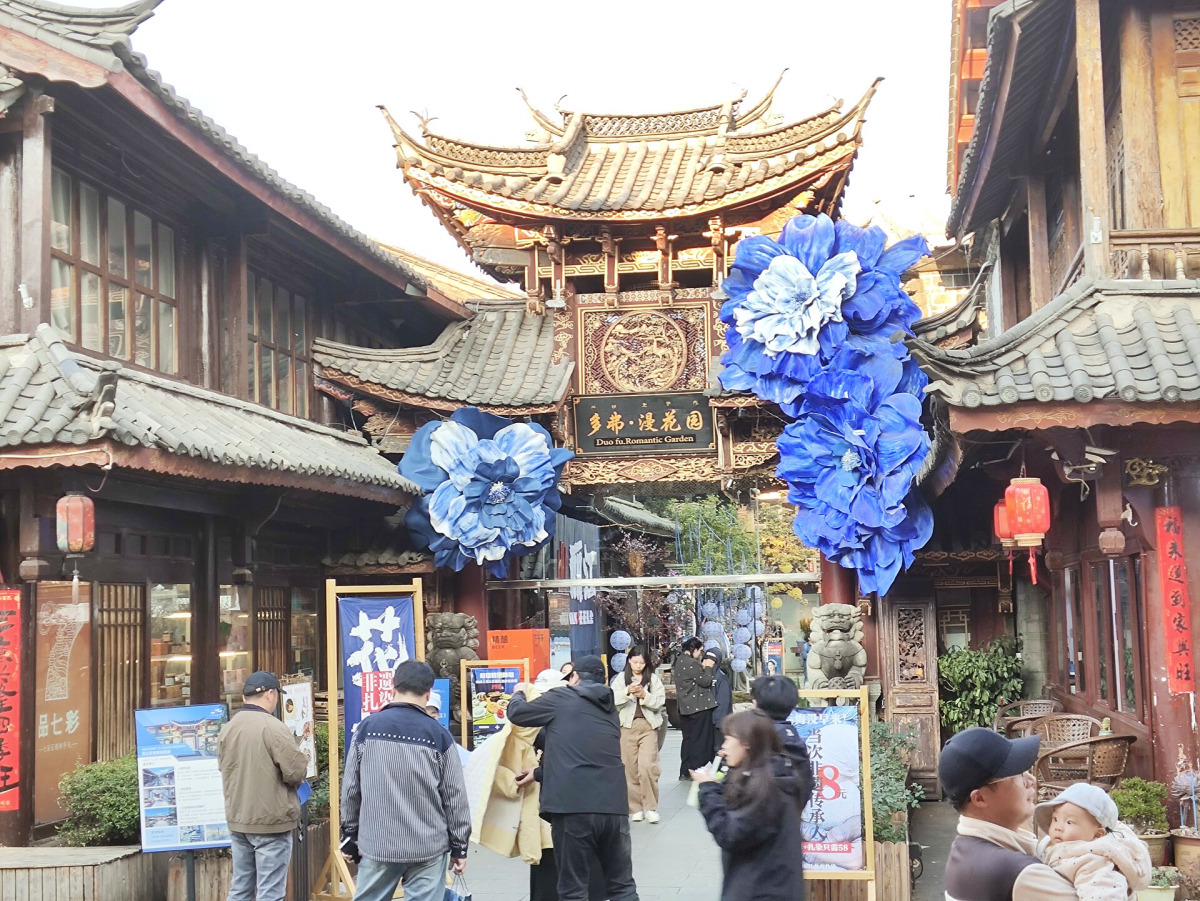
Kunming can support a provincial arrival and a more ordinary urban stay. Dali combines an old-town setting with wider lake and countryside choices. Lijiang provides a different historic-town experience and access to regional excursions. Treat them as distinct bases, not interchangeable names on a Yunnan booking search.
Old-town accommodation may be inside pedestrian lanes with steps or uneven paving. Ask how far luggage must be carried from the vehicle drop-off and whether the route changes in wet weather. A room over an evening entertainment street can feel very different from a quieter courtyard nearby.
Altitude and onward transport should influence the sequence. Avoid adding a much higher destination immediately after a demanding arrival without appropriate preparation. For a longer stay, check heating, laundry, work space and ordinary grocery access as well as the view. The Longer Stays & Costs guide explains those practical comparisons.
Hainan: choose a bay, not just Sanya
Yalong Bay is associated with a resort-focused stay, while Dadonghai offers a different relationship between beach, town services and restaurants. Haitang Bay can suit travellers prioritising large resort facilities, but it should not be assumed to provide the same sea-swimming experience. Check the specific property and current designated swimming arrangements.
For families, compare pool rules, shade, food options, room occupancy and the route from room to water. A beachfront address does not establish supervised swimming or a step-free beach approach. Sea closures can affect a holiday even when the hotel itself operates normally.
Haikou and Sanya are separate bases on a large island. Choose the correct airport and allow for the actual transfer across Hainan if necessary. Confirm that your entry permission covers any intended onward mainland journey; a regional Hainan arrangement is not a general permission to continue everywhere.
Make the final booking decision
Compare a full stay total for the same dates, occupants, room and cancellation terms. Ask about deposits, taxes, breakfast and extra beds where relevant. If a kitchen or laundry is essential, confirm it for the exact unit rather than inferring it from a property-wide gallery.
Confirm how registration will be completed before choosing a private stay. Hotels handle guest registration at check-in; in other lodgings, the guest or host has a 24-hour responsibility. The NIA’s nationwide online registration service began on 21 September 2026, with local in-person registration still available. An informal host message is not a registration receipt.
Use Hotels for named properties and Getting Around to test the location against real transfers. A good base reduces daily friction while keeping the experiences you want within reach.
Where to Stay FAQs
Should I stay near a high-speed railway station?
Only when it supports your actual itinerary. Many rail hubs sit away from historic centres. Compare the arrival and departure convenience with the daily sightseeing journey.
Is a countryside hotel near Yangshuo practical without a car?
It can be if the property and excursion operators provide clear transfers and you have a workable meal plan. Confirm the last-mile approach and return after dark before booking.
Can I assume an old-town hotel is accessible?
No. Ask about the entire approach, thresholds, stairs, lift, bathroom and room category. A historic setting or short map distance does not establish step-free access.



