
This page provides travel-planning information rather than a diagnosis or personal medical plan. It separates everyday precautions from legal, regional and outdoor issues. Keep local emergency contacts and your insurer’s assistance details available offline; Useful Contacts explains how to choose the right service when something goes wrong.
Healthcare and personal preparation
Review your health needs early enough to arrange any recommended preparation with a qualified professional. Discuss the route, activities and relevant conditions rather than asking only about “China”. Altitude, remote travel, heat and the availability of suitable care can affect the advice.
The FCDO China health guidance recommends checking healthcare access and suitable insurance, including medical evacuation where needed. Treatment can involve significant cost. Confirm what your policy requires for authorisation, assistance and payment before assuming a clinic visit will be handled automatically.
Carry medicines in appropriate labelled packaging with the supporting information your clinician and the destination authorities advise. The legal status and availability of a medicine can differ from home. Check import requirements for the actual product through official channels; a prescription at home does not by itself settle border rules.
Everyday city precautions
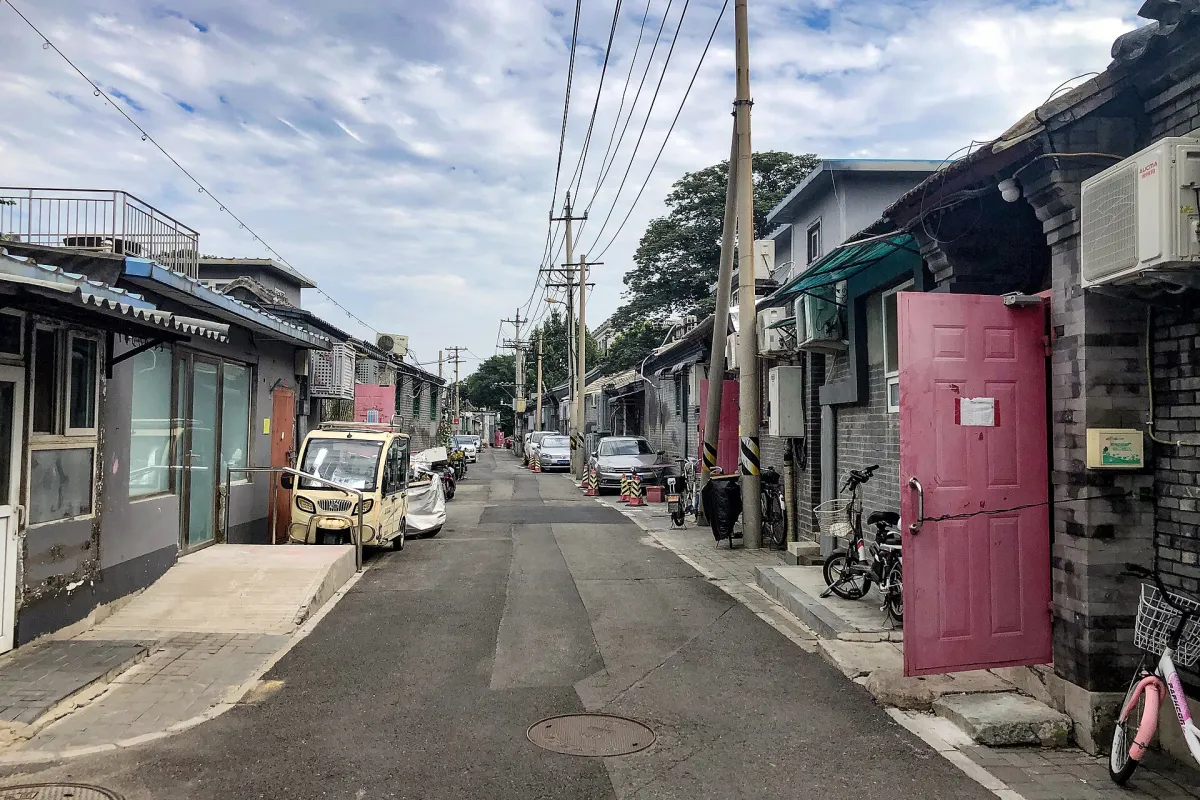

Keep valuables controlled in crowded stations, markets and major attractions. Carry the passport required for checks while storing backups separately. Avoid displaying cash or leaving a phone and passport together on a café table where losing one item removes several essential tools.
Use care with road crossings, bicycles and other traffic even where the route looks pedestrian-friendly. A short hotel-to-station walk can include a major road or awkward junction. Choose a well-understood route after dark and keep the Chinese hotel address available.
If an argument over a bill or fare develops, avoid a physical confrontation. Seek help through the appropriate local service and preserve the facts, receipt and location. The official FCDO safety advice explains that disputes and local enforcement can have serious consequences; do not treat a minor travel disagreement as a reason to escalate personally.
Unsolicited invitations and payment scams
Be cautious when a stranger redirects a friendly conversation toward a particular tea tasting, bar, massage or private venue. Choose venues independently and inspect the price before accepting a service. An invitation framed as cultural exchange can still be a commercial approach.
Check the merchant and amount before authorising a QR payment. Use the official application or provider channel to resolve account problems, and never share passwords or verification codes with an unsolicited helper. A convincing sign or code is not proof that a payment goes to the intended business.
For a transfer or excursion, confirm the operator, meeting point and inclusions before paying. Keep the written booking and avoid an informal substitute that changes the destination or end point. If the confirmed service fails, approach the responsible provider rather than handing more money to someone who appears at the scene offering to fix it.
Local laws, identification and regional rules
Read the legal and regional sections of your government’s advice before travel. China’s laws on drugs and national security are strict, and conduct that seems ordinary elsewhere can have different consequences. Avoid prohibited substances and products whose contents you cannot establish.
Carry the identification required for official checks and keep your entry and accommodation arrangements in order. If your nationality or former nationality creates a complex situation, obtain appropriate official or legal advice before departure. Do not assume consular access or treatment based only on the passport you currently carry.
Some regions require additional permission or organised arrangements. The FCDO regional-risk guidance addresses Tibet’s permit and organised-tour requirements and the possibility of restrictions. Check the current rule for the precise area; permission for mainland entry is not a permit for every destination.
Food, water and hot weather
Choose food and drink with ordinary hygiene care and use safe drinking water. If a serious dietary requirement affects the trip, communicate it clearly and confirm with the actual kitchen. A translated menu or a vegetable-based dish does not establish that an allergen is absent.
Plan outdoor days around heat, shade and rest. Children, older travellers and people with health conditions may need a different pace from an ambitious sightseeing schedule. Keep an easy route back to accommodation rather than waiting until the group is exhausted before deciding to stop.
For persistent illness, injury or symptoms that concern you, seek appropriate medical help rather than relying on a travel article or an unverified product recommendation. Keep the insurer’s assistance contact and a clear account of medicines or relevant conditions available for the clinician. Your hotel may help with communication but does not replace professional assessment.
Altitude, mountains and the coast
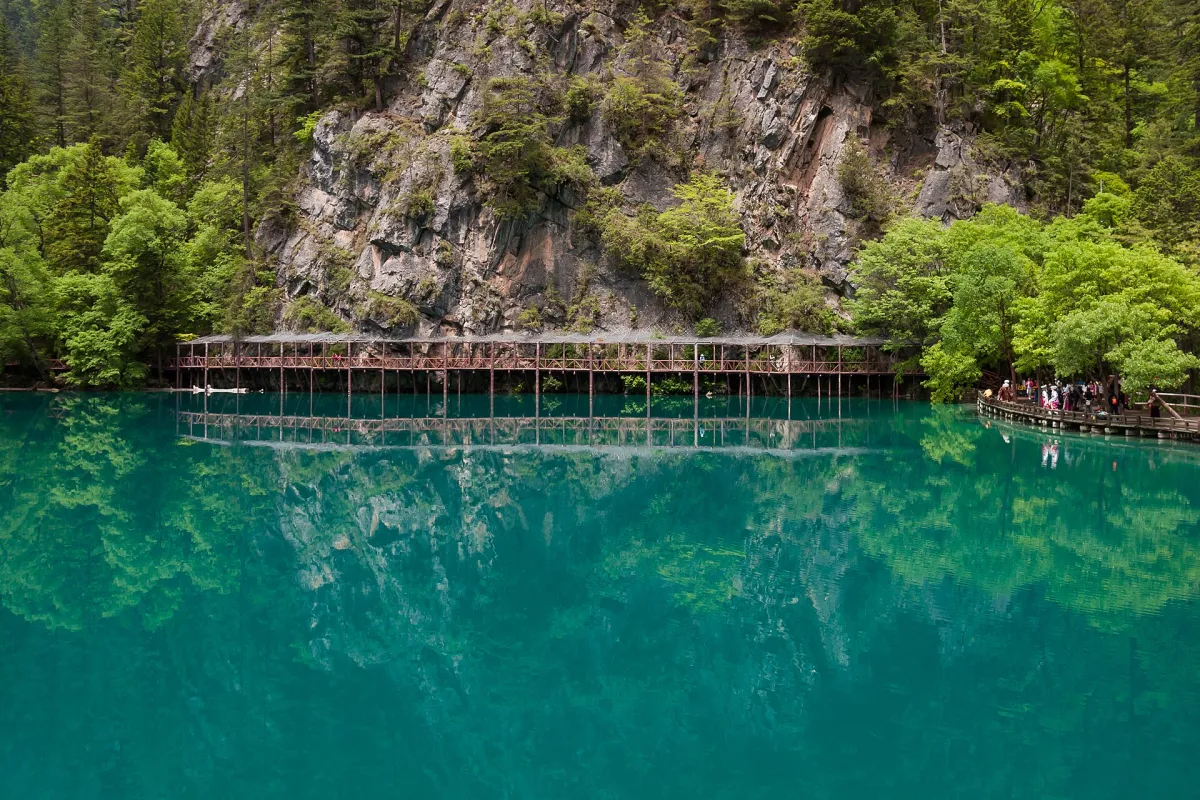

High-altitude travel requires preparation specific to the elevation and ascent pattern. Discuss the itinerary with a qualified professional where relevant, and do not assume that arriving by car or cable transport removes altitude risk. If unwell, stop the activity and obtain appropriate medical advice instead of pushing on to complete a viewpoint checklist.
For mountain walks, assess the whole route, including stairs, exposed sections, weather and the descent. Avoid isolated hiking alone and leave a clear plan with someone reliable. Managed transport can stop or change, so identify a safe return before committing to the furthest point.
At the coast, follow designated swimming areas, lifeguards and closure notices. A sheltered-looking bay does not establish safe water. Do not bypass a closure by walking to an unsupervised stretch. The Beaches guide and outdoor guide explain the destination-specific planning differences.
Transport and night returns
Use official taxi queues or a clearly identified booked service. Keep the vehicle and route details where practical and make sure the driver has the correct Chinese address. Avoid unmarked or unsolicited transport, particularly after a late arrival when fatigue makes checking harder.
For rail, match the passport and station to the confirmed booking and allow time for security and staffed document checks. Do not create tight separate-ticket connections merely because two scheduled times appear close. A missed connection can also affect accommodation and entry timing.
Driving requires appropriate Chinese authorisation and insurance. Do not assume a foreign licence or international driving permit is enough. For many classic routes, rail and an arranged last-mile transfer are simpler choices. The Getting Around guide explains how to compare the whole journey.
Make an emergency plan before you need it
Save the local emergency numbers, hotel address, insurer and consular contact outside a single phone. In mainland China, 110 is police, 119 fire and 120 medical emergency assistance; 122 is used for traffic accidents. Ask for nearby help if language or location makes the call difficult.
Give the exact place, what happened and the immediate need. For medical treatment, contact your insurer promptly without delaying urgent assistance. Keep receipts, reports and booking records for later follow-up, but do not turn documentation into an obstacle to getting help.
Use Useful Contacts for the distinction between emergency, immigration, transport and consular services. Review the plan with travelling companions and agree a meeting point if separated. A simple shared plan is more useful than a long contact list that nobody can find.
Health & Safety FAQs
Is China completely safe for tourists?
No destination can be described that way. Review current official advice for your nationality and route, prepare for ordinary travel risks and pay attention to legal and regional conditions.
Does taking a cable car remove altitude or walking risk?
No. Altitude, the remaining route, weather and stairs are separate issues. Assess the actual itinerary and seek individual medical advice when appropriate.
Who should I contact in a medical emergency?
In mainland China, call 120 for medical emergency assistance and ask nearby staff for help if needed. Contact your insurer promptly, while prioritising urgent care.