
ASIA · CHINA GUIDE
China Attractions & Heritage: Choose Sites by Region
China’s major heritage sites are separated by very different landscapes and transport decisions. A lakeside imperial garden, a walled merchant city and a Buddhist cave complex do not reward the same kind of day. Start with the history or setting you want to understand, then choose the regional base that gives it enough time.
The selection below adds eight distinct heritage choices to the main experience guide. Planning suggestions are editorial estimates of how to organise a visit, not operator timetables or claims of first-hand access. Current reservations, restoration closures and transport must be checked for your actual date.
Choose sites that fit the route
The Great Wall, Palace Museum, Terracotta Army and Suzhou gardens already have experience-planning coverage in Things to Do. Use those entries for the activity decisions, then use this guide to compare additional heritage stops that can change a route. Mountains and protected landscapes have a separate walking guide. This is a curated selection, not a national ranking or a checklist to finish on one holiday.
On smaller screens, swipe or scroll horizontally to read the full table.
| Base or extension | Sites to compare | What changes the plan |
|---|---|---|
| Beijing | Summer Palace; Temple of Heaven | Landscape walking versus ceremonial architecture; separate days or priorities |
| Shanxi and Henan extension | Pingyao; Longmen Grottoes at Luoyang | Different cities and station transfers; add nights to the route |
| Chengdu/Sichuan | Leshan Giant Buddha | Choose land or river viewing; Mount Emei needs separate time |
| Southern Anhui | Hongcun and Xidi | Village transport and a separate schedule from Huangshan summit walking |
| Fujian | A named tulou cluster | Rural road travel; confirm which buildings are included |
| Dunhuang extension | Mogao Caves | Long-distance approach and a confirmed cave-visit programme |
Beijing: imperial landscapes and ritual
Summer Palace, Beijing
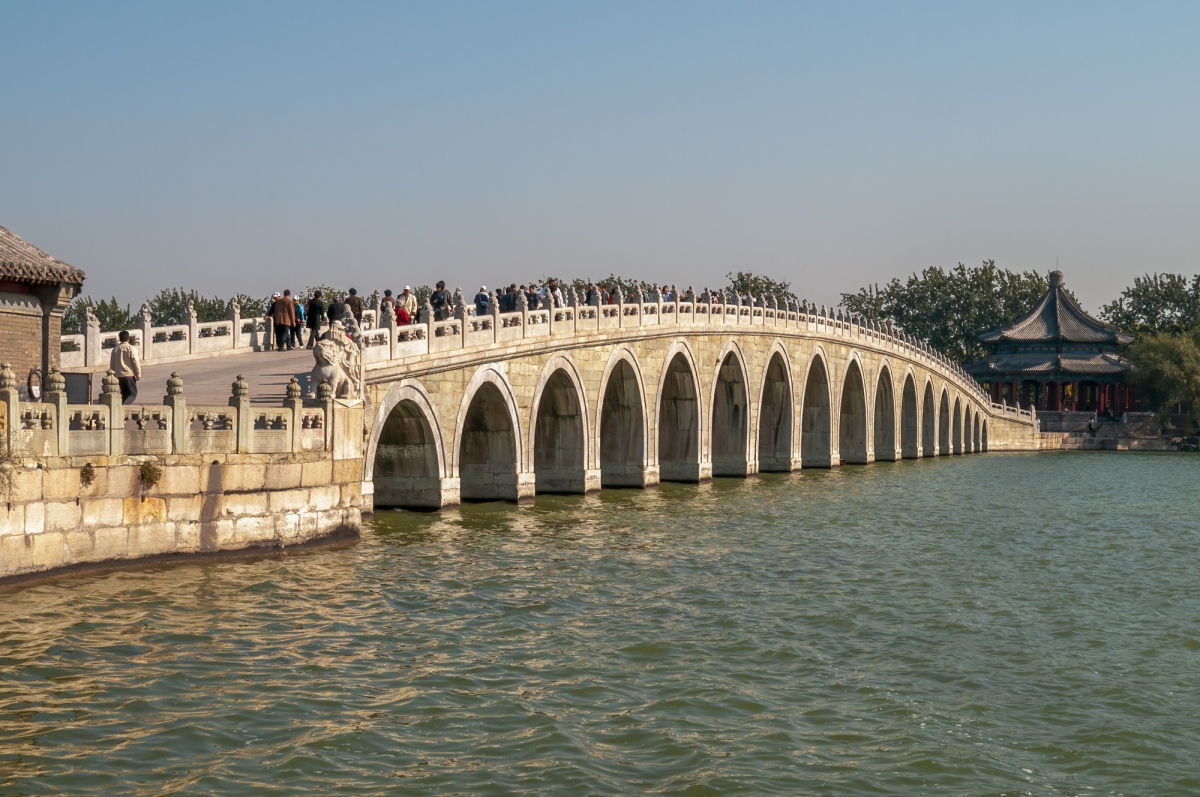
Choose the Summer Palace for a designed imperial landscape rather than another sequence of city courtyards. Kunming Lake, the Long Corridor and the slopes of Longevity Hill make the relationship between water, buildings and viewpoints the main interest. It is a different visit from the Palace Museum, with much more emphasis on moving through a large garden landscape.
Build the visit around the entrance and exit you actually intend to use. A lakeside route and a hill route have different walking demands, while boat operation is a separate seasonal decision. Save enough time to return from the far side of the grounds. This is a strong Beijing choice for a slower outdoor day; combine it with a nearby meal rather than forcing a distant central attraction into the remaining afternoon.
Heritage context: UNESCO’s Summer Palace property record. Inscription describes the heritage; it does not establish today’s ticket, access route or opening arrangements.
Temple of Heaven, Beijing
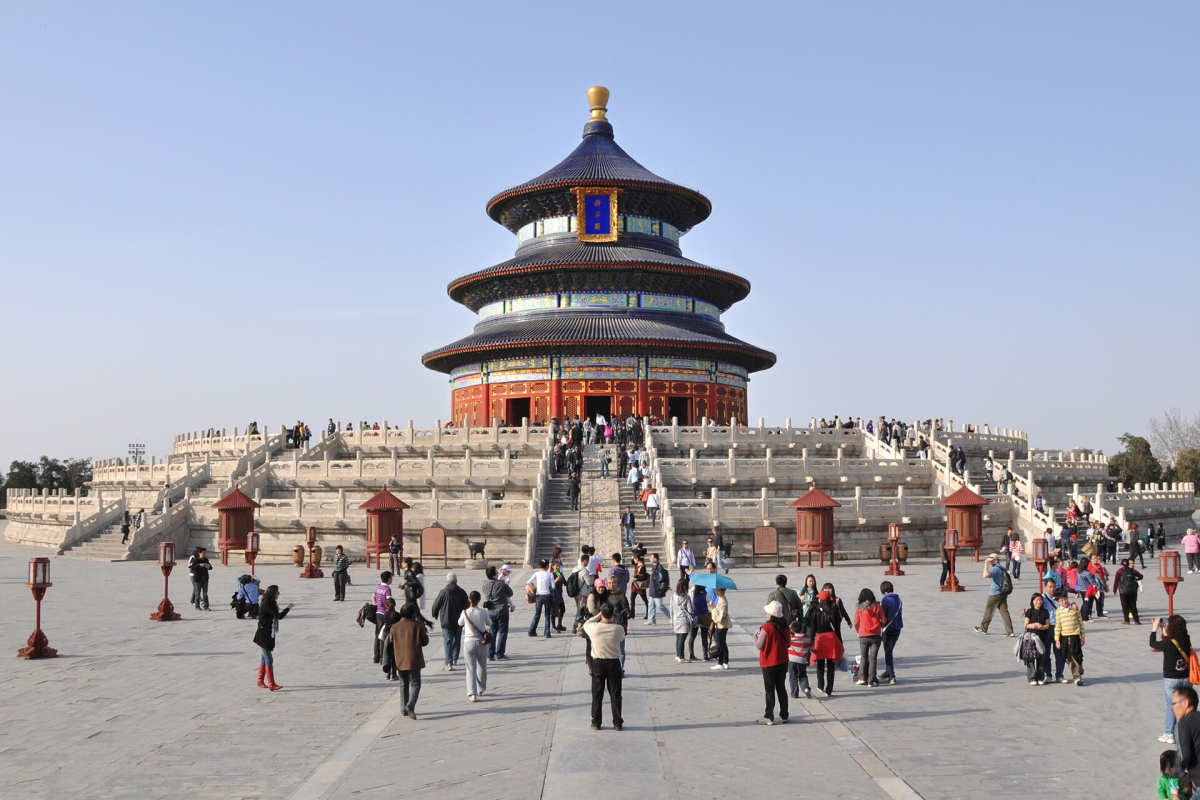
The Temple of Heaven explains imperial ritual through a ceremonial landscape: the Hall of Prayer for Good Harvests, the Imperial Vault and the Circular Mound belong to a larger spatial arrangement. Choose it if the design of the capital interests you, rather than treating the famous blue roof as a quick photograph on the way somewhere else.
The surrounding park and the principal ticketed monuments have different access hours. The operator’s visitor page lists the main three scenic spots from Tuesday through Sunday, with earlier closing than the park. Check holiday exceptions and the product you book. An early park walk does not guarantee an open hall. Tiantandongmen on Line 5 is a useful east-side approach; plan the internal walk and a chosen exit instead of returning automatically to the same gate.
Heritage context: UNESCO’s Temple of Heaven property record. Inscription describes the heritage; it does not establish today’s ticket, access route or opening arrangements.
Northern and western heritage extensions
Ancient City of Pingyao, Shanxi
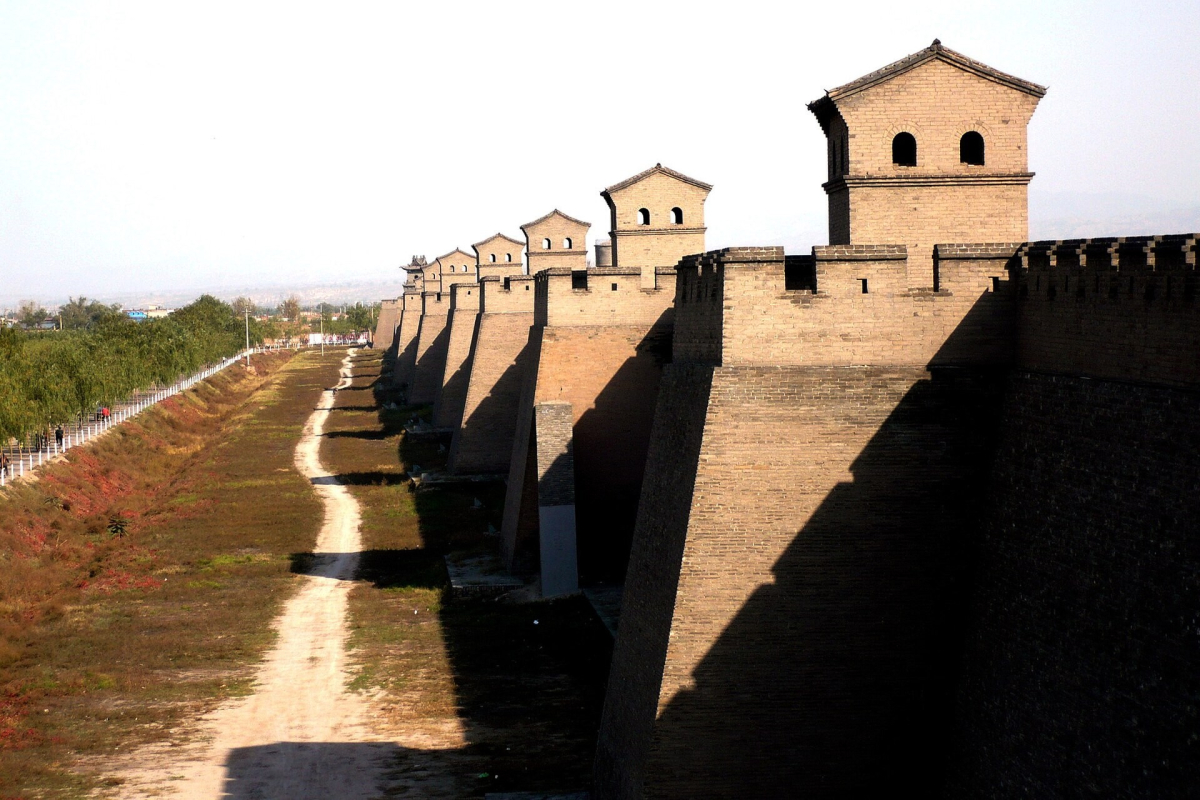
Pingyao is useful for travellers interested in an enclosed historic city and the institutions of merchant life. Its appeal lies in the relationship between lanes, courtyards, former businesses and the walls. A selected interior with time to understand it can be more rewarding than collecting entrances from a bundled sightseeing list.
Treat Pingyao as an overnight stop if you want time beyond the busiest excursion period; this is an editorial pace choice, not a promise of an empty town. Pingyao Gucheng high-speed station and the old city are separate locations. Confirm the transfer and the final approach to a courtyard stay, particularly with heavy luggage. Do not schedule a train so tightly that your final visit depends on every queue and taxi working immediately.
Heritage context: UNESCO’s Ancient City of Pingyao property record. Inscription describes the heritage; it does not establish today’s ticket, access route or opening arrangements.
Longmen Grottoes, Luoyang
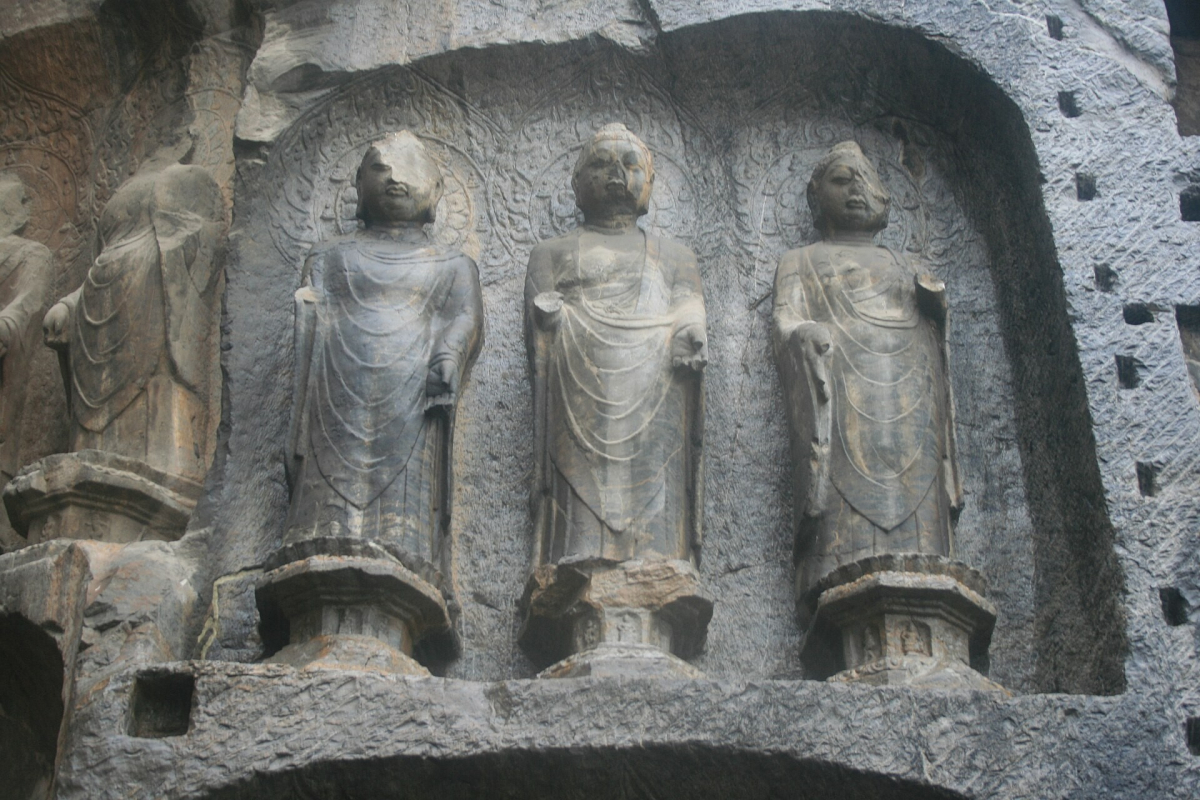
Longmen offers a river-valley sequence of Buddhist rock carvings, with the monumental Fengxian Temple figures providing a strong visual focus. It is a useful choice for travellers who want sculpture and religious history rather than another palace interior. Read the smaller carvings as part of the site’s long development instead of judging the visit only by the largest Buddha.
Luoyang is the practical city context. Luoyang Longmen railway station is not the grotto entrance despite the shared name; include a separate local transfer. Cliffs, stairs and distances between viewpoints affect effort. Select the section and approach that fit your mobility rather than assuming the entire riverside circuit is a level path. Keep a train departure later in the day conditional on a realistic return from the actual exit.
Heritage context: UNESCO’s Longmen Grottoes property record. Inscription describes the heritage; it does not establish today’s ticket, access route or opening arrangements.
Mogao Caves, Dunhuang
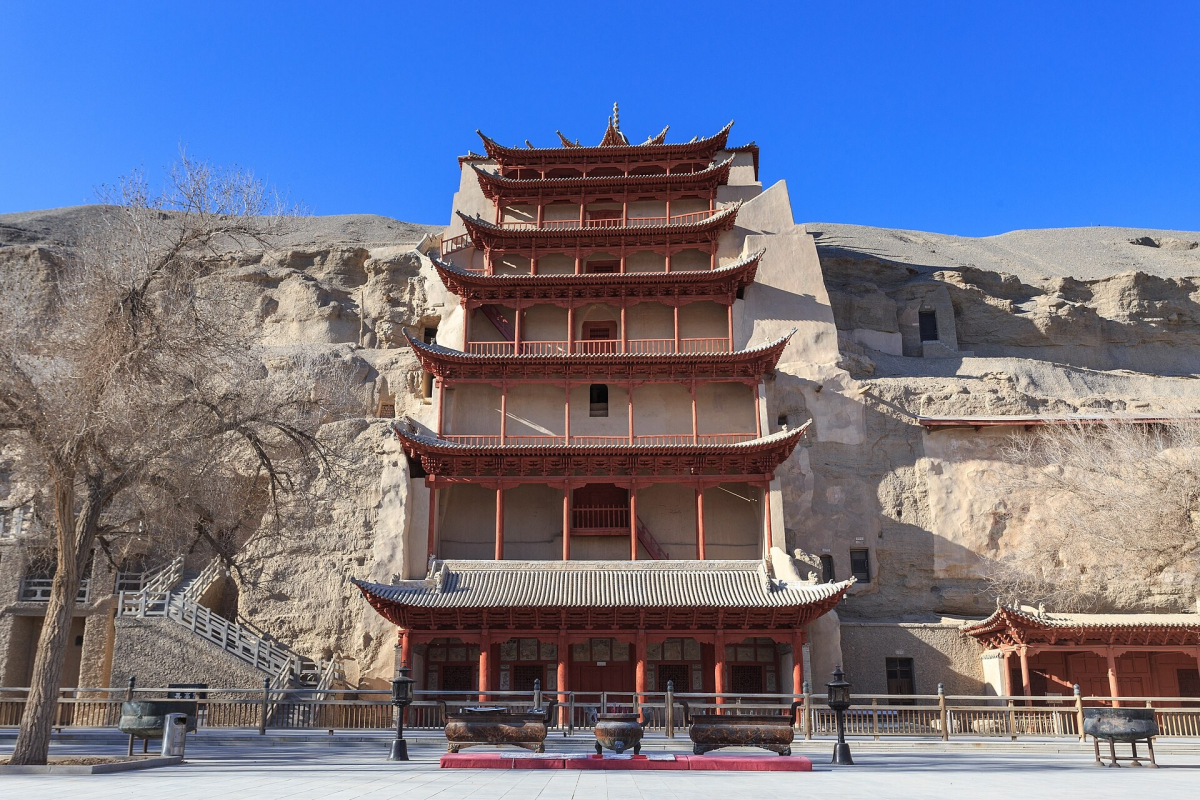
Mogao’s distinction is its painted Buddhist cave interiors and Silk Road context. The exterior photograph cannot show the experience that makes a visit valuable: learning to read the relationship between painting, sculpture and the cave setting. Choose Dunhuang as a deliberate western extension, with time for the cultural visit and the journeys it requires.
Ask the official visitor service or a qualified operator to confirm the current reservation channel, passport acceptance, language arrangements and the cave programme for your date. A photograph of one cave does not mean that interior is included in a standard visit. Do not promise a particular cave number or independent access. Keep the confirmed session clear of an arrival flight and follow conservation and photography instructions inside; a delayed connection should not consume your only possible visit window.
Heritage context: UNESCO’s Mogao Caves property record. Inscription describes the heritage; it does not establish today’s ticket, access route or opening arrangements.
Sichuan, Anhui and Fujian
Leshan Giant Buddha, Sichuan
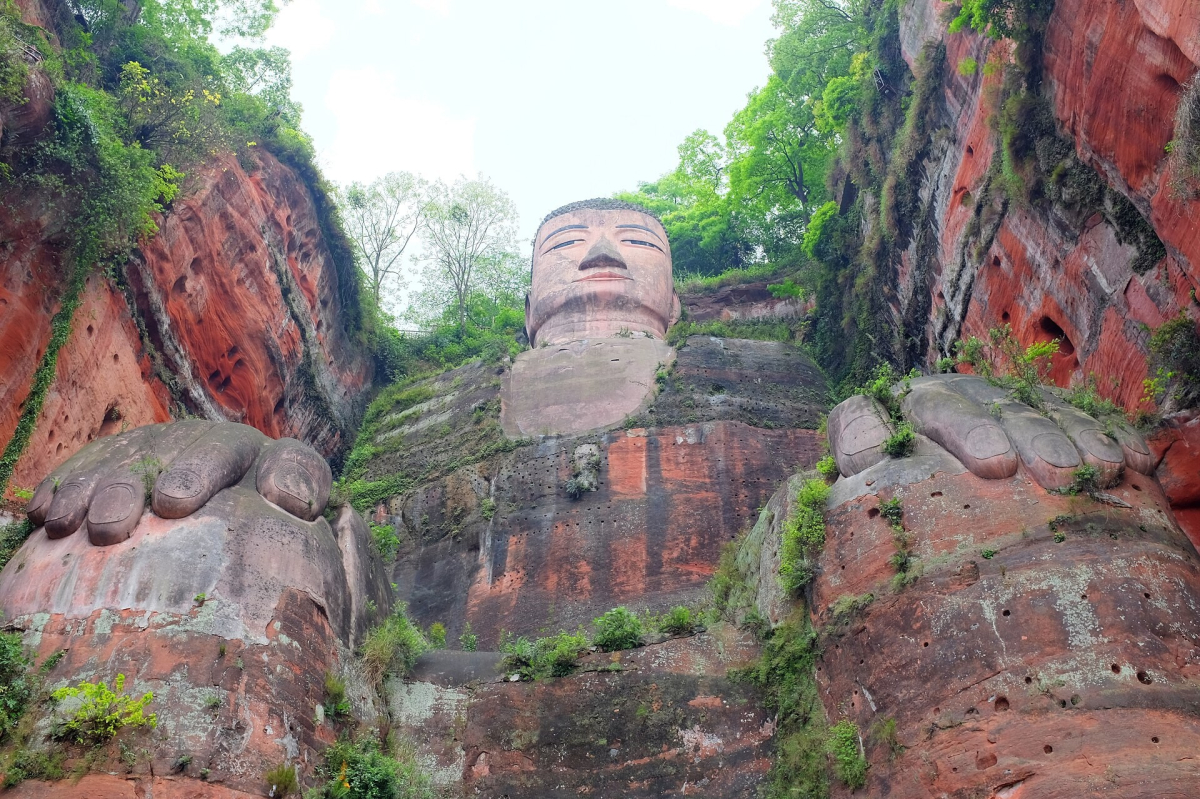
Leshan’s seated Buddha is carved into the cliff beside the river confluence, making scale and setting inseparable from the sculpture. It suits a Sichuan route with a Chengdu base, provided the day includes the journey from the railway station or road arrival point to the actual visitor entrance. Leshan city and the monument are not one interchangeable map pin.
Land access and a river viewing trip are different products. Steps and queues can make the close land route demanding; water conditions can affect boat operation and the view does not reproduce the ground-level visit. Confirm which option is operating and suitable before booking. Although the UNESCO property includes Mount Emei, that does not make both a comfortable single day. Choose one priority or add the nights needed for a separate mountain stay.
Heritage context: UNESCO’s Leshan Giant Buddha property record. Inscription describes the heritage; it does not establish today’s ticket, access route or opening arrangements.
Hongcun and Xidi, southern Anhui
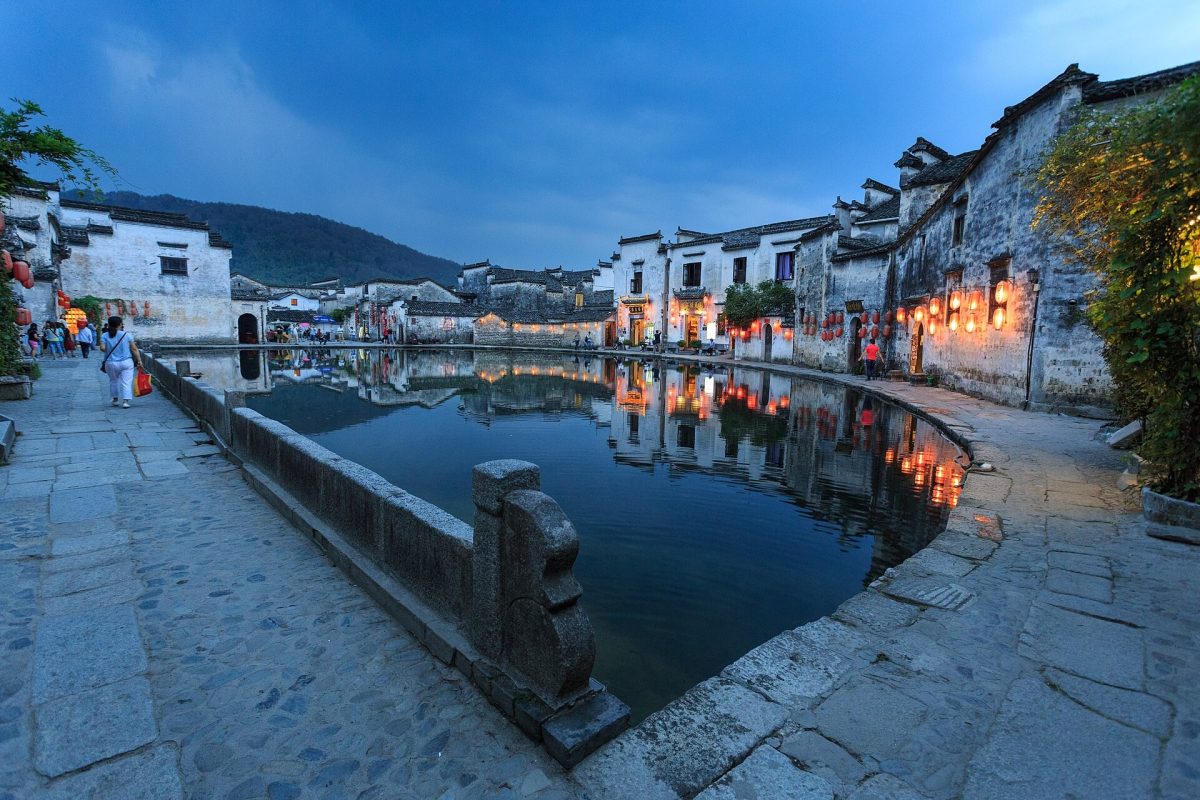
Hongcun and Xidi offer village-scale architecture, merchant houses and a water landscape rather than the mountain walking of nearby Huangshan. Hongcun’s Moon Pond is a recognisable scene, but the visit is more useful when you also observe lane layout and the relationship between houses and shared water spaces. Residents’ doorways and working areas are not public photography sets.
Huangshan North station, Huangshan city, the mountain gateways and the villages are different destinations. Name the village when arranging transport and confirm the return, especially if staying in a small guesthouse. Give village exploration its own time instead of placing it after a strenuous summit descent with an evening train. Xidi can be an alternative or an additional visit for architectural interest; it is not reached simply by continuing around Hongcun’s pond.
Heritage context: UNESCO’s Hongcun and Xidi property record. Inscription describes the heritage; it does not establish today’s ticket, access route or opening arrangements.
Fujian Tulou: choose a specific cluster
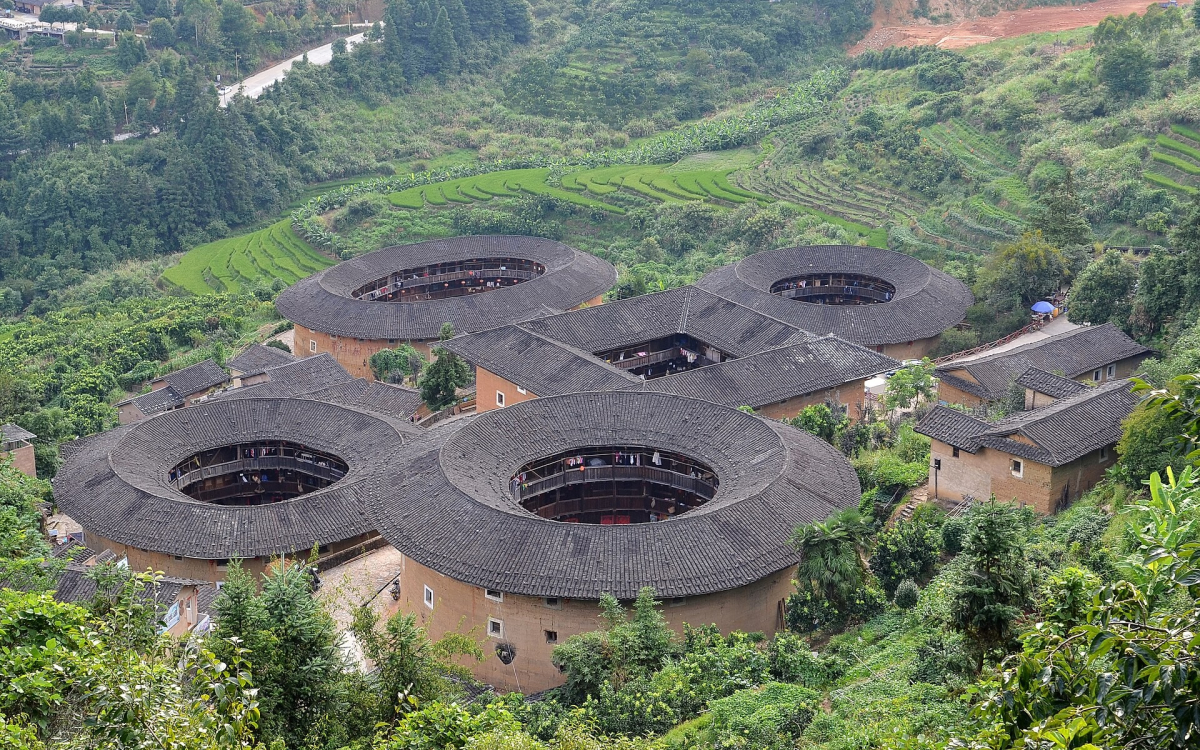
The Fujian tulou are communal earthen buildings spread across a rural landscape, with circular and other forms rather than one single attraction called “the tulou”. Tianluokeng is a recognisable cluster, while other groups offer different buildings and approaches. Choose a named cluster before comparing tours, accommodation or driving distances.
From Xiamen or another Fujian base, the last road section matters as much as the intercity leg. Ask a tour or driver to state the buildings, viewpoints, entry inclusions and total return arrangement. A distant overview and entry to a building are different experiences. Some buildings remain living places, so follow access limits and request permission for people and interiors. A rural overnight can suit a slower itinerary, but confirm the room, meal and onward transport rather than assuming city-hotel facilities.
Heritage context: UNESCO’s Fujian Tulou: choose a specific cluster property record. Inscription describes the heritage; it does not establish today’s ticket, access route or opening arrangements.
Turn a shortlist into a workable visit
Decide which admission is the reason for travelling before fixing non-refundable transport. Check the exact date, foreign-passport booking process, ticketed zone and current public entrance. Keep the original document requested by the operator. For a remote or session-based visit, obtain confirmation before treating the stop as a fixed part of the holiday.
Use the regions map to check geographic fit and the itineraries to keep transfer days honest. A fast train does not eliminate hotel checkout, station security, the local journey at the other end or the return from the attraction. For a first visit, a coherent Beijing–Xi’an–Shanghai route can be more satisfying than adding several distant sites without enough time to understand any of them.
Ask about the route for your own mobility needs: total walking, stairs, shuttle boarding, accessible toilets and the return from the exit. “Cable car available” or “boat option” is not a full accessibility description. Keep an indoor or lower-effort alternative for weather disruption, and allow a change of plan when conservation work closes part of a heritage site.
Top Attractions & Heritage FAQs
Should I visit every site in this guide on a first China trip?
No. Choose a connected regional route and a few sites that match your interests. Dunhuang, rural Fujian and southern Anhui are substantial additions rather than quick detours from every classic itinerary.
Does UNESCO status mean admission is available?
No. The heritage record establishes the property’s significance. Current opening, ticket products, passport booking and access are separate operator questions.
Can Leshan and Mount Emei be treated as one easy day?
Their shared heritage listing does not make them one compact visit. Choose a priority or allow a separate mountain stay and the necessary transfers.
Which sites need special attention to the arrival point?
Pingyao Gucheng and Luoyang Longmen are stations, not the historic-site entrances. For Hongcun, Xidi and the tulou, name the village or cluster and confirm the rural road transfer.



