
ASIA · CHINA GUIDE
Food & Drink in China: Regional Dishes & Ordering
Food in China changes with the region, the type of restaurant and the occasion. A northern dumpling meal, a Sichuan hotpot and a lower-Yangtze breakfast are different experiences. Choose a few local dishes in each base instead of treating the country as one national menu.
This guide combines what to eat with how to choose a place and order sensibly. Food photographs are illustrative servings, not promises of a particular restaurant’s current menu. For serious allergies or medical dietary needs, obtain individual professional advice and communicate the requirement clearly with the actual kitchen.
Choose dishes by region
On smaller screens, swipe or scroll horizontally to read the full table.
| Region | Possible starting dishes or style | Ordering question |
|---|---|---|
| Beijing and the north | Roast duck, wheat noodles and dumplings | Whole or partial portion; fillings and sauces |
| Xi’an and Shaanxi | Noodles, breads and local snacks | Meat, broth and spice ingredients |
| Sichuan and Chengdu | Hotpot and Sichuan dishes | Chilli, numbing pepper and broth choice |
| Shanghai and Jiangnan | Xiaolongbao and regional shared dishes | Filling, portion size and soup temperature |
| Guangzhou and Guangdong | Dim sum and Cantonese cooking | Ordering format and ingredient details |
| Yunnan | Regional vegetables, mushrooms and varied local dishes | Exact ingredient identification and preparation |
These examples help start a conversation, not define every kitchen in a province. Restaurants adapt dishes, use seasonal ingredients and serve mixed regional menus. If you want a particular local specialty, check that the actual branch offers it rather than relying on the chain name.
Leave ordinary meals in the itinerary. A simple breakfast near your hotel or a neighbourhood lunch can be more practical than crossing the city for every recommendation. Compare food, location and ordering support together, especially on arrival and transfer days.
Beijing: plan a roast-duck meal
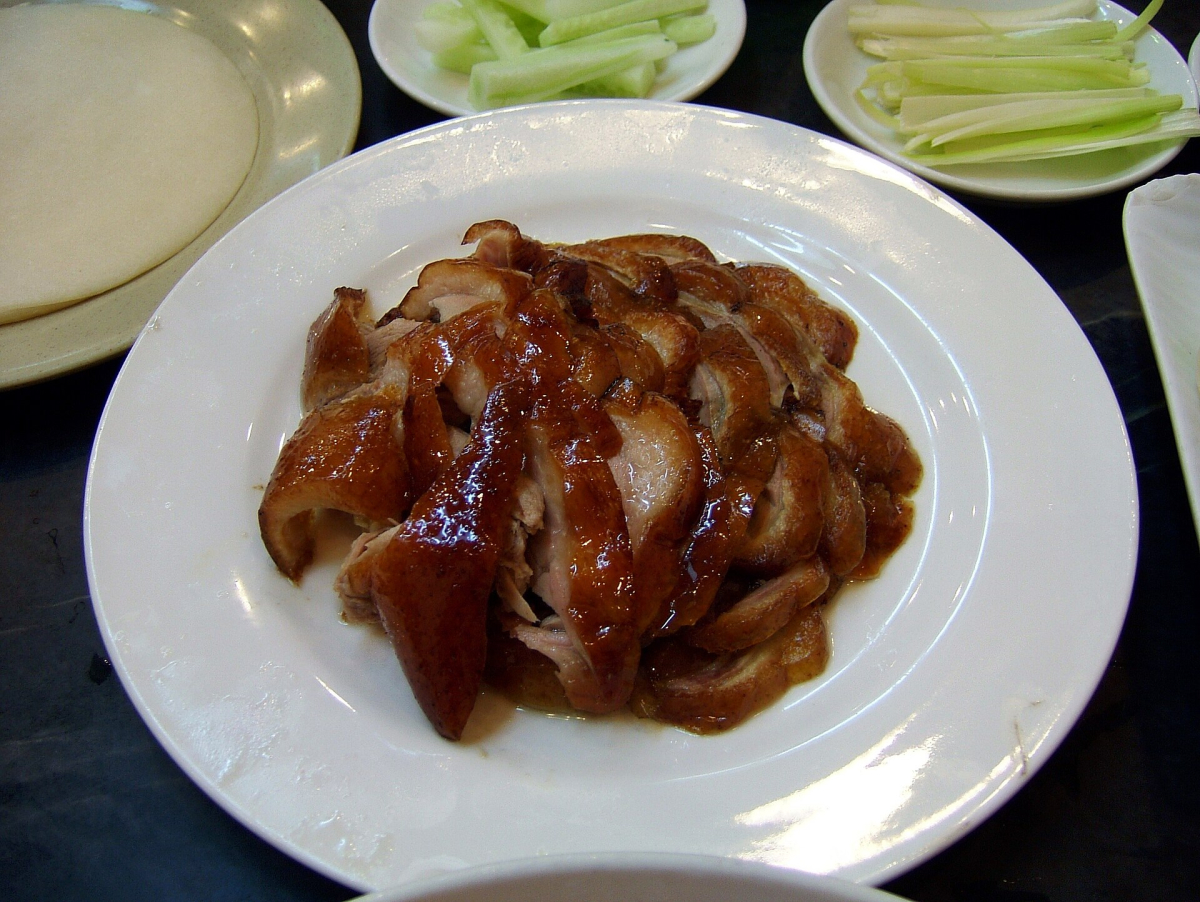
A roast-duck meal can be a useful shared experience in Beijing. Ask whether you are ordering a whole or partial duck, which accompaniments are included and whether additional dishes are needed for the group. The serving format and final bill can differ from a single plated meal at home.
Choose a branch that fits the day’s route and confirm booking or queue arrangements through its current channel. A famous name can have several locations with different surroundings. Do not assume that a central branch is next to the exit you will use after a museum visit.
Check sauces, pancakes and side dishes if ingredients matter. For a first shared meal, order gradually where the restaurant allows it instead of filling the table immediately. Keep the evening flexible after a demanding excursion; a successful dinner should not require another exhausting transfer.
Sichuan: hotpot, spice and shared cooking
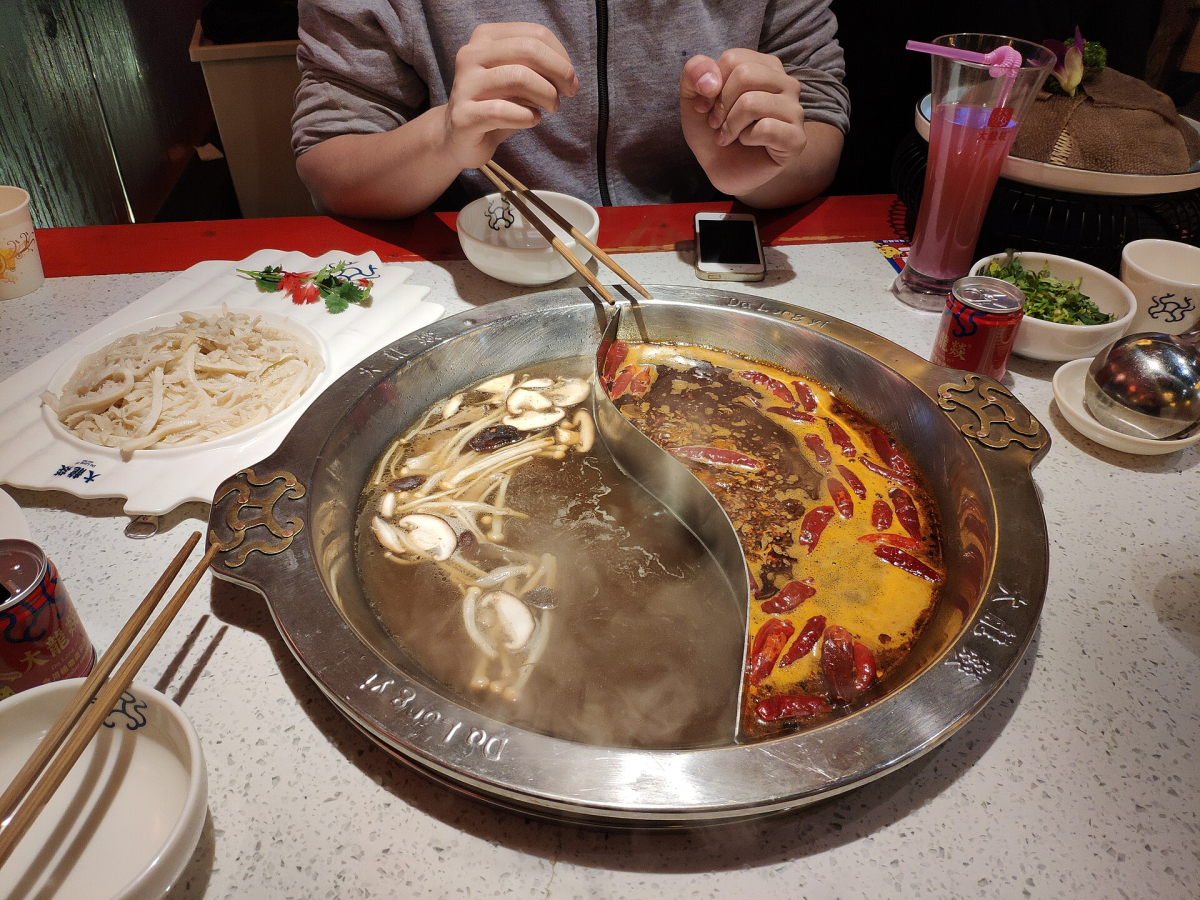
Hotpot is a social meal as well as a dish. Ask about the broth, spice level and how raw ingredients are selected and charged. A divided pot may offer different broths, but that does not establish that utensils, preparation or ingredients are separated for an allergy.
Sichuan pepper produces a numbing sensation distinct from chilli heat. Requesting less chilli may not remove it. If you prefer a gentler meal, ask for specific suitable dishes rather than assuming every Sichuan restaurant is equally hot or that a translated “mild” setting means no spice.
Use the restaurant’s instructions for cooking and handling ingredients. Keep raw and cooked food practices clear, and ask staff when uncertain. The Health & Safety guide covers broader travel preparation; a food guide cannot assess an individual medical condition or certify a kitchen’s handling procedures.
Shanghai and Jiangnan: dumplings and breakfast
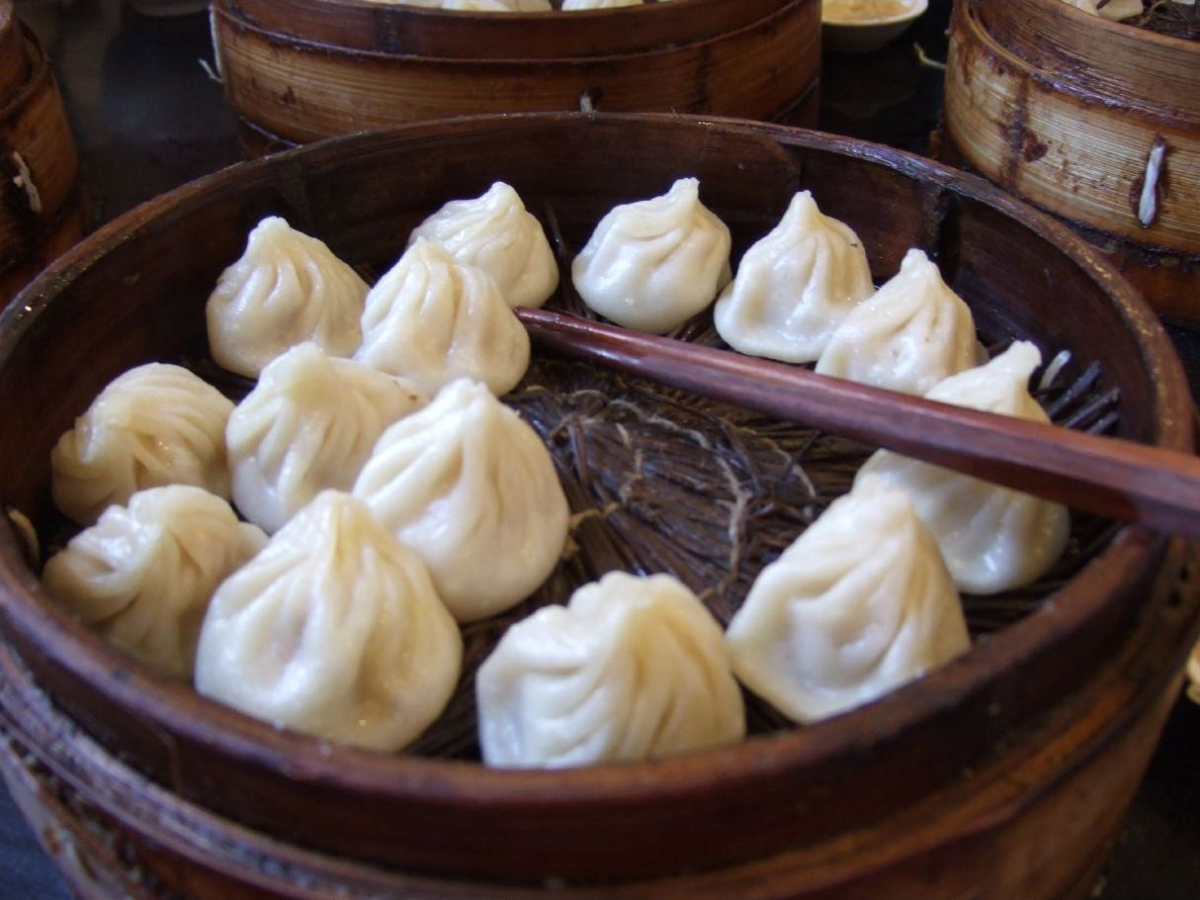
Xiaolongbao and other dumpling dishes can form a small meal or part of a larger order. Ask about the filling, portion size and whether soup is inside. Let hot food cool appropriately rather than copying a hurried demonstration. A similar-looking dumpling may contain a different meat or seafood filling.
For a recognisably local breakfast, start with Shanghai’s four traditional staples: dabing (baked flatbread), youtiao (fried dough), cifantuan (a sticky-rice parcel) and doujiang (soy milk). A rice parcel may wrap fried dough and savoury fillings; savoury soy milk may include dried shrimp. Ask about the actual ingredients before ordering. These are useful small breakfast choices near a hotel or morning walk, rather than a reason to travel across the city.
Another Shanghai option is congyou banmian: noodles dressed with scallion oil and soy sauce. The city’s April 2026 noodle guide names Huxi Laolongtang at Room 101, 685 Dingxi Road and Cang Lang Ting at 8 Sinan Road. Choose the branch near your route and check the current menu; dried shrimp can appear in this seemingly simple noodle dish. For soup dumplings, ask separately about pork, seafood fillings and portion size rather than assuming every steamer is identical.
Xi’an: wheat noodles, paomo and roujiamo
Xi’an’s city food guide highlights broad biangbiang noodles and oil-splashed noodles. Choose these for a wheat-based meal rather than expecting the rice-centred menu associated with some southern regions. Yangrou paomo combines pieces of bread with lamb soup; ask whether you tear the bread yourself and which broth is used. Roujiamo is a filled bread, but the filling is not identical at every stall.
The Muslim Quarter near the Drum Tower provides a specific food-walking area. Beef versions of roujiamo and beef or lamb paomo differ from pork-based versions found elsewhere. Choose the actual dish and establishment for religious or dietary requirements; the neighbourhood name alone is not certification. Pair a short food visit with the Drum Tower area rather than adding a second distant dinner reservation.
Guangzhou: make time for Cantonese dim sum
Dim sum works well as a shared meal where you order small portions gradually. At White Swan Hotel on Shamian, Hongtu Hall specifically offers handmade Cantonese dim sum; Jade River is a separate Cantonese restaurant. This is a concrete option for a Shamian-based morning or lunch, with a hotel dining setting rather than a street-food format. Check the current serving session, reservation arrangements and prices before travelling there. Ask about shrimp, pork, sauces and steamed or fried preparation dish by dish.
Tea and non-alcoholic drinks
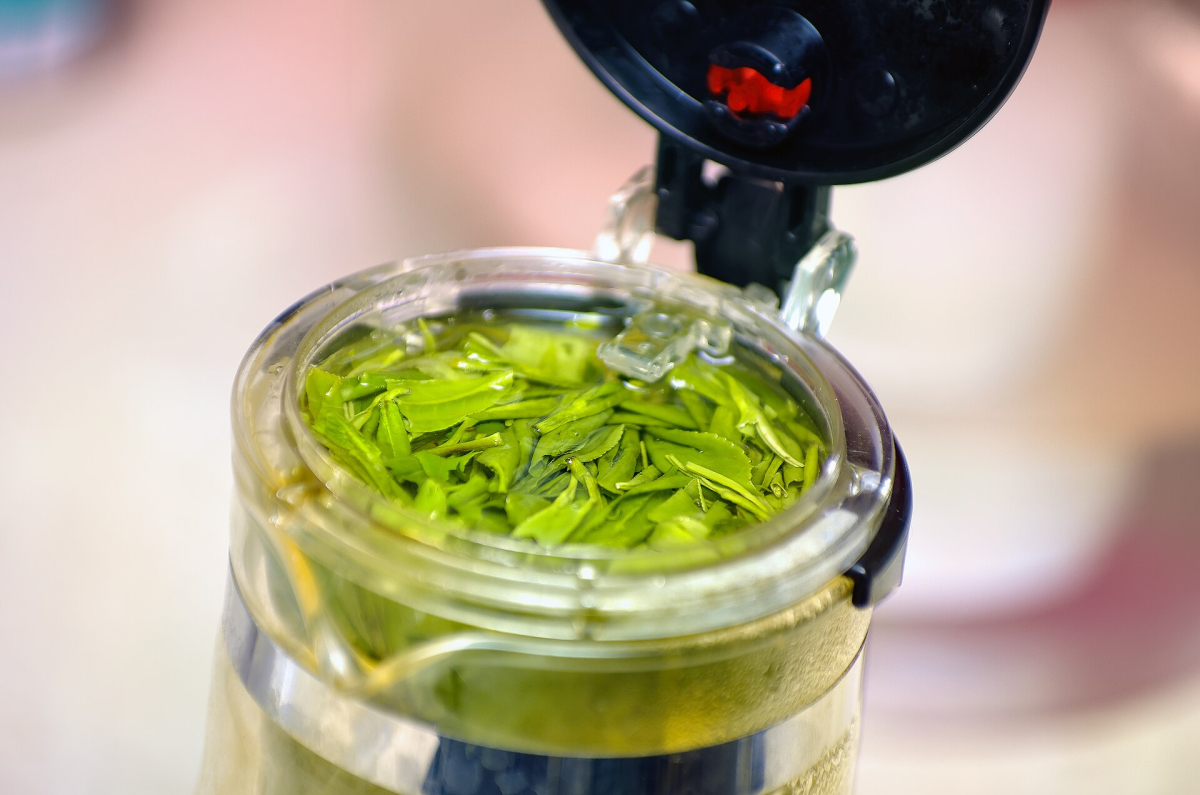
In Chengdu, Heming Teahouse in People’s Park gives the tea stop a specific urban setting. Plan it as part of a park and neighbourhood day, rather than as an evening stage show. Ask which tea the price covers and whether refills or snacks are separate. The appeal is time spent sitting and watching the park’s social life; a short tasting for souvenir sales and a leisurely teahouse visit are different experiences.
Tea names can refer to origin, style and processing, and a tourist label is not proof of quality or provenance. If buying tea as a gift, ask for the producer, ingredient information and packaging details. Start with an amount you can use rather than feeling obliged to buy after a tasting.
Be cautious about unsolicited invitations from strangers to a tea tasting, bar or private demonstration. Choose an established venue independently and check the price first. The aim is to enjoy a tea experience with clear terms, not to treat friendliness as evidence that a commercial invitation is safe.
Choose the eating setting
A neighbourhood restaurant can be convenient for an ordinary meal; a food market or food court may offer more choice but less support with complex questions. A hotel restaurant can simplify a late arrival or dietary discussion, while a specialist restaurant may be worth a reservation when the meal is a main purpose of the day.
Look at the actual menu, ordering method and payment options before sitting down. A QR-code menu may require an account or language support; ask whether a staff-assisted or paper option is available. Keep an independent way to pay in case your phone or linked card fails.
For a group, agree whether dishes will be shared and how the bill will be split. Do not assume a venue can divide a payment in the same way as restaurants at home. Confirm a private-room minimum spend, deposit or cancellation rule before making a reservation that depends on it.
Dietary needs and ingredient communication
Vegetarian-looking food can contain meat broth, lard, dried seafood or sauces made with animal ingredients. Explain what must be excluded rather than relying on a single translated label. A Buddhist or vegetarian restaurant may be useful, but the actual kitchen still needs to understand your requirements.
For allergies, carry a clear written explanation in Chinese and discuss cross-contact, sauces and cooking equipment. Translation software helps with simple questions but cannot certify safety. If staff cannot confirm a requirement, choose another meal rather than treating uncertainty as reassurance.
Religious dietary requirements also need specific confirmation. A regional dish name or the appearance of a neighbourhood does not establish certification or handling. Ask the relevant establishment directly and use trusted current information. Avoid publishing or relying on blanket guarantees for an entire city’s food.
Build food into the day
Place meals near the experiences they support. After the Palace Museum, use a practical nearby option rather than a distant reservation; after a long train, keep the first dinner simple. A food-led evening deserves enough time to enjoy the setting and return without rushing.
For a cooking class or food walk, confirm the meeting point, language, group size and dietary handling before booking. A market visit, class and dinner can be separate components, and transport may not be included. The Things to Do guide explains how to compare those formats.
Keep receipts for significant bookings and avoid relying on an old photograph for prices or current dishes. The money guide helps separate an ordinary meal allowance from special experiences, while Nightlife covers performances and later evenings.
Food & Drink FAQs
Is all food in Sichuan very spicy?
No. Menus vary, but chilli and Sichuan pepper are different ingredients. Ask about the specific dish and explain what you want reduced or excluded.
Can I order vegetarian food by choosing vegetables?
Do not assume that is sufficient. Broth, sauces and cooking fat can contain animal ingredients. Explain the exact requirement and confirm with the kitchen.
Are the photographs dishes from recommended local restaurants?
They are illustrative servings with source credits. They do not establish a particular branch’s menu, current portion, ingredient handling or price.



