
ASIA · CHINA GUIDE
Best Time to Visit China: Seasons by Region
The best time to visit China depends on the route. A comfortable week for Beijing’s outdoor monuments may be too cold for a northern beach, while a warm Hainan break can coincide with winter conditions elsewhere. Altitude, rainfall, haze, typhoons and public holidays matter as much as average temperature.
Use this guide to narrow the season, then check destination forecasts and operating notices shortly before travel. Seasonal descriptions are planning tendencies, not weather guarantees. A mountain viewpoint, swimming area or ferry can be unavailable even during its usual travel season. Reserve flexible alternatives where the main experience depends on visibility or safe outdoor conditions.
Match the season to the region
On smaller screens, swipe or scroll horizontally to read the full table.
| Region | Useful starting seasons | Main limitation |
|---|---|---|
| Beijing and Xi’an | Spring and autumn | Wind, dust or cold snaps; hot summer days |
| Shanghai and lower Yangtze | Spring and autumn | Humidity, rainy periods and summer heat |
| Chengdu and Sichuan Basin | Spring and autumn | Cloud and damp conditions; mountains differ |
| Guilin and Yangshuo | Choose around rain and heat tolerance | River conditions and visibility vary |
| Yunnan plateau towns | Often attractive in spring and autumn | Altitude and large day–night changes |
| Hainan coast | Often considered for the cooler part of the year | Typhoons, currents and local beach closures |
These are broad starting points for itinerary design. If your interests centre on indoor museums and food, you can work around less comfortable outdoor weather more easily than someone planning dawn landscapes or long stair routes. A trip with several regions should be judged against its most demanding outdoor day.
Look at the forecast for the actual place you will visit, including a mountain summit or coastal bay where available. A city forecast is not a reliable proxy for a higher trail. Ask the operator which access sections can close and whether your ticket conditions allow changes.
Spring: gardens, flowers and variable conditions
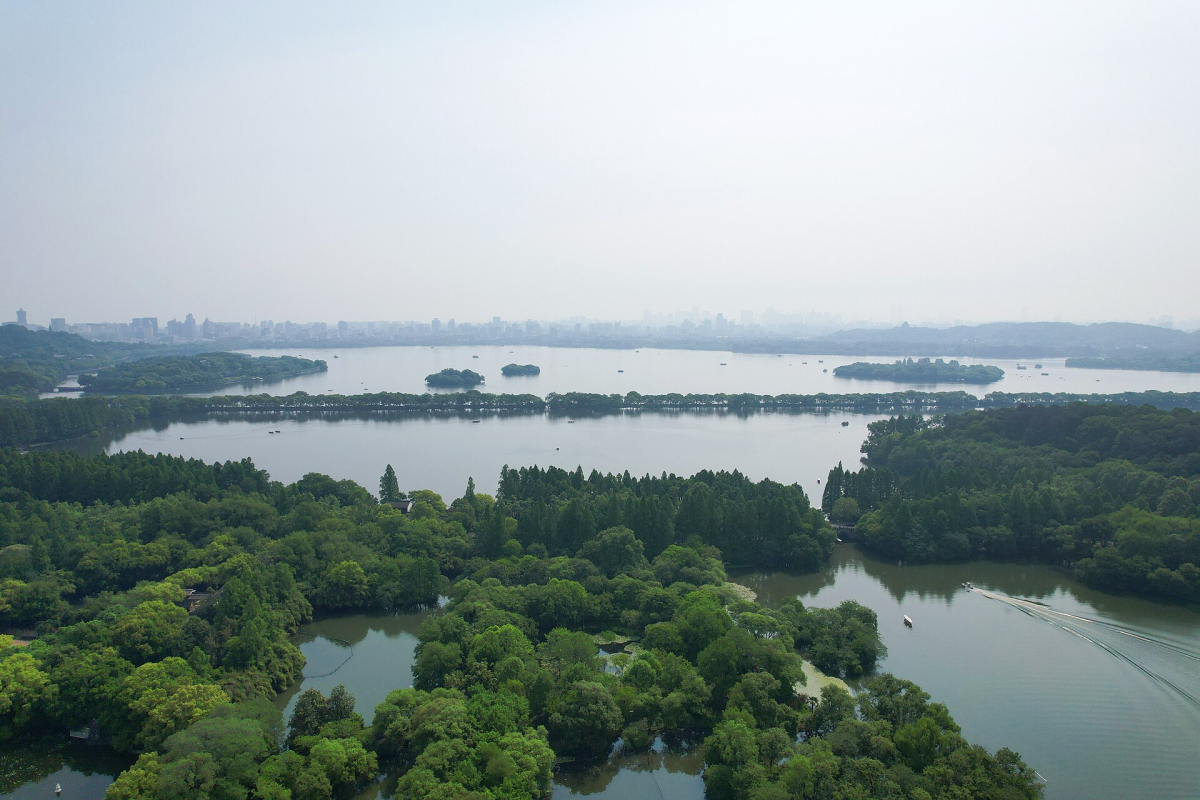
Spring can be rewarding for gardens, parks and city walking. In Beijing and Xi’an, conditions generally become easier for extended outdoor visits after winter, but an early spring departure still needs layers. Wind, dust and abrupt temperature changes can affect exposed sites and photography.
Shanghai’s official climate overview describes March to May as spring, with changeable conditions and drizzle. That gives a more useful planning window for a Shanghai–Suzhou–Hangzhou garden trip than “spring is good” alone. Keep the garden outing flexible and an indoor cultural day available. Blossom timing varies by species, garden and year; a March or April booking does not guarantee a particular display on the day you arrive.
The Qingming and Labour Day holiday periods can concentrate travel demand. If flowers or a named seasonal event matter, confirm its actual programme and access arrangements for your year. A photograph taken in one spring does not establish the conditions or crowd level for the next.
Summer: heat, rain and northern beaches
For Shanghai, separate two wet-weather patterns: the city’s climate overview places the plum-rain period around mid-June to early July and the more typhoon-prone period around late August to mid-September. Summer also brings heat and humidity. These are climate patterns, not a forecast or a closure calendar. On a lower-Yangtze route, allow an indoor day and avoid attaching a weather-sensitive river or garden excursion to the final international departure.
Rain affects more than whether you need an umbrella. In mountain and river areas it can alter access, water levels and visibility. The fact that an attraction sells tickets does not mean every trail or viewpoint will be suitable for your group. Read local notices and be willing to replace an exposed route.
Northern seaside destinations such as Qingdao and Beidaihe have a stronger summer holiday identity than winter beach appeal. They still need current water-quality, weather and swimming-area checks. Hainan remains tropical, but heat and storm risk can complicate a beach holiday. An attractive resort pool is not evidence that the sea is safe that day.
Autumn: comfortable routes and holiday pressure

For Beijing’s outdoor landmarks, the city tourism climate guidance identifies May, September and October as useful months. September or October can therefore suit a Great Wall and imperial-city route better than the hottest summer period, while still requiring current forecasts. For Shanghai and the lower Yangtze, autumn extends through September to November; early autumn can still overlap with typhoon weather. Compare the actual regions instead of selecting one “best China month” for every stop.
Early October’s National Day holiday is a major planning constraint. The official Beijing public-holiday calendar records the mainland 2026 holiday periods and adjusted working days. The 2026 Mid-Autumn and National Day holidays are already past at this guide’s October review; their dates should not be presented as future events. Check the published calendar for the year you will travel.
Autumn foliage in mountain areas is variable and can overlap with cold, cloud or rain. If a particular colour display is central to your trip, allow several days in the region and judge access separately from photographic appeal. Do not put a non-refundable long-distance departure immediately after your only weather-dependent mountain day.
Winter: northern cold and southern alternatives
Northern winter travel can provide quieter-looking landscapes and distinctive seasonal events, but it needs serious clothing and shorter outdoor sessions. Great Wall steps can be affected by ice and wind. Harbin’s ice and snow attractions require an event-specific plan, appropriate equipment and confirmation of the current season’s opening status.
Beijing and Xi’an remain cultural destinations in winter when you balance outdoor landmarks with indoor visits. Museum reservations and holiday closures still matter. Warm clothing should support the actual time outdoors, including queues and transfers, rather than just the scheduled sightseeing period.
Hainan offers a different option for travellers wanting warmth, but choose the bay and accommodation carefully. Sea conditions, currents and temporary swimming restrictions remain relevant throughout the year. In Yunnan, a sunny afternoon can coexist with cold mornings or a much colder higher-altitude extension. Southern latitude alone does not guarantee a warm night.
Plan around public holidays and events
Spring Festival affects the journey before and after the official days off, as people travel to see family. Rail demand and opening patterns can change, and smaller restaurants may close while major visitor sites remain busy. Book critical transport when official sales open and keep meals and transfers practical.
Labour Day and National Day can also bring heavy domestic tourism. A hotel outside the main attraction district is not automatically a calm alternative if its transport corridor is congested. Decide whether you want to experience the holiday atmosphere or travel outside the peak period, then build the route accordingly.
The Festivals & Events guide separates recurring traditions from confirmed programmes. A public holiday is not proof of a particular parade, performance or lantern display. For an event-led journey, verify the venue and date first, reserve the necessary nights and leave a workable route home after the programme finishes.
Make the itinerary resilient
Assign your most weather-sensitive activity early enough in each stay that you can move it if needed. Keep an indoor option that fits the same district, and check whether its booking can actually be changed. Moving a garden walk is easy; moving a scarce timed museum reservation may not be.
For families and travellers with limited stamina, plan shorter outdoor blocks and a convenient return to the hotel. A cable car does not remove every stair, queue or exposed section at a mountain destination. Check the full route and have a lower-effort alternative before buying a combined transport ticket.
Review current alerts shortly before each regional move, especially for coast, river and mountain travel. Follow operator closures rather than trying to reproduce a photograph taken in better conditions. The Health & Safety guide and Walking & National Parks guide provide the related preparation decisions.
Best Time to Visit FAQs
Is October always the best month for China?
No. Early October can be very busy, and regional weather still differs. Choose the route and compare its actual climate and holiday dates rather than using one national recommendation.
Can I swim in Hainan in winter?
A warm-weather visit is possible, but safe sea access depends on the specific bay, current conditions and designated swimming areas. A seasonal description cannot establish that swimming is allowed on your date.
Should I cancel a river trip because rain is forecast?
Ask the operator about current conditions and the actual activity. Light rain, low visibility, high water and a closure are different situations; keep an alternative rather than making the decision from a generic city forecast.


