
ASIA · CHINA GUIDE
Getting Around China & Airport Transfers
Treat transport in China as three separate tasks: arriving at the correct gateway, moving between regions and reaching the exact hotel or attraction. High-speed rail can be efficient, but a station may sit far from the historic centre. An airport rail ride also ends at a particular station, not automatically at your accommodation.
Use current operator information for the date and route you will travel. Times, service patterns and fares can change; the comparisons here explain how to choose rather than promising a timetable. Keep the original passport used for your booking accessible and save Chinese addresses before departure.
Airports & Transfers: choose the correct gateway
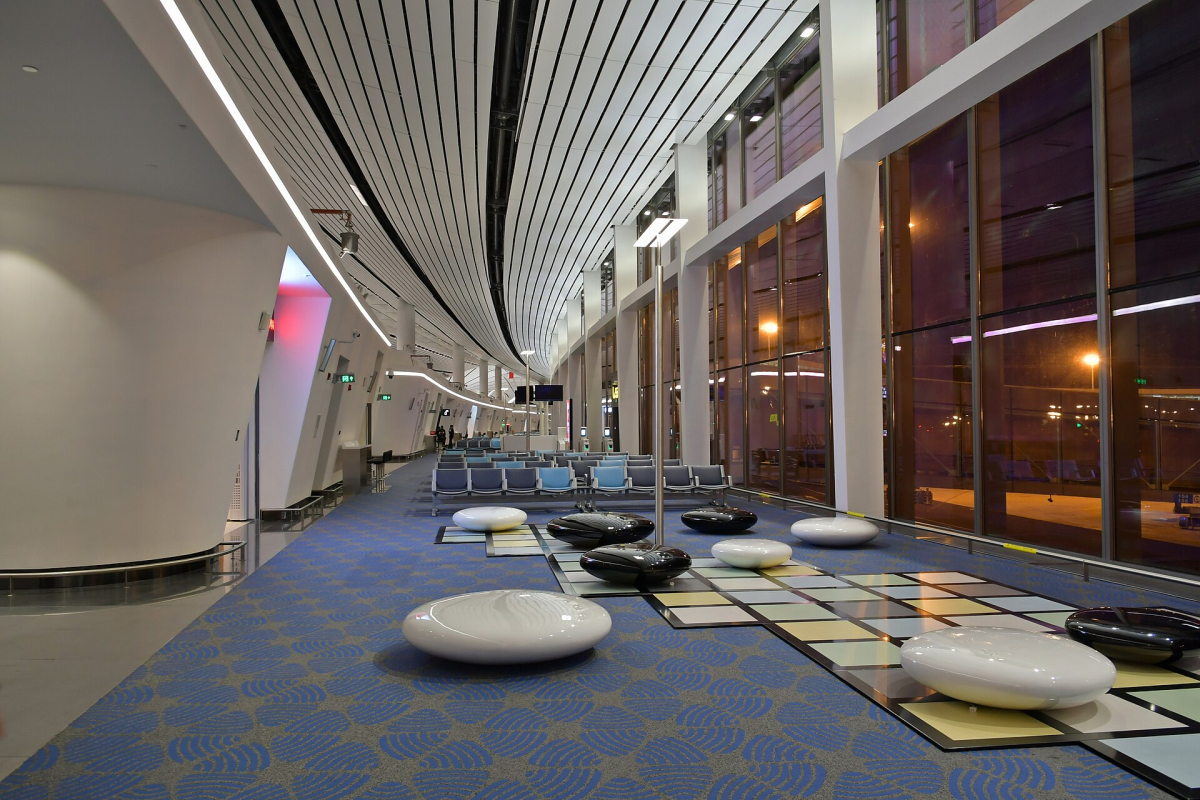
Beijing Capital (PEK) and Beijing Daxing (PKX) serve different sides of the metropolitan area. Check the airport code on every ticket and confirm which terminal your airline uses. An airport change is a substantial transfer that may require entry formalities and baggage collection; it is not the same as an airside connection.
Shanghai Pudong (PVG) and Hongqiao (SHA) are also separate airports. Hongqiao’s rail hub can be useful for onward journeys, while Pudong handles many international arrivals. Shanghai’s Airport Link Line provides a rail connection between the airport areas, but the advertised train ride is only one part of a flight-to-flight transfer. Include walking, waiting, baggage, immigration and the second check-in.
For Chengdu, distinguish Tianfu (TFU) from Shuangliu (CTU). For Xi’an, allow for the journey between Xianyang airport and the city. For Guilin or Sanya, check whether your final accommodation is in the airport’s city or a separate resort or rural area. A destination name on an airline search does not establish the door-to-door journey.
On smaller screens, swipe or scroll horizontally to read the full table.
| Mode | Useful when | Confirm before arrival |
|---|---|---|
| Airport rail or metro | You arrive during service and can manage luggage | Last train, interchange, exit and final walk |
| Official taxi | A direct hotel drop-off is useful | Queue location, payment and Chinese address |
| Prearranged transfer | Late arrival, group luggage or support needs | Named terminal, meeting point, waiting and vehicle capacity |
| Airport-area overnight | Connection or departure timing is difficult | Exact airport, shuttle and check-in conditions |
For a prearranged pickup, keep the operator’s meeting instructions and contact channel offline. Confirm how a delayed flight is handled, whether child seats can be supplied and what vehicle size fits the group. A private transfer listing does not establish that someone will meet you inside a restricted terminal area.
Use official queues and clearly identified services. At a late arrival, the last train may depart before you complete formalities even if the scheduled landing is earlier. Check a workable backup before flying, particularly when travelling with children or mobility equipment.
High-speed rail and passport bookings
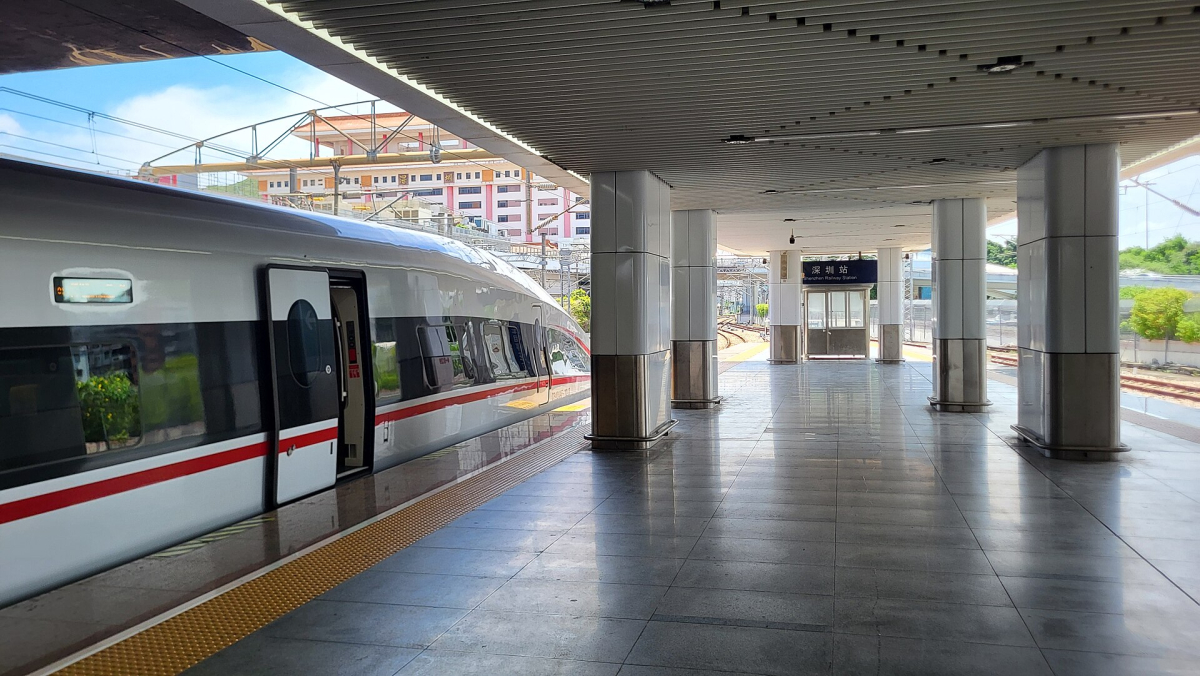
China Railway 12306 is the official starting point for intercity rail. Its English registration route accepts foreign passports. Enter document details according to the platform’s instructions and resolve verification issues before a critical ticket sale. Do not invent a shortened name or use another person’s document to make a form accept the booking.
Search the full station name. Beijing South, Beijing West and other stations serve different journeys; Shanghai Hongqiao is not interchangeable with Shanghai Railway Station. Xi’an North is distinct from the older central station. Check the departure and arrival stations before paying, then plan their local transfers.
Keep the confirmed booking and original passport ready at the station. Foreign documents may need a staffed check rather than the gate used by local identity-card holders. Arrive with enough time for security, orientation and queues. A screenshot of an order is useful backup, but it does not replace a valid ticket and the required document.
Choose the train for your day
Compare departure time, total journey, seat or berth category and the two station approaches. The fastest scheduled train may be less practical than a slightly later service if it requires an early cross-city taxi. A very late arrival can also create a difficult hotel check-in or last-mile journey.
For longer distances, compare rail with a flight on the complete door-to-door journey. Include airport access, check-in and baggage rather than comparing only time in the air with time on the train. Overnight rail can be useful for some travellers, but shared space, sleep quality and morning arrival arrangements deserve thought.
Book popular holiday journeys when the official sales window permits. If the preferred train is unavailable, consider another time or a simpler itinerary. A waitlist is not a confirmed seat, and separate tickets do not automatically provide a protected connection. Keep flexible accommodation terms where the transport decision remains unresolved.
Metro, buses and city journeys
Large-city metro systems are often useful for classic sightseeing, but the correct exit can matter as much as the station. Save the exit and final walking route supplied by your hotel. A map showing a station beside an attraction may conceal a large road, security entrance or long internal approach.
Payment methods vary by city and traveller setup. Do not assume one city’s transport code, stored-value product or overseas-card configuration works everywhere else. Ask the operator or station staff about a usable ticket option if your phone payment fails. Keep the journey possible without relying on one application.
Buses can solve local journeys but may require more attention to stop names, direction and payment. For a short stay, a metro plus an official taxi for the final segment can be more manageable than a complex sequence of unfamiliar buses. Avoid crossing several districts just to save a small fare difference when it compromises a fixed booking.
Last-mile journeys and scenic areas
A railway station named after a scenic destination is usually a gateway, not a visitor entrance. Yangshuo station, mountain rail gateways and rural village stops all require a separate check of the road approach. Confirm the pickup point, travel conditions and return before booking a hotel that looks close on a national map.
Scenic areas may use their own shuttle buses, cable systems or separate entrance sectors. An outside taxi may not be able to deliver you to the viewpoint shown in a photograph. Read the actual route and ticket inclusions, especially when combining several transport elements in one day.
For rural outings, obtain a return arrangement you understand. Phone coverage, weather, road closures and local traffic can affect a plan that seems simple in daylight. If the day depends on a single last bus, reduce the route and leave a margin. A guided excursion can be useful where it provides clear transport and local interpretation, but check the precise end point.
Accessibility and luggage
Ask about the entire journey: station entrance, lift access, platform, vehicle boarding, toilet, hotel approach and attraction route. A modern train or a lift symbol at one station does not establish that every interchange is step-free. Confirm assistance through the relevant operator before making a tight connection.
Historic districts and scenic sites can include thresholds, stairs, uneven paving and steep routes. Choose a hotel with a practical vehicle approach if carrying mobility equipment or large luggage. A picturesque pedestrian lane may add a difficult final walk, especially after dark or in rain.
Families should compare child-ticket and document rules for the specific operator, and confirm seating and baggage arrangements before departure. Pack essentials so they remain accessible during a long station wait. The best connection is one your group can complete comfortably, not merely one a journey planner can display.
Driving and rental decisions
Do not assume that a foreign driving licence or international driving permit authorises mainland driving. Appropriate Chinese driving permission and insurance are required; check the current process with the responsible authority and rental company before arranging a vehicle. Mainland China and Hong Kong have different practical systems.
For a first classic city trip, rail, metro and a clearly arranged excursion transfer usually remove the need to manage parking, unfamiliar road rules and rental formalities. A car becomes relevant only when it solves a real regional itinerary problem and the driver’s authorisation is established.
If you use a hired vehicle with a driver, confirm the route, hours, waiting, tolls, parking and return point in writing. A sightseeing guide and a driver are different services. Never infer an included guide, child seat or attraction ticket from a vehicle photograph. See Health & Safety for the related road and emergency considerations.
Getting Around FAQs
Can I use the same station for every Beijing train?
No. Beijing has several major stations. Use the exact departure station printed on the confirmed booking and plan the local journey to that station.
Does the Shanghai Airport Link Line make a short airport change safe?
No. Its train ride is only part of the transfer. Account for immigration, baggage, terminal walking, waiting and the next airline’s check-in deadline; separate tickets add further risk.
Is an international driving permit enough for mainland China?
No. Do not rent on that assumption. Confirm the required Chinese driving authorisation, valid insurance and rental conditions for your specific circumstances.


