
ASIA · CHINA GUIDE
China Facts: Geography, History & Cultural Context
China is too large and internally varied to explain through one skyline, one cuisine or one historical dynasty. Its river systems, regional climates, settlement patterns and long-distance connections help explain why a Beijing courtyard, a Suzhou garden and a Yunnan old town create such different visits. These are useful distinctions for travellers, not just background facts.
This introduction provides context for the places on a mainland itinerary. Everyday preparation belongs in Travel Essentials, while visas, prices and transport procedures have their own guides. Here the emphasis is on understanding what you are seeing, choosing themes that interest you and avoiding the assumption that a single monument or cultural practice represents everyone in the country.
A country of different physical regions
Eastern China contains broad river plains, densely settled urban regions and much of the country’s best-known transport corridor. The Yangtze flows through central and eastern China to the sea near Shanghai, while the Yellow River is closely associated with northern Chinese history. Both are much larger geographic systems than a short city excursion reveals.
The southwest introduces basins, karst landscapes and high plateaus. Chengdu’s urban setting differs markedly from the elevated country farther west in Sichuan. Guilin and Yangshuo are associated with limestone scenery, rivers and agricultural valleys. In Yunnan, the change from a provincial city to a higher-altitude town can affect weather, pace and physical comfort.
Northern and northwestern landscapes include grassland, dry basins, deserts and mountain corridors. Dunhuang belongs to a different travel rhythm from Shanghai: distances are greater, climatic exposure matters and an excursion may need a vehicle or organised transfer. Use these geographic differences to choose a coherent trip rather than trying to represent every landscape in one holiday.
Read history through particular places
Xi’an is useful for understanding early imperial history and the city’s role in long-distance exchange. The Terracotta Army forms part of the archaeological setting of the First Qin Emperor’s mausoleum; it should not be reduced to a collection of unrelated statues. A museum visit becomes more meaningful when you leave time to understand the site, excavations and display context.
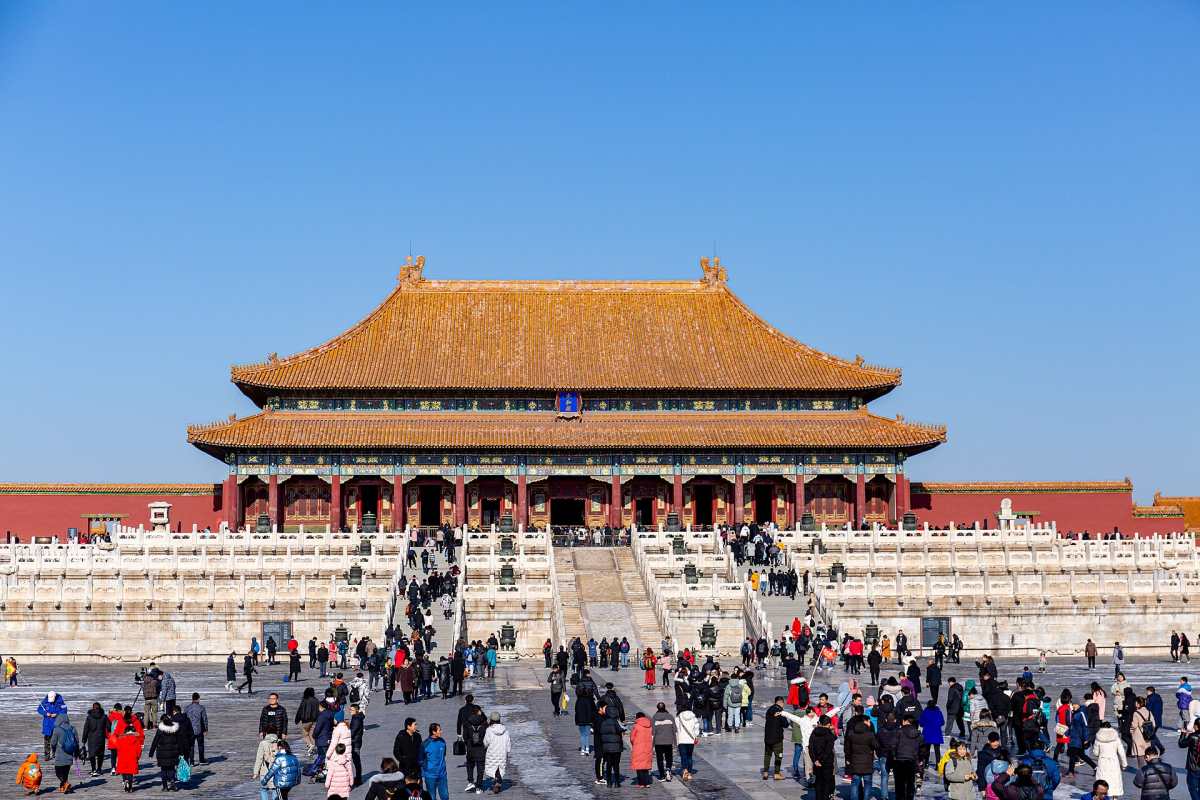
Beijing brings together the planning and ceremonial spaces of the Ming and Qing capitals with later layers of urban development. The Palace Museum, Temple of Heaven and Beijing Central Axis are distinct heritage subjects. Their relationship helps explain orientation, ceremonial movement and the separation of imperial and everyday spaces. They also involve separate visitor arrangements.
Shanghai offers a different lens: trade, waterfront architecture, changing neighbourhoods and the modern skyline across the Huangpu River. The Bund and Pudong are visually connected but represent different urban histories. Avoid treating the older waterfront as the entire story of the city or assuming every historic-looking building is an unchanged remnant of an earlier period.
UNESCO recognition and the visitor experience
The UNESCO World Heritage directory for China distinguishes cultural, natural and mixed properties. Some entries are individual ensembles; others contain several component areas. Recognition can help identify a theme, but it does not tell you which gate to use, whether a ticket includes transport or how long a visit needs.
A national park, a scenic area and a World Heritage property are not interchangeable administrative categories. Wulingyuan is a heritage landscape with multiple visitor sectors; Huangshan is a mountain destination; a protected wetland may have very different access rules. Read the actual operator information alongside the heritage description before planning activities.
When choosing between major sites, think about your preferred way of learning. Someone interested in landscape may gain more from an unhurried garden or river day than a third large museum. Someone interested in archaeology may want a specialist guide and additional time at Xi’an. A shorter list with a clear theme often produces a more memorable journey.
Language, names and cultural variety
Mandarin is a useful starting point for national communication, but spoken language varies across regions and communities. Written place names are especially valuable when buying tickets, taking a taxi or identifying the correct district. A place may appear in English with spaces, apostrophes or different older spellings; keep the Chinese version supplied by the hotel or operator.
Do not assume that an English menu or translated sign explains every local custom. In a teahouse, small museum or religious site, a brief respectful question often helps more than copying what another tourist does. Translation tools can assist with simple requests, but complex allergies, medication names or legal matters need clearer confirmation.
Regional and minority cultures should be approached as contemporary communities as well as heritage subjects. Clothing, performances and festivals can have local meanings beyond the tourist presentation. Ask before close portraits, avoid entering private homes or work areas without permission, and do not describe an ordinary community as a living museum.
Architecture beyond the headline monument
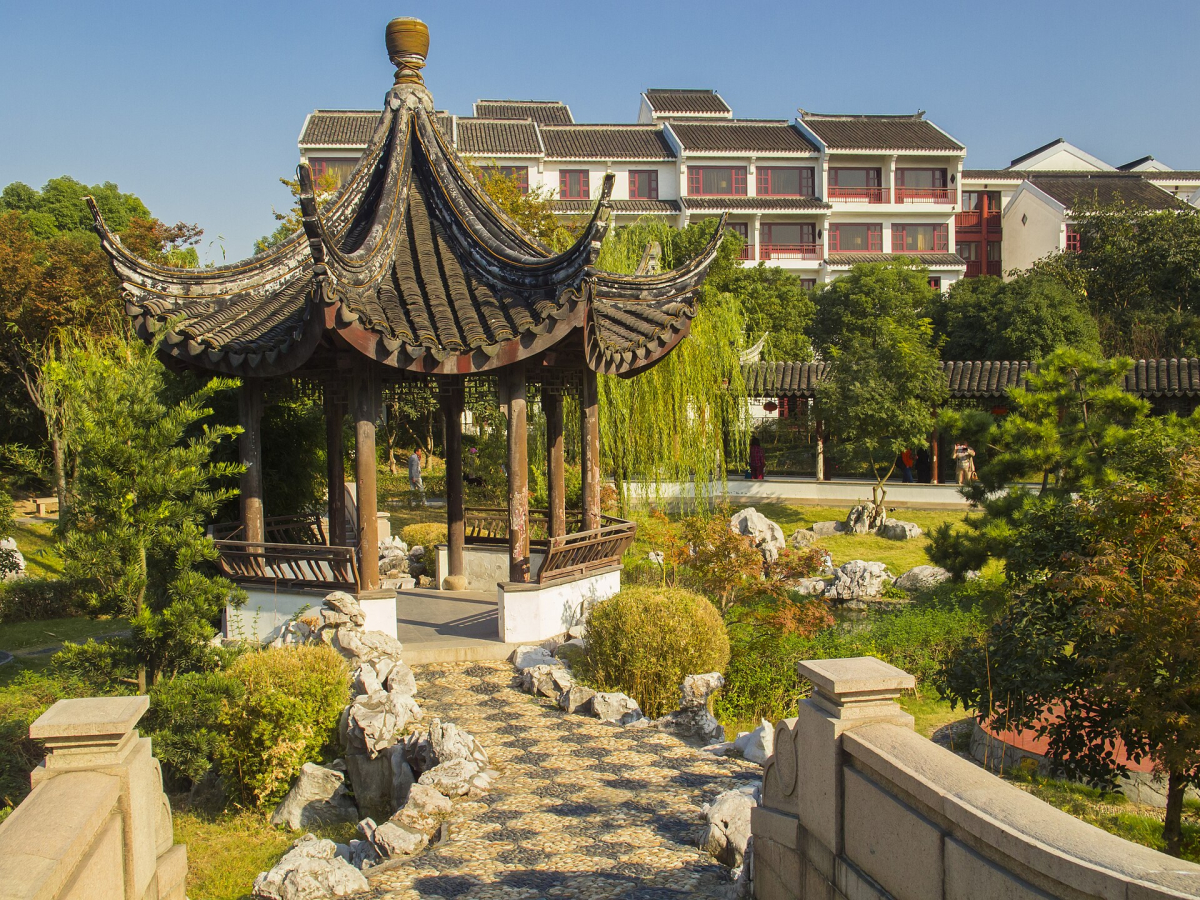
Chinese gardens often organise the visitor’s experience through sequences: a narrow passage, a framed opening, water, rocks and a pavilion create changing views rather than one central façade. In Suzhou, allow time to move slowly and look back through doorways. A garden is not simply a park with historic buildings placed inside it.
Courtyard houses, waterside settlements and regional building materials also reward attention. A hutong walk in Beijing concerns the scale of lanes and daily residential space; a visit to a canal town concerns water, bridges and historic trading patterns. Do not force these into the same visual category simply because both feature traditional roofs.
Modern architecture deserves the same specificity. Beijing’s National Stadium, National Aquatics Centre and National Centre for the Performing Arts have different structures and functions. Photographing their exteriors is a separate activity from entering an event or performance. Building names and former Olympic uses do not establish today’s ticket rules or access boundaries.
Food as a regional introduction
Food is one of the easiest ways to notice regional differences. Sichuan dishes can emphasise chilli, aromatics and the numbing quality of Sichuan pepper, while the lower Yangtze brings other balances of sweetness, sauces and delicate snacks. Cantonese cooking, northern wheat-based foods and Yunnan ingredients add further distinctions. A menu labelled “Chinese food” abroad is not a complete preview.
Try to connect dishes with where you are staying. A teahouse in Chengdu, dumplings in a northern city and a Jiangnan breakfast create different experiences without requiring a long special excursion. Leave room for ordinary meals near your hotel rather than booking every evening around a famous restaurant.
Be careful with broad claims about authenticity. A restaurant can be modern, adapted for visitors or part of a chain and still serve useful food; an old building does not prove a kitchen’s history. The Food & Drink guide gives practical ordering and dietary questions, while this background helps you understand why the choices vary.
Turn context into a better itinerary
Choose two or three themes before reserving your route: imperial history and archaeology, gardens and tea, food and neighbourhoods, or mountains and photography. Then pick bases that support those themes. The regional map and itineraries translate cultural interests into geographic decisions.
Treat interpretation at a site as one source of information. Museums, architectural histories and local guides can emphasise different aspects of a place. Where a date, attribution or access condition matters, use the named institution rather than repeating an unsourced story. Avoid turning legends into established historical facts.
Finally, leave space for observation. Courtyard proportions, a tea service, a neighbourhood breakfast and a ferry crossing can explain everyday life better than another rushed attraction. Respect the fact that the places on your itinerary are also homes, workplaces and religious spaces. The Responsible Travel guide expands on practical choices that support that approach.
About China FAQs
Are World Heritage sites all managed in the same way?
No. UNESCO recognition describes heritage value; booking systems, visitor sectors, transport and opening arrangements belong to the relevant local operator. Check the specific property rather than assuming a shared national ticket system.
Is mainland China culturally uniform?
No. Regional geography, languages, food traditions and community histories differ substantially. Use specific place names and local context instead of treating one region’s customs as a universal rule.
Where should I find practical country facts?
Use Travel Essentials for everyday preparation, Visa & Entry for permission to travel and Travel Costs & Money for spending. This page concentrates on geographic and cultural context.


