
ASIA · CHINA GUIDE
Walking & National Parks in China: Choose Your Route
China’s outdoor destinations differ in both landscape and visitor systems. A managed valley with shuttle transport, a mountain full of stone steps and a rural river walk do not require the same preparation. Choose the route by its actual surfaces, elevation, return options and weather exposure.
This guide separates designated national parks from scenic areas and World Heritage properties. Huangshan, Wulingyuan and Jiuzhaigou are valuable outdoor destinations, but a tourism use of “park” does not make all of them the same legal category. The national-park section below explains the first designated group and where it can fit a visitor’s route; the walking sections compare the actual terrain and visitor systems.
Compare the outdoor experience
On smaller screens, swipe or scroll horizontally to read the full table.
| Destination | Main experience | Key planning demand |
|---|---|---|
| Huangshan | Granite ridges, stairs and mountain views | Weather, vertical effort and gate/cable choices |
| Wulingyuan | Sandstone pillars and dispersed viewpoints | Several visitor sectors and internal transport |
| Jiuzhaigou | Managed valley, lakes and waterfalls | Shuttle system, walking segments and altitude |
| Mount Qingcheng | Wooded mountain and cultural landscape | Steps, chosen route and return transport |
| Yangshuo area | River-valley and rural walking | Road traffic, heat and legal local access |
| Great Wall near Beijing | Historic ridge walk | Uneven steps, wind and managed section access |
The comparison helps choose a destination, not establish that a route is safe for a particular person. “Easy” can mean short in distance but still involve stairs, heat or a long queue. Ask about the precise segment, seasonal closures and the point at which you can turn back.
Build a full day around a major mountain visit rather than adding it after a long arrival journey. If visibility is central to the experience, more than one night nearby can be valuable. A non-refundable onward connection should not depend on the final cable car or last park bus working exactly as hoped.
China’s designated national parks: choose a visitor area
A government review published in October 2026 identifies the first national-park group, established in 2021: Sanjiangyuan, Giant Panda, Northeast China Tiger and Leopard, Hainan Tropical Rainforest, and Wuyishan. This is a conservation designation, not a promise that every sector is open to independent tourism. Do not equate a national park with a single ticket gate, a managed scenic valley or a guaranteed wildlife encounter.
Wuyishan, Fujian: this is the most direct addition here for travellers interested in a forested mountain landscape and tea culture. The Fujian government’s national-park introduction explains the protected forest setting; its Nine-Bend River coverage identifies the bamboo-raft landscape. Choose the actual visitor sector and activity, then check its current admission and transport. A river outing and a mountain walk require separate effort and weather decisions, even when marketed together.
Giant Panda National Park: plan around the authorised visitor area and its rules, not the expectation of spotting a wild panda. Chengdu Research Base is a separate visitor facility, covered in Things to Do, and is not a substitute name for the national park. Hainan Tropical Rainforest National Park is an inland forest choice, distinct from a Sanya beach day. Check the chosen access sector and ground transport before adding either to a city or coast itinerary.
Sanjiangyuan and Northeast China Tiger and Leopard: consider these only after establishing the permitted visitor route, local access arrangements and suitable professional support where needed. Protected habitat is not unrestricted hiking space. For a first trip centred on Beijing, Xi’an and Shanghai, a managed outdoor day that fits the route is usually more practical than an additional remote journey made simply to collect a national-park name.
Huangshan: plan for stairs and changing cloud
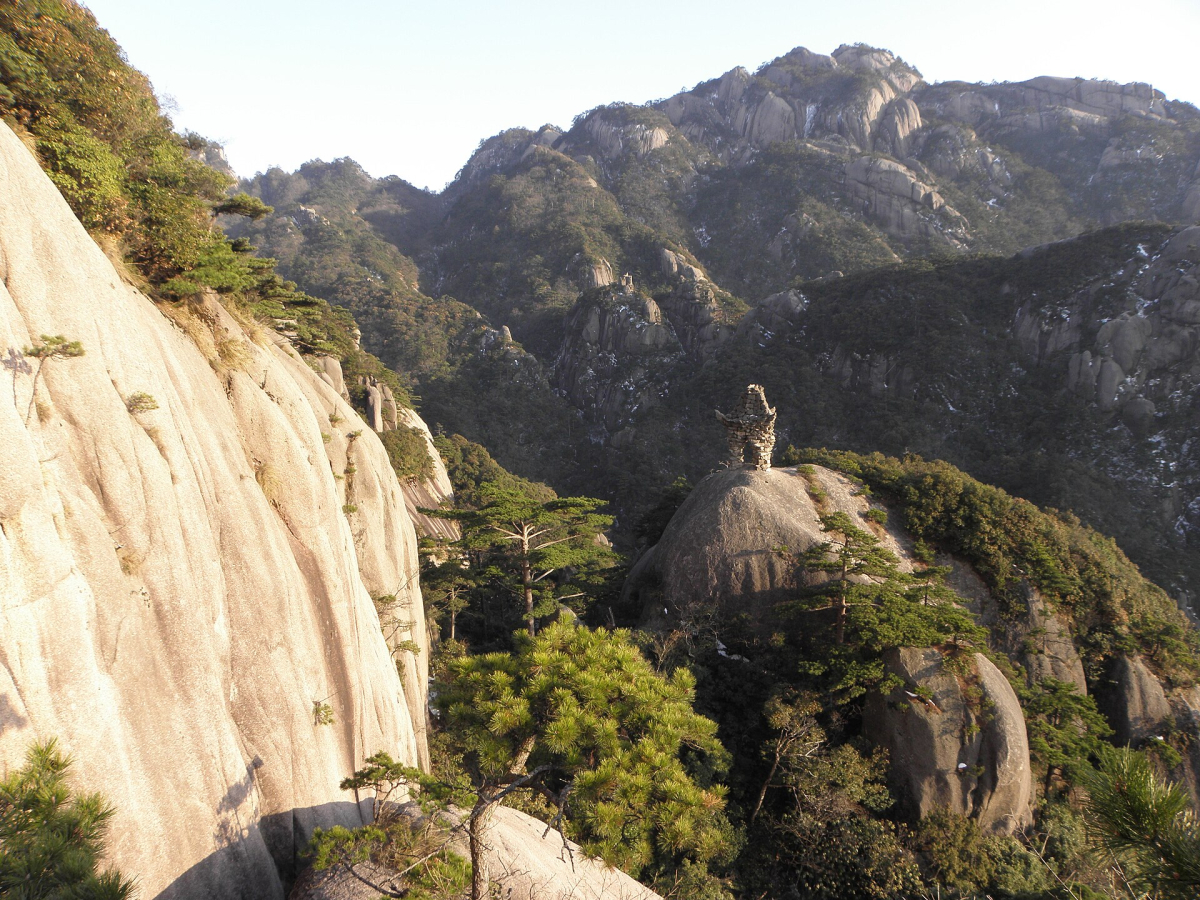
Huangshan is a mountain destination in Anhui, separate from a casual Shanghai day. Decide which gate and route you will use and whether an overnight on or near the mountain supports the plan. Cable transport can reduce some climbing but does not remove the need to understand the remaining stairs and walking.
Cloud can transform the view within a short period. Rain, cold and slippery surfaces may matter more than the city forecast suggests. Carry layers and footwear for the actual route, and avoid committing to a sunrise plan without understanding your accommodation position and legal access.
If you want to combine the mountain with southern Anhui villages, count the road transfers and additional nights. They are complementary experiences, not one attraction with a single entrance. UNESCO’s Mount Huangshan entry explains the heritage context; the visitor operator determines current access.
Wulingyuan: choose sectors rather than every viewpoint
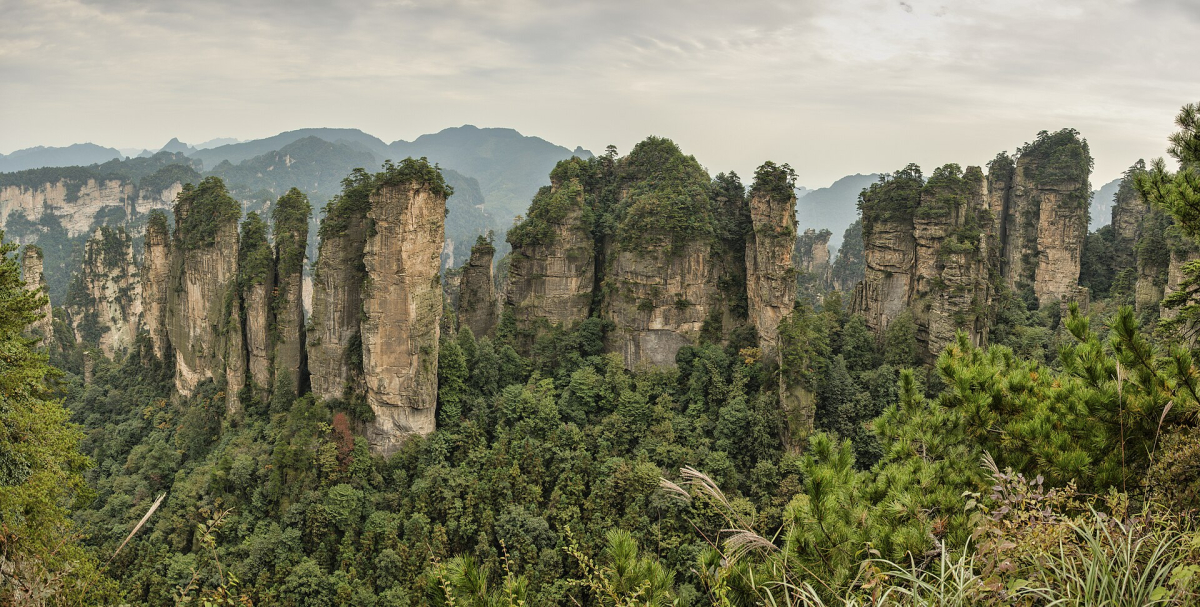
Wulingyuan in Hunan is known for its sandstone pillars and wooded ravines. The UNESCO property description provides geological context, but your day depends on the particular entrance, internal buses and selected walking sections. Plan the route before buying a combination of transport products.
Not every attraction marketed under the wider Zhangjiajie name belongs to the same ticket or visitor sector. Confirm whether your chosen viewpoint, lift, cable route or separate scenic attraction is included. A dramatic photograph does not reveal the queue, road approach or number of steps.
Stay near an entrance that supports your route and avoid trying to see every named viewpoint in one day. In low cloud, a shorter forest or valley experience may be more satisfying than racing between obscured platforms. Families and travellers with limited stamina should identify an early return option before entering.
Jiuzhaigou: managed valley travel at altitude
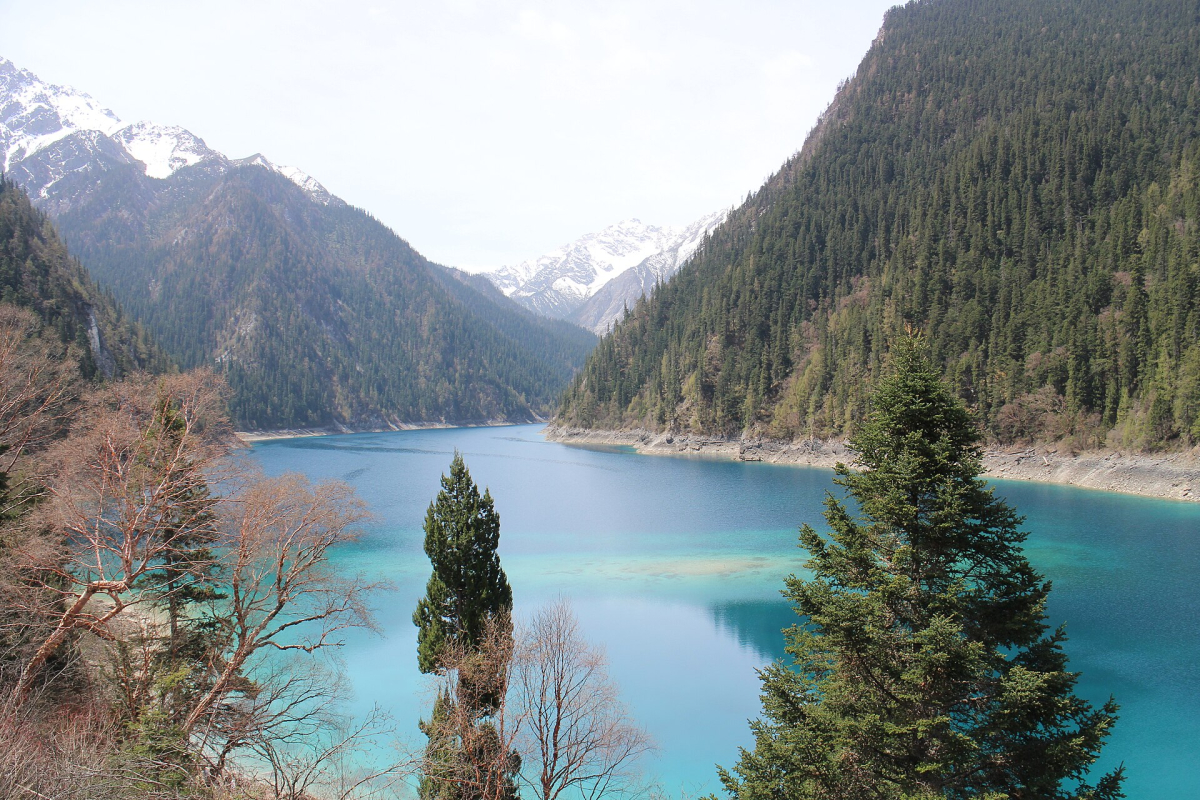
Jiuzhaigou is a separate Sichuan journey rather than an effortless excursion from central Chengdu. Check the current transport gateway and final road approach, then choose accommodation that supports the visit. The route inside the scenic area uses managed transport and selected walking segments, not unrestricted access to every lakeshore.
Altitude and weather deserve attention even when a route is largely served by buses. Ask about the elevations and walking involved in the actual visit, and seek personal medical advice where relevant. The Jiuzhaigou heritage description establishes the landscape’s context, not a health assessment.
Stay on designated routes and obey closures. Autumn colour, snow and clear water can all attract photographers, but seasonal appeal does not guarantee that every section is open. Leave a realistic buffer before an onward flight or long rail connection, especially when the journey includes a mountain road.
Mount Qingcheng: a cultural mountain near Chengdu
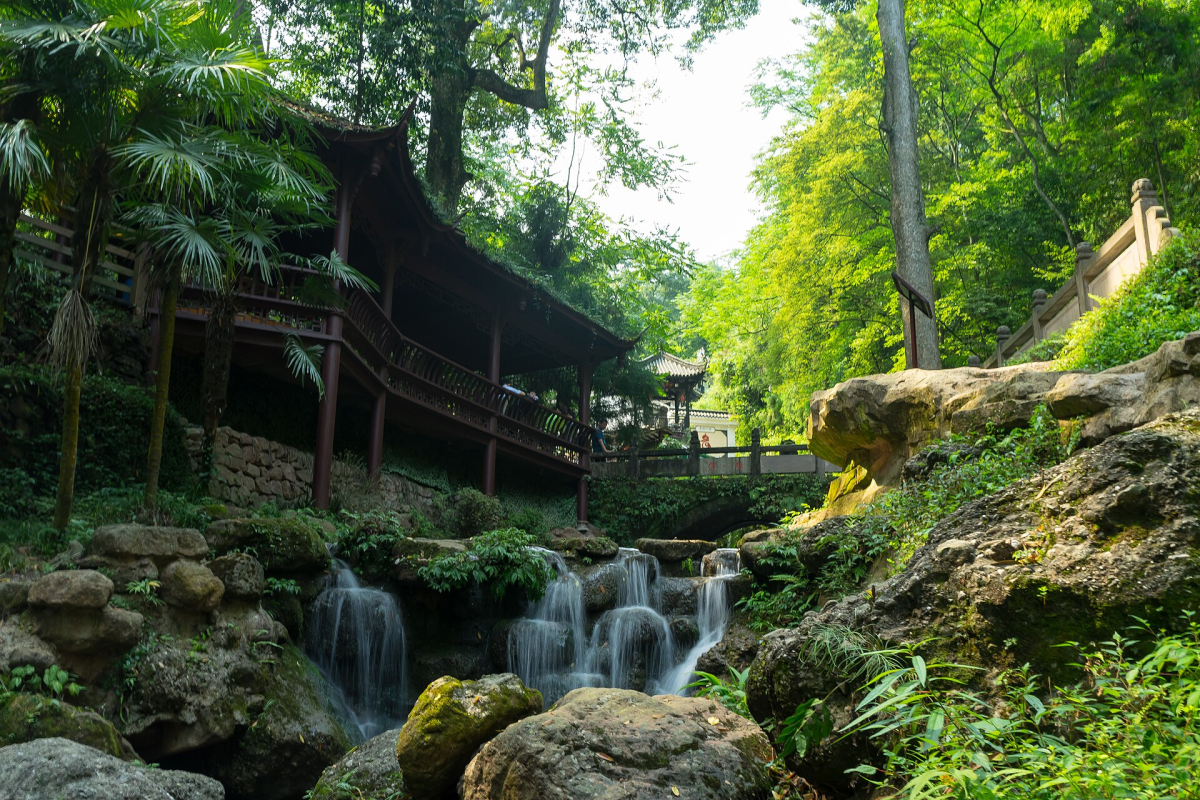
Mount Qingcheng can suit travellers who want a cultural and wooded mountain outing from the Chengdu region. Distinguish the specific front or rear mountain area and the route you intend to use; names that appear similar on a sales page can refer to different experiences and transport plans.
Steps, damp surfaces and the final approach matter. Ask whether a cable option is operating and what walking remains before and after it. Do not present the outing as universally accessible because a train reaches the wider area. Confirm the last return connection and the local journey between station and entrance.
The nearby Dujiangyan irrigation heritage can form a separate cultural visit, but combining both needs enough time and energy. The UNESCO Mount Qingcheng and Dujiangyan entry explains their relationship. For a relaxed trip, choose one main focus instead of rushing through both.
Lower-level walks and the Great Wall alternative
Around Yangshuo, a river-valley walk can create a gentler day than a major mountain destination, but heat, road traffic and uncertain local paths still need planning. Use an established route, respect agricultural land and confirm the return. A riverside line on an app may not be a public walking path.
Near Beijing, choose a managed Great Wall section and a short out-and-back segment that fits the group. Unrestored sections are not interchangeable with maintained visitor areas. Avoid isolated walking alone and leave your plan and expected return with someone reliable.
Urban parks and lakeside promenades can provide a good outdoor day without a long regional transfer. They are especially useful when weather or stamina makes a mountain plan unsuitable. Ask about entrances, surfaces, toilets and seating, and keep the same care with water edges and traffic as you would on a more famous route.
Prepare for the actual route
Carry water, suitable layers, charged communication equipment and a workable offline route. Check whether food, toilets and return transport are available on your chosen segment, rather than assuming facilities at the main gate continue throughout the day. Keep enough energy for the descent and final station journey.
Read current warnings and respect the operator’s closure decision. Do not climb barriers to reproduce a photograph or use a drone without establishing the applicable permissions and restrictions. Wildlife and fragile habitats deserve distance even when other visitors behave differently.
For altitude, medical conditions or a demanding hike, seek individual preparation advice from a qualified professional. The Health & Safety guide explains how to plan support and insurance. The Responsible Travel guide covers wildlife, waste and respectful behaviour; neither page replaces a current route briefing.
Walking & National Parks FAQs
Are all these destinations national parks?
No. The guide compares named scenic, heritage and outdoor destinations. Their designations and management systems differ; UNESCO recognition and national-park status are separate matters.
Can cable transport make Huangshan step-free?
Do not assume so. Cable journeys may reduce climbing, but the remaining paths, platforms and accommodation approaches can still involve substantial stairs. Confirm the exact route.
Can I hike an unrestored Great Wall section independently?
Do not infer legal or safe access from a photograph or map. Choose a managed route, follow current restrictions and avoid isolated walking without a clear support and return plan.



