
CHINA · SHANGHAI GUIDE
Responsible Travel in Shanghai: Streets, Culture & Resources
Responsible travel in Shanghai is often a matter of where you stand, how you move and what you buy. A residential lane is someone’s entrance, a temple is a place of worship and a riverfront path is shared public space. Specific local choices are more useful than a claim that one hotel, tour or transport mode makes an entire trip sustainable.
Respect Residential Lanes and Daily Life

Stay on public routes and do not enter a residential courtyard to improve a photograph. An open gateway does not establish visitor access. Keep voices and group size considerate, avoid blocking doorways and ask before making a close portrait or photographing inside a shop.
The official shikumen account explains the architecture’s residential history. Commercial reuse in Xintiandi or Tianzifang does not mean all nearby lanes have become visitor attractions. Our photo guides focus on composition from lawful public positions rather than directing readers into private spaces.
Treat Religious and Cultural Sites Individually
At temples, observe the worshippers’ space and the current rules for clothing, photography and restricted areas. Do not place a tripod where it obstructs movement or copy another visitor’s behaviour as proof that it is allowed. At museums, the rule can differ between permanent galleries and a temporary loan exhibition.
Avoid presenting a rebuilt commercial façade as an untouched historic building. Read History & Culture to understand the difference between treaty-port architecture, shikumen housing and later adaptation. Accurate descriptions are part of respecting the place.
Reduce Unnecessary Journeys
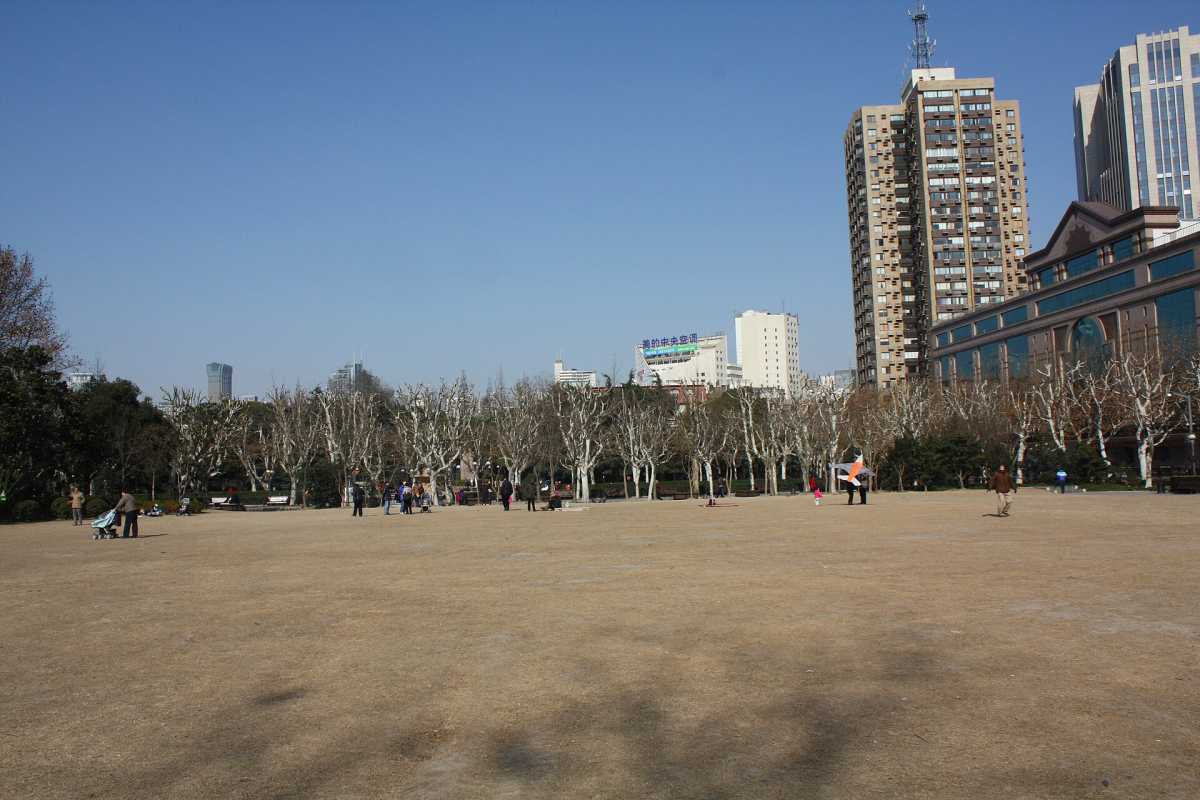
Group activities by neighbourhood and use suitable public transport for longer distances. One compact Puxi day and one Pudong day can be easier than repeatedly crossing the Huangpu. Walking is useful within an area, but a long exposed walk is not automatically suitable for every person or weather condition.
Choose an accessible route that works for your party. A planned taxi segment may be the practical choice for someone with limited mobility; responsibility does not require ignoring those needs. Getting Around and Itineraries support route choices without making unsupported emissions claims.
Parks, Waterways and the Coast
Stay on marked paths, use the provided waste and recycling facilities and follow local restrictions on picnics, cycling or activities. Do not feed wildlife or stage a photograph by disturbing animals. At a water town, keep canal edges and bridges clear for other users.
At Jinshan, follow swimming-area signs, closures and the day’s conditions. A protected-looking swimming area is not a general safety guarantee. Weather warnings and operator instructions take precedence over a planned coastal outing. Day Trips explains the seasonal distinction.
Buy with Useful Questions
Choose products for their maker, materials and usefulness rather than a vague “authentic” label. Ask for origin and care information on textiles, and check food labels and shelf life. Paying more does not by itself prove a product supports local craft or a particular community.
Museum shops and independent businesses can offer interesting purchases, but each product’s claims still need checking. Shopping discusses provenance, receipts and packing. Respect a shopkeeper’s refusal to be photographed or to allow images of a particular object.
Use Resources without Unsupported Promises
Carry a reusable bottle where you can refill it appropriately, avoid unnecessary single-use packaging and order portions you can reasonably finish. A hotel’s towel or linen option is one small service choice; do not treat it as proof of a complete environmental certification.
For national context and travel beyond Shanghai, consult Responsible Travel in China. Follow current access and conservation rules at the actual destination rather than applying a general city tip to a protected landscape elsewhere.
Responsible Travel FAQs
Can I enter a lane if its gate is open?
An open gate does not establish public access. Stay on clearly public routes and respect signs and residents’ directions.
Is photography allowed in every temple and museum?
Rules differ by site and room, including temporary exhibitions. Check the current notice and ask staff; another visitor’s actions are not permission.
Does a local-looking souvenir support local craft?
Not necessarily. Ask about the maker, origin and material rather than relying on the display or a broad authenticity claim.


