
CHINA · SHANGHAI GUIDE
Shanghai Food & Drink: Dishes, Dining & Local Choices
Shanghai’s food makes more sense when you distinguish a quick breakfast from a shared restaurant meal. Local cooking draws on the Lower Yangtze, with delicate dumplings, soy-based braises, seafood and seasonal produce. This is a guide to choosing and understanding the food, rather than a ranking of restaurants or a claim that every dish is available year-round.
Choose by Appetite and Occasion
On smaller screens, swipe or scroll horizontally to read the full table.
| Food | What distinguishes it | Useful ordering question |
|---|---|---|
| Xiaolongbao | Steamed dumplings with a hot liquid filling | Which filling, how many pieces and any shellfish? |
| Shengjian | Pan-fried buns with a crisp base | How hot is the filling, and what is in it? |
| Scallion oil noodles | Noodles dressed with fragrant scallion-infused oil | Does this version include meat, stock or other toppings? |
| Yanduxian | A spring-associated soup with fresh and salted pork and bamboo shoots | Is it seasonal, and what size is the serving? |
| Eight-treasure duck | A substantial stuffed and braised shared dish | How many diners does the portion suit, and is advance ordering needed? |
| Vegetarian temple-style food | Noodles, gluten and vegetable-based dishes | What are the broth, sauce and allergen ingredients? |
The municipal culinary-heritage guide supplies context for several dishes. A traditional recipe and a restaurant’s actual preparation can differ.
Xiaolongbao and Shengjian
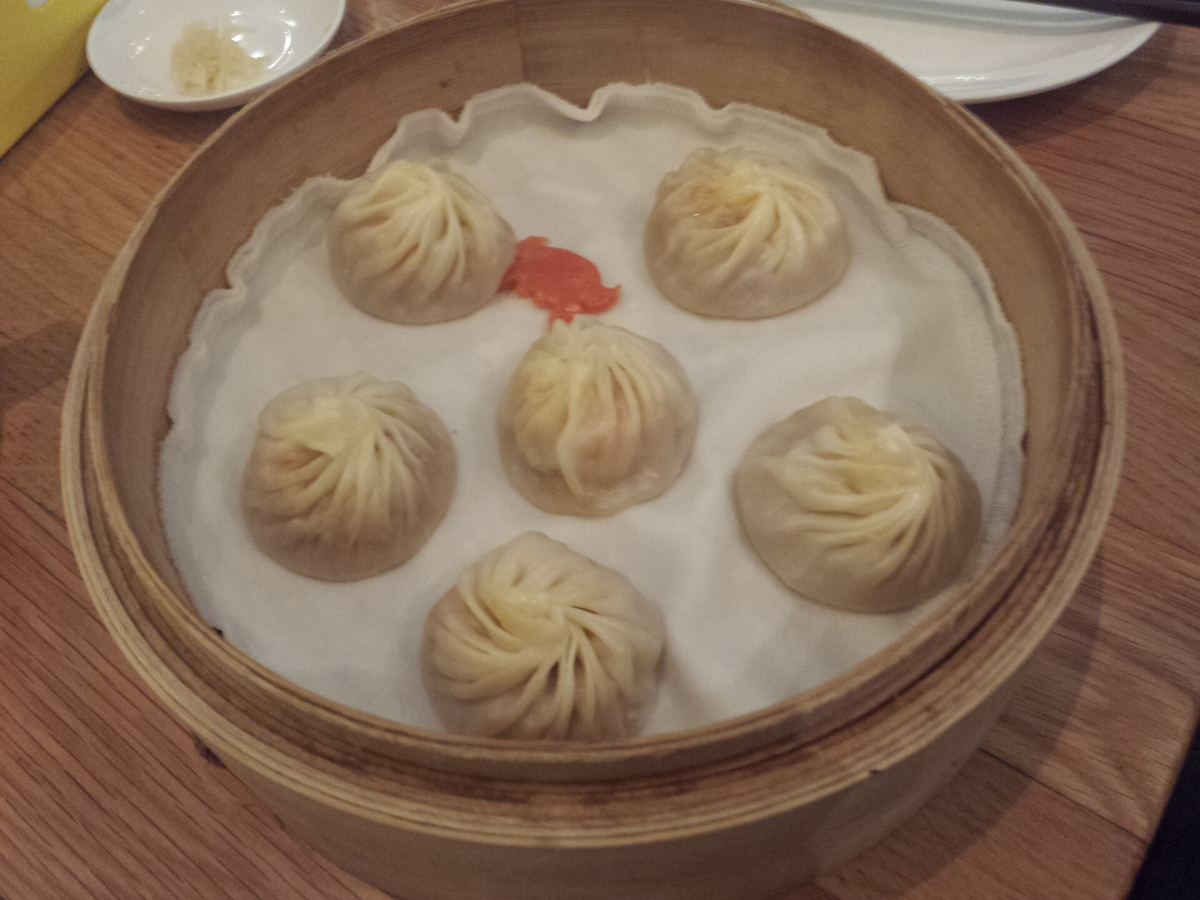
Nanxiang xiaolongbao is associated with Nanxiang in Shanghai’s Jiading district. Thin wrappers surround a savoury filling whose aspic melts during steaming. Lift the dumpling gently and let the filling cool before eating. The experience is different from a large soup bun served with a straw or a pan-fried bun.
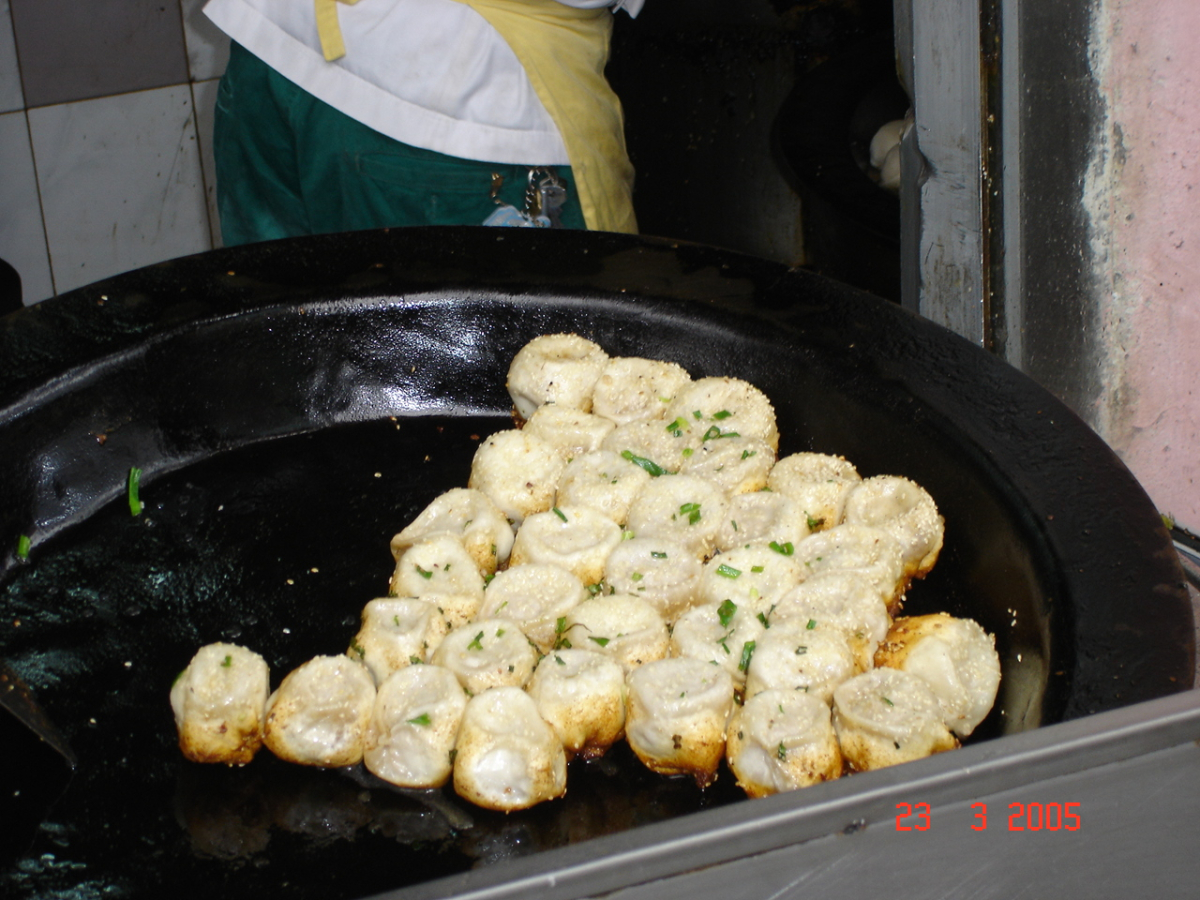
Shengjian combines a browned base with a softer upper dough and a hot filling. Start with a small order if you want to try both styles. Compare freshness and preparation rather than treating a famous queue as proof that every nearby shop serves the same product. A breakfast session pairs well with a short local walk in Things to Do.
Noodles and Shared Local Meals
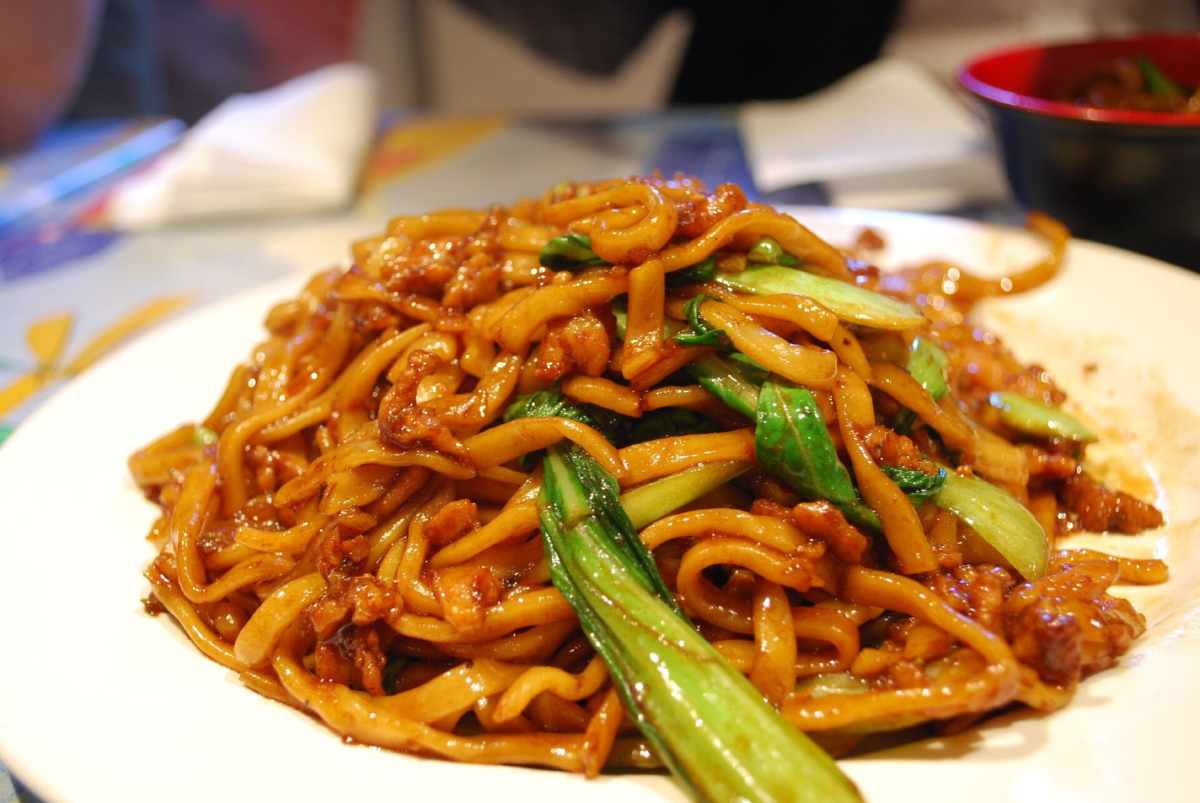
Scallion oil noodles offer a focused, relatively simple meal, while a shared Shanghai-style restaurant dinner can include a braise, vegetables and a seasonal soup. The balance matters: a table of several rich dishes may be less enjoyable than one substantial centrepiece with lighter sides.
Yanduxian is associated with spring bamboo shoots and combines fresh and salted pork. Eight-treasure duck is a much larger shared dish with a filled preparation; the municipal description includes ingredients such as glutinous rice, chestnuts and mushrooms, with shrimp in the finished dish. Ask about serving size, advance preparation and allergens rather than assuming an English name reveals the full recipe.
Where to Eat: Match the Area to the Day
The Yuyuan area offers convenient snacks and dumplings during an old-town visit, but tourist density and serving styles vary. Jing’an and central Huangpu support a wider range of local, regional and international meals. Choose somewhere near the day’s route rather than spending an hour travelling for every snack.
For a specific vegetarian option, the official Longhua Vegetarian Restaurant account identifies its Longhua Road branch at 2787 Longhua Road, reached from Longhua station on Lines 11/12. It describes noodles, kaofu and other vegetarian dishes. Confirm the current service and your dietary requirements directly; a vegetarian setting is not an automatic allergen-free guarantee.
For an occasion meal, reserve the actual branch and confirm the minimum spend or menu where relevant. Hotel dining and a casual noodle shop solve different needs. Use the official municipal food resources to find local dishes and dining options, then confirm the actual branch and current service.
Tea, Sweets and Taking Food Home
A tea break can slow an old-town day, but check whether you are ordering one cup, a pot or a priced tasting. Huxinting is a specific teahouse beside the Yuyuan area; admiring its exterior is separate from purchasing a tea service. Do not follow an unsolicited invitation to an unspecified expensive ceremony.
For packaged tea, sweets or pastries, the buying and transport questions belong in Shopping. Check the label, shelf life and your destination’s import rules before bringing food home. A souvenir’s Shanghai branding does not establish that all its ingredients or production are local.
Dietary Needs, Ordering and the Bill
Keep dietary restrictions in Chinese and explain serious allergies clearly. Ask about stock, sauces, pork, seafood, nuts and shared preparation surfaces as relevant. Wheat gluten is common in some vegetarian cooking, and a vegetable-looking dish may still use animal stock.
Check the price unit, portion size and any service or private-room conditions before ordering. With a payment app, verify the amount and displayed fee. For national dining context, read Food & Drink in China. For a guided tasting, compare the actual walking distance, food inclusions and dietary accommodation rather than assuming every food tour fits every traveller.
A checked three-hour local tasting tour provides one guided alternative to ordering independently. Confirm the meeting point, walking requirements and dietary accommodation. The link opens comparison results; choose the actual Shanghai food tour and check its current inclusions. Affiliate link: Photos4Travel may earn a commission from a qualifying booking.
Compare Shanghai food tours on GetYourGuide
Food & Drink FAQs
Are xiaolongbao and shengjian the same food?
No. Xiaolongbao are steamed soup dumplings; shengjian are pan-fried buns with a crisp base. Fillings and sizes vary.
Are scallion oil noodles always vegetarian?
Do not assume so. Ask about the stock, sauce, toppings and preparation used by the restaurant.
Can I buy tea or sweets to take home?
Yes, where sold, but check packaging, ingredients, shelf life and your destination’s import requirements. A gift label does not replace those checks.



.jpg)