
CHINA · SHANGHAI GUIDE
Where to Stay in Shanghai: Neighbourhoods Compared
Choose a neighbourhood by the journeys you will repeat. Shanghai’s districts are large, and a hotel marketed with a familiar area name may still be a long walk from its nearest useful station. This guide compares bases; Hotels handles named properties and room categories.
Compare Shanghai Bases
On smaller screens, swipe or scroll horizontally to read the full table.
| Base | Why choose it | Main compromise |
|---|---|---|
| People’s Square / central Huangpu | Central museums and several metro connections | Busy roads, crowds and variable station-to-hotel walks. |
| The Bund / East Nanjing Road | Riverfront evenings and landmark architecture | View premiums; some properties are farther from metro access. |
| Jing’an | Dining, shopping and a practical Puxi base | Broad area; location depends on the exact station. |
| Former French Concession area | Lane streets, cafés and slower local walks | Uneven pavements and older buildings; less convenient for some Pudong journeys. |
| Lujiazui | Skyline hotels and Pudong business visits | River crossings for much of the old city; large blocks and road junctions. |
| Hongqiao hub / western districts | Early flights, intercity trains or a western work location | Daily central sightseeing becomes a commute. |
These are neighbourhood-level trade-offs. They do not certify an individual property, room, station exit or access route.
People’s Square and Central Huangpu
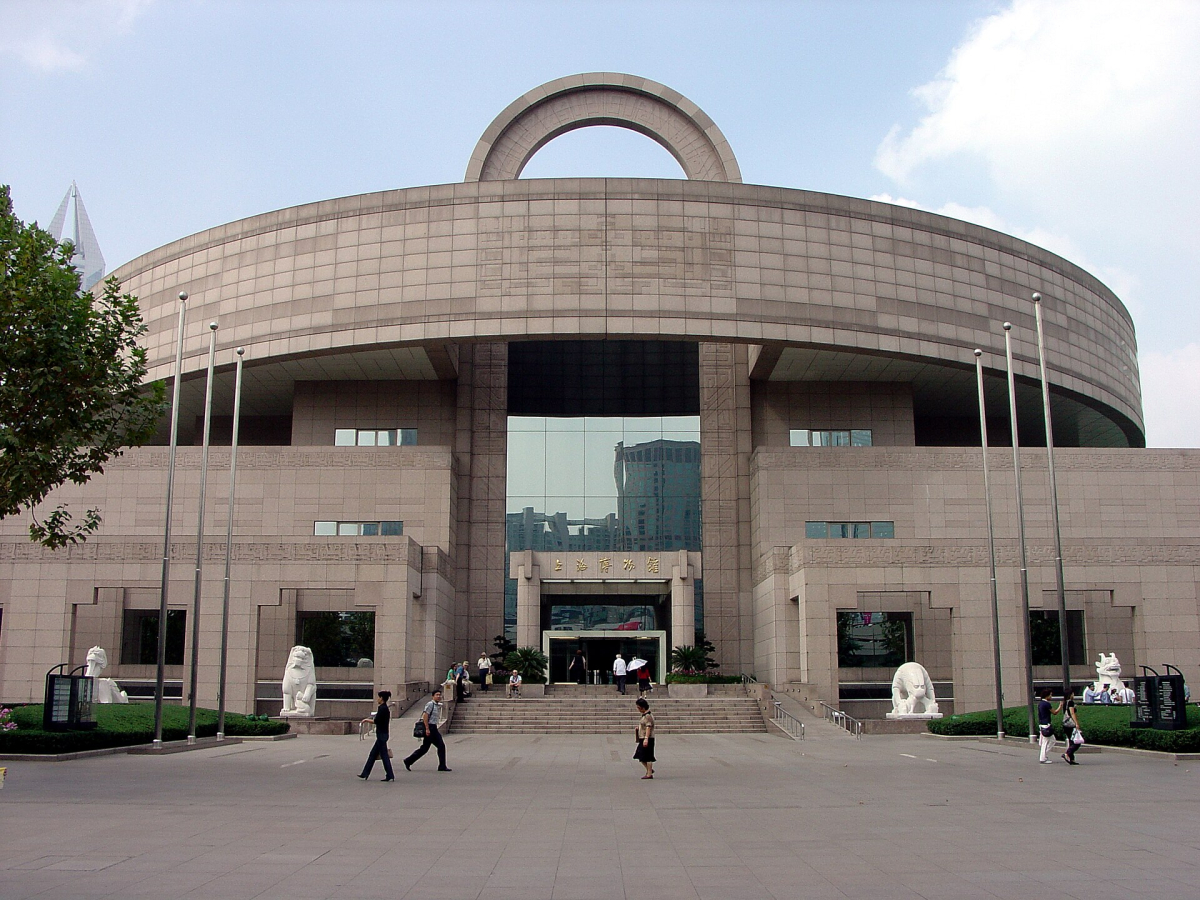
This is a strong starting point for a first visit that mixes museums, East Nanjing Road and metro travel. It gives several route options when plans change. Choose a room by its actual address and the station exit rather than assuming every central Huangpu property sits beside People’s Square.
The trade-off is a busy urban setting. Large junctions and station passages can add walking, and rooms facing a main road may be less restful. Families or travellers with limited stamina should inspect the final approach and ask about lifts, quiet rooms and the distance to everyday food.
The Bund and East Nanjing Road
The Bund suits travellers who value a short walk back after skyline photography or dinner. Historic properties can make the accommodation part of the trip, while East Nanjing Road places you near shopping and busy pedestrian streets. These are related but distinct locations: a property at the western end of the shopping street does not have an immediate riverfront setting.
Expect to pay for specific views and room categories. A building on the Bund may have inward-facing rooms or a modern wing; verify the booked category. Station access can involve a longer walk than the map pin suggests. Hotels explains property-specific distinctions.
Jing’an
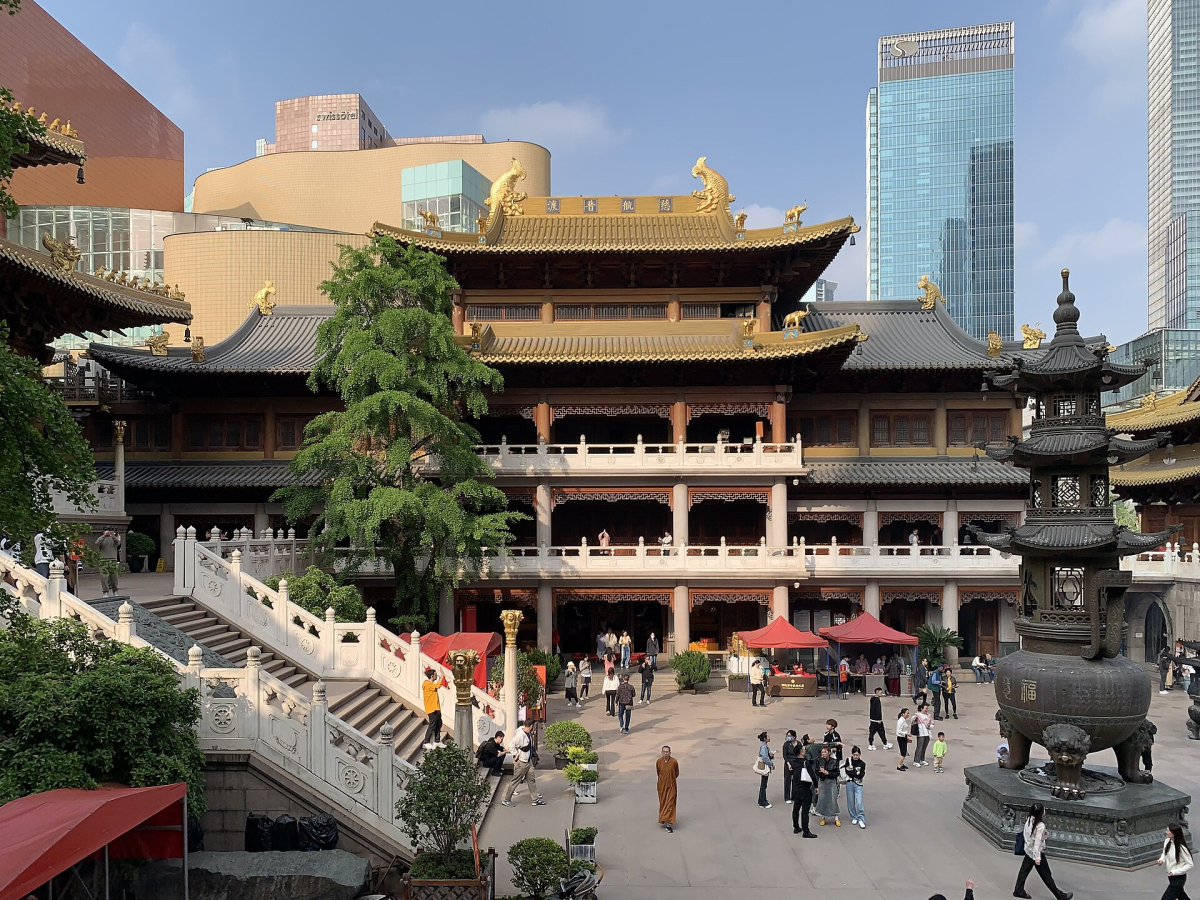
Jing’an works well for travellers who want a varied dining and shopping routine with strong Puxi connections. The area around West Nanjing Road differs from streets farther north or west, so compare the route to your main activities. Staying near the temple is not the same as staying anywhere in the administrative district.
For longer visits, practical shops and laundry can matter more than a panoramic room. Check evening noise and the final crossing to the hotel. A well-located Jing’an base can reduce taxi use, but an address chosen only for the district name may not offer that advantage.
Former French Concession Area
The tree-lined streets around parts of Xuhui and Huangpu suit slower architecture walks, cafés and a neighbourhood rhythm. “Former French Concession” is a historical area label, not a single current district or metro stop. Choose a small part of it and identify the station you will actually use.
Older buildings can bring stairs, raised thresholds and limited lifts. Pavements may be narrow or interrupted by works, so a charming exterior does not establish easy pushchair or wheelchair access. For a longer stay, assess noise, kitchen facilities and the daily walk to transport in Longer Stays & Costs.
Lujiazui and Central Pudong
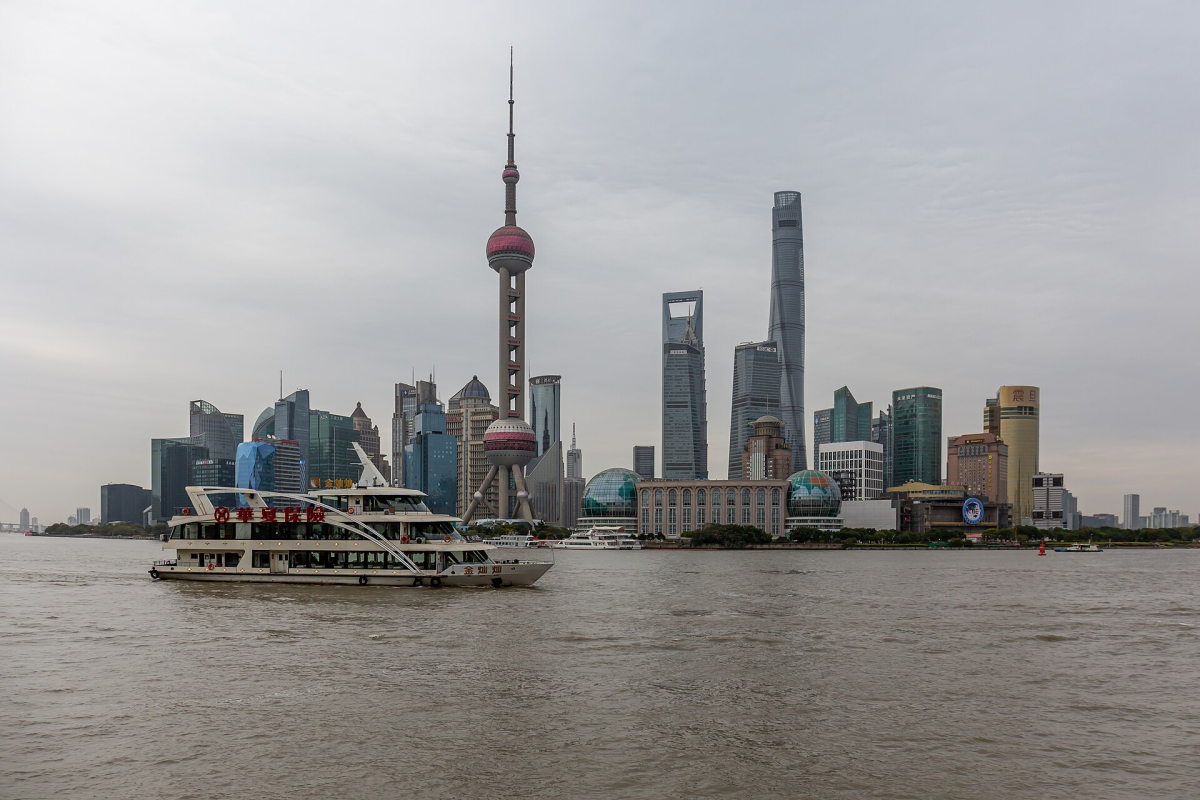
Lujiazui suits visitors who want a skyline hotel, financial-district meetings or a Pudong-focused programme. Riverfront paths provide a different view of the Bund. Hotel blocks, malls and road junctions are large, however; the straight-line distance to a station can understate the actual walk.
For a first visit centred on Yuyuan, lane streets and Puxi museums, repeated crossings add time. Group the Puxi activities into full days. Pudong is much larger than Lujiazui: Shanghai Museum East, the airport and Disneyland are not all within the same walkable cluster.
Hongqiao and Airport Stays
Stay near the Hongqiao hub when an early train or flight is the decisive reason, or when work is concentrated in western Shanghai. Check which terminal or railway entrance the accommodation serves and whether a shuttle is actually included at the required time.
For daily central sightseeing, this becomes a commute. An airport hotel may be sensible for the final night without being the best base for the whole visit. Similarly, a PVG hotel can help with an early departure but does not place you near Lujiazui simply because both are in Pudong. Airports & Transfers explains the corridor.
Families, Accessibility and Split Stays
For families, price the actual occupancy and bed configuration. A room that sleeps two does not automatically accept an extra child, and connecting rooms may need confirmation. For mobility needs, request the specific room and route details described in Accessibility.
A split stay is useful when it solves a real early departure or a substantially different programme. For a short first visit, moving hotels can cost more time than it saves. Count the transfer, luggage storage and any overlapping paid nights, then compare the simpler single-base plan in Itineraries.
Where to Stay FAQs
What is the easiest area for a first Shanghai visit?
A well-located People’s Square, central Huangpu or Jing’an address is a useful starting point. Choose the exact hotel by its station access and your daily programme.
Is Pudong inconvenient for tourists?
It depends on the plan. Lujiazui is useful for skyline hotels and Pudong visits; a Puxi-heavy itinerary involves more crossings. Pudong’s size makes the exact location essential.
Should I change hotels during a short stay?
Usually only when it solves a specific problem, such as an early airport departure. Compare the moving time and luggage handling with the benefit before splitting the stay.



