
CHINA · SHANGHAI GUIDE
Shanghai Travel Essentials & Accessibility
A few practical preparations make Shanghai easier to navigate: a working phone connection, more than one payment method and an offline Chinese address for your accommodation. This page deals with daily use of the city. National entry permission belongs in Visa & Entry; emergency action and local contacts have separate guides.
Useful Everyday Facts
On smaller screens, swipe or scroll horizontally to read the full table.
| Item | Shanghai reference | Why it matters |
|---|---|---|
| Time | China Standard Time, UTC+8 | Check flight dates and time-zone changes when arriving from Europe or North America. |
| Currency | Chinese yuan (CNY/RMB) | The same ¥ symbol can appear in other currency contexts; check the currency code. |
| Telephone | China +86; Shanghai landline area code 21 | Within China, Shanghai landlines are normally written with 021. |
| Electricity | 220 V, 50 Hz | Check device voltage and actual plug compatibility; an adapter does not convert voltage. |
| Airports | Pudong PVG; Hongqiao SHA | Save the code and terminal, not simply “Shanghai”. |
| Language preparation | Chinese names and addresses offline | English transliterations and translated map labels can vary. |
These are practical reference points, not a replacement for the conditions attached to your airline, payment card, device or booking.
Phone, Maps and Offline Preparation
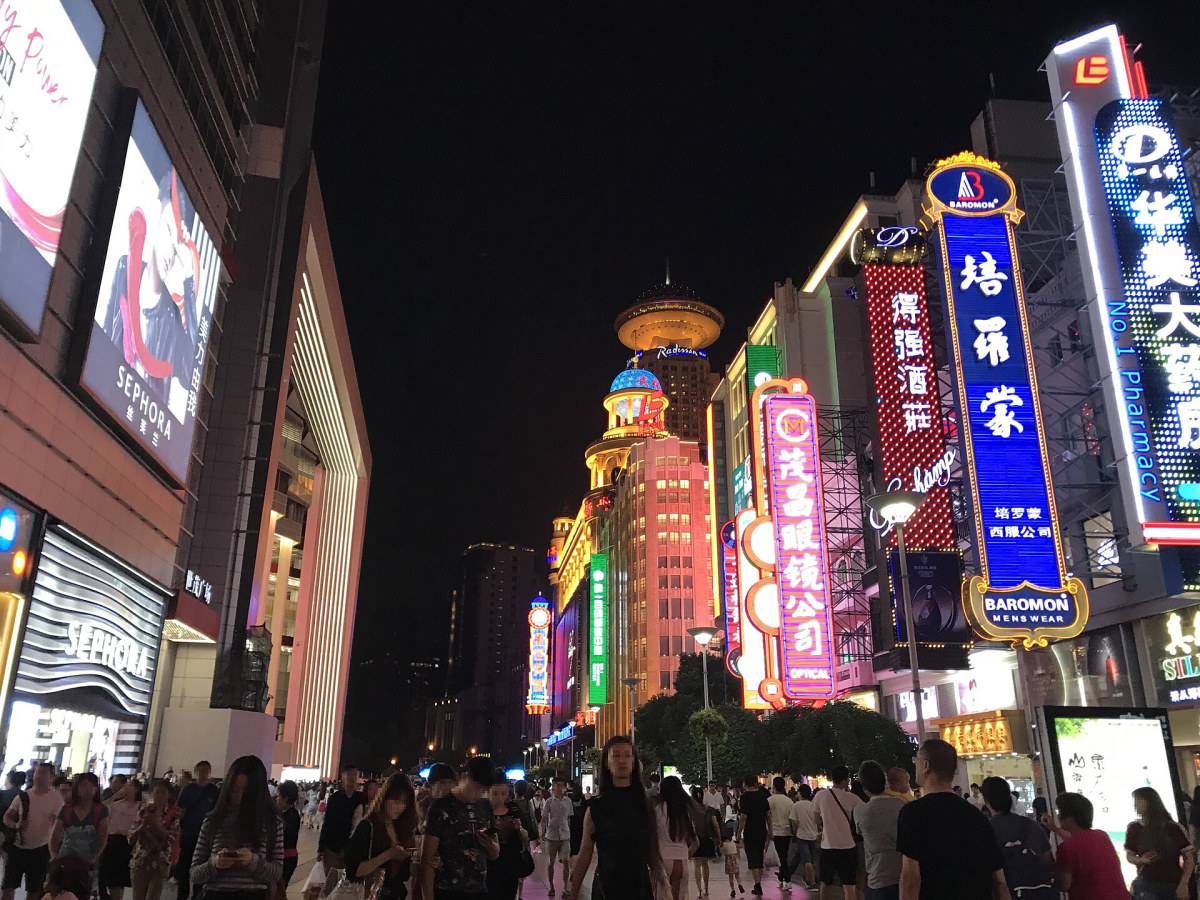
Decide before arrival whether you will use roaming or a locally available mobile service. Check whether your device supports the service, whether calls or SMS are included and what identification is required. Receiving a one-time code can be necessary for payments or bookings; a data-only product may not solve that need.
Save the hotel’s Chinese name, complete address, reservation reference and nearest station. Keep screenshots of essential journeys and a separate way to access booking details if the phone is lost. Online maps, messaging and other services may not behave as they do at home; test the services you need and use lawful available options.
Payments, Documents and Daily Carry
Prepare a payment app where useful, but retain a backup bank card and some cash. Follow the municipal payment setup guide and check any fee displayed before confirming. Bank approval and merchant acceptance are separate questions.
Carry the identification required for your planned journeys and reservations, and keep protected copies separately. Intercity trains use real-name ticketing; museums or attractions may ask for the document used to reserve. Do not send passport images through an unverified message or scan an unfamiliar payment code merely because someone says it is needed for a ticket.
Accessibility: Check the Whole Route
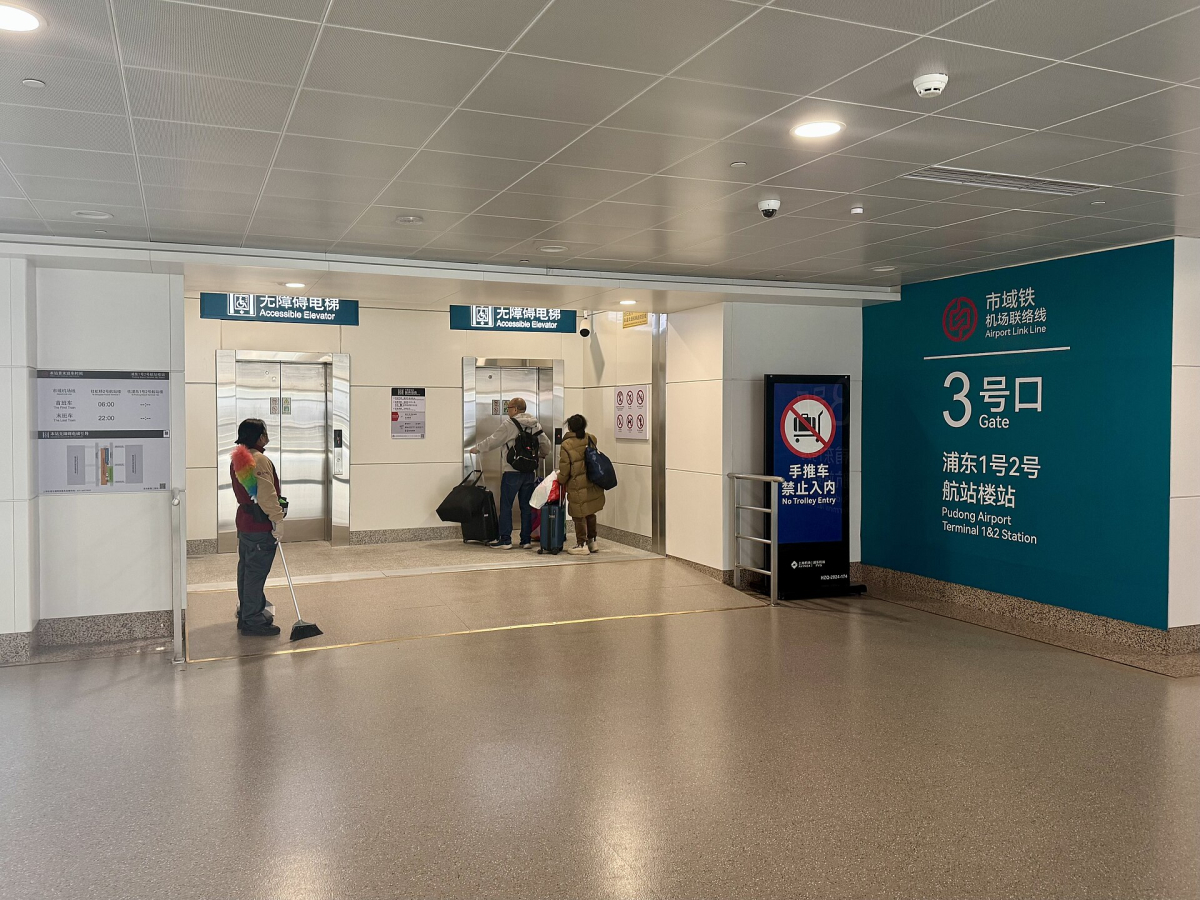
Shanghai has modern transport and public buildings, but that does not make every sightseeing route step-free. Large stations can involve long passages. Older lanes, raised thresholds, crowded pavements, roadworks and garden bridges can affect wheelchair users, people with limited stamina and families with pushchairs.
For a metro journey, confirm lifts at the departure and arrival stations, the accessible exits and any assistance arrangement. For a hotel, request the precise room features you need: doorway and bathroom dimensions, shower type, grab rails, bed height and an uninterrupted route from the street. “Accessible room” is a starting point for questions, not a complete guarantee.
For Yuyuan and temple visits, ask about the available route before buying. A nearby modern museum may offer a more manageable indoor alternative, but confirm its current entrance and facilities. If a taxi is part of the plan, specify vehicle and transfer needs rather than assuming an ordinary car can accommodate them. Airports & Transfers considers airport assistance and the first journey.
Children, Meals and Rest Stops
Plan around the distance between breaks, not only the number of sights. Shanghai Museum East can take much of a day if the group enjoys the collections; younger children may prefer one gallery and a park. A far-away theme park should have its own day and return plan.
Food names do not reliably reveal every ingredient. Keep dietary requirements in Chinese, ask about broths, sauces and shared cooking surfaces, and explain serious allergies clearly. Use Food & Drink for the differences between local dishes, and Family Travel for a gentler activity plan.
Before You Leave the Accommodation
Check weather warnings, the final return connection and the day’s reservation requirements. Charge the phone and carry a suitable power bank according to the current rules of your airline and transport operator. Keep a compact umbrella or rain layer when wet weather is possible.
For national practical context, read China Travel Essentials. For local help, use Useful Contacts. Health & Safety deals with emergency response, scams and weather disruption.
Travel Essentials FAQs
Will every service work in English?
No. Major transport and visitor services often provide English information, but smaller businesses and app screens vary. Chinese addresses and prepared dietary or access questions help.
Does a station lift make the whole route accessible?
No. Check the correct exit, transfers, pavement and final entrance as well. Ask for assistance or choose a different route if a critical part cannot be confirmed.
Is a plug adapter enough for my appliances?
Only if the appliance supports the local voltage and frequency. A shape adapter does not convert electricity; check the device label and manufacturer guidance.


