
CHINA · SHANGHAI GUIDE
Best Time to Visit Shanghai: Seasons & Trade-offs
The best month depends on how much of Shanghai you want to experience outdoors. Spring and autumn are often comfortable for walking, but they also bring popular travel periods. Summer offers long days with heat and humidity; winter can feel cold and damp even without severe frost. Plan around the forecast and the holiday calendar as well as seasonal averages.
Choose a Season
On smaller screens, swipe or scroll horizontally to read the full table.
| Period | What suits it | Main compromise |
|---|---|---|
| March–May | Neighbourhood walks, gardens and park days | Changeable temperatures, rain and popular blossom weekends. |
| June–August | Museums, evening riverfront sessions, indoor breaks | Humidity, heavy rain and heat; possible storm disruption. |
| September–November | Walking, clear-day skyline views, cultural visits | Typhoon-related disruption can continue into early autumn; major holiday crowds. |
| December–February | Museum-led trips and quieter outdoor sessions outside holidays | Damp cold, short daylight and variable holiday closures. |
These qualitative comparisons avoid turning one historical average into a daily forecast. Check current municipal warnings before a waterfront outing or an airport journey.
Spring: Gardens and Flexible Layers
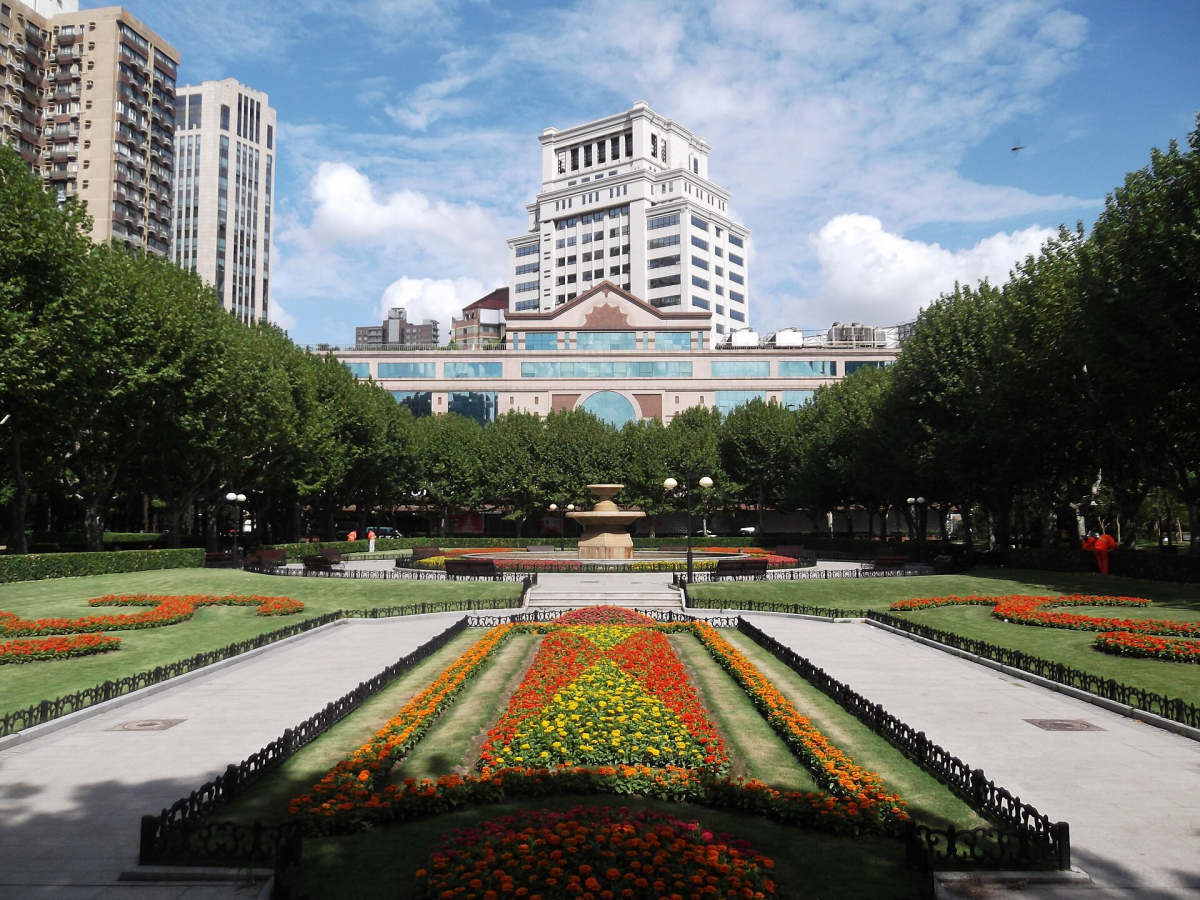
Spring works well for combining an early old-town visit with an afternoon on shaded streets. Carry a layer that can be removed rather than relying on one warm-day forecast for the whole trip. Popular cherry-blossom sites can be busy on weekends, so a central park may fit a short visit better than a long cross-city journey for a single seasonal display.
The city’s April 2026 park guide describes specific park activities, including weather-dependent miniature trains. Treat seasonal services as optional additions. A timetable published for a blossom festival does not establish year-round operation.
Summer: Short Outdoor Blocks
In hot, humid weather, move the longest walk to the morning and reserve the middle of the day for a museum, lunch or rest. Carry drinking water, use shade and allow more time at crossings. A plan with Yuyuan, a long Bund walk, Pudong towers and a distant evening show can be tiring even when the map looks manageable.
Heavy rain can reduce visibility from observation decks and make stone paving slippery. Keep an indoor alternative on the same side of the river. The itineraries suggest swaps that preserve the geography of the day. Follow official warnings rather than keeping a prepaid outdoor plan at all costs.
Autumn: Walking and Cultural Plans
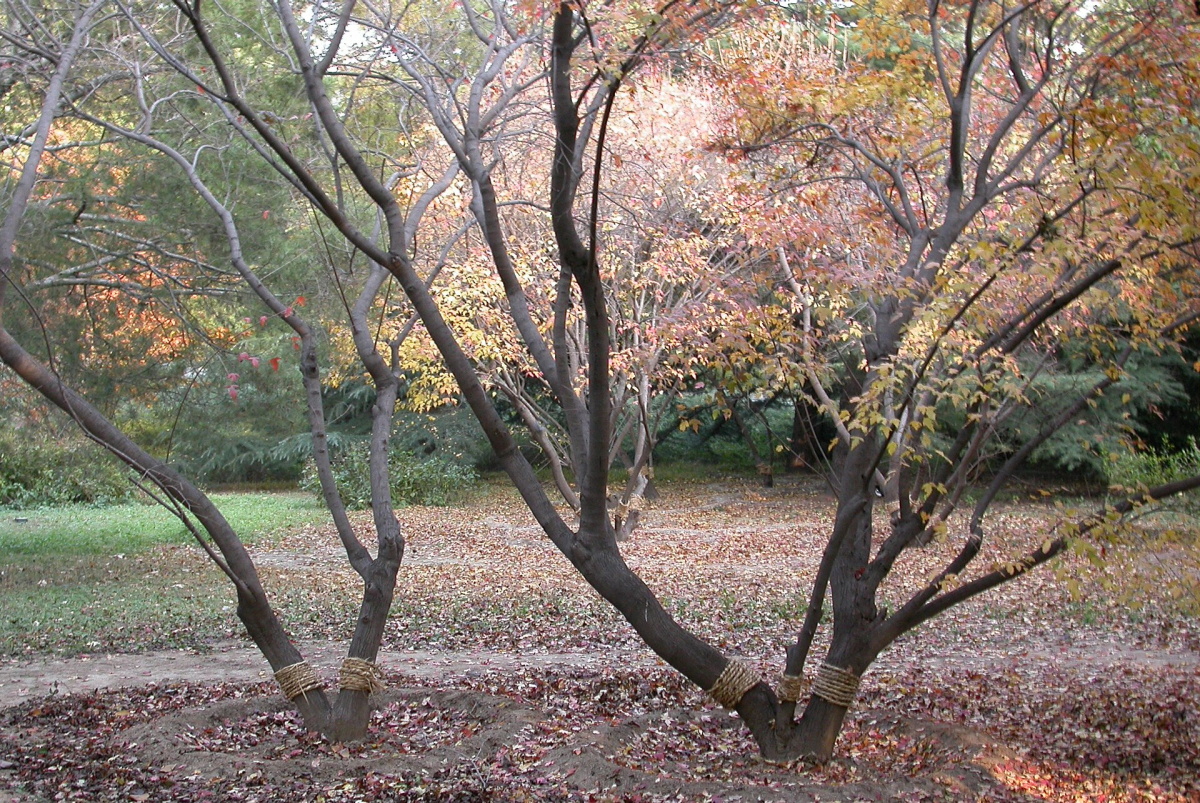
Autumn is attractive for extended neighbourhood walks, but the National Day travel period can bring exceptional pressure on trains, hotels and landmark areas. A trip immediately outside the main holiday may be easier to manage than a trip selected solely for temperature. Compare your dates with the official holiday notice for the relevant year.
October and November also bring performance and sports programmes. Our Festivals & Events separates announced 2026 examples from recurring traditions. Book a performance because the actual programme interests you, then allow time to reach the specific venue. Shanghai Grand Theatre near People’s Square is a different journey from the Oriental Sports Center in Pudong.
Winter: A Slower Indoor Trip
Winter is suitable for visitors who value collections, food and architecture over long outdoor evenings. Wind on the riverfront can feel much colder than a sheltered street. Pack a warm outer layer and footwear that handles wet pavements. Keep one short riverfront session instead of building every evening around standing still with a camera.
Lunar New Year shifts each year. Some destinations become very busy while smaller businesses may close or shorten their hours. Lantern displays are special events with their own dates and access arrangements; an older festival photograph does not confirm this year’s programme.
Build a Weather-Resilient Visit
Leave a clear-weather window for a tower or skyline photograph, and place a museum elsewhere in the plan so you can swap the two. Consider reserving flexible hotel terms when weather-sensitive excursions are central to the trip. A wet day can still suit a focused museum visit and a nearby meal; crossing the whole city to chase a forecast rarely helps.
For long-distance travel, the China weather guide compares different regions. Shanghai’s rainy season or winter pattern should not be applied to Beijing, Sichuan or Hainan. Consult local safety and weather preparation before travel during severe-weather warnings.
Best Time to Visit FAQs
Is Shanghai pleasant in summer?
It can be rewarding with shorter outdoor sessions, indoor breaks and flexible plans. Heat, humidity and heavy rain make a continuous all-day walking itinerary less comfortable.
Is autumn always dry?
No. Autumn can suit walking, but rain and storm disruption remain possible. Check the actual forecast and warnings rather than treating the season as a guarantee.
Should I avoid public holidays?
If your dates are flexible, travelling outside peak national holidays often makes transport and popular sights easier to manage. If you travel during them, reserve critical journeys and leave more time.


