
CHINA · SHANGHAI GUIDE
Shanghai Photos & Photo Spots: Plan Your Shooting Route
Shanghai offers several different photographic subjects: a skyline across water, the façades of a trading port, small garden compositions and the detail of a lived-in street. Choose the subject and the light before deciding where to stand. These are planning suggestions based on the places and source photographs; exact camera positions, current access and tripod permission are not assumed.
The Riverfront: Choose a Subject and a Bank
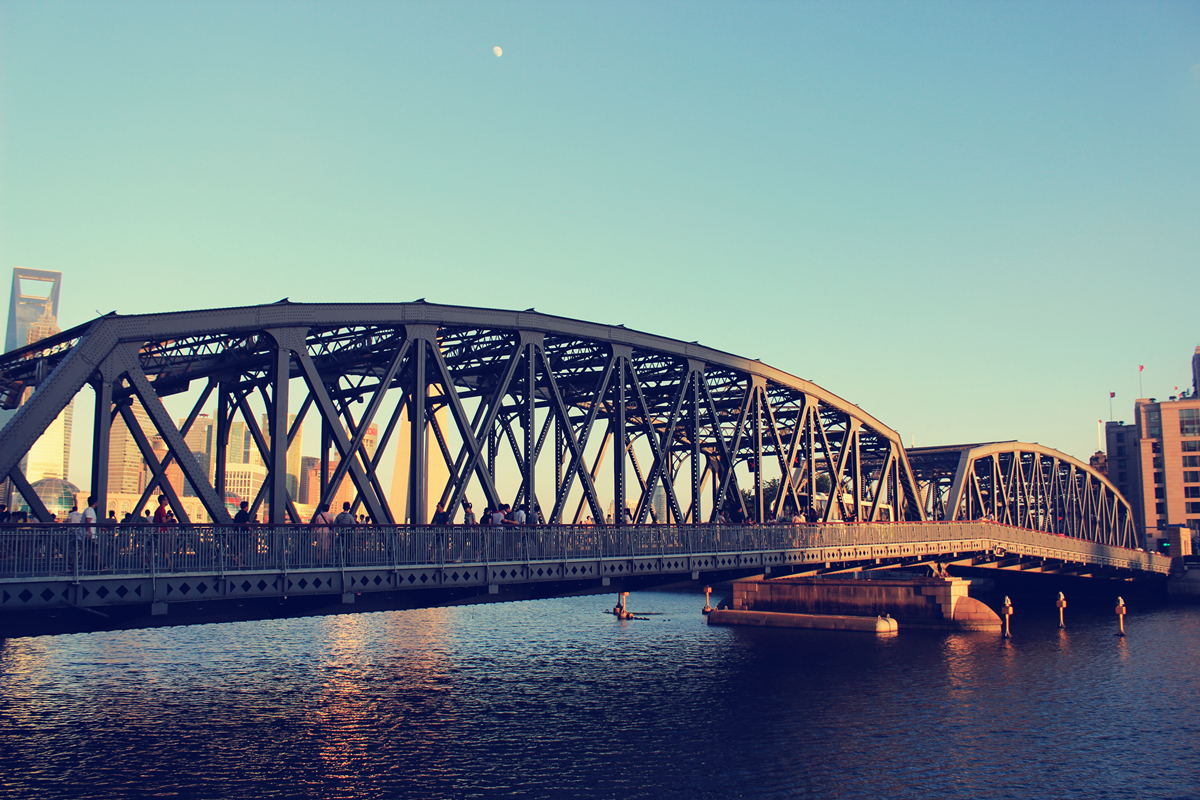
From the Bund, look across the Huangpu toward Pudong; from Lujiazui’s riverside, look back toward the historic west bank. A wide skyline image and an isolated architectural detail need different framing. Arrive early enough to choose a clear public position without blocking other visitors.
Use the Bund photo guide for the west-bank architecture, Pudong for ground-level relationships and Pudong Skyline for a distant panorama. The two Pudong pages answer different photographic questions rather than repeating a general city description.
Old Town, Garden and Teahouse
A garden composition depends on edges, openings and the balance between water, rock and roof. The old-town streets outside ask for a different approach: movement, signage and the relationship between shops and public space. Do not treat every traditional-looking façade as a surviving ancient building.
Compare Yuyuan Garden, Huxinting Teahouse, Nanshi / Old Town and Fangbang Street. The garden’s paid entrance, the teahouse’s service and the surrounding lanes have separate access conditions.
Lane Streets and Main Avenues
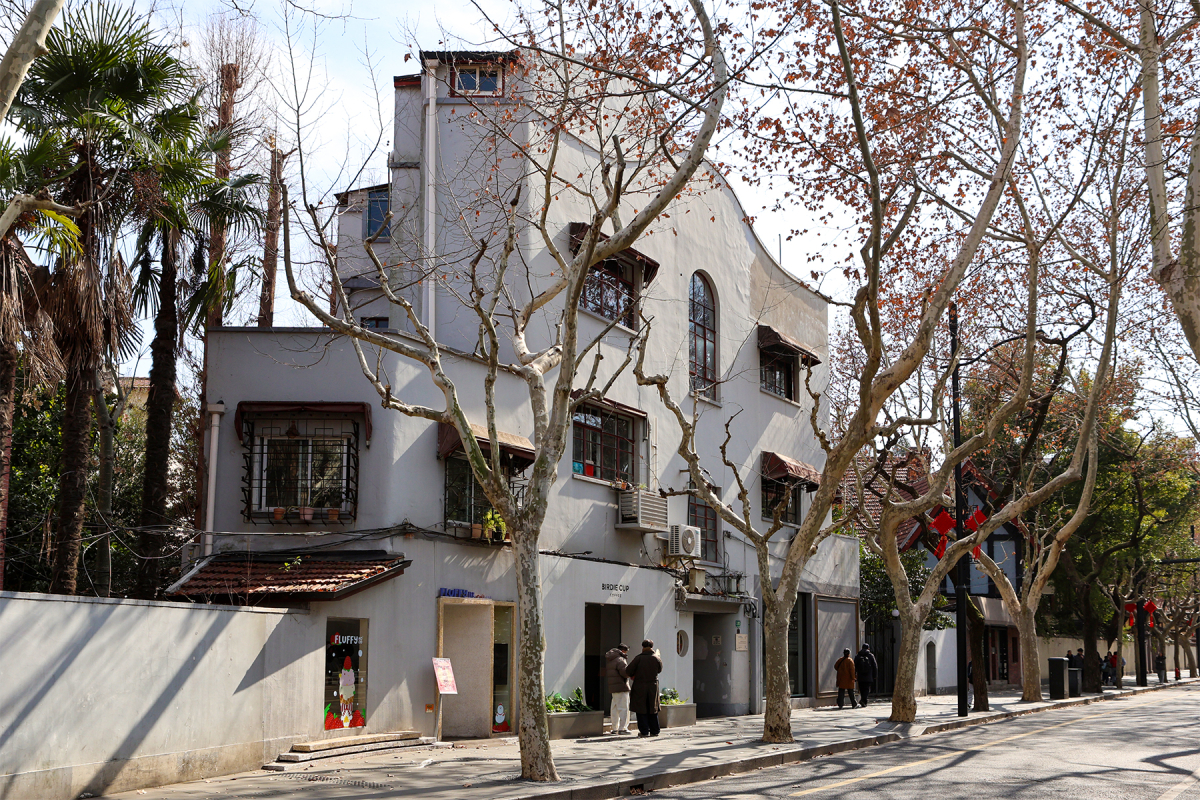
On a lane-house walk, look for repeated windows, door frames and the relationship with street trees. On a broad commercial avenue, use crossings and changing pedestrian movement to organise the frame. Avoid stepping into traffic or entering private space to remove an obstruction.
The Sinan Road, Huaihai Middle Road, Fuxing East Road, Nanjing Road and Xizang Middle Road pages explain their different roles. The Jade Buddha Temple page adds the particular responsibilities of photographing an active religious site.
Creek Views and Urban Models
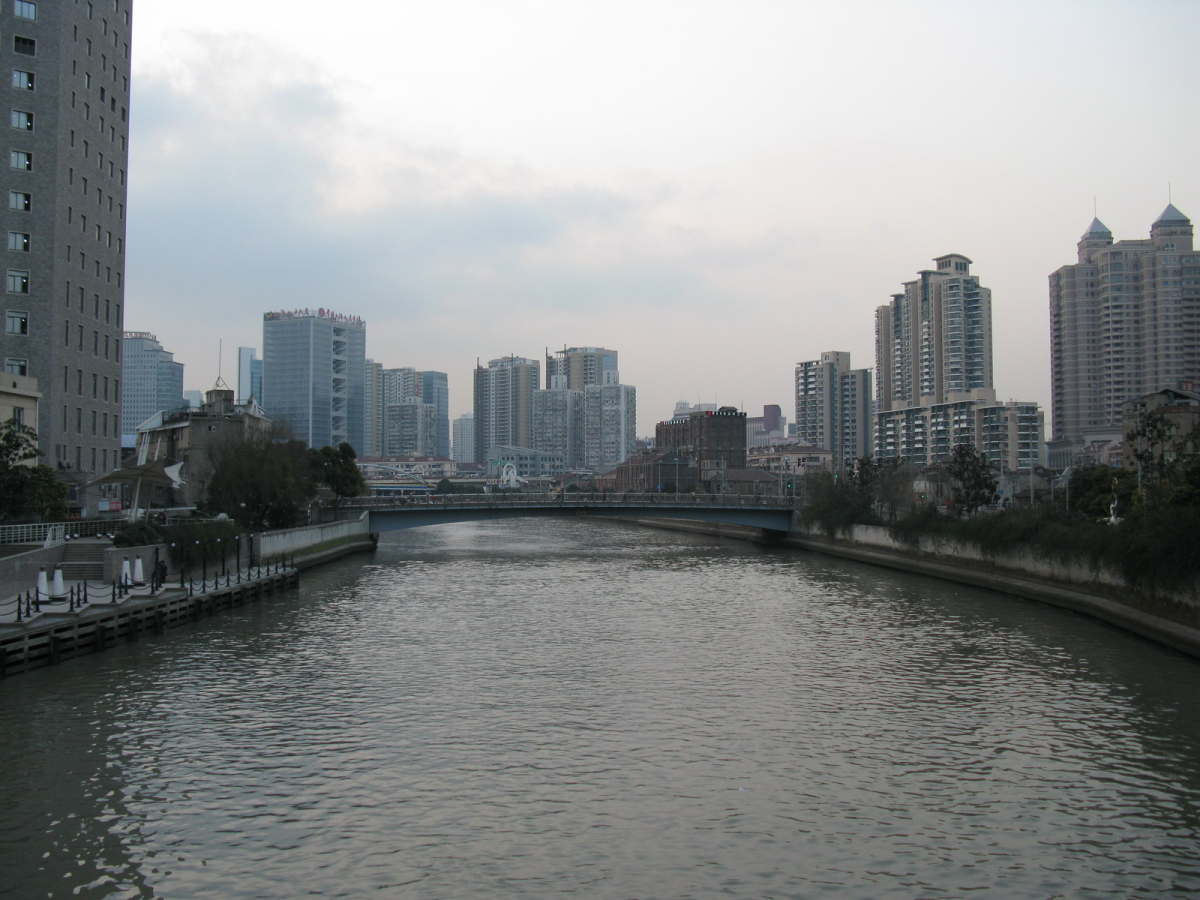
Suzhou Creek’s bridges and the buildings around them make useful subjects when a broad skyline is not the aim. Choose one bridge or short public segment rather than trying to photograph the whole waterway. The Zhapu Road guide distinguishes the street from the bridge approach.
For an indoor urban subject, the Urban Planning Exhibition Center guide considers model and architecture photography. Current displays and camera rules need a fresh venue check; a historic model image is not proof of today’s exhibition arrangement.
Three Flexible Photo Sessions
On smaller screens, swipe or scroll horizontally to read the full table.
| Session | A workable focus | Practical limit |
|---|---|---|
| Morning old town | Yuyuan area, teahouse exterior and one lane segment | Confirm garden access; keep narrow bridges and entrances clear. |
| Afternoon architecture | Sinan Road and a short nearby street walk | Respect residents; use public positions and marked crossings. |
| Riverfront toward dusk | One bank, one main panorama and a nearby detail | Crowds, wind and visibility may change the plan; keep the return route. |
Use Map & Neighbourhoods to understand the distances and Itineraries to combine photography with the rest of the visit. Do not turn three suggested sessions into a guarantee of three different sunsets.
Access, Equipment and Responsible Photography
Ask staff about photography in museums and temples, especially temporary exhibitions and religious interiors. Tripods, flash, professional equipment and commercial work can have different rules. A public-looking rooftop or an open residential door is not permission to enter.
For a ferry or cruise, use a shutter speed appropriate to a moving boat and keep equipment secure. For long exposures on land, do not obstruct circulation and use a position where equipment is permitted. Read Responsible Travel and the wider China Photos & Photo Spots guide for context outside Shanghai.
Photos & Photo Spots FAQs
Which side is best for the Pudong skyline?
The Bund side gives a view across the Huangpu toward Lujiazui. The best position still depends on the light, visibility and the composition you want.
Are the photo guides exact camera-location instructions?
No exact camera position is claimed unless documented. Use them to plan subjects and lawful public viewpoints, then confirm current access on site.
Can I use a tripod anywhere?
No general permission is established. Check the site’s rules and avoid blocking paths, bridges, entrances or other visitors.



