
CHINA · SHANGHAI GUIDE
Shanghai History & Culture: Reading the City
Shanghai’s history is visible in the distance between a garden wall, a stone-framed lane entrance and a bank façade on the Bund. These places were shaped by trade, migration, imperialism, conflict and redevelopment. This guide provides context for what you see; the Attractions guide handles tickets and the daily itineraries handle route order.
Before the Treaty Port
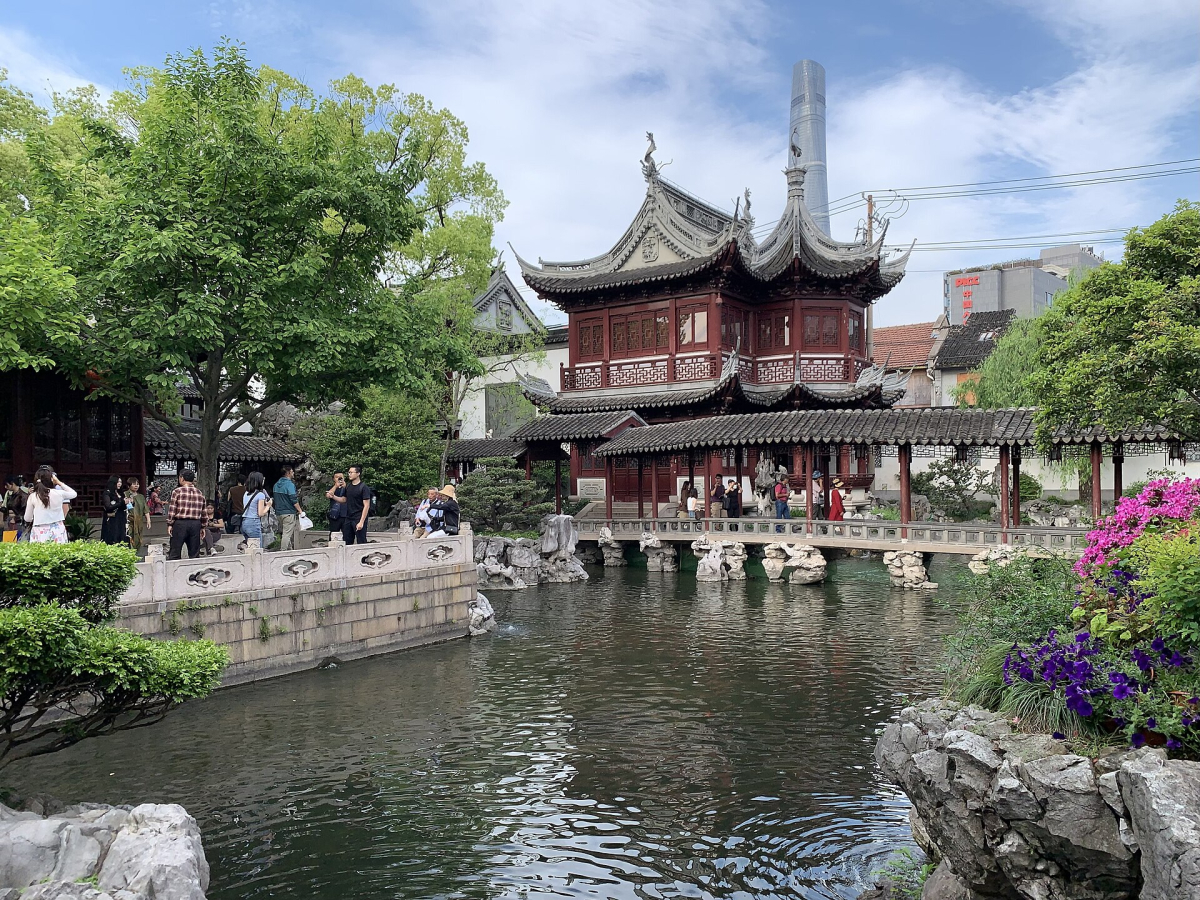
Shanghai developed as a market and port connected to the waterways of the Lower Yangtze. Its story did not begin with European settlement. The former walled Chinese city lay south of today’s main Bund, around the area often called Nanshi. Yuyuan’s origins as a Ming-period private garden point to merchant wealth and Jiangnan garden culture before the nineteenth-century treaty port.
In the old town, distinguish historic fabric from later reconstructions and commercial façades. A picturesque roofline is not proof that an entire shopping complex survives unchanged from the Ming dynasty. The municipal Yuyuan account explains the garden’s protected status and its relationship with the neighbouring temple and shopping area.
The Treaty Port and the Bund
Shanghai opened as a treaty port in 1843 following the First Opium War. Foreign concessions and the International Settlement developed alongside Chinese-administered areas under unequal political arrangements. The monumental riverfront buildings reflect banks, trading firms, clubs and the infrastructure of overseas commerce; describing the Bund simply as “old Chinese architecture” misses that history.
Read the buildings from street level as well as the promenade. Classical columns, clock towers and later Art Deco forms show different moments in the port’s expansion. These were also places where Chinese workers, merchants and residents made their lives. A façade tour should acknowledge that social history rather than treating the period only as romantic nightlife.
Shikumen, Lilong and Residential Life
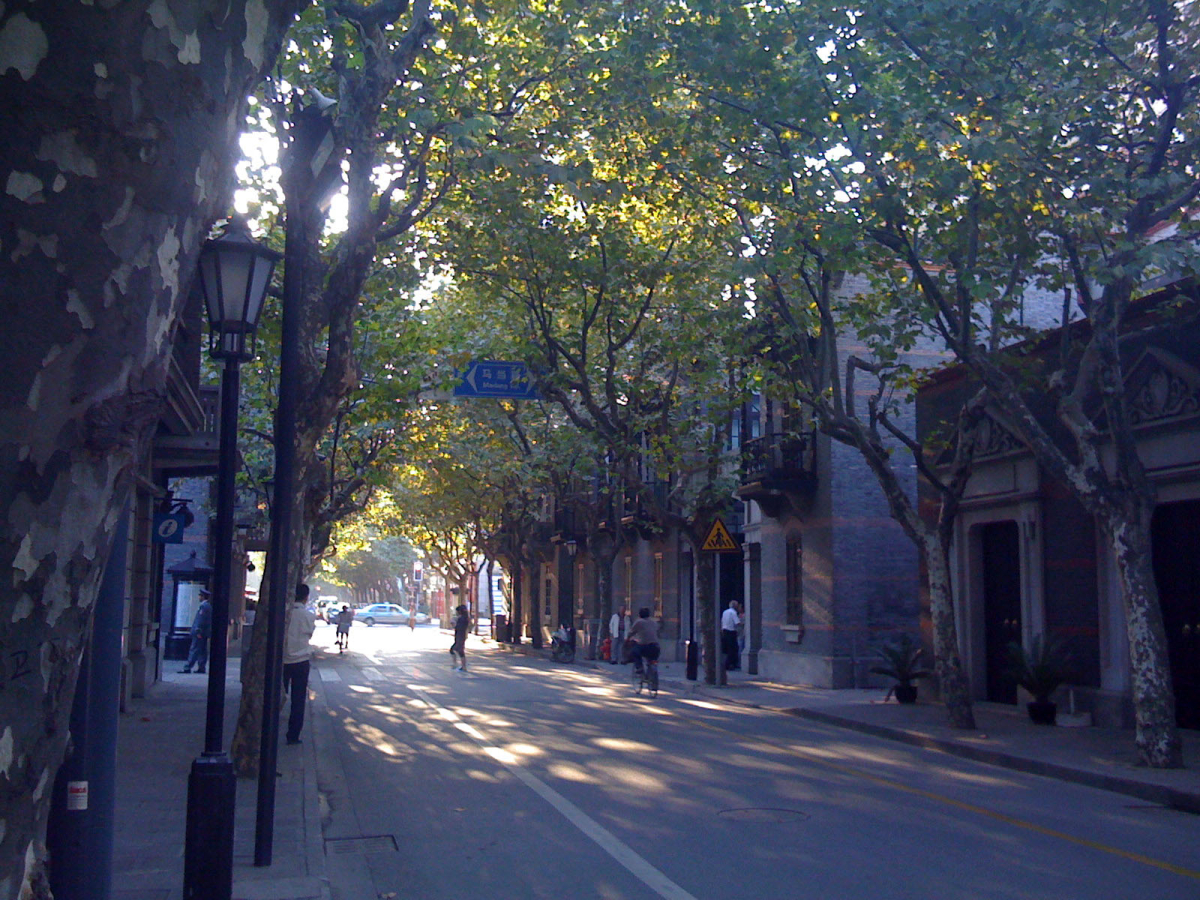
Shikumen combines stone-framed gateways and compact brick housing with influences from Jiangnan domestic architecture and the nineteenth-century city. Lilong or longtang refers to the lane setting. The official shikumen overview connects its development to rapid population growth and the demand for housing, and describes the craftsmanship in wood, stone and brick.
Xintiandi and Tianzifang illustrate different forms of reuse and commercial adaptation. They are not interchangeable with every residential lane. Look at the gateway, window rhythm and shared circulation, but do not enter private courtyards just because a gate is open. For a slower exterior walk, the Sinan Road photo guide explains how to keep the focus on public streets.
Conflict, Refuge and Transformation
The Communist Party of China was founded in Shanghai in 1921; the memorial around the First National Congress site places the city within modern Chinese political history. The Japanese occupation and wartime displacement form another essential chapter. Hongkou’s Jewish refugee history deserves its own considered visit rather than a passing label on a general architecture walk.
After 1949, Shanghai remained an important industrial centre. The opening and development of Pudong from 1990 transformed the east bank into a major financial and commercial district. The 2010 World Expo brought another wave of infrastructure and cultural redevelopment. Today’s skyline is one part of this process, not a substitute for the histories of older neighbourhoods.
Museums & Culture: Choose the Question
On smaller screens, swipe or scroll horizontally to read the full table.
| Interest | A suitable starting point | Planning distinction |
|---|---|---|
| Ancient Chinese art | Shanghai Museum East | Extensive galleries in Pudong; allow a substantial visit. |
| Central museum visit | Shanghai Museum on People’s Square | Convenient for a central day; special exhibitions may change access. |
| Urban change | Shanghai Urban Planning Exhibition Center | Models and planning interpretation; historical photo displays may differ from today’s galleries. |
| Architecture and everyday life | Public lane streets and the Bund | Free exterior observation differs from a guided interior or a museum. |
| Contemporary art | M50 or West Bund venues | Check the individual gallery or exhibition; a district is not a single ticket. |
Shanghai Museum’s two main buildings have different emphasis and weekly closure patterns. The municipal museum guide describes those differences; its listed temporary exhibitions are historical unless their dates still apply. Select one collection area—bronze, ceramics, painting or calligraphy—rather than trying to absorb every gallery in a rushed hour.
Link a cultural visit to the question you actually want answered. A museum of ancient Chinese art, a city-history exhibition and an urban planning model provide distinct perspectives. Continue with Shanghai Attractions for the practical selection, or China’s historical and regional context for the national picture.
History & Culture FAQs
What does shikumen mean?
It refers to the stone-framed entrance associated with a characteristic type of Shanghai lane house. The surrounding lane pattern and shared residential life are as important as the gateway.
Is the Bund the old Chinese city?
The Bund is the historic trading and financial riverfront. The former walled Chinese city lies farther south around the old-town and Yuyuan area.
Which Shanghai Museum building should I choose?
Choose by collection interest, available time and route. The East branch offers extensive ancient Chinese art galleries; the People’s Square building fits a central visit. Recheck current exhibitions and closure days.


