This guide points to official services and helps you prepare practical information. It does not diagnose illness or determine whether an activity is suitable for an individual. Check health preparation with a qualified clinician and travel insurance with your insurer, particularly for an existing condition, pregnancy, diving, climbing or snow sports.
Know how to obtain urgent help
For police emergencies in Japan call 110. For an ambulance or fire call 119. These are confirmed in the JNTO emergency assistance guide. Tell the operator where you are and what has happened. A building name, station exit, nearby sign or local address is often more useful than an approximate neighbourhood.
The Japan Visitor Hotline, 050-3816-2787 within Japan or +81-50-3816-2787 from abroad, offers multilingual visitor support. It is an assistance service rather than a replacement for dispatching an ambulance or police to an immediate emergency. Save your insurer's own assistance number as well.
A data-only eSIM may not support ordinary phone calls. Before an emergency, establish how your phone can reach local services and what another member of the group can do if your device fails. Save the accommodation address and emergency numbers on paper. Our Useful Contacts page explains the roles of medical, consular and transport services.
Medication: check ingredients and permission before travel
Japan regulates the import of medicines and medical devices. Whether you need prior permission depends on the product, active ingredient and quantity. A prescription, a sealed package or legal sale in your home country does not automatically establish that you can bring it into Japan.
The Japanese embassy medication guidance explains the distinction between an import confirmation certificate and additional controls for certain substances, and points to the responsible authorities. Start early enough to obtain any required permission before departure. Ask about the exact medicine you use, including the generic ingredient name and quantity, rather than only its brand name.
Keep medication in original labelled packaging with supporting documents where appropriate. Do not move an entire supply into unlabelled containers to save space. If refrigerated storage, needles, a medical device or a large quantity is involved, check both Japan's requirements and the airline's rules. Arrange a clinician's advice about time-zone changes or replacement supplies rather than improvising changes to treatment during the trip.
Medical care, payment and insurance
Carry insurance that covers your actual itinerary and disclose relevant existing conditions according to the policy. Mountain climbing, winter sports, diving, rental vehicles and evacuation can have exclusions or conditions. The existence of a travel policy does not mean every activity or associated rescue cost is covered.
If you need non-emergency care, the JNTO assistance guide can help identify medical institutions and language support. Confirm the institution's availability, specialty and payment arrangements before travelling there where the situation allows. A map listing is not proof that a clinic accepts walk-in foreign visitors or provides the service you need at that hour.
Keep receipts, records and the insurer's instructions. Direct billing and reimbursement are different processes, and you may need a way to pay initially. A companion should know where your essential medical information is stored. For a serious or rapidly worsening problem, seek urgent local help rather than waiting to compare online reviews or obtain a routine appointment.
Weather, earthquakes, tsunami and volcanic warnings
Use the Japan Meteorological Agency for official earthquake, tsunami and volcanic information. A long-term hazard description is different from a current warning. Do not interpret the absence of a prediction as assurance that an earthquake cannot occur during a trip.
At the accommodation, locate exits and read the local emergency instructions. In a coastal area, learn the evacuation direction before heading to the beach. Follow official and local instructions during an incident. A desire to photograph a dramatic sea, flooding or a damaged area is not a reason to approach it or obstruct emergency access.
Typhoons and intense rain can affect trains, flights, roads and boats. When disruption is forecast, simplify the itinerary and contact operators directly. Keep food, water, essential medication and a charged phone available for a reasonable delay. A separate-ticket connection to a long-haul flight deserves particular caution; weather can affect several transport modes at the same time.
Outdoor and seasonal precautions
Heat and humidity can make an otherwise easy city walk tiring. Plan shade, rest and access to water, and adjust the day to the conditions and the people travelling. A packed midday temple circuit is not compulsory. Winter introduces different concerns: icy steps, slippery streets, short daylight and transport disruption can affect even a non-skiing holiday.
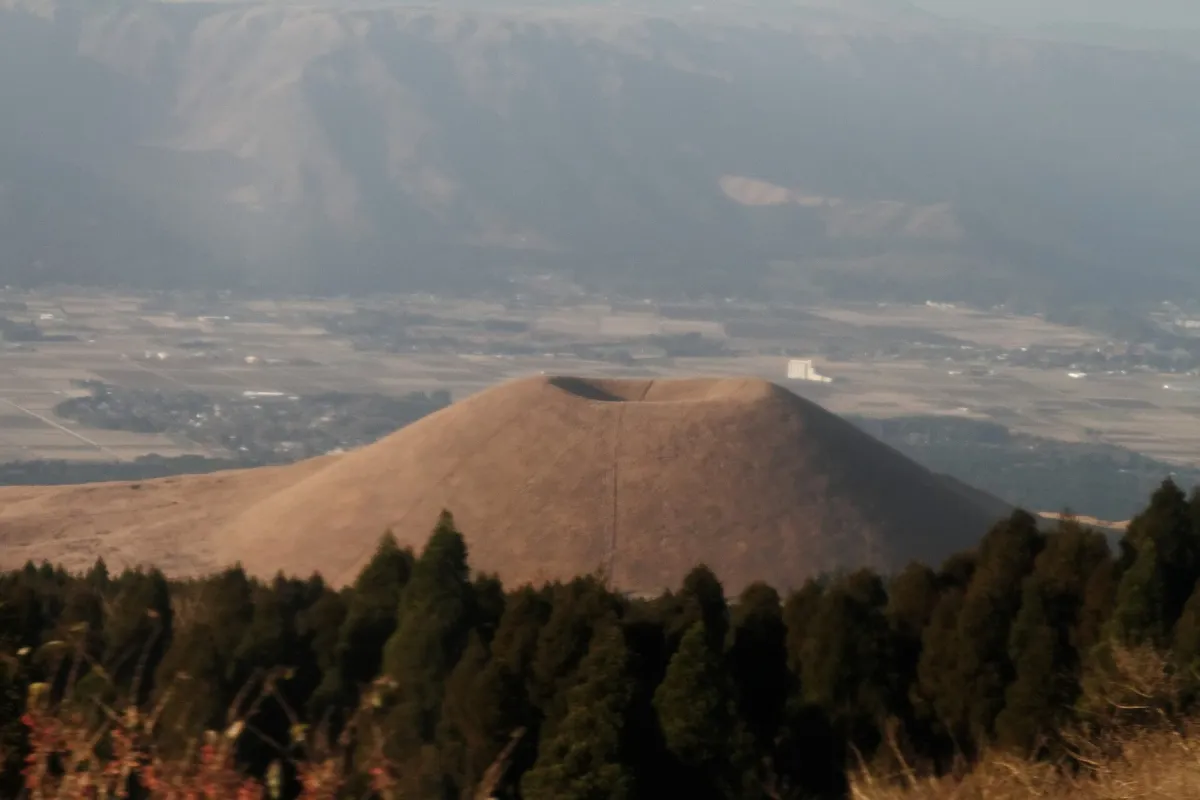
Mountain routes need suitable equipment, weather information, daylight and a credible return plan. Do not equate a destination's popularity with an easy trail. Japan's official Mount Fuji climbing site states that the 2026 climbing season has ended and summit trails are closed outside the designated season. A clear autumn day at the lakes does not make a summit ascent an ordinary sightseeing activity.
For national parks, check local trail conditions, wildlife advice and any closures with the park. On the coast, use designated swimming areas and follow lifeguard or operator instructions. Currents, waves, lightning and marine life can affect conditions even where the water looks calm. The Walking & National Parks section and Beaches guide explain how to choose a suitable outing.
Everyday security and evenings out
Use the same care with valuables and personal information that you would elsewhere. Keep the passport and payment methods secure, carry a backup payment option separately, and avoid displaying sensitive documents in photographs. Check the legitimacy of booking websites and messages before entering card or passport information.
For nightlife, choose venues with clear prices and conditions. Avoid unsolicited street approaches offering access to a bar or club, and do not hand over a card without understanding the charge. A cover, minimum order, time limit and drink package are different arrangements. Keep control of your belongings and plan a way back before the last convenient train.
If an item is lost, identify the actual operator or venue that last had it. Lost property on a train, in a station, at an airport and in a taxi may be handled separately. Preserve journey details and any receipt. For crime or an immediate threat, seek police assistance. For a passport problem, your own embassy or consulate has a different role from a tourism information desk.
Health & Safety FAQs
What are the emergency numbers in Japan?
Call 110 for police and 119 for ambulance or fire. The Japan Visitor Hotline provides visitor assistance, but urgent dispatch should be requested through the emergency services.
Can I bring any medicine if I have a prescription?
No. Check the exact ingredient and quantity with the Japanese authorities. Some medicines or devices need prior documentation or permission.
Is Mount Fuji open for climbing now?
At the 24 October 2026 check, the official site states that the 2026 climbing season has ended. Plan lowland viewing separately and use the official site for the status of the season you intend to climb.