
ASIA · JAPAN GUIDE
Longer Stays in Japan: Weekly and Monthly Accommodation
Choose weekly or monthly accommodation in Japan around the way you will use one base: cooking, laundry, sleeping space, storage and repeated local journeys. This guide compares temporary-stay formats, the terms behind a full-stay quote and a worked 28-night household budget. A useful kitchen and a quiet room can matter more over several weeks than a hotel lobby or a famous view.
For a touring holiday, daily sightseeing allowances, cash, cards and payment methods, use Travel Costs & Money. Here the focus is a temporary longer visit, rather than relocation or a resident salary comparison. Confirm the immigration status appropriate to your nationality, duration and activities through the Visa & Entry guide before committing to accommodation.
Choose an accommodation format that fits the stay
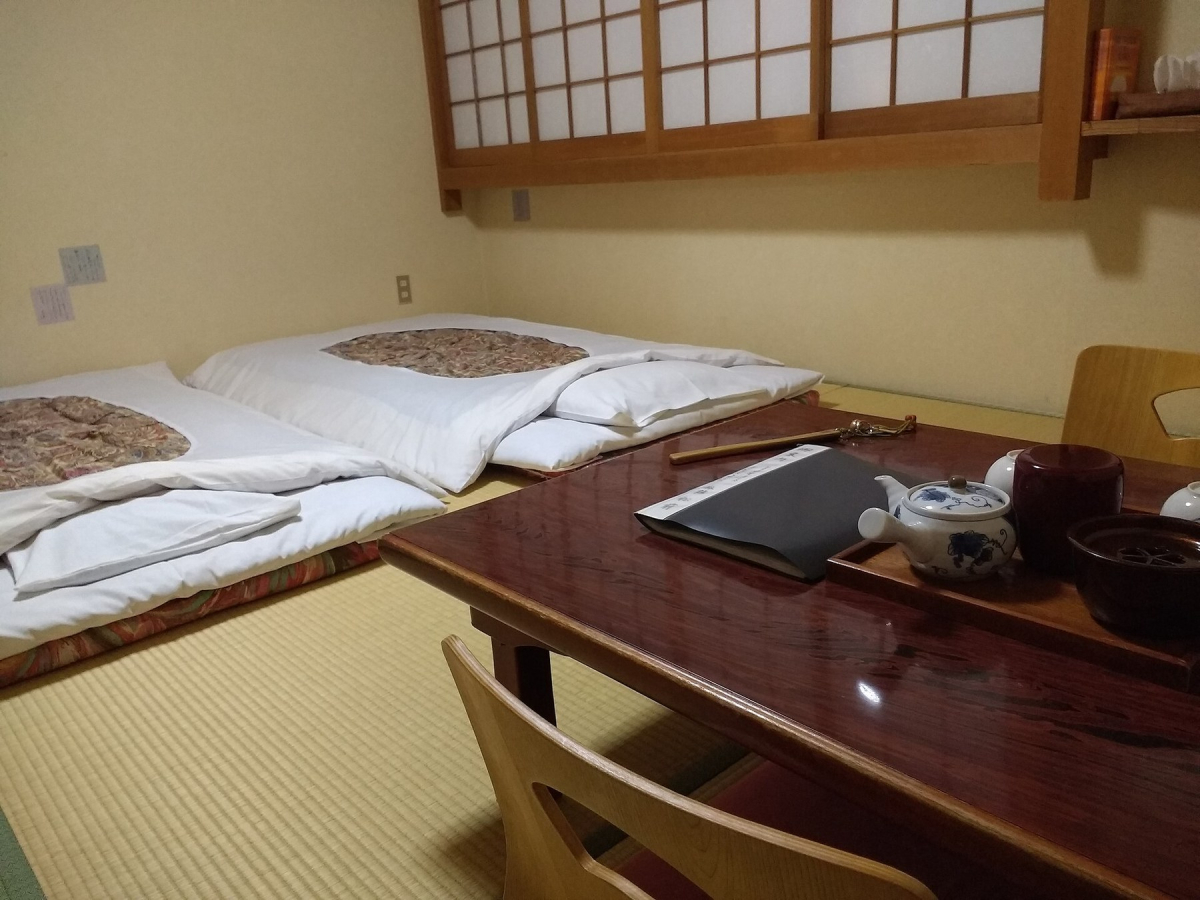

A conventional hotel can be convenient for a week or two when cleaning, reception and flexible arrival are priorities. For several weeks, room size, storage and laundry become more important. A business hotel may be efficient for a solo traveller who eats out, while a couple or family may gain more from an apartment-style unit with a functioning kitchen and separate sleeping space.
A serviced apartment, a short-stay rental and an ordinary residential lease have different terms. Do not assume a visitor can sign a standard tenancy without local documentation, a guarantor or setup costs. A monthly label can refer to a fixed period with fees and restrictions rather than a flexible nightly booking.
Confirm that the property accepts your proposed duration and party. Check the legal guest arrangement, cleaning frequency, waste disposal, visitors, cancellation and any deposit. A photograph showing a kitchen does not tell you whether cookware, utensils, a refrigerator or a suitable dining surface are included.
On smaller screens, swipe or scroll horizontally to read the full table.
| Format | Useful for | Check before committing |
|---|---|---|
| Hotel or business hotel | Shorter stays, reception support, minimal setup | Actual room space, laundry, breakfast and long-stay terms |
| Serviced apartment | A kitchen and more independent daily routines | Utilities, cleaning, equipment and minimum stay |
| Licensed short-stay rental | Families or groups wanting separate spaces | Guest rules, access, stairs, noise and total fees |
| Ryokan or minshuku | A regional experience or shorter countryside stay | Meal times, per-person pricing and suitability for a long visit |
| Residential lease | A different legal and practical commitment | Eligibility, guarantor, deposits, contracts and setup costs |
Compare bases by everyday life
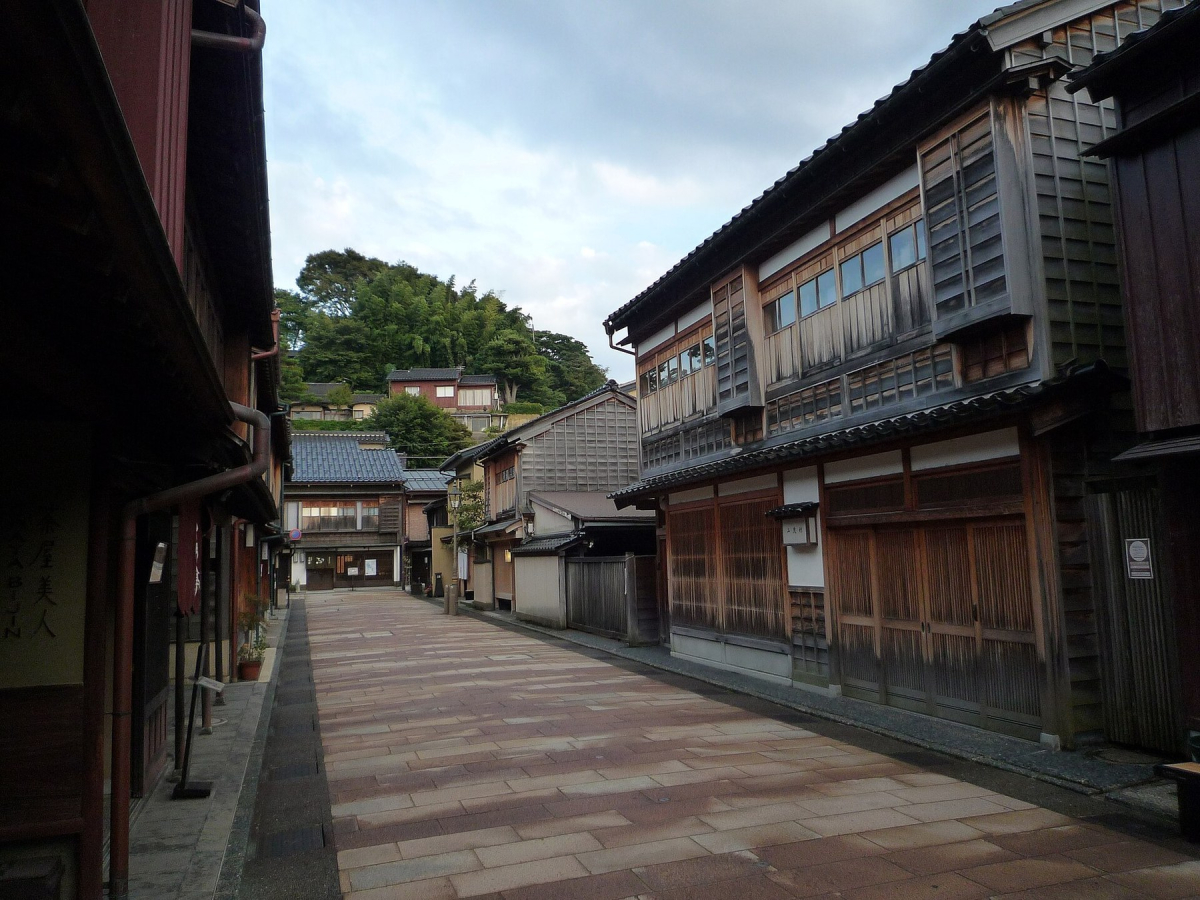

Use the Where to Stay guide to choose a region or district, then test the exact address against an ordinary week. In Tokyo, check the station and line you would use repeatedly, supermarket access, storage in the unit and noise at the time you expect to sleep. A famous district can be less useful than a quieter address on the right line.
Kyoto can suit a slower cultural stay, especially when you want to revisit gardens or museums. Choose a location with practical shopping and more than one transport option. A beautiful traditional house may involve steep stairs, limited sound insulation or a bathroom arrangement that is inconvenient for your group.
Osaka can work well for food, evening life and selected Kansai day trips. Kanazawa, Fukuoka and other regional cities can offer a different pace, but a lower advertised room rate should not be treated as proof of a lower total. Seasonal availability, the accommodation format and the journeys you make determine the real comparison.
A 28-night accommodation and household budget
The example below is for one adult staying 28 nights across 29 calendar days. Every amount is an editorial planning assumption, not a current rental quote or a measured average. It excludes international flights, intercity leisure trips, insurance, deposits, immigration-related expenses and major purchases. Replace the figures with the actual property's terms and your own spending plan.
On smaller screens, swipe or scroll horizontally to read the full table.
| Category | Assumption | JPY total |
|---|---|---|
| Accommodation | A 28-night unit allowance | 180,000 |
| Utilities | If not included; assumed allocation | 15,000 |
| Groceries | 29 days × ¥2,000 | 58,000 |
| Meals and cafés outside | 29 days × ¥1,500 | 43,500 |
| Local transport | 29 days × ¥500 | 14,500 |
| Connectivity | Stay-level allocation | 4,000 |
| Cleaning and setup | If separately charged; assumed allocation | 8,000 |
| Total | Sum of the categories; before a reserve | 323,000 |
If two adults share the same assumed unit, utilities and cleaning equally, while each keeps the same personal food, transport and connectivity allowances, the total is ¥221,500 per adult, or ¥443,000 for both. That arithmetic does not establish the unit's permitted occupancy or that the stated costs are available. It shows why shared and personal expenses must be separated.
Add a reserve suitable for the uncertainty in your plans. A refundable deposit still requires cash flow even when it is not ultimately a cost. If utilities or cleaning are included, remove those lines; if the property charges them differently, use the actual method. Do not subtract an imagined long-stay discount from a rate that has not been offered.
Groceries, kitchen access and laundry
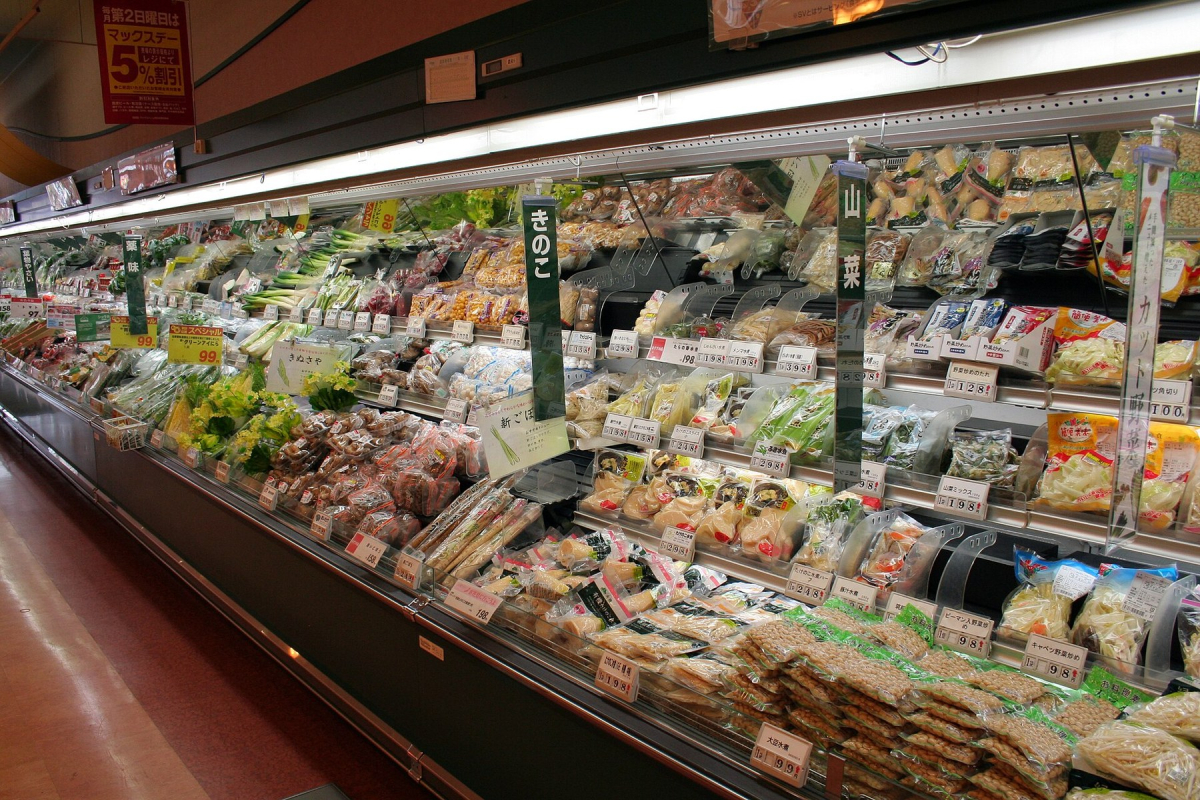

A kitchen saves money only when you can use it conveniently. Check the refrigerator size, cooking equipment, utensils and food-storage space. A single hotplate and a small sink may support breakfast and simple meals but not the cooking routine you have at home. For a family, a table and chairs may be as important as the cooker.
Explore supermarket opening times and the final walk with shopping bags. A station convenience store is useful for immediate needs, but it is not the same as a full supermarket. Seasonal produce and prepared food can change the way you shop. Budget for waste and small initial purchases such as detergent or cooking oil if they are not provided.
An in-unit washing machine, a shared laundry room and a nearby coin laundry are different conveniences. Ask whether drying is available, whether a machine is shared and how payment works. Avoid planning to dry everything in a cramped room without checking ventilation and the property's rules. Laundry access can reduce luggage, but it also needs time in the weekly routine.
Transport, workspaces and daily routines
Choose a base around repeated journeys rather than a single arrival transfer. If you plan to attend a course, visit the same institution or spend time in a particular district, price and time that route. A cheaper room that adds an hour of travel each day can be a poor trade-off over several weeks.
Do not assume that a commuter pass or other resident-oriented product is appropriate or economical for a short visit. Compare the actual eligible product, route and number of journeys. Similarly, a café is a business with its own seating and ordering expectations, not a guaranteed workspace for a full day.
If you require reliable internet for an activity permitted by your immigration status, ask about the connection rather than relying on a Wi-Fi icon. Shared building service, mobile reception and a dedicated wired connection are different arrangements. Check your own needs before committing to a long non-refundable stay, and keep the legal permission question separate from the technical feasibility.
Check the full terms and exit plan
Read the cancellation schedule, payment timing, deposit conditions and procedure for reporting damage. Clarify which charges can change and how utility overages are calculated. A low headline amount is less useful when mandatory fees are only revealed at the end of the enquiry.
For accessibility, ask about the building entrance, lift, internal steps, bathroom and sleeping arrangement. For a traditional property, stairs and floor-level sleeping can be decisive. Describe needs accurately and ask for the exact unit or room, not reassurance about the building in general.
Finally, keep a workable departure plan. Allow time to clean or check out according to the terms, dispose of waste correctly, forward or store luggage and reach the airport. A long stay can make the last day feel ordinary, but the international flight still imposes a firm deadline. Reconfirm transport and checkout details before the final week.
Longer Stays & Costs FAQs
Does a monthly booking allow me to stay or work in Japan?
No. Immigration permission depends on your nationality, status, duration and activities. A property’s willingness to accept a booking does not establish legal eligibility.
Are the budget figures current rental prices?
No. They are explicitly labelled planning assumptions used to demonstrate the arithmetic. Obtain a current complete quote for the actual unit, dates and occupancy.
Is an apartment always cheaper than a hotel?
No. Utilities, cleaning, minimum-stay rules, deposits, location and equipment can change the comparison. Use the full-stay total and the actual terms.