
ASIA · JAPAN GUIDE
Best Time to Visit Japan: Weather & Seasons
The best time to visit Japan depends on where you are going and what you want to do. A ski trip in Hokkaido, a Kyoto garden visit and a beach stay in Okinawa do not share one ideal month. Choose the activity and region first, then compare weather, crowding and the booking consequences.
Seasonal descriptions are planning context, not a forecast. Blossom timing, autumn colour, snowfall and storms vary from year to year and with elevation. A photograph shows what happened on one occasion; it does not guarantee the same scene during your dates. Check current forecasts and local access close to travel.
Compare the main travel seasons
On smaller screens, swipe or scroll horizontally to read the full table.
| Season | Useful priorities | Main trade-off | What to check |
|---|---|---|---|
| Spring | Gardens, city walks, blossoms | Crowding and uncertain flowering dates | Local blossom reports and holiday demand |
| Early summer | Green landscapes, museums, flexible city visits | Rain and increasing humidity | Regional forecasts and outdoor alternatives |
| High summer | Northern landscapes, open mountain routes, festivals | City heat and storms | Heat warnings, trail status and event dates |
| Autumn | Gardens, walking, foliage | Different colour timing and busy weekends | Elevation, local reports and last transport |
| Winter | Snow sports, onsen, clear-day city visits | Snow, ice and regional transport disruption | Road conditions, resort status and daylight |
Japan's long north–south extent and mountain terrain make national averages a weak planning tool. The national parks seasons guide illustrates how conditions vary across the country. Use a forecast for the place and altitude of the activity, rather than only the nearest large city.
The most workable season is often the one in which you can plan an enjoyable alternative. If a garden is attractive without peak flowers or a city has museums you want to visit during rain, the trip depends less on perfect timing. A single landscape photograph is a fragile foundation for an expensive holiday.
Spring: blossom planning without a guarantee
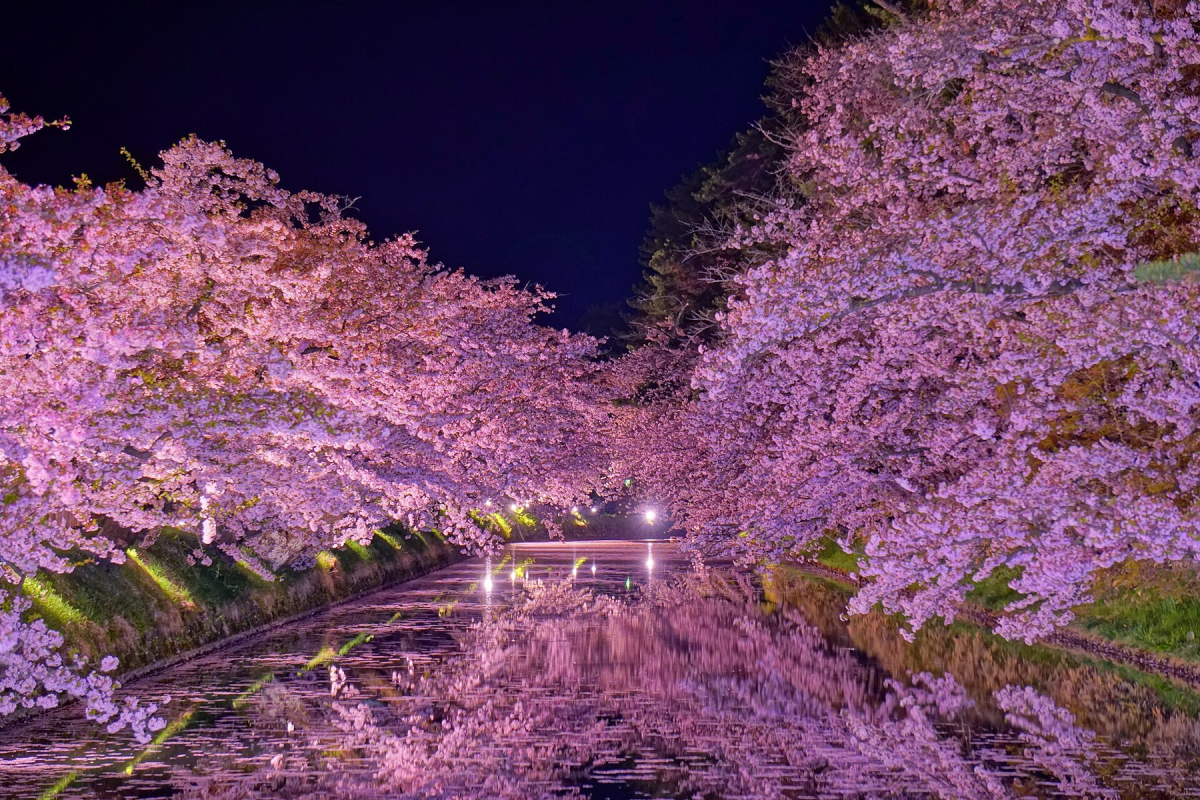

For a spring trip, distinguish the broad season from a particular location's peak. Flowering moves geographically and can be affected by weather. Tokyo, Kyoto, Hirosaki and Hokkaido may be at quite different stages during the same week. Late-flowering varieties can also create differences within one city.
Book a route with more than one reason to visit each base. In Kyoto, temples, gardens, craft and food remain worthwhile when blossoms are not at their peak. In Tokyo, neighbourhoods and museums give flexibility. If you travel north in pursuit of flowers, account for the transport and additional nights rather than treating a later bloom as a free correction to a fixed itinerary.
Popular periods can make accommodation and certain transport harder to reserve. Check Japanese holidays and local events for your specific dates. A flexible booking can be useful when the main goal depends on a forecast that will only become meaningful closer to departure. Avoid non-refundable changes based on a distant seasonal prediction.
Summer: choose the region and adjust the day
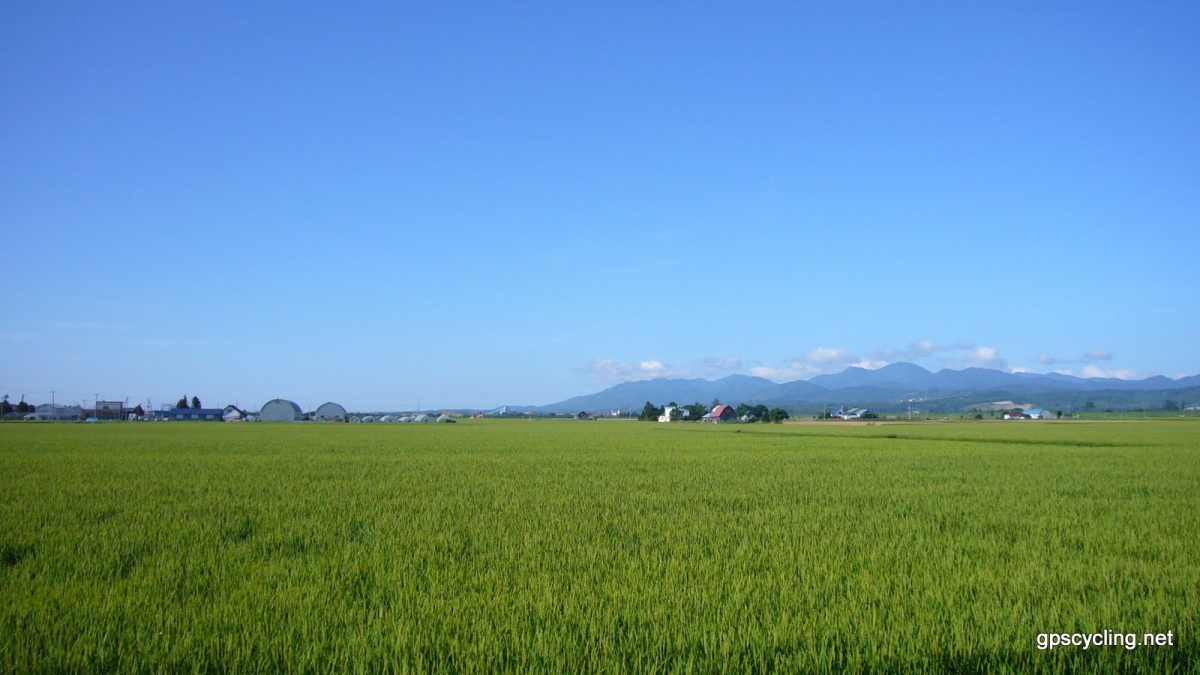

Much of central and southern Japan experiences a rainy early-summer period, followed by hot and humid conditions. Timing and intensity vary, and Hokkaido does not follow exactly the same pattern as the main Honshu city corridor. An indoor plan is useful, but persistent severe weather can also affect the journey to the museum.
In cities, shift exposed walking to more comfortable parts of the day and leave time for rest. A garden circuit that appears modest on a map can be tiring in heat and humidity, especially for children, older travellers or anyone carrying equipment. Book fewer fixed activities on a day when you may need to slow down.
Northern landscapes and mountain areas offer alternatives, but altitude brings its own preparation. A cool summit, sudden storm or closed route can exist while the city below is hot. Mount Fuji climbing requires the official open season and current rules; lowland views and summit access are separate decisions. See the Mount Fuji guide before planning either.
Autumn: foliage moves with latitude and elevation
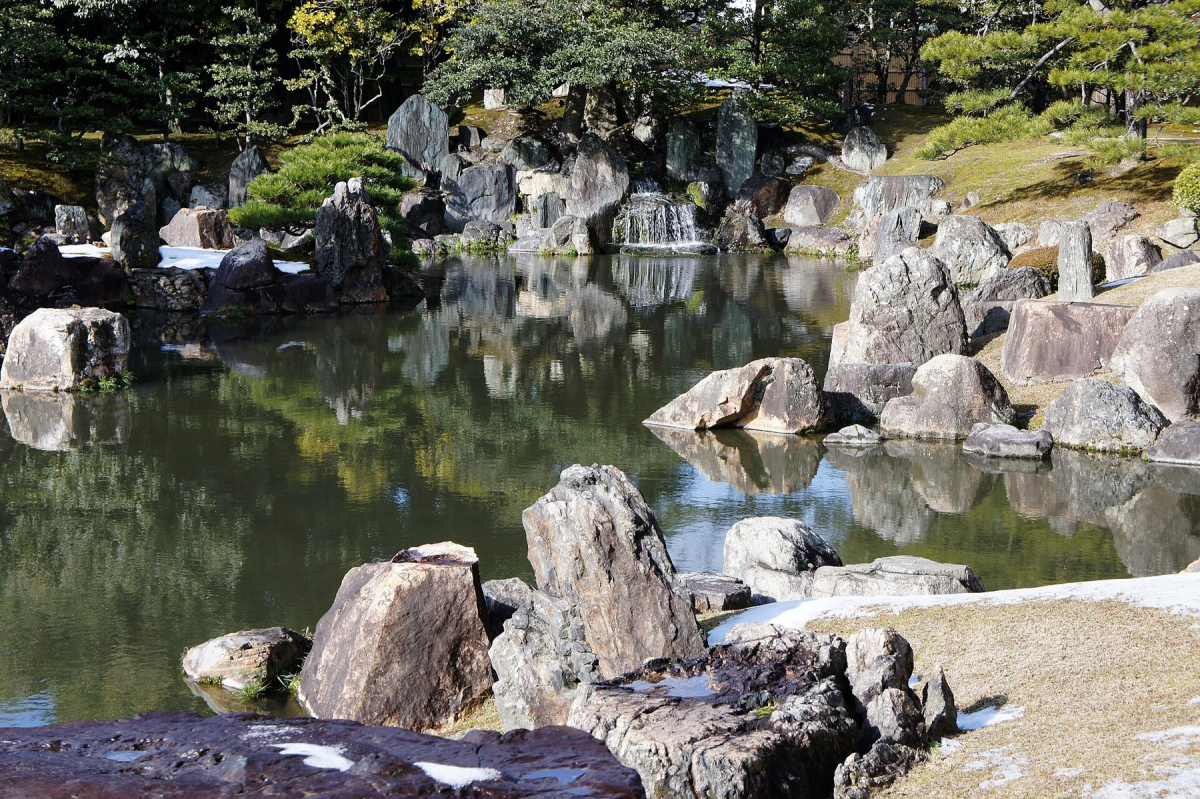

Autumn colour generally develops earlier in northern and higher areas than in lower southern locations, but a national calendar cannot predict a particular garden's appearance. A mountain photograph and a Kyoto city photograph taken in autumn may belong to very different weeks. Choose the places you want to visit, then consult local reports closer to the date.
Autumn can also overlap with storm disruption and changing mountain access. A pleasant afternoon in a city does not establish safe conditions on an exposed trail. Check the return bus, road status and daylight for an outdoor excursion. Higher routes can become wintry before a lowland holiday feels like winter.
Popular foliage weekends and special evening openings can create their own crowds and ticket conditions. A nighttime event may have a separate entry process from the daytime attraction. If the event matters to the trip, confirm the official date, actual opening nights and transport home before choosing accommodation.
Winter: snow country and Pacific-side cities
Winter is not one uniform experience across Japan. Northern and mountain areas can have substantial snow, while parts of the Pacific side of Honshu often offer a different pattern of clear, cold days. Okinawa has a milder climate, but winter weather there should not be assumed to provide ideal swimming or boat conditions.
For snow sports, choose the resort and check the services operating for your dates. A ski-area opening announcement is different from every lift and run being open. Accommodation location, equipment rental, lessons and the final transport connection all matter. Insurance needs a separate check for the actual activity and any off-piste plans.
For a non-skiing trip, allow for icy steps and walkways at temples, castles and onsen towns. A compact itinerary with accessible transport and indoor alternatives can work well. Driving in snow requires the right vehicle, equipment and experience; a summer road-trip estimate is not a suitable winter schedule.
Crowds, holidays and events
Check national holiday periods and major local events before deciding that a particular flight deal makes the trip convenient. The effect is local as well as national: a festival, performance or special exhibition can fill accommodation and change street access in one city without affecting another base in the same way.
New Year can bring distinctive shrine visits and seasonal atmosphere, but it can also affect shop, museum and restaurant opening patterns. Do not assume that a normal weekly closing day tells the whole story. Confirm the institutions you most want to visit and keep meals and transport practical during holiday periods.
For events, distinguish a recurring tradition from a confirmed future programme. Our Festivals & Events section includes specific dated examples checked for this edition. A historic festival photograph is illustrative context, rather than a promise of the same performance, parade route or access next year.
Build flexibility into the itinerary
Put the most weather-sensitive activity where it has an alternative day, if the trip allows. A Fuji-viewing stay with two mornings gives more flexibility than one brief stop, although it still cannot guarantee visibility. A coastal stay before a long-haul flight should include a sensible disruption buffer when boats or separate domestic flights are involved.
Use the Japan Meteorological Agency for official hazard information and the relevant operator for service status. Forecasts, warnings, trail closures and flight decisions are different pieces of information. Check each one that affects the actual activity.
Pack for the range of conditions in your selected regions rather than an imagined national average. Lightweight layers, appropriate rain protection and footwear suited to the route are more useful than a rigid seasonal packing list. If the plan repeatedly requires perfect weather, reduce the number of fixed commitments.
Best Time to Visit FAQs
Which month is best for all of Japan?
There is no single best month for every region and activity. Select the region and priorities, then compare weather, access, crowding and current forecasts.
Can I guarantee cherry blossoms by booking a particular week?
No. Flowering varies by year, latitude, elevation and variety. Build a route that remains worthwhile outside peak bloom.
Is autumn automatically suitable for mountain hiking?
No. Higher routes can have closures, snow or severe weather while cities remain mild. Check the specific route, forecast, daylight and return transport.