
ASIA · JAPAN GUIDE
Mount Fuji Photo Guide: Viewpoints, Access & Climbing Seasons
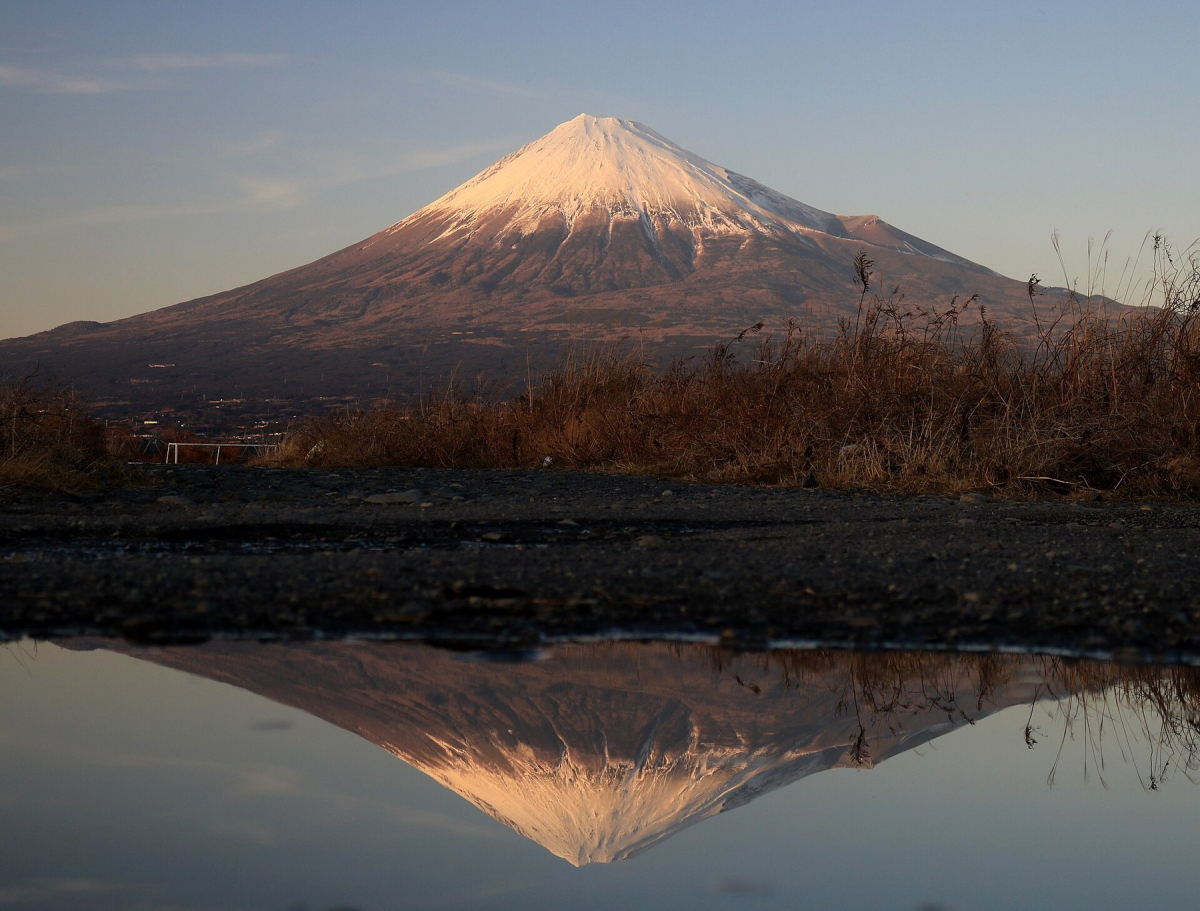

Mount Fuji can be the focus of a lake stay, a lowland landscape visit or a carefully prepared in-season climb. Those are different trips. Seeing the mountain does not require climbing it, and reaching a fifth-station area does not establish that a summit route is open. Choose the experience first, then check the transport and conditions that make it possible.
At the 24 October 2026 check, the official Mount Fuji climbing website states that the 2026 climbing season has ended and summit trails are closed outside the designated season. The viewing and photography suggestions below concern permitted lowland locations unless a climbing section explicitly says otherwise.
Viewing Fuji and climbing Fuji are separate plans
Fuji's 3,776-metre height is only one part of its significance. UNESCO's Fujisan World Heritage description explains the relationship between the mountain, pilgrimage, sacred sites and artistic inspiration. The heritage landscape extends beyond a single summit photograph.
For a viewing trip, choose a base that remains enjoyable when clouds cover the mountain. Lakes, local museums, town walks and an appropriate onsen stay can support that plan. For a climb, the official route, season, booking requirements, weather, equipment and personal preparation become central. A sightseeing itinerary is not a substitute for a mountaineering plan.
Do not describe the mountain as snow-free or safe simply because a calendar says summer. Conditions can change and the official opening period differs by route and year. A photograph of people on a trail or an old account of a night ascent does not establish current access or suitability.
Choose a viewing base
On smaller screens, swipe or scroll horizontally to read the full table.
| Area | Useful reason to compare | Main constraint |
|---|---|---|
| Lake Kawaguchi area | A visitor base with lake scenery and regional transport | Crowds, weather and the final bus or walk |
| Lake Yamanaka area | A different lake-and-mountain relationship | Viewpoint access and transport frequency |
| Saiko, Shoji and Motosu areas | Other lake landscapes and a quieter regional plan | More selective transport and local access |
| Shizuoka / Fuji River side | A southern lowland landscape perspective | The actual public viewpoint and local journey |
| Hakone | Hot springs and a broader scenic stay | Fuji visibility is conditional and not the only purpose |
| A passing train view | A brief opportunity on an existing journey | Clouds, seat, reflections and a short viewing window |
Lake Kawaguchi is a common starting point because it supports a range of visitor services and onward local travel. It is still a spread-out area, so a hotel described as near the lake may require another bus, taxi or substantial walk from the station. Check the precise shoreline and room-view claim before paying for a view-led stay.
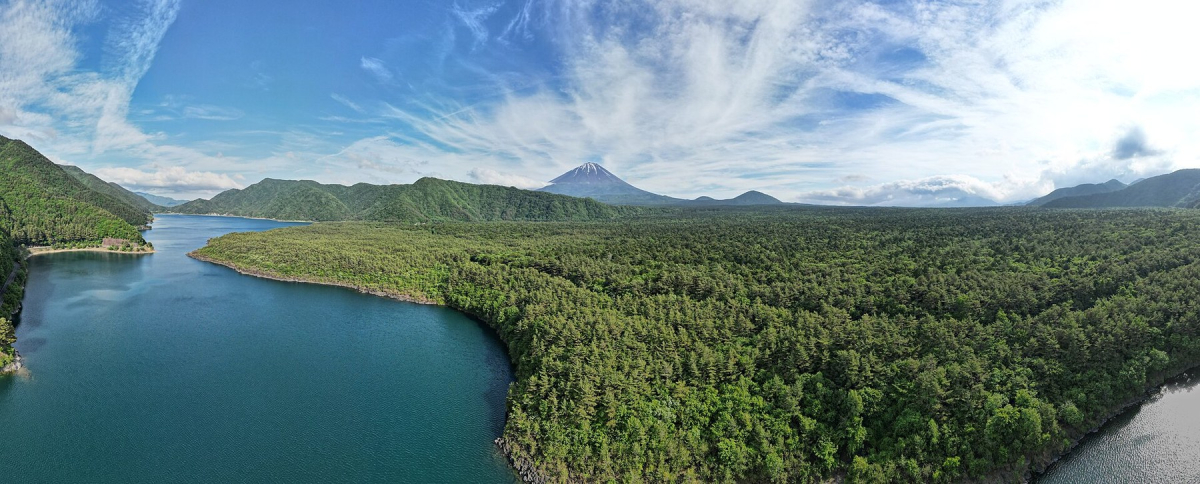
The other Fuji Five Lakes—Yamanaka, Saiko, Shoji and Motosu—create different landscapes and access decisions. They are not five adjacent viewpoints to rush through between trains. Choose one or two that fit the transport and time available. A remote-looking shore may have limited facilities or parking, and a famous image may have been made from a position requiring a separate access check.

Plan the actual journey to the viewpoint
From Tokyo, the rail approach through Otsuki and the Fujikyu Railway is one way to reach Kawaguchiko. Other rail and highway-bus products have their own reservation, stopping and operating arrangements. Confirm the service and boarding method for your dates rather than assuming all trains continue directly to the same destination.
From the Kyoto or Osaka side, Mishima and Shin-Fuji are distinct Shinkansen stops and create different onward possibilities. Neither station is the summit or automatically the best gateway to every lake. Check the complete regional connection before choosing a stop simply because it contains Fuji in its name.
A fifth-station bus is a separate seasonal and operational question. Road status, weather, service dates and the chosen route matter. For a short viewing visit, a lowland plan may be more satisfying than spending most of the day reaching a higher transport terminus with no guarantee of visibility. See Getting Around Japan for the wider ticket and baggage decisions.
Light, visibility and a useful photography plan
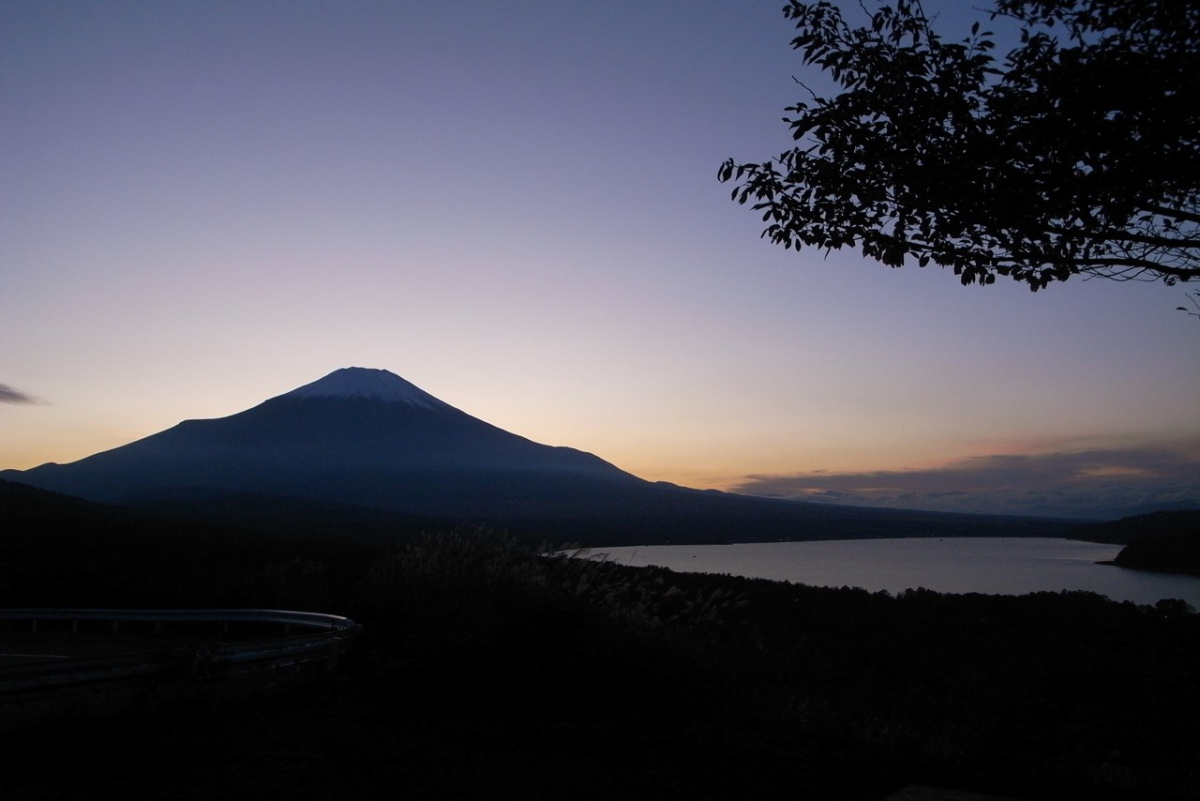

Clearer conditions are often associated with cooler periods, but no month guarantees an unobstructed mountain. Cloud can change quickly, and the most dramatic light may occur when local transport is limited. A stay with more than one possible viewing period gives flexibility without creating a promise of success.
For a reflection, you need an appropriate permitted viewpoint as well as sufficiently calm water. Wind, boats and the shape of the shore affect the result. Do not enter private land, unstable banks or a road shoulder to force the composition. At popular viewpoints, follow current crowd and photography rules rather than an old image posted online.
Keep a second subject in mind: a town detail, lake atmosphere or local cultural stop can be worthwhile when Fuji is hidden. Avoid turning a disappointing forecast into repeated long transfers between lakes. The mountain's absence is a normal possibility to plan for, not a failure you can always solve by driving farther.
Climbing: use the official season and route rules
The official climbing-season page publishes route-specific operating periods and facility information. For a future climb, check the announced season rather than carrying the 2026 dates into another year. Registration, fees, reservation and hut arrangements can differ between routes and seasons.
Choose an ascent only with suitable preparation, equipment, weather information and personal fitness. Altitude, exposure and cold remain relevant even when lowland Japan is warm. A sunrise ambition is not a reason to make an unprepared overnight ascent or disregard a closure. Confirm insurance and any guided activity's scope separately.
If the summit routes are closed or the conditions unsuitable, use a permitted lowland viewing plan. Do not describe a closed trail as a quiet alternative. Mountain huts, toilets, medical support and transport can have their own operating periods, so the existence of a road to a lower area does not establish support higher on the mountain.
Where to stay and what to do when the mountain is hidden
For a lake stay, compare the station connection, food options, the exact room category and the property's view description. A bath photograph does not establish a private onsen in every room, and a room labelled mountain view does not guarantee cloud-free conditions. Meal-inclusive stays also require attention to arrival time.
Choose nearby activities for their own merit. A museum, a shoreline walk or a hot-spring visit can support an enjoyable day without a mountain view. Hakone is a distinct area with its own transport and weather; it should not be described as a quick guaranteed replacement viewpoint for every Fuji lake itinerary.
Keep the onward journey realistic, especially if the next day involves an international flight. A weather-sensitive bus and a separate long-distance ticket can reduce flexibility. The Japan base guide and worked itineraries help decide whether Fuji belongs as a separate stay or should remain an optional future trip.
Mount Fuji FAQs
Can I climb Mount Fuji in October 2026?
The official site states that the 2026 climbing season has ended and summit trails are closed outside the designated season. Use permitted lowland viewing options and check the official status for any future climb.
Does a fifth-station bus mean the summit is open?
No. Road, bus, facility and trail status are separate. Check the route-specific official information.
Which lake guarantees the best reflection?
None guarantees a reflection or visibility. The permitted viewpoint, wind, light, weather and access all matter.
Can I see Fuji from a train instead of staying nearby?
A passing view may be possible on an appropriate journey, but it is brief and depends on seat, weather and reflections. A lake stay is a different experience.