
ASIA · JAPAN GUIDE
Japan Attractions: Landmarks, Gardens & Regional Choices
Japan's attractions are most useful when grouped into regional days. A temple, a castle, a memorial museum and an alpine valley ask for different amounts of time and attention. Choose the places that support your interests, then build a route around them. This page compares places; Things to Do focuses on experiences, and Itineraries puts selected places into a daily sequence.
The suggested visit periods below are editorial planning allowances rather than official minimums. They include time to explore the site but do not replace the journey from your accommodation. Special exhibitions, access changes and queues can alter the day. Check the institution's current information before making a fixed booking.
Compare places before adding another transfer
On smaller screens, swipe or scroll horizontally to read the full table.
| Place | Why choose it | Planning allowance | Access consideration |
|---|---|---|---|
| Tokyo city districts | Urban design, museums and contrasting neighbourhoods | Several focused half-days | Choose a compact district pair |
| Kamakura Great Buddha | Buddhist sculpture and a coastal-town day | A half-day area visit or longer | Final approach from Hase and nearby sites |
| Ginkaku-ji, Kyoto | Garden design and eastern Kyoto context | A relaxed part of a half-day | Garden paths, gradients and local approach |
| Todai-ji, Nara | Monumental temple architecture | A half-day with the surrounding park | Walking and busy religious precincts |
| Himeji Castle | Surviving castle architecture | A half-day, longer with Koko-en | Steep internal stairs and weather exposure |
| Kumamoto Castle | Castle history and restoration context | A half-day city visit | Current visitor route and ongoing works |
| Hiroshima Peace Memorial area | History, testimony and remembrance | A substantial half-day or longer | Allow time for the museum and reflection |
| Miyajima / Itsukushima | Shrine, tidal setting and island landscape | A full excursion day | Local rail, ferry and tide planning |
| Kanazawa historic districts | Traditional streets and craft context | A half-day district visit | Station-to-district connection |
| Kamikochi | Alpine-valley scenery and walking | A full excursion or overnight stay | Seasonal road and bus access |
Tokyo and a Kanto day trip
Tokyo: choose a district day
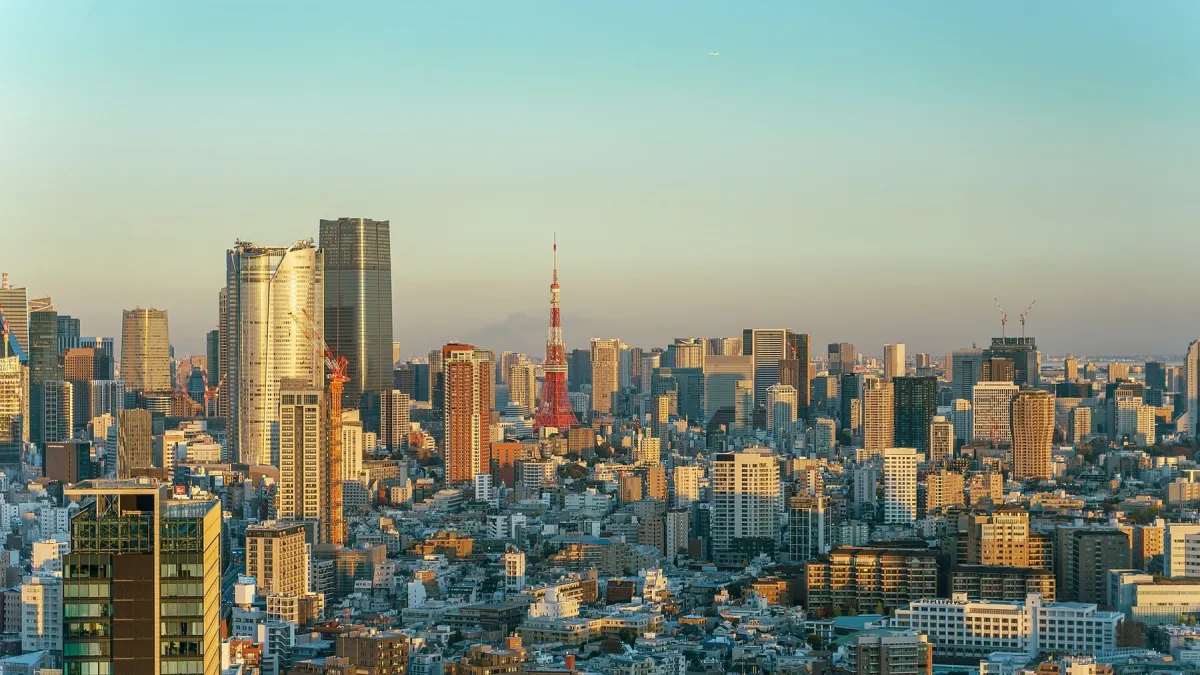

Tokyo is a collection of contrasting districts rather than one compact attraction zone. Pair a museum and park area, a historic shopping street and nearby temple precinct, or an urban-design walk and an observation point. Choose the pairing according to your interests and transport, instead of crossing the city repeatedly for a checklist.
For a first visit, leave enough time to understand the station and surrounding streets. A museum can anchor a rainy day, while an observation visit depends more on visibility and the specific ticket conditions. Keep the paid attraction and the neighbourhood walk distinct when comparing costs. For camera planning, our Tokyo photo sections explain light, viewpoints and privacy rather than repeating an attraction list.
Kamakura: the Great Buddha at Kotoku-in
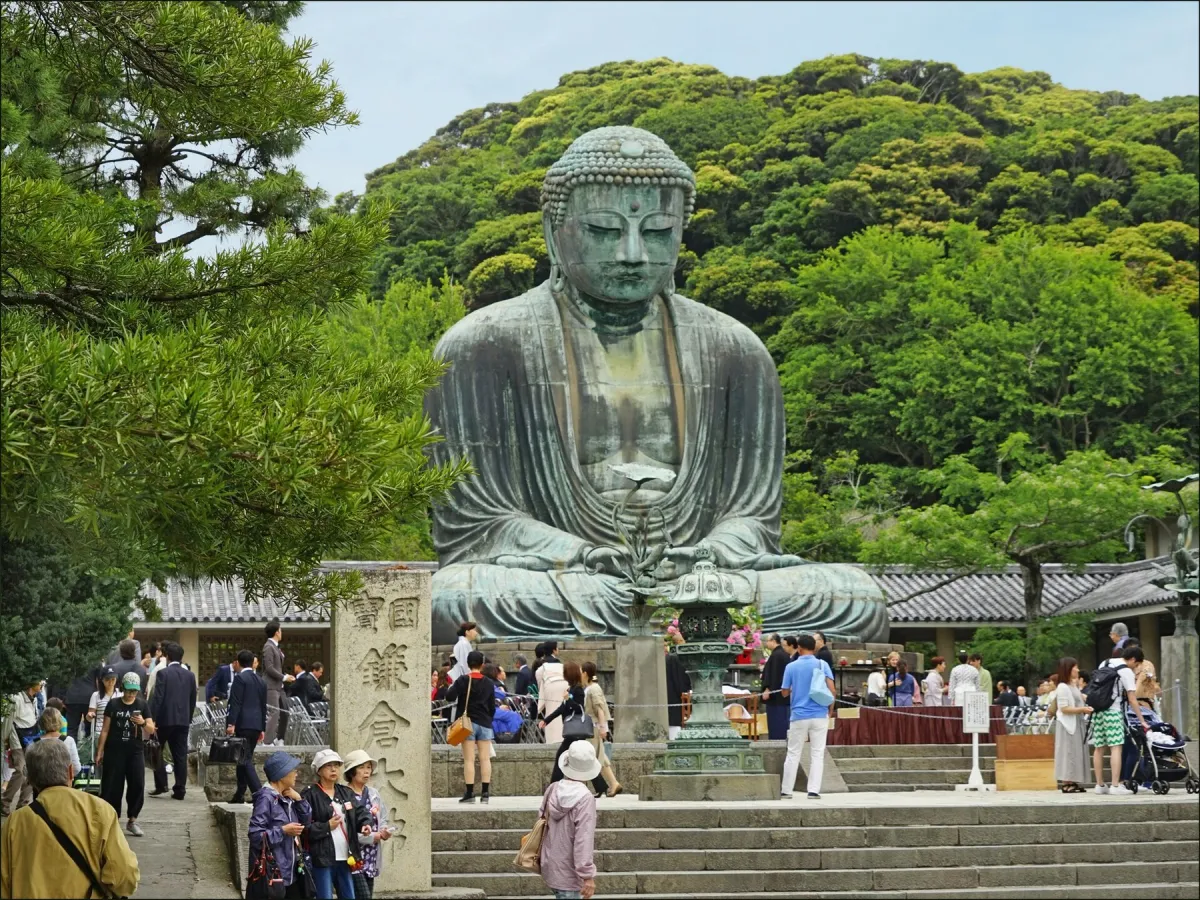

The Great Buddha is a strong focus for a Kamakura day, but it is most rewarding with time for the surrounding town rather than a rushed photograph and return train. Approach through the Hase area and choose a nearby temple or coastal walk according to your pace and the weather.
The statue is a religious object within an active temple setting. Observe signs and give other visitors space around ceremonies and worship. The coast can be a useful contrast after temple visits, but a scenic beach walk and a supervised swimming day are different activities. If your group includes mobility needs or small children, check the final walk and avoid adding a lengthy hill route simply because it appears close on the map.
Kyoto and Nara
Ginkaku-ji: a garden-led Kyoto visit
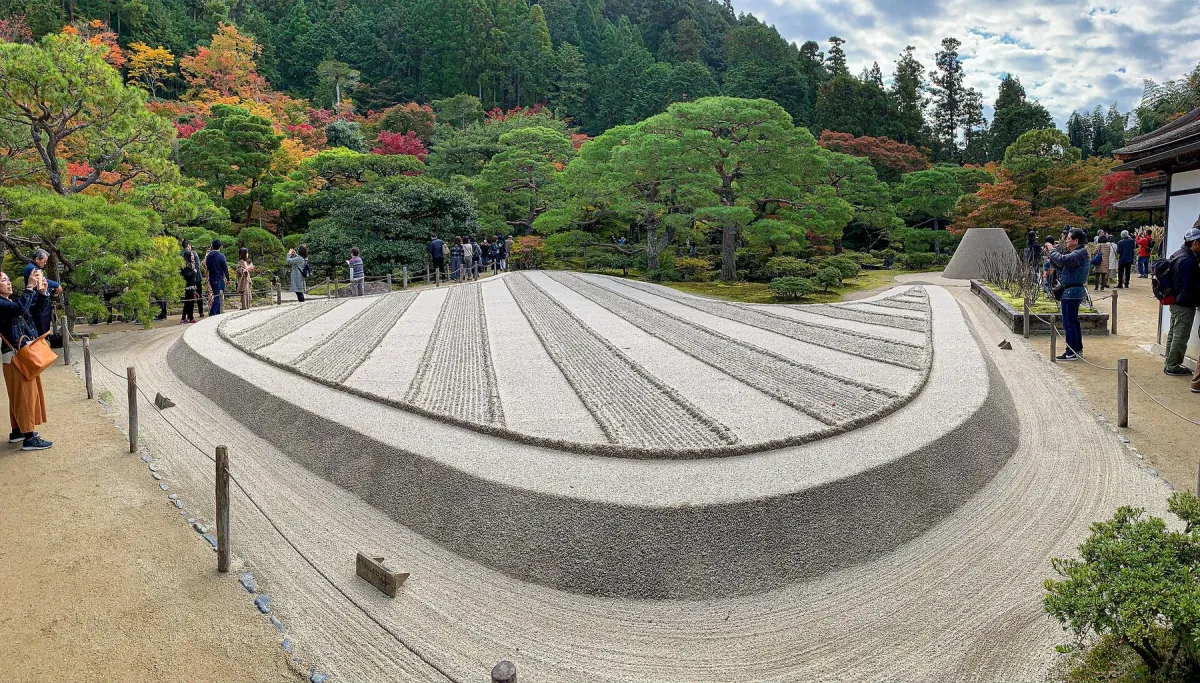

Ginkaku-ji suits travellers interested in garden design and an eastern Kyoto day. Give the garden time rather than treating the visit as a quick view of a pavilion. Sand forms, planting and the changing relationship between a path and a view create much of the experience.
The approach can be paired with a nearby walking route, but opening hours, slopes and the distance back to useful transport still matter. Avoid combining it with every famous temple across the city in one day. The northern and eastern districts are different from Arashiyama on Kyoto's western side. A focused half-day leaves more room for the details you came to see and for a meal without another long transfer.
Todai-ji: Nara’s monumental temple setting
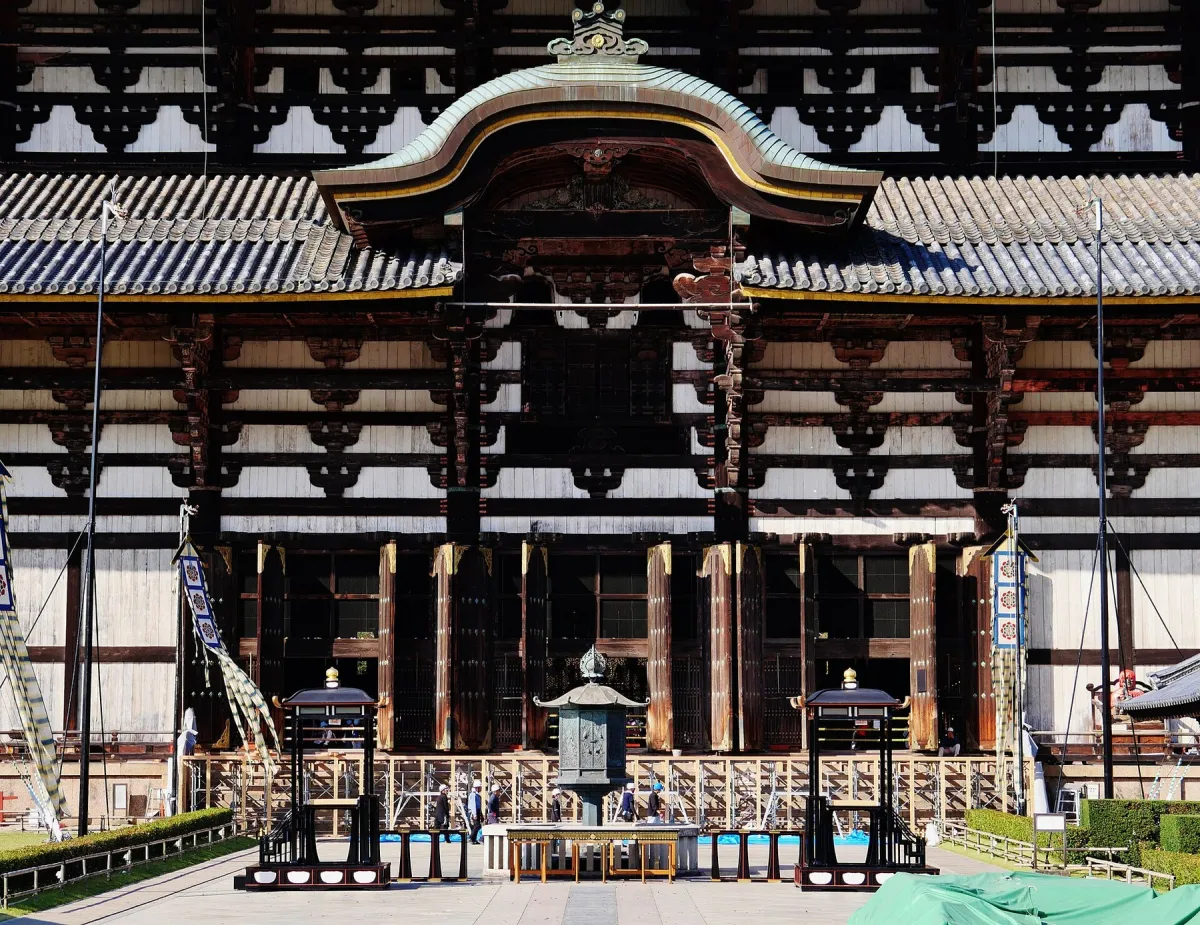

Todai-ji provides a striking contrast to Kyoto's more intimate garden visits. The scale of the hall and the surrounding precinct make it a useful choice for travellers interested in architecture and early capital history. Allow time to approach slowly and understand the setting rather than only entering the best-known building.
Nara's park landscape can make the day feel spacious, but it still involves walking and shared paths. Follow local deer guidance and keep food, papers and belongings secure. Families can simplify the day by choosing one main religious site and a relaxed park route. A temple interior, a hillside approach and the station journey have different accessibility demands; check the exact route for your group.
Two different castle visits
Himeji Castle: surviving timber architecture
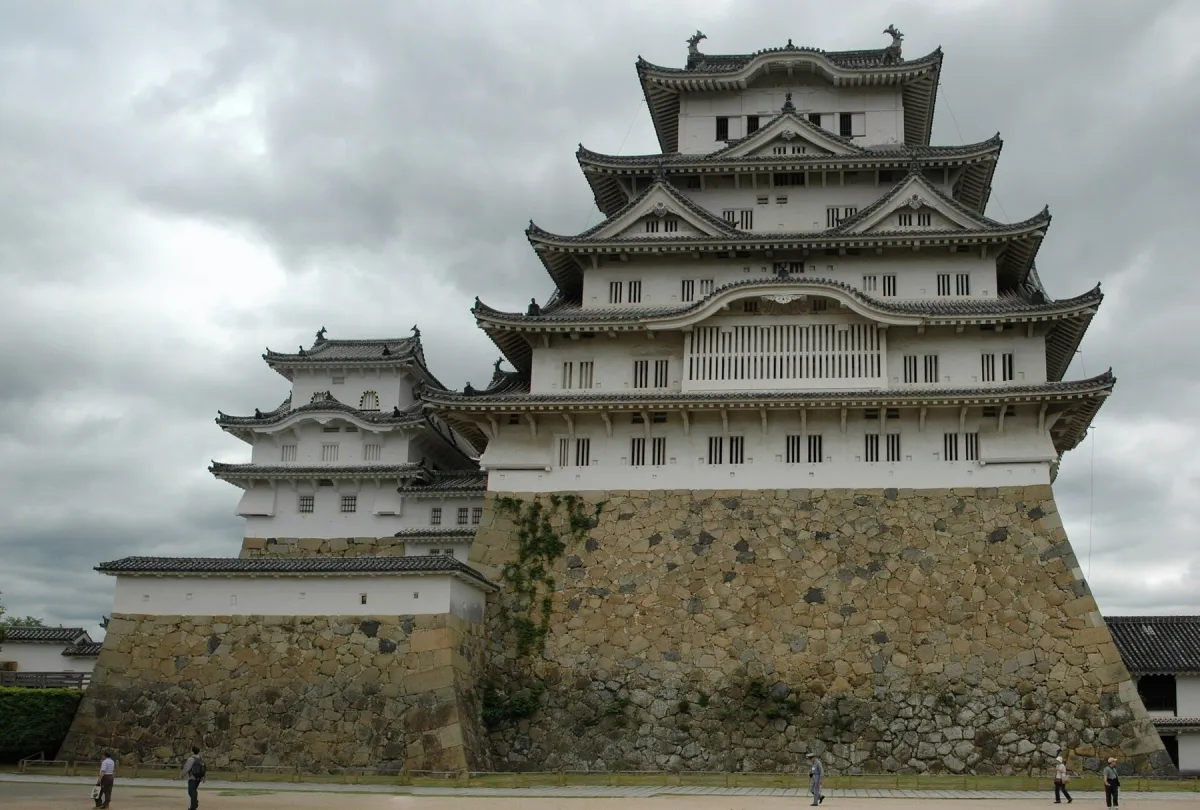

Himeji is a strong choice when you want to understand castle architecture rather than only see a landmark exterior. The keep, defensive layout and approach through the complex reward a substantial visit. Koko-en can provide a garden contrast if you have enough time and the relevant ticket arrangements work for the day.
The official castle site warns that the interior has no lifts or escalators and that hot-season conditions need care. Internal stairs and exposed sections can be demanding. Visitors who cannot enter the keep can still plan an exterior-focused day, but should check the permitted route and current visitor information rather than assuming full access.
Kumamoto Castle: history and restoration
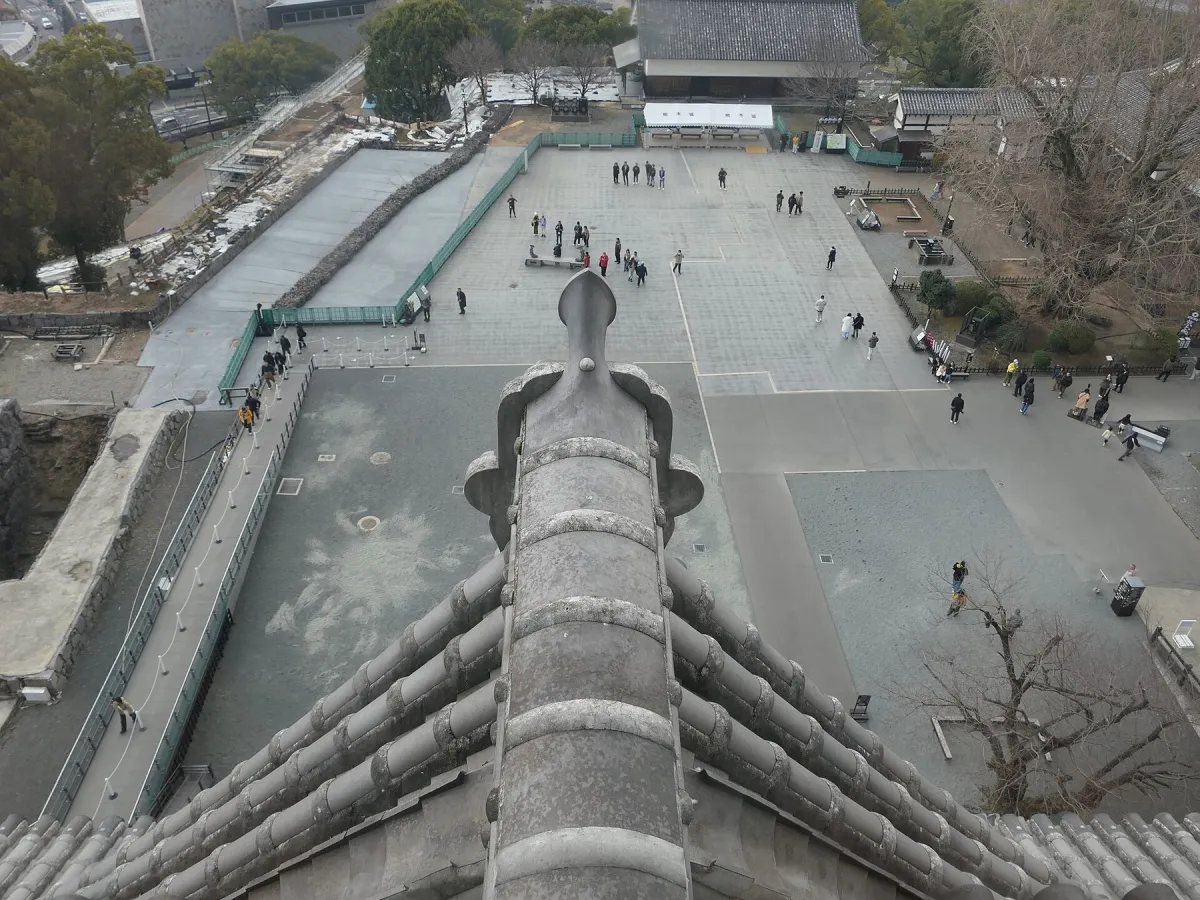

Kumamoto Castle belongs in a Kyushu itinerary rather than as a distant casual addition to a short Tokyo–Kyoto trip. It offers an opportunity to understand a major castle complex alongside the effects of damage, reconstruction and continuing conservation. Read the current interpretation of what is original, restored or newly accessible.
The visitor route can be affected by restoration work, so check what is open before deciding how much time to allow. Pair the castle with a manageable city visit rather than a second distant excursion on the same day. The photograph records the site at a particular time and should not be read as a live image of the entire accessible area.
Hiroshima and Miyajima
Hiroshima Peace Memorial area
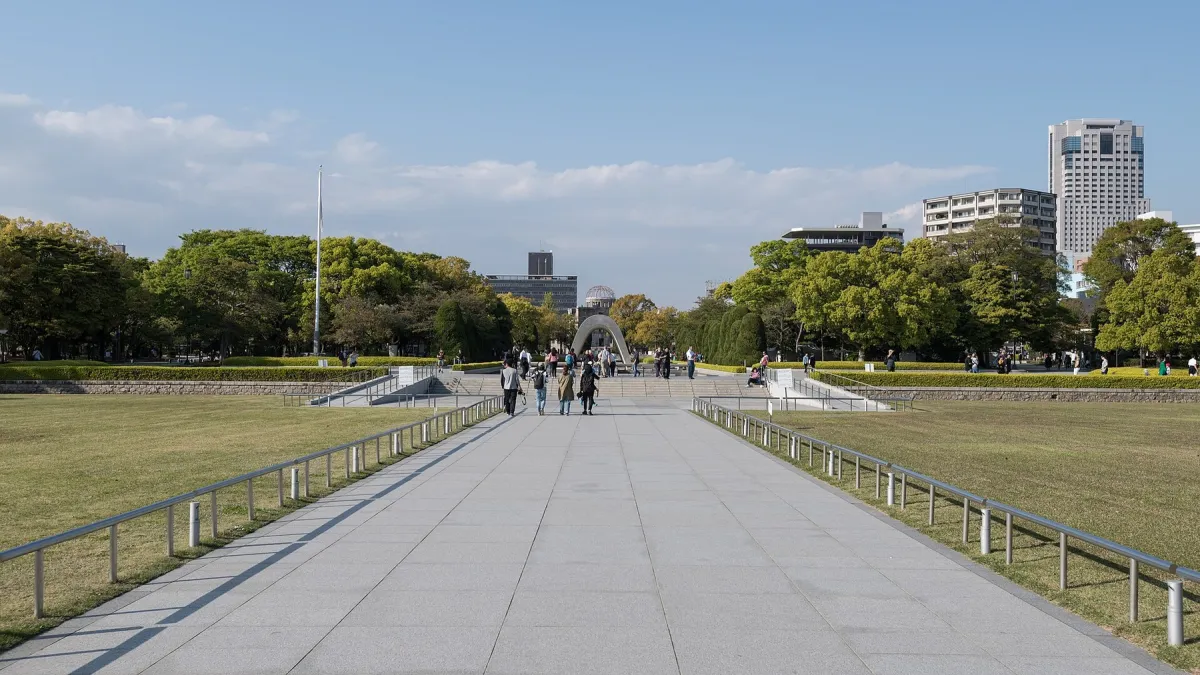

Hiroshima's peace memorial sites are a reason to stop and engage with history. Plan enough time for the museum, the park and the emotional weight of the material. A brief photograph at the Atomic Bomb Dome is not equivalent to understanding the wider memorial context.
Approach testimony and ceremonies respectfully. Families may want to review the exhibition content in advance and allow a quieter period afterwards. The station and memorial district are separate parts of the arrival journey, so include the local connection. If you also want Miyajima, staying in Hiroshima gives more flexibility than trying to compress both into a hurried through-stop with luggage.
Miyajima and Itsukushima Shrine
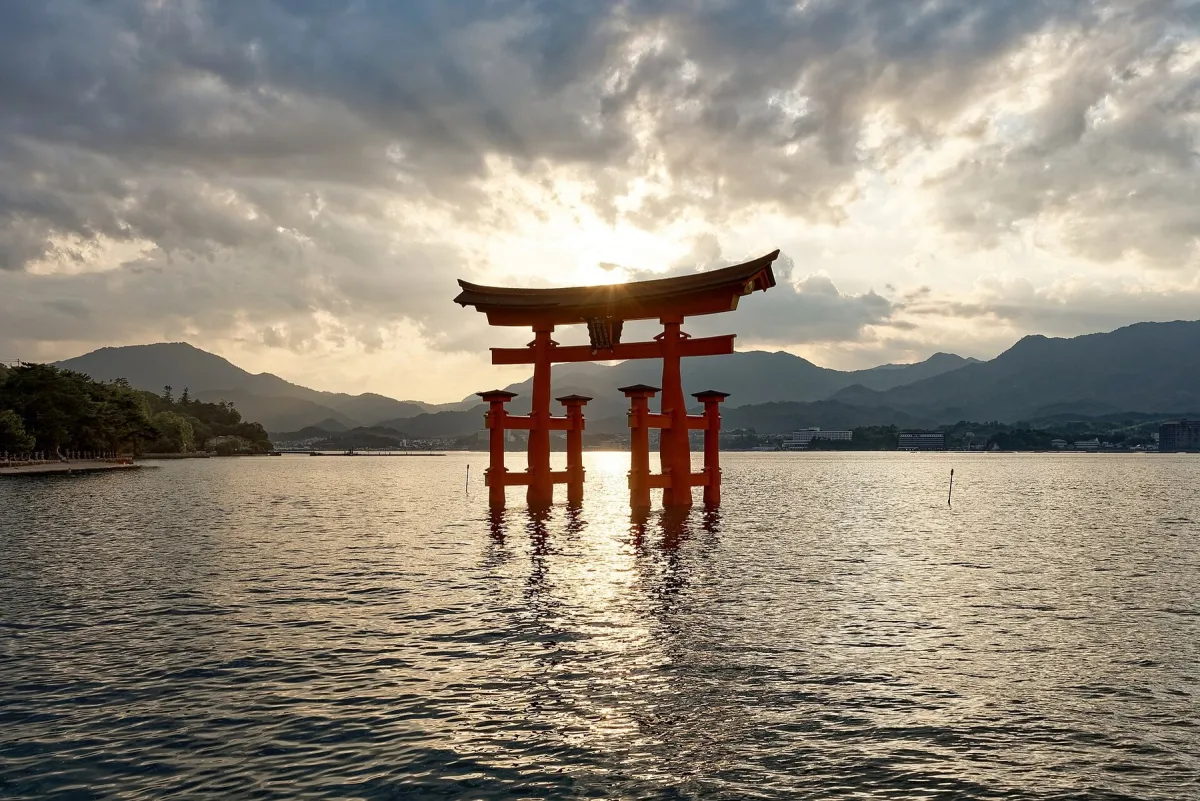

Miyajima combines a tidal shrine setting with an island landscape and a small visitor town. Plan the local rail or other approach, the ferry and the return journey as one excursion. The boat ride is only part of the total transfer from a Hiroshima hotel.
Tide changes affect the appearance of the torii and shoreline. Check the relevant tide information when photography is a priority, while keeping access and safety ahead of a particular frame. A Mount Misen walk or ropeway outing adds a separate weather, time and mobility decision. Do not attach it automatically to a short shrine visit without checking the return connection.
Central Honshu: streets and mountain scenery
Kanazawa: traditional districts and craft context
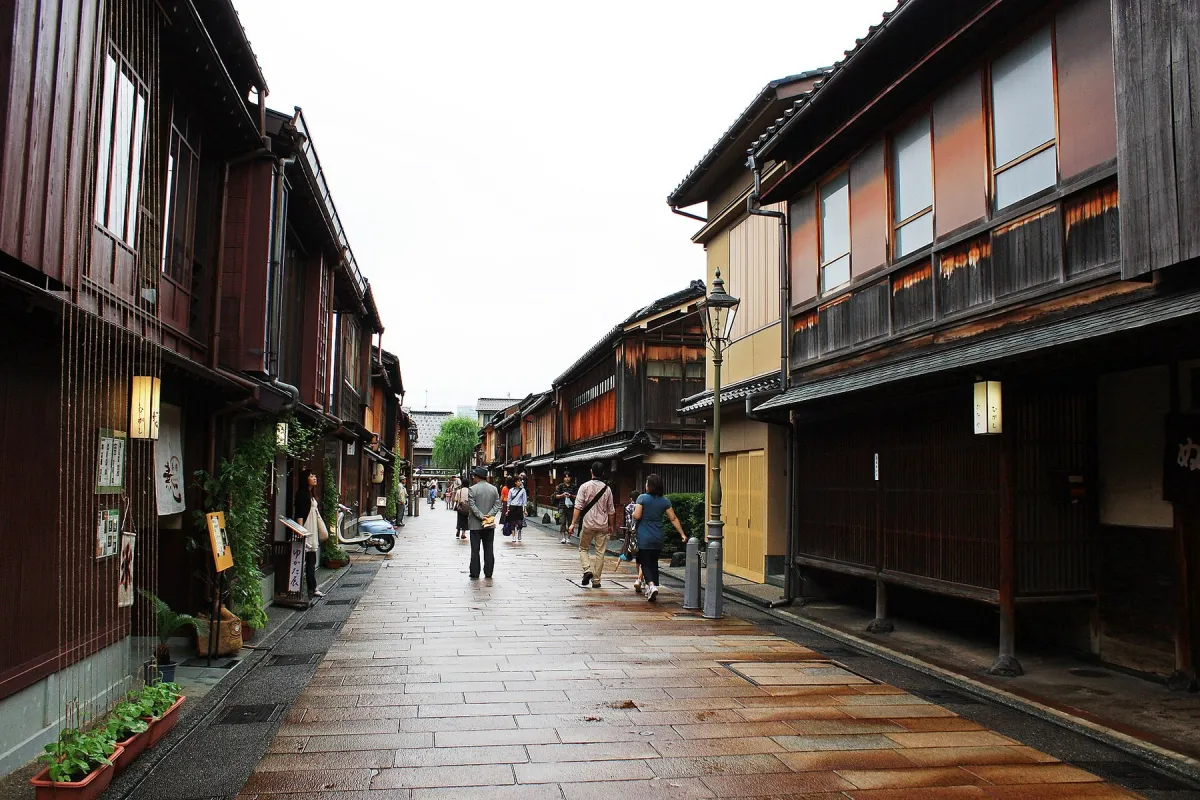

Kanazawa suits travellers who want a city-scale mix of traditional streets, gardens and craft. A district walk becomes more informative when you distinguish a public cultural building from a shop, restaurant or private residence. Do not assume every traditional frontage welcomes visitors inside.
Combine a compact district with one other priority, such as the garden and castle area, rather than racing between all of them. The station is not beside every historic quarter, so check the local connection and final walk. Kanazawa can support a slower overnight stay as well as a through-visit, particularly when you want to explore beyond the busiest streets.
Kamikochi: an alpine valley, not an automatic summit hike
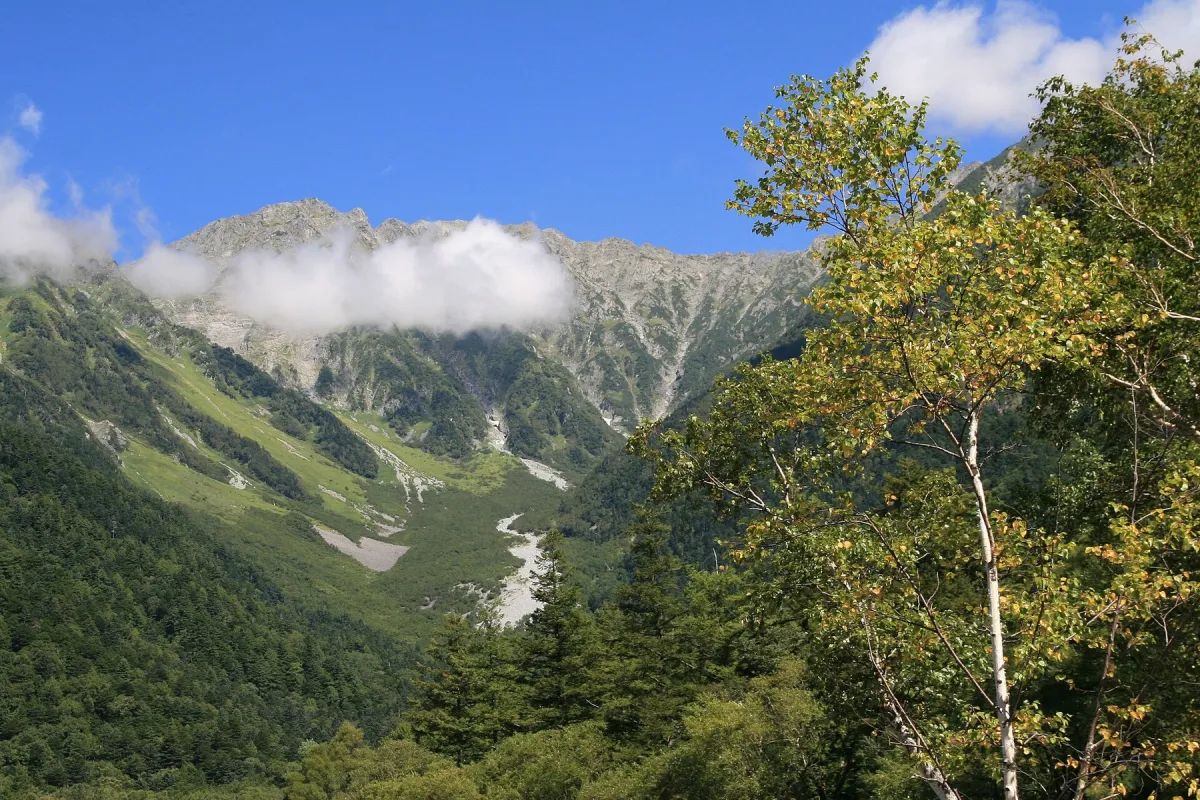

Kamikochi offers alpine scenery within Chubu-Sangaku National Park. The valley's walking options are different from the demanding routes to surrounding peaks. Choose a route according to conditions, fitness and the transport home rather than treating every trailhead as the beginning of an easy stroll.
The official walking guide provides route descriptions and time estimates that exclude some stops. Private-car access is restricted, and seasonal operation matters. Check the current bus, road and trail information before booking a visit. A short valley walk can be satisfying without attempting a high route or walking until the last possible return bus.
How to fit the choices into a trip
Select a few anchors and leave the rest as alternatives. Tokyo and Kyoto alone can support a substantial first visit. Hiroshima and Miyajima form one coherent extension; Kanazawa and a mountain route form another. They are not interchangeable additions with identical transfer costs.
Keep attraction selection separate from ticket buying. Read the access and current opening information first, then decide whether a reserved time or an organised activity adds value. The worked itineraries show how arrival, transfer and departure days limit what fits.
Attractions FAQs
Should I see every place in this list?
No. Use the comparison to select places that fit your interests and route. Adding a distant attraction always uses time from another part of the holiday.
Can I visit Hiroshima and Miyajima without an overnight stay?
It can be possible from some bases, but the local journey, ferry, museum time and return need careful planning. An overnight stay in Hiroshima gives more flexibility.
Is Himeji Castle suitable for every mobility level?
The keep has demanding stairs and no lifts. Check the official access information and consider an exterior-focused visit if the internal route is unsuitable.