
ASIA · JAPAN GUIDE
Anime & Pop Culture in Japan: Districts, Museums & Visits
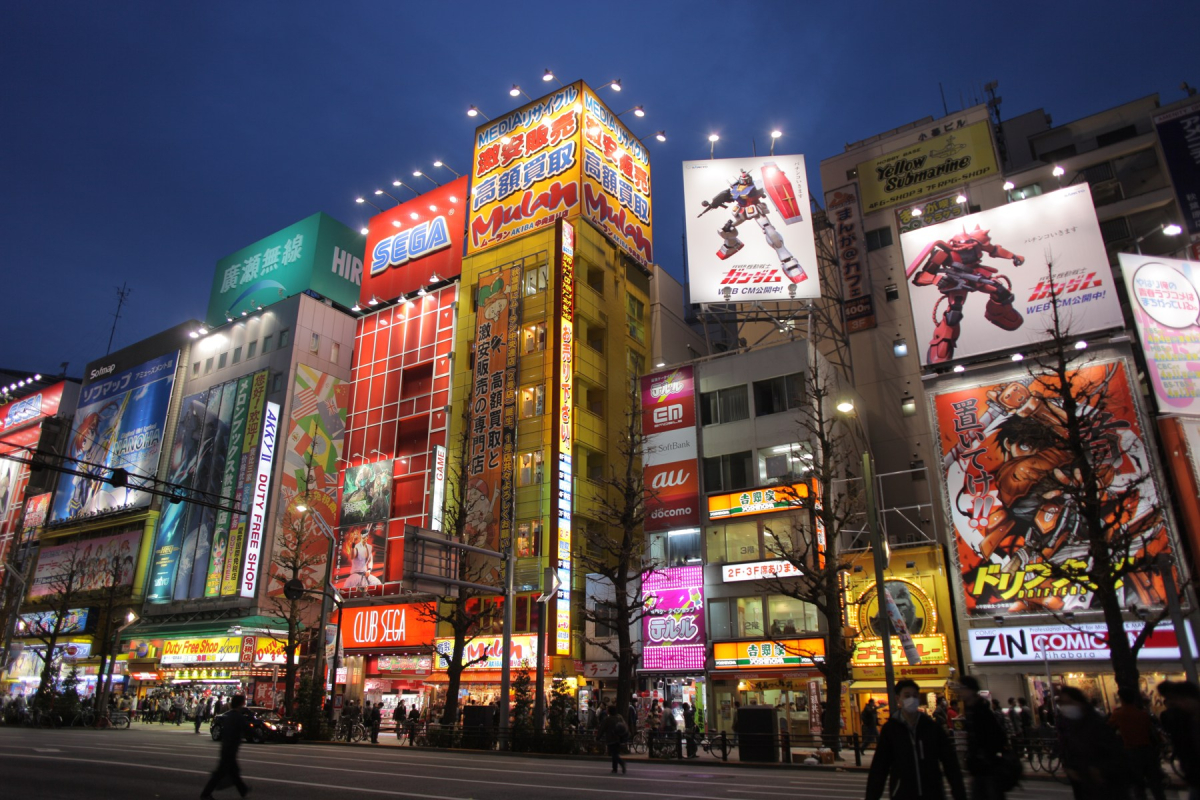

Japan’s anime, manga and gaming culture offers more than a shopping list. You can explore a fan district, learn about animation, compare generations of games or plan a visit around a particular creative world. Choose the kind of experience first, then the city and reservation.
This guide focuses on places and visit planning. Product selection belongs in the Shopping section; seasonal festivals and performances have their own event guidance. Ticket rules below were checked on 26 October 2026 and should be reconfirmed before purchase.
Choose an experience before choosing a city
A useful pop-culture itinerary begins with a specific interest: animation production, manga reading, interactive game history, an arcade session or the atmosphere of a fan district. These need different amounts of time and different reservations. Someone who enjoys animation can have a rewarding museum visit without spending the afternoon comparing merchandise; a collector may prefer a district with several specialist shops.
Keep the plan geographically realistic. Tokyo’s Mitaka, Aichi’s Ghibli Park and Kyoto Prefecture’s Uji are separate destinations. They do not form a convenient single-day circuit. Fit a confirmed visit into the cities where you are already staying, then decide whether a dedicated detour adds enough value. The comparison below separates flexible district visits from admissions that can determine the trip’s dates.
On smaller screens, swipe or scroll horizontally to read the full table.
| Experience | Base or location | Primary interest | Planning consequence |
|---|---|---|---|
| Akihabara | Tokyo | Gaming, electronics and fan-district atmosphere | A flexible district visit; individual venues set their own rules. |
| Ikebukuro | Tokyo | Anime and manga culture around the east side and Sunshine City | Choose specific interests rather than repeating every Tokyo shopping stop. |
| Ghibli Museum | Mitaka, Tokyo | Animation and the museum experience | Advance reserved admission; not the Aichi park. |
| Ghibli Park | Nagakute, Aichi | Ghibli-inspired spaces spread across a large park | Choose the ticket’s included areas and allow time for the local approach. |
| Nintendo Museum | Uji, Kyoto Prefecture | Nintendo product history and interactive exhibits | Use the official reservation process; this is not a theme-park ticket. |
| Nipponbashi / Den Den Town | Osaka | Electronics, games and fan culture within a Minami day | A district outing can work without another intercity hotel move. |
Tokyo: give Akihabara or Ikebukuro a clear purpose
Akihabara: games, streets and a focused browsing route
Akihabara is a strong choice for a first look at the overlap between electronics, games and anime culture. The official Tokyo neighbourhood guide explains its rail approaches and cultural context. Start from the station exit that serves your intended stops, explore the main streets, then choose one indoor activity. A focused arcade visit or specialist building is more satisfying than expecting every shop to cover every series.
An editorial half-day outline is a district walk, a chosen game or browsing stop, and a meal before returning by rail. Shop hours can be later than temple sightseeing hours, so confirm the specific opening time before starting early. Leave room to change the plan if a venue is busy. Stairways, loud floors and narrow aisles can affect families or visitors needing step-free access; ask the actual building about lifts and accessible entrances.
Set an arcade or capsule-toy spending limit before starting. Check a game’s language, payment and play instructions rather than assuming every machine works the same way. Do not film other players, staff or a performance without permission. A lively street photo does not establish that any particular café, sign or shop remains unchanged today.
Ikebukuro: choose the east-side interests that matter to you
Ikebukuro offers another concentration of anime and manga interests, including the area around Otome Road and Sunshine City. GO TOKYO’s district guide provides the starting context. Match it to the series, books or activities you actually enjoy rather than treating it as a compulsory second version of Akihabara.
The station is large, so save the correct exit and the entrance to the chosen venue. A mixed-interest group can combine one fan-culture stop with a meal or another independently chosen attraction nearby. Do not promise a temporary exhibition, collaboration café or character appearance from an old social-media post. Confirm its dates, reservation language and cancellation terms with the organiser.
Ghibli Museum and Ghibli Park: two different visits
Ghibli Museum, Mitaka: reserve before fixing the day
The museum’s official ticket page requires advance reservation; admission is not sold at the museum. Its overseas Lawson route currently releases the following month’s tickets at 10:00 Japan time on the tenth. Recheck that process when planning and use the authorised purchase link. A date on a calendar is not evidence that tickets remain available.
Treat the museum as the day’s fixed appointment. Allow time for the journey to Mitaka and the local approach, a meal and any nearby walk you choose. Do not put another timed attraction immediately before it. Read the museum’s current photography and visitor rules, particularly before planning an interior photo session. A merchandise purchase or a ticket for the Aichi park does not grant museum admission.
Ghibli Park, Aichi: choose the included spaces, then the route
The Ghibli Park overseas ticket page explicitly distinguishes it from the Mitaka museum. The park is inside Expo 2005 Aichi Commemorative Park in Nagakute. Ticket options include different access to its five areas and buildings, so compare the places you want to enter before buying. An assigned Grand Warehouse entry time must fit the walking route through the larger site.
Use the official directions to plan the Nagoya-area approach and local connection. Allow a generous part of the day rather than treating the park as a brief stop between distant cities. Check the calendar, weather, food arrangements and accessible route for your group. An organised transport offer is not automatically an admission ticket; confirm both items in its actual inclusions.
Nintendo Museum, Uji: history and interactive play
The Nintendo Museum presents Nintendo’s entertainment history and interactive exhibits in Uji, Kyoto Prefecture. It is a different experience from a retail store or an Osaka theme-park area. The published address and station approaches make it a possible Kyoto-area outing once admission is secured; do not assume it can be entered spontaneously during a transfer.
Follow the official reservation guide. It uses a ticket drawing and a Nintendo Account, and asks visitors to reserve in the attending person’s name with identification checked on arrival. A successful drawing requires the stated purchase step. Check any later released-ticket arrangements on the same official site rather than relying on a resale promise.
Allow time for the exhibits you care about instead of measuring the visit by the shop alone. Workshops can require separate arrangements and fees. The official directions give approaches from Kintetsu Ogura and JR Ogura; they are different stations. Follow the museum’s public-transport instructions and check accessibility information for the actual journey. This guide does not imply affiliation with Nintendo or ticket availability.
Osaka: Nipponbashi without an unnecessary extra base
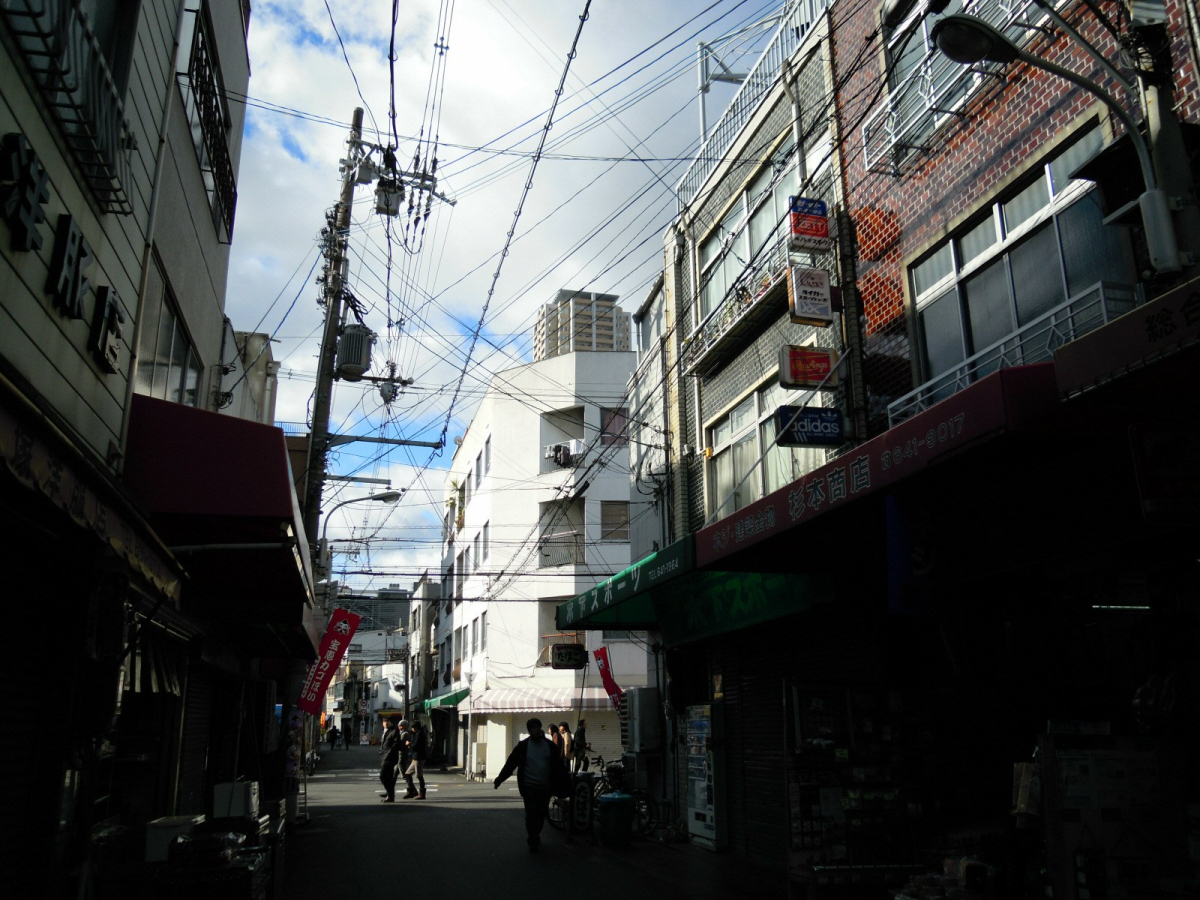

Nipponbashi, also written Nippombashi in local transport and tourism information, is Osaka’s electronics and fan-culture district. Osaka’s official tourism page explains the area’s development into Den Den Town. Distinguish the wider district and Ota Road from the bridge itself when setting a walking destination.
If you are already staying in Osaka, this can provide a flexible pop-culture afternoon without another long-distance journey. Choose a small number of relevant stops, then combine them with a separately chosen meal in Minami. A district name is not a single opening time. Save the specific building’s entrance and return station, especially when the group splits up.
For purchases, the Shopping section covers product choice and packing. Check language editions, region compatibility and the condition of used games before paying. A collectible is not automatically a bargain because it was bought in Japan. Ask about authenticity, accessories and returns; keep receipts and protect fragile items for the onward journey.
Booking, cafés, photography and location visits
Use a three-part check for any collaboration café or temporary exhibition: the correct edition and venue, a usable entry reservation, and the actual menu or exhibit inclusions. A character-themed meal may have a time limit or require an advance order. Confirm dietary needs with the operator before payment; a themed setting does not establish ingredients or substitutions.
For cosplay or a visit inspired by a series location, separate a permitted public viewpoint from private property and normal residential life. Ask before photographing people and follow venue rules on costumes, props, tripods and changing. Do not block roads, stations, shops or shrine approaches to recreate an image. A map pin posted by another fan does not grant access.
Keep a flexible district visit as the fallback when limited tickets are unavailable. There is no need to buy an uncertain resale product to make the trip worthwhile. Combine one confirmed admission with one nearby flexible activity, leaving the rest of the day usable. Use Getting Around for transport payment and station planning, and Where to Stay for bases; neither a rail pass nor a hotel reservation includes attraction admission.
Anime & Pop Culture FAQs
Are Ghibli Museum and Ghibli Park the same attraction?
No. Ghibli Museum is in Mitaka, Tokyo; Ghibli Park is in Nagakute, Aichi. They have separate ticket systems and their tickets are not interchangeable.
Can I walk into Nintendo Museum without a reservation?
Plan through the official ticket process and confirm any released availability there. A shop visit, Nintendo Account or drawing entry alone does not establish an admission reservation.
Should I visit both Akihabara and Ikebukuro?
Only if their specific interests justify the time. Choose one focused district visit first; a second is useful when it adds a different activity or series you care about.
Is this guide mainly about buying merchandise?
No. It helps choose districts, museums and experiences and plan admission and access. Use Shopping for purchase decisions, packing and product checks.
What if the museum tickets I want are unavailable?
Keep a flexible district outing or another confirmed activity as an alternative. Do not treat an unofficial resale offer as guaranteed valid admission.