
ASIA · JAPAN GUIDE
Skiing & Winter in Japan: Resorts, Bases & Trip Planning
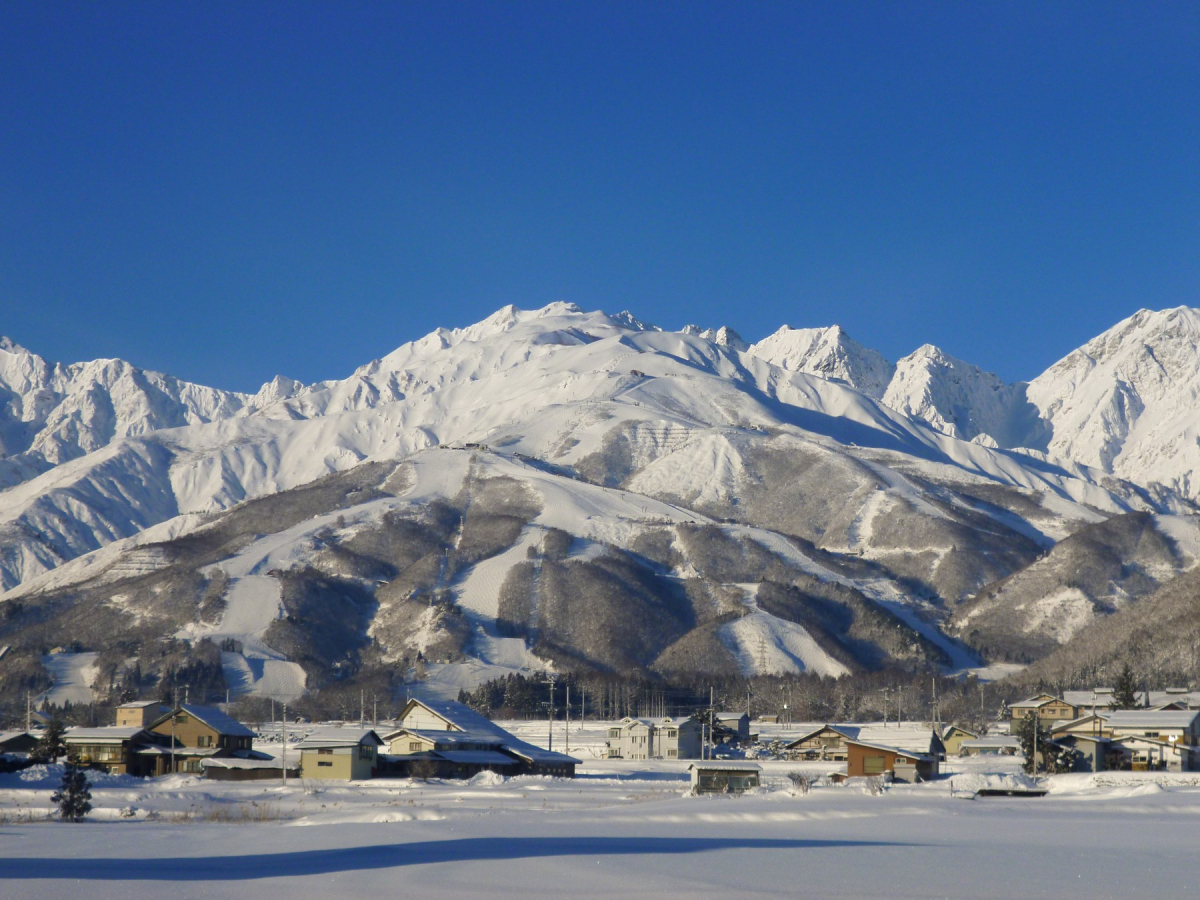

Plan a Japan ski trip around the mountain, the lesson and the final transfer. This guide compares winter bases and the decisions that shape a usable stay, from Niseko in Hokkaido to Hakuba and Nozawa Onsen on Honshu. It complements the seasonal overview without repeating it.
Choose the group’s ability and purpose first. A first lesson, a week of skiing and a non-skiing snow visit need different tickets, accommodation and fallback plans. Operating notices and transport timetables should match the season you intend to visit.
Choose a ski region and a practical base
Decide whether snow is the main reason for the trip or one stop within a wider Japan itinerary. A dedicated ski holiday benefits from several nights at one base: rental fitting, an introductory lesson and a weather interruption all use time. A short city break calls for a simpler mountain connection, not an ambitious transfer between distant resorts. Compare the airport or railway approach, then the final bus and the walk to your accommodation.
The regional comparison below is an editorial starting point, not a ranking of snow quality. A strong skier and a first-time family can reasonably choose different bases in the same region. Ask which lift serves the lesson meeting point, whether equipment storage is available and how you will reach dinner. A room advertised under a broad resort name can still require a shuttle.
On smaller screens, swipe or scroll horizontally to read the full table.
| Area | Best planning fit | Approach to investigate | Main trade-off |
|---|---|---|---|
| Niseko, Hokkaido | A ski-focused Hokkaido stay | New Chitose Airport plus a reserved resort transfer, or rail and a final local connection | Choose the actual village and lift; a regional name is not a pickup point. |
| Hakuba Valley, Nagano | A Honshu trip with a choice of ski areas | Rail to Nagano plus bus, or the appropriate direct service | The valley is spread out; resort transfers consume time. |
| Nozawa Onsen, Nagano | Skiing alongside an onsen village stay | Iiyama Station plus the Nozawa Onsen Liner | Check the last bus and the uphill approach from the accommodation. |
| Furano, Hokkaido | A more concentrated resort plan within Hokkaido | The resort’s current airport and local transport information | Town and slope-side accommodation have different evening logistics. |
| Zao Onsen, Yamagata | A Tohoku stay combining a ski area and hot-spring setting | The current Yamagata–Zao approach and local conditions | A scenic ropeway outing and a ski day require different tickets and preparation. |
Niseko: book the village, transfer and first lesson together
Niseko is a useful candidate when the trip is built around skiing rather than added to a Tokyo sightseeing day. Compare Hirafu, Hanazono, Niseko Village and Annupuri against your intended lift, school and accommodation. Do not choose purely from a photograph of Mount Yotei: the daily journey from your door matters more when you are carrying equipment or travelling with children.
Use the local tourism association’s Niseko access information to identify the operator, then book the service for your dates. Some listed timetables describe the previous winter. They establish a route to research, not a confirmed 2026–27 departure. Check airport check-in time, flight-to-bus margin, luggage acceptance and the exact stop. A late flight may justify an airport or city overnight instead of assuming an unreserved final transfer.
A regional pass does not establish that every lift or connection will operate. Check the Niseko United lift-status page before heading out. Wind can change the day’s connections. If your accommodation is in a different sector from the lesson, ask the school how to arrive if an upper-mountain link is unavailable; a road transfer may be the relevant alternative.
Hakuba: choose one ski area before choosing a valley-wide pass
Hakuba suits visitors comparing several mountain settings within a Honshu itinerary. Start with the official access overview, then choose the resort that fits the group’s ability and lesson availability. Happo-One, Goryu and the other valley ski areas are not interchangeable addresses. A beginner gains little from a long list of included mountains if the first lesson and rental shop are inconveniently far apart.
The valley shuttle information warns that full buses cannot take additional passengers and late services can be crowded. Check the actual season’s route and pass conditions. Leave a margin for the return, and do not treat a shuttle shown on an older timetable as a guaranteed evening service. Choose accommodation by the usable stop and winter walking route, not the straight-line distance on a map.
For a mixed-ability group, agree on a shared meeting place and a return plan before buying tickets. One person may need a learner product while another wants a wider pass. Check each product’s validity and refund terms; a multi-resort pass can be useful without being the best purchase for every member of the party.
Nozawa, Furano and Zao: choose the experience around skiing
Nozawa Onsen works for visitors who want a village stay with bathing and meals as well as time on the mountain. The operator’s train-and-bus guidance identifies the Iiyama connection. Read the bus stop and final approach to the property carefully. A central village room may involve a different walk from a room beside the lift; ask about carrying bags and equipment on snowy or sloping lanes.
Furano is an alternative for travellers already planning Hokkaido. Use the resort’s winter page for operating status and current products rather than a summer lavender itinerary. Compare a slope-side stay with a town base on food access, transport after skiing and the needs of non-skiers. There is no need to change accommodation simply to collect another resort name.
Zao Onsen can fit a Tohoku route when the hot-spring setting and winter scenery are part of the appeal. JNTO’s regional skiing guide places Zao alongside the Hokkaido and Nagano options. The snow-covered trees depend on conditions. A sightseeing visitor should check pedestrian ropeway arrangements separately from a skier’s lift product and keep an indoor alternative if visibility is poor.
Lessons, rentals and a useful cost comparison
Reserve the lesson before assuming the group can start together. Confirm the teaching language, age band, minimum ability, duration and meeting point. For children, ask about supervision between sessions, lunch and collection. An adult lesson is not automatically childcare, and an afternoon class is not a promise of a full-day supervised programme.
Separate lift access, instruction and equipment in the budget. For example, Nozawa Sessions’ own FAQ says its lessons exclude lift tickets and rental. Other schools can package these differently. Ask whether the quote includes a helmet, clothing, boot fitting, damage cover and any deposit. A rental description saying “set” needs an item list, especially when gloves, goggles and waterproof outerwear are required.
Build the total from your actual dates and number of ski days: accommodation, transfer, lift products, lessons, rental, meals and any baggage delivery. Compare per-person costs with the room total using the Travel Costs & Money guide. No live price average is assumed here. Check cancellation and weather terms before paying, particularly for a first lesson tied to an uncertain arrival.
When to go, non-skiers and a four-night outline
January and February are commonly the core winter period, but opening dates, snow depth and terrain access vary by resort and year. Early or late season can mean fewer operating lifts or services. Use Best Time to Visit for wider seasonal context, then the actual resort report for a booking decision. A historic photograph illustrates a place; it does not forecast your week.
For a four-night stay, treat arrival as transfer, fitting and settling in; use the next full day for a lesson and nearby terrain; keep the following day for skiing or a weather adjustment; and leave a flexible final full day before departure. This is an editorial outline, not a package or a claim that three full ski days are guaranteed. Avoid an essential international flight directly after the last possible mountain bus.
A non-skier should have a viable day independent of the lift plan: a village walk where conditions permit, a booked bath, a café or an organised activity with confirmed operation. Check whether sightseeing gondolas accept pedestrians and whether the return is by the same route. Accessible rooms alone do not establish an accessible snowy approach. Ask about the actual entrance, transfers, lifts and available assistance.
Mountain rules and changing conditions
Read the local rules before entering the mountain. The official Niseko Rules prohibit crossing boundary ropes and entering closed gates or off-limits areas. Follow patrol instructions. An open gate is not a statement that unmanaged terrain is suitable for your ability or that rescue is included in a lift ticket.
Choose terrain within the group’s ability, carry the resort’s contact information and check your insurance’s actual winter-sports and rescue provisions. For any off-piste or backcountry activity, use qualified local guidance and the current avalanche information. This planning page does not replace mountain instruction or a daily safety assessment. Winter driving likewise requires suitable equipment and experience; a reserved transfer can be the more practical choice.
Skiing & Winter FAQs
Is Niseko or Hakuba better for a first Japan ski trip?
Choose by your wider route, available lessons and the final transfer. Niseko often fits a ski-focused Hokkaido stay; Hakuba offers several ski areas within a Honshu itinerary. Neither name identifies one universally convenient accommodation base.
Does a ski lesson normally include a lift pass and rental?
Do not assume it. Read the school’s itemised offer: lift access, equipment, clothing and lunch can be separate. Confirm the exact meeting point before selecting accommodation.
Can I use last winter’s bus timetable?
Use it only as background. Verify the intended season’s operating dates, reservations, luggage rules and final departure with the operator.
Can non-skiers enjoy the same trip?
Yes, if the base offers independently usable activities and transport. Check bath bookings, walking conditions and pedestrian gondola access separately from ski tickets.
Are January and February guaranteed to have good snow?
No. They are common core-season choices, but snow, wind, closures and accessible terrain vary. Check the resort’s current report and the booking’s weather terms.