
ASIA · JAPAN GUIDE
Things to Do in Japan: Tea, Food, Onsen, Walking & Events
Choose experiences for what you want to understand or enjoy, rather than adding another famous place to the itinerary. A tea session, a regional cooking class, an onsen stay and a valley walk offer different kinds of participation. Some benefit from a host or advance booking; others are best left flexible around the day's weather and pace.
This page helps you decide which activities fit the trip. The Attractions guide compares places, and Itineraries shows how selected activities fit between arrival, transfer and departure. Walking, shopping and events have their own practical sections below, with real targets in the page menu.
Explore tea culture through a tasting or hosted session
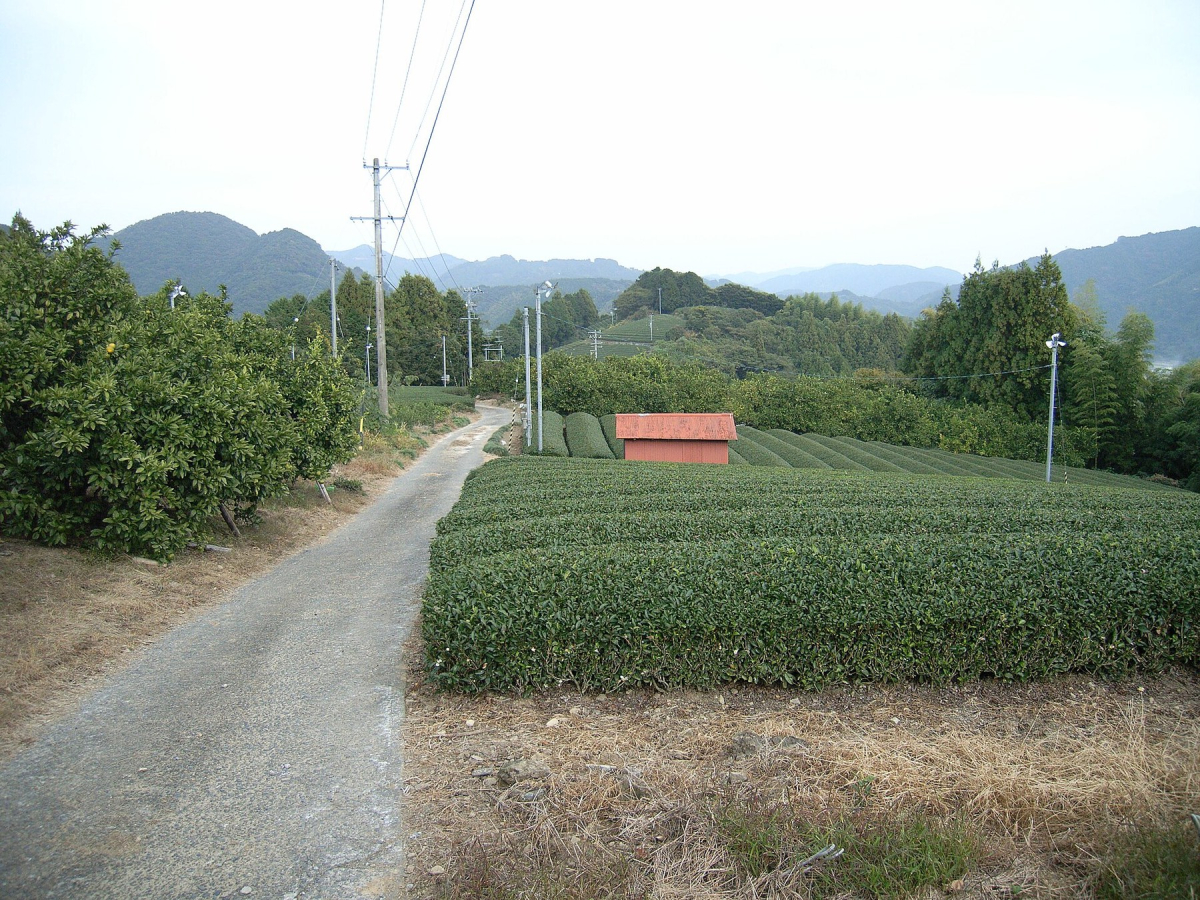

A tea experience can be a short guided tasting, a café visit, a preparation lesson or a more formal ceremony. Choose the format that interests you and check whether you will prepare tea yourself or mainly observe. Uji and Kyoto offer different urban and historical settings, while Shizuoka connects the experience to a major tea-growing landscape.
Read the host's teaching language, duration, seating arrangements and meeting point. Floor seating can be uncomfortable for some travellers, and an atmospheric traditional building may involve stairs. Ask about chair seating or access before booking when it matters. A session with sweets should not be assumed to include lunch.
Compare Kyoto tea-ceremony options by host, location, inclusions and available session. Read the seating, teaching language and meeting-point information before choosing a session for your dates.
We may earn a commission if you book through our GetYourGuide links.
Explore Kyoto tea ceremony options on GetYourGuide
Learn a regional dish or choose a focused food walk
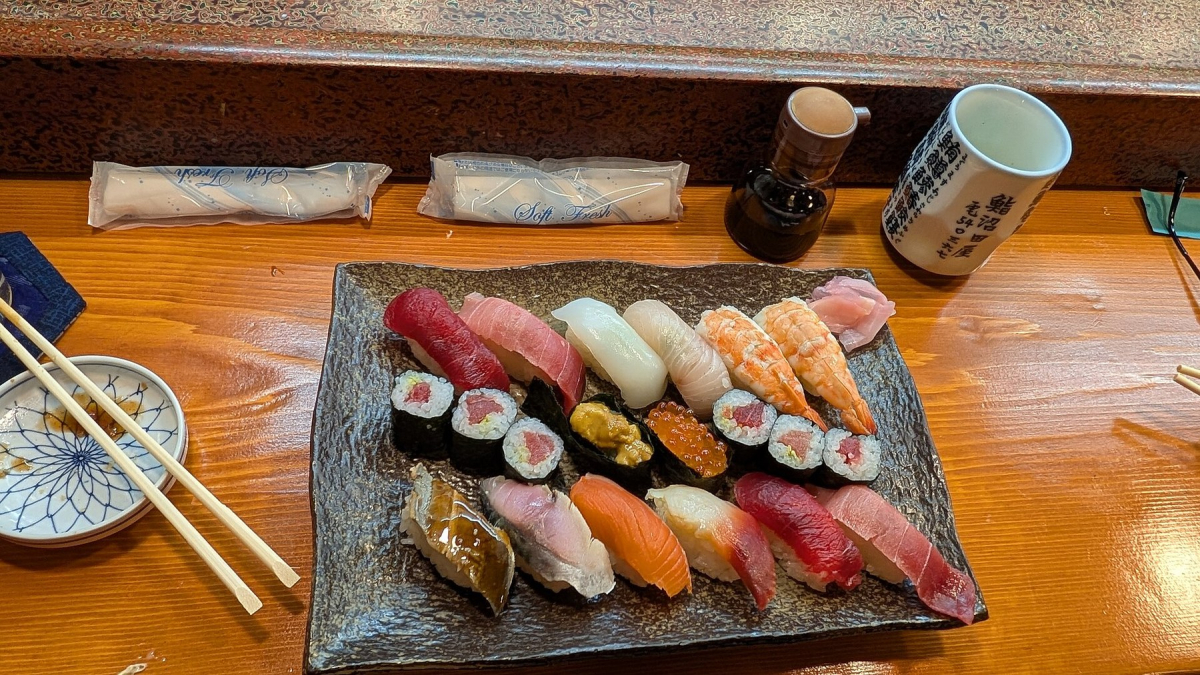

A good food activity explains ingredients and technique instead of moving the group through a generic list of tastings. A hands-on cooking class can suit travellers who want to learn a method, while a guided market walk can help interpret unfamiliar products and customs. Choose according to the kind of participation you want.
Check what is included, how dietary requests are handled and whether the group prepares a meal or observes a demonstration. A tasting tour may provide snacks rather than a full dinner. Some sessions involve shared cooking surfaces or fixed ingredients, which matters for allergies and strict dietary requirements.
Keep the activity near the rest of the day's plan. A class on the far side of a large city can create more travel than expected, especially if its meeting point is different from the kitchen. Our Food & Drink guide explains regional choices and practical dining separately.
Make time for an onsen town
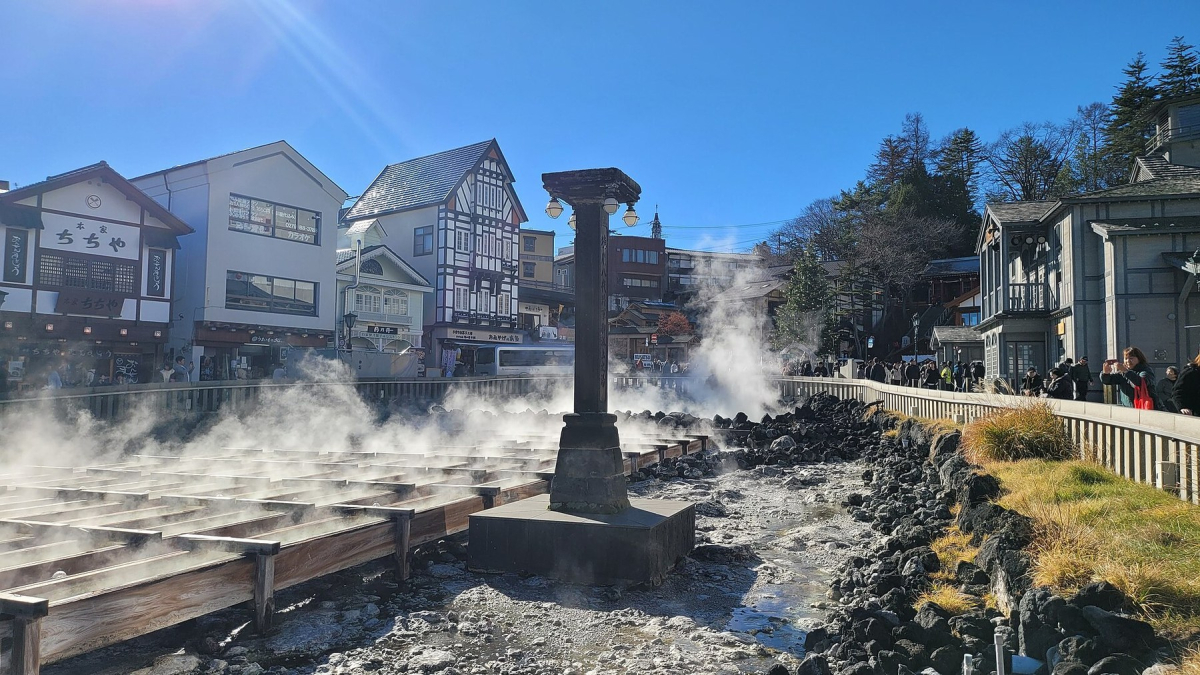

An onsen visit works best when you understand the facility and allow time to slow down. A public bath, a day-use facility, a ryokan bath and a private room bath can have different rules and costs. Confirm the actual arrangement rather than assuming every room in an onsen hotel has its own hot-spring bath.
Read rules about washing, swimwear, towels, tattoos, children and photography. Do not photograph changing or bathing areas. If communal bathing is unsuitable for your group, ask about a genuinely private option and its booking conditions. A reservable family bath is different from a bath attached to your room.
For a stay with dinner, arrive by the property's stated time and avoid placing a long uncertain transfer immediately before it. One relaxed night can be more rewarding than reaching the inn late and leaving before breakfast. Check the last local bus and the final approach, especially in a hilly or snowy town.
Walk a traditional trading or craft district
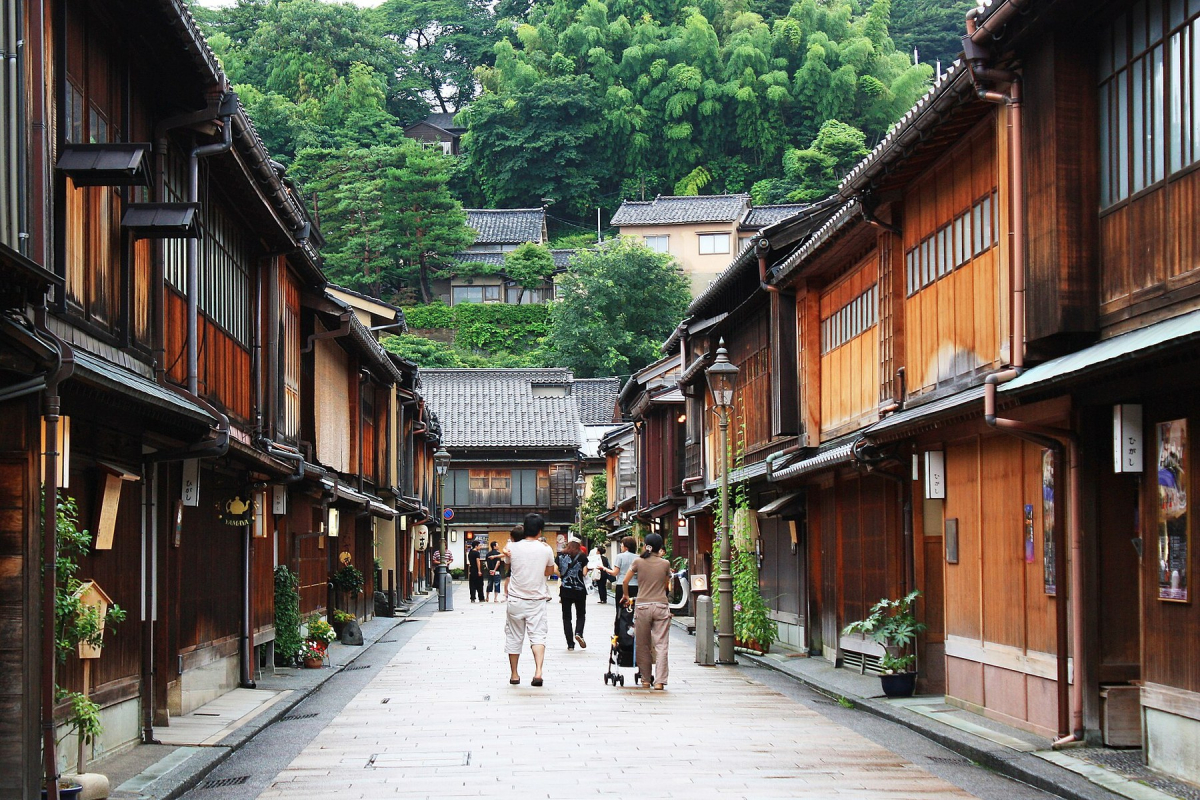

Kanazawa's traditional quarters, Kyoto's shopping streets and older Tokyo districts offer opportunities to notice building details, shop displays and the relationship between work and everyday life. Choose one compact area and allow time for a museum, shop or café that explains something about it.
A guided walk can be useful when the guide adds reliable local context and a workable route. Check the group size, language, walking distance and whether interior visits are included. A walk past a building is different from admission to it, and an attractive private alley is not automatically part of a permitted route.
Ask before photographing people or small shop interiors, and make a purchase or book a legitimate demonstration when a business provides substantial time or explanation. Do not describe a maker's process or an object's origin from appearance alone. The shopping section below gives practical ways to compare products and provenance.
Choose one city-view experience
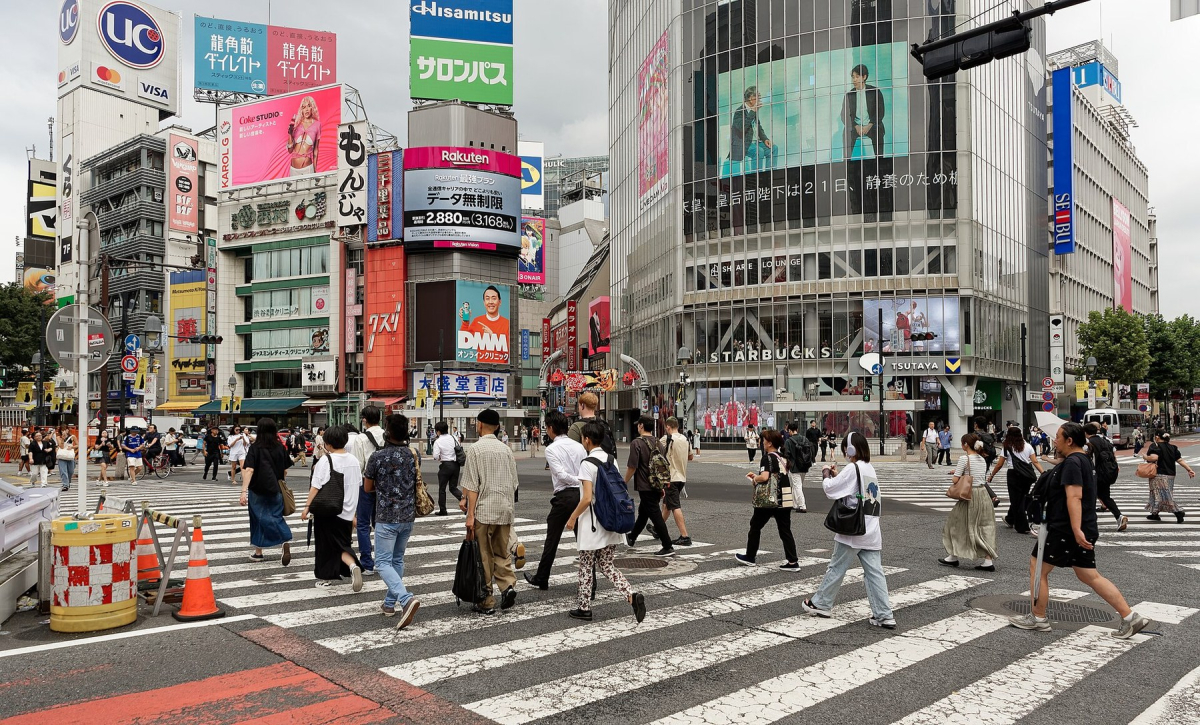

An observation visit can help you understand a large city's scale, but it is sensitive to visibility, reflections and the specific viewing platform. Choose the time for the skyline you want to see and decide whether the ticket is worthwhile if the weather is poor. Sunset demand and a fixed timed entry can limit flexibility.
For photography, check the venue's rules on tripods, bags and equipment before buying. Indoor glass can introduce reflections, and a rooftop can be affected by weather. A city view is not permission to use restricted equipment or remain in a space after your allotted visit.
Pair the view with the surrounding district instead of crossing Tokyo several times for different observation points. Travellers who prefer architecture at street level can use the same period for a neighbourhood walk and a museum or design stop. The photo-planning guide covers light and viewpoint choices in more detail.
Walking & National Parks: match the route to the day
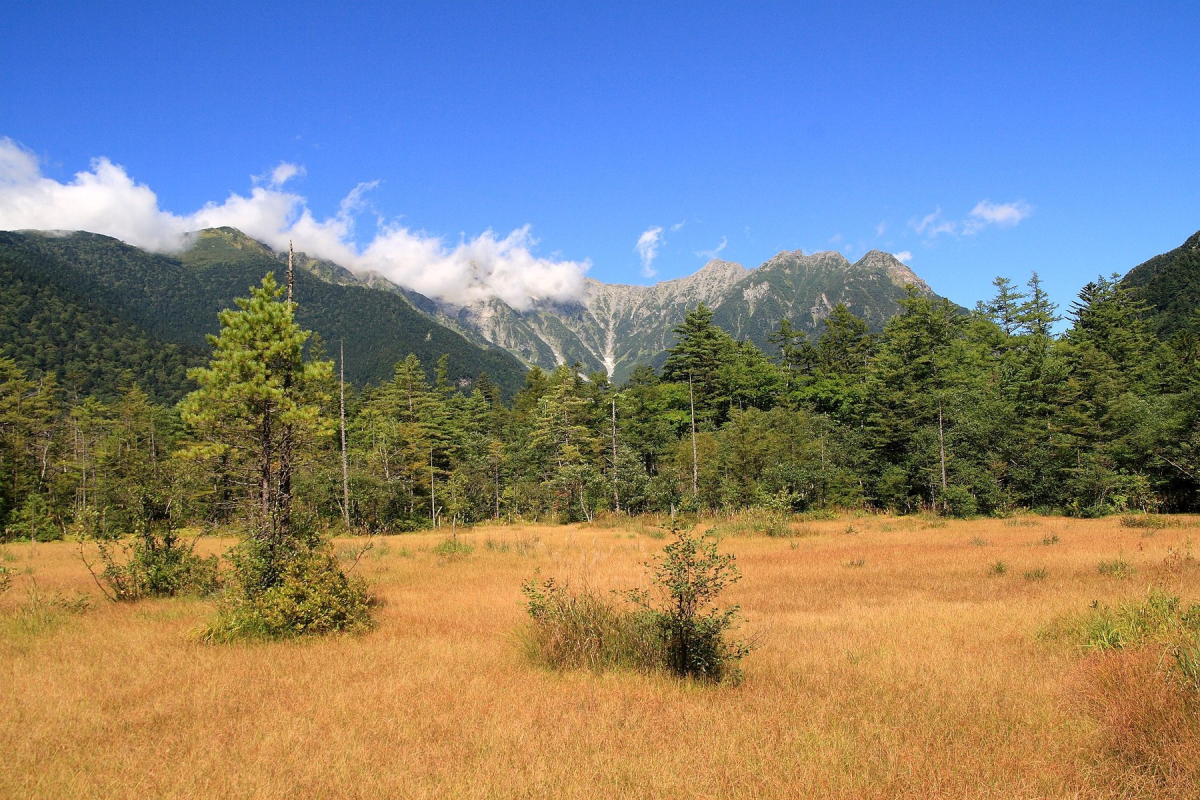

Japan's outdoor choices range from city-edge paths to serious alpine terrain. Start with the route's surface, ascent, exposure and return transport, not only the destination's reputation. A national-park boundary does not make every path easy, and a short distance can still include steep or difficult ground.
In Kamikochi, within Chubu-Sangaku National Park, valley walks around the river and Kappa Bridge offer a different commitment from the surrounding mountain routes. The official walking information provides several options and explains that time estimates exclude some stops. Check the current road, bus and trail status and keep a margin before the return service.
Fuji-Hakone-Izu National Park includes very different landscapes. Lowland lake views, a Hakone excursion and a Mount Fuji summit ascent are separate activities. The official Fuji climbing site states that the 2026 season has ended; a scenic October visit does not make the summit routes open. Use the Mount Fuji guide for the distinction between viewing and climbing.
In Kyushu's volcanic areas, including the Aso region, current restrictions and weather can determine what is accessible. Do not build the day around entering a crater or reaching an exposed viewpoint without verifying the relevant local status. Choose a lower-risk alternative that still fits the route when access is restricted.
The national parks rules and safety guidance covers trail conduct, wildlife, waste and preparation. Stay on designated routes, take rubbish away and follow local instructions. Families and less experienced walkers can choose a short, satisfying route without treating a summit or a long loop as the measure of a successful day.
On smaller screens, swipe or scroll horizontally to read the full table.
| Activity | Useful starting point | Critical check |
|---|---|---|
| Short scenic walk | A defined valley or maintained local route | Surface, gradient, toilets and return transport |
| Mountain day | A route matched to experience and equipment | Forecast, daylight, current trail status and bailout |
| Volcanic landscape | A currently permitted viewing area | Official restriction level and local access |
| Coastal outing | A public path or designated activity site | Tide, waves, weather and final connection |
Family outings and a slower pace
Choose the day's shape around the group rather than the maximum number of attractions. A short train journey, one main visit and time in a park can be more successful than a long loop with several fixed admissions. Check toilets, food and a place to rest before relying on a distant viewpoint or rural stop.
For museums and participatory activities, check the actual content and age suitability. A workshop may involve tools, heat, floor seating or a minimum age. A performance can be long or have limited opportunities to leave and re-enter. Choose the format that suits the children and adults attending.
Build the return journey while everyone still has energy. A stroller can be useful in cities but less convenient on steps, gravel or crowded temple approaches. For mobility needs, confirm the entire route and the exact room or vehicle arrangement. The Travel Essentials guide collects the practical preparation.
Shopping: tea, ceramics and useful souvenirs
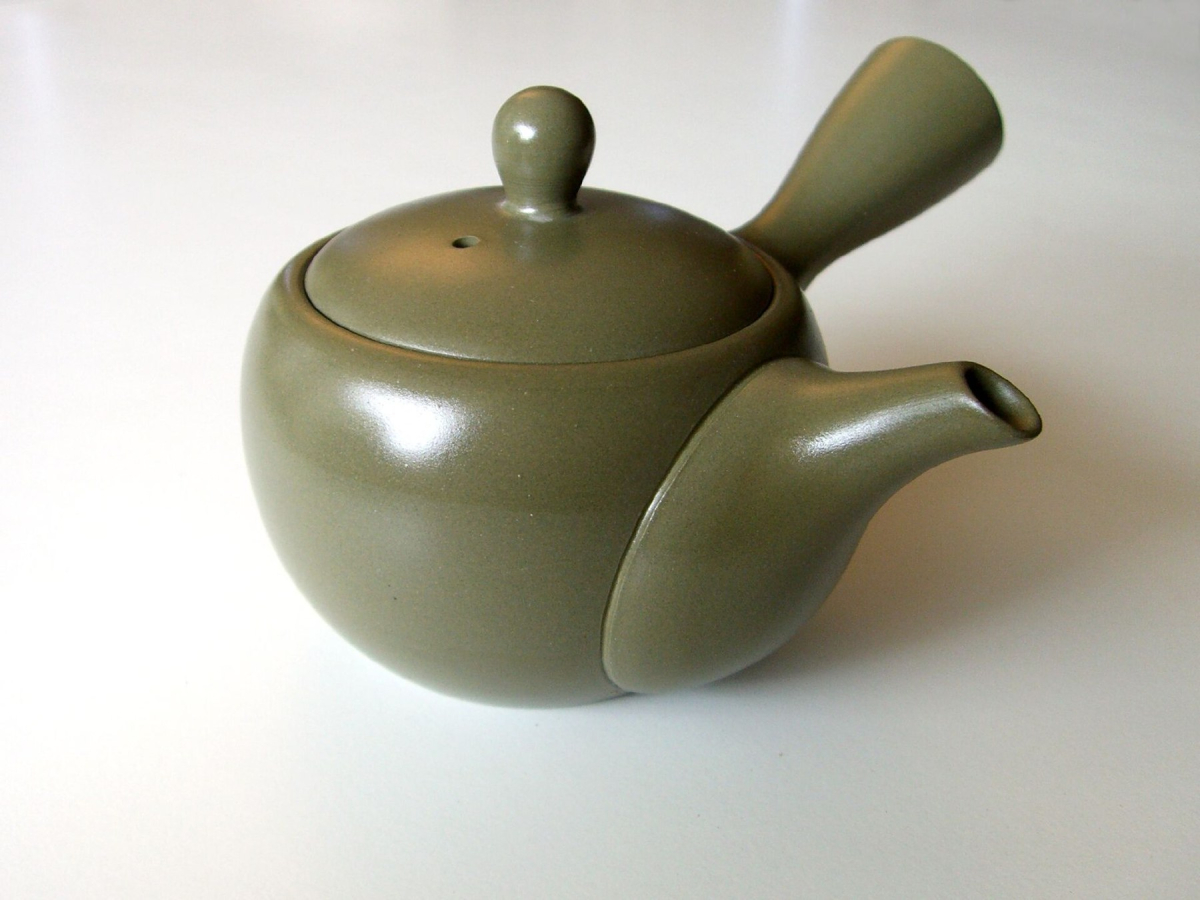

Choose a souvenir for its origin and intended use, not only a traditional-looking pattern. Tea, ceramics, textiles and food products can each connect to a region, but a local motif does not prove local production. Ask about the maker, materials and care requirements, and keep provenance or product information for something important.
For tea, Ippodo's Kyoto Main Store at 52 Tokiwagi-cho, Nakagyo-ku provides a concrete shop and tearoom option. Its official store page distinguishes shopping, tearoom and classes, with a regular second-Wednesday closure. Choose a tea for the recipient's equipment and taste; a product requiring careful preparation may be less useful than one they can easily enjoy at home.
For food-related shopping, Nishiki Market runs along Nishikikoji between Teramachi and Takakura in central Kyoto. Tokyo's Tsukiji Outer Market has an official shop directory covering ingredients and kitchenware. Both are working shopping areas, so respect the individual business's opening pattern, photography and eating arrangements.
For ceramics, ask whether an item is intended for food use and how it should be washed or heated. A handmade cup, an antique object and a mass-produced souvenir have different value and care questions. Check packing and luggage space before buying fragile pieces. Food, tea, alcohol and blades also require the relevant home-country customs and airline checks.
Japan's tax-free shopping procedure changes for purchases from 1 November 2026. Read the dated explanation in Travel Costs & Money and ask the shop about the rules for your purchase. A refund process does not remove the need to confirm what you can legally bring home.
Festivals & Events: dated examples and the effect on a trip
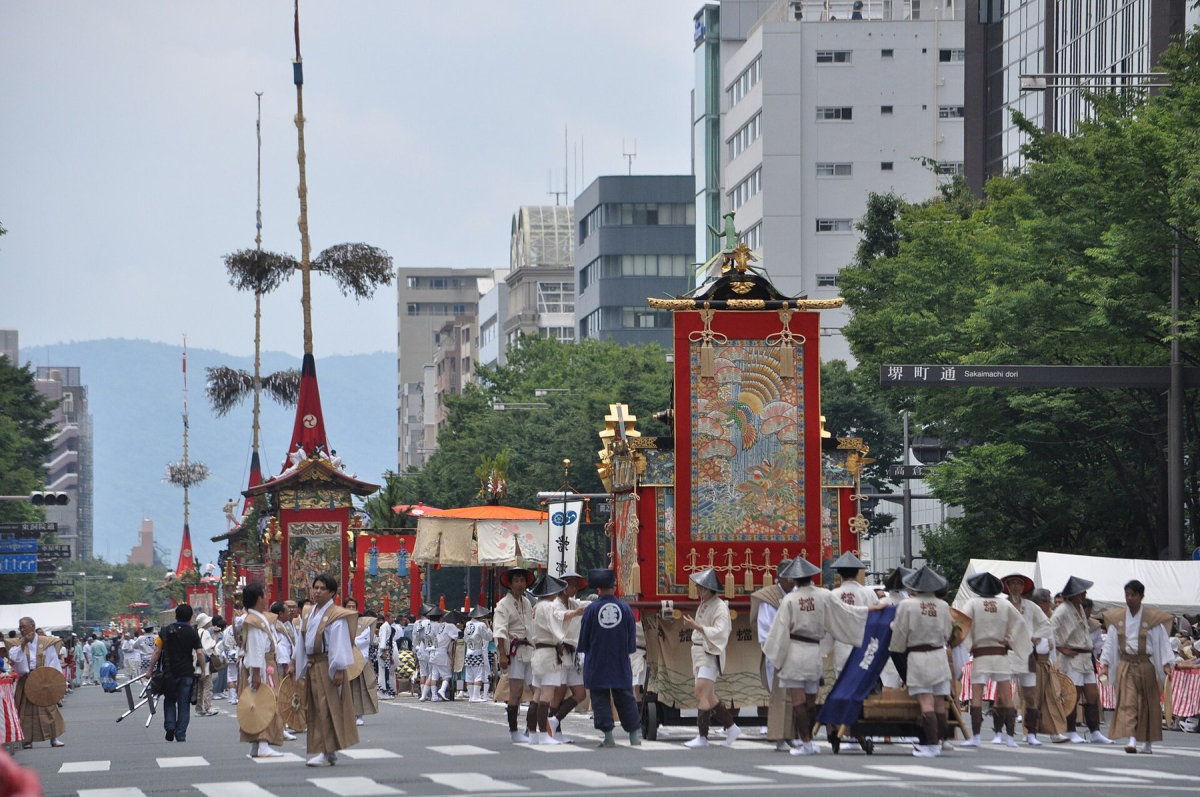

Events can change a trip's rhythm, accommodation demand and evening transport. Choose a specific performance or opening rather than relying on a festival name alone. A recurring tradition does not establish the dates, route or ticket arrangements of the next edition. The dated examples below were checked on 24 October 2026 and may change; they are not a promise of ticket availability.
On smaller screens, swipe or scroll horizontally to read the full table.
| Event | Published period | Venue and content | Planning consequence |
|---|---|---|---|
| Nijo-jo Castle Festival 2026 | 23 October–6 December 2026 | Nijo-jo, Kyoto; cultural experiences and festival activities | The illumination is a separate event with its own dates and ticket |
| NAKED meets Nijo-jo Castle 2026 | 23 October–5 December 2026 | Nijo-jo, Kyoto; evening immersive art and illumination | Check the evening admission and transport home |
| KYOTO EXPERIMENT 2026 | 3–25 October 2026 | Several Kyoto venues; performing arts programme | Choose the individual production, venue and performance date |
| November Kabukiza programme | 1–25 November 2026, with non-performance dates to check | Kabukiza, Tokyo; separately ticketed programme sessions | Select the actual performance and check ticket and language-support details |
The castle’s official festival notice separates the festival from the NAKED illumination. The illumination focuses on Tokugawa Masako and Kan'ei culture, so it is more specific than a generic night opening. A daytime castle ticket should not be assumed to include it.
The Kyoto official events calendar lists the KYOTO EXPERIMENT period and venues; use its linked organiser information to choose a production. For Tokyo, the official KABUKI WEB performance listings provide the current Kabukiza programme. A published run does not mean a show occurs every day or that ordinary public seats remain available.
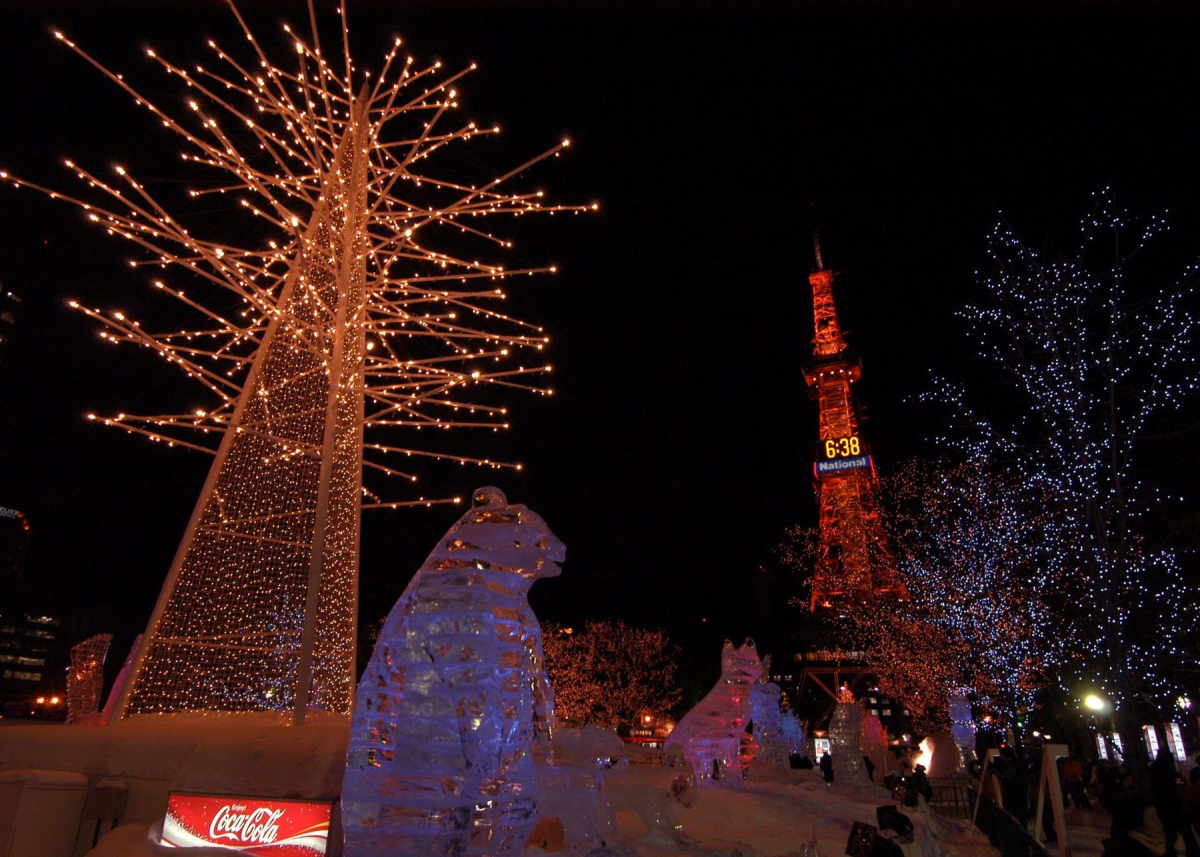
For other seasons, Gion Matsuri in Kyoto, regional summer festivals and the Sapporo Snow Festival provide different reasons to travel. Check the organiser for the specific edition before committing. Confirm the announced edition before booking; a historical photograph does not establish the next programme or dates.

Things to Do FAQs
Which activities benefit most from booking?
Book when a host, limited capacity, fixed session or special access is important. Read the language, meeting point, inclusions and cancellation terms before committing.
Is walking in a national park always easy?
No. Valley paths, exposed mountain routes and volcanic viewing areas have different requirements. Check the route, conditions and last return connection.
Are the festival photographs current programme images?
No. The captions identify historic festival scenes. Use the separately dated official programme information for the event you intend to attend.
How do I choose a Kyoto tea session?
Compare the host, teaching language, seating, duration, meeting point and inclusions. A tasting, a preparation lesson and a formal ceremony offer different kinds of participation.