
ASIA · JAPAN GUIDE
Where to Stay in Japan: Cities, Neighbourhoods & Regional Bases
Choose the overnight base before choosing the property. The right city, neighbourhood and station can save repeated transfers and make evenings easier. A well-reviewed hotel in the wrong part of a large city may be less useful than a simpler property near the line you need. This guide compares bases and accommodation types; the Hotels guide addresses named properties.
For a first visit, use a small number of bases and add a regional stay only when it serves a clear interest. Kyoto and Osaka can often be handled from one base, while a ryokan, mountain town or island stay may justify a deliberate change. Count the packing, checkout and transfer as part of the decision.
A quick comparison of Japan overnight bases
On smaller screens, swipe or scroll horizontally to read the full table.
| Base | Useful for | Main trade-off | Car-free approach |
|---|---|---|---|
| Tokyo Station / Marunouchi | Intercity rail and central connections | Business-district atmosphere in some blocks | Choose the correct station exit and walking route |
| Shinjuku, Tokyo | Western Tokyo, dining and regional departures | Large station and lively streets | Check the final exit, lifts and distance to the property |
| Ueno / Asakusa, Tokyo | Older districts and selected Narita routes | Different rail convenience between the two areas | Compare the exact line, not just the district name |
| Kyoto Station | Arrivals, departures and regional trips | Some historic districts require another journey | Rail and subway with a practical final walk |
| Shijo–Karasuma / Kawaramachi | Dining and central Kyoto exploration | Traffic, nightlife and variable room space | Subway or Hankyu location depends on the property |
| Higashiyama / Gion | Historic streets and early local walks | Luggage, steps and private-lane restrictions | Check station distance and taxi access |
| Namba, Osaka | Food, evenings and Nankai airport access | Busy commercial streets | Choose the relevant Namba operator and exit |
| Umeda / Osaka Station | Regional rail and northern Osaka | Complex station and underground routes | Save the property’s precise access instructions |
| Hiroshima | Peace memorial visits and Miyajima planning | Station area and memorial district are distinct | Compare tram, bus and walk to the actual property |
| Kanazawa | Gardens, craft and traditional quarters | Station convenience versus historic-area atmosphere | Check local bus and walking needs |
| Sapporo | A Hokkaido city base | Rural destinations may be distant | Choose around the specific regional journey |
| Fukuoka | Food and a Kyushu starting point | Hakata versus Tenjin serve different plans | Rail, subway and airport-terminal details matter |
| Naha | Okinawan culture and urban services | Not a northern beach-resort base | Check monorail access and the final walk |
Tokyo: choose the useful station
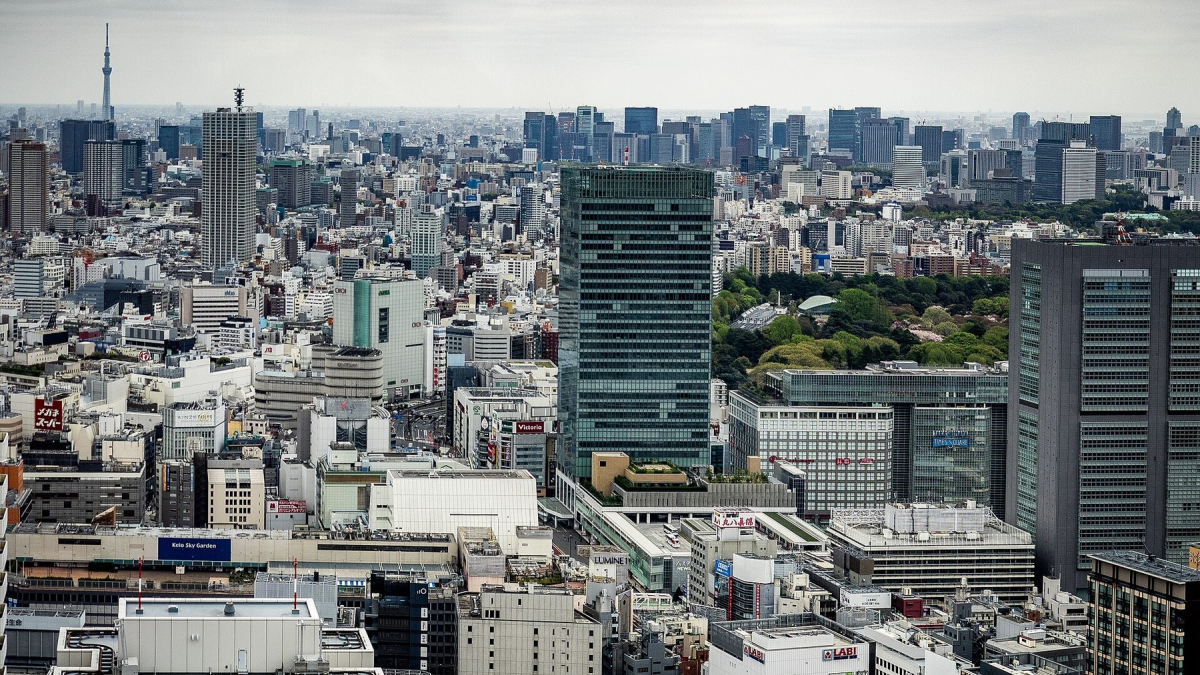

Tokyo Station and Marunouchi suit travellers prioritising Shinkansen connections and a relatively straightforward arrival or departure. The station is extensive, and a property near one side may still involve a long walk from another set of platforms. Check the access instructions for the service you will use rather than simply measuring the distance to the station label on a map.
Shinjuku suits a varied city stay with substantial dining and transport choices. The trade-off is the scale of the interchange and the contrast between its business, shopping and nightlife areas. A west-side high-rise hotel creates a different evening environment from a small property near an entertainment street. Save the precise exit and walking route before arrival.
Ueno can be convenient for museums, older districts and selected airport or northern rail plans. Asakusa offers a different neighbourhood atmosphere, but its station pattern is not identical to Ueno's. Compare your actual journeys before deciding that either is a universal budget alternative. For families, room layout and a manageable walk may matter more than being beside a famous crossing.
Kyoto or Osaka: one base or two?
Kyoto Station is practical for a transfer-heavy itinerary and for travellers who prefer to arrive without crossing the city with cases. It also provides useful rail access to some excursions. The drawback is that a station-area stay does not put every historic district outside the door. Build local journeys into the day rather than judging the hotel only from the intercity arrival.
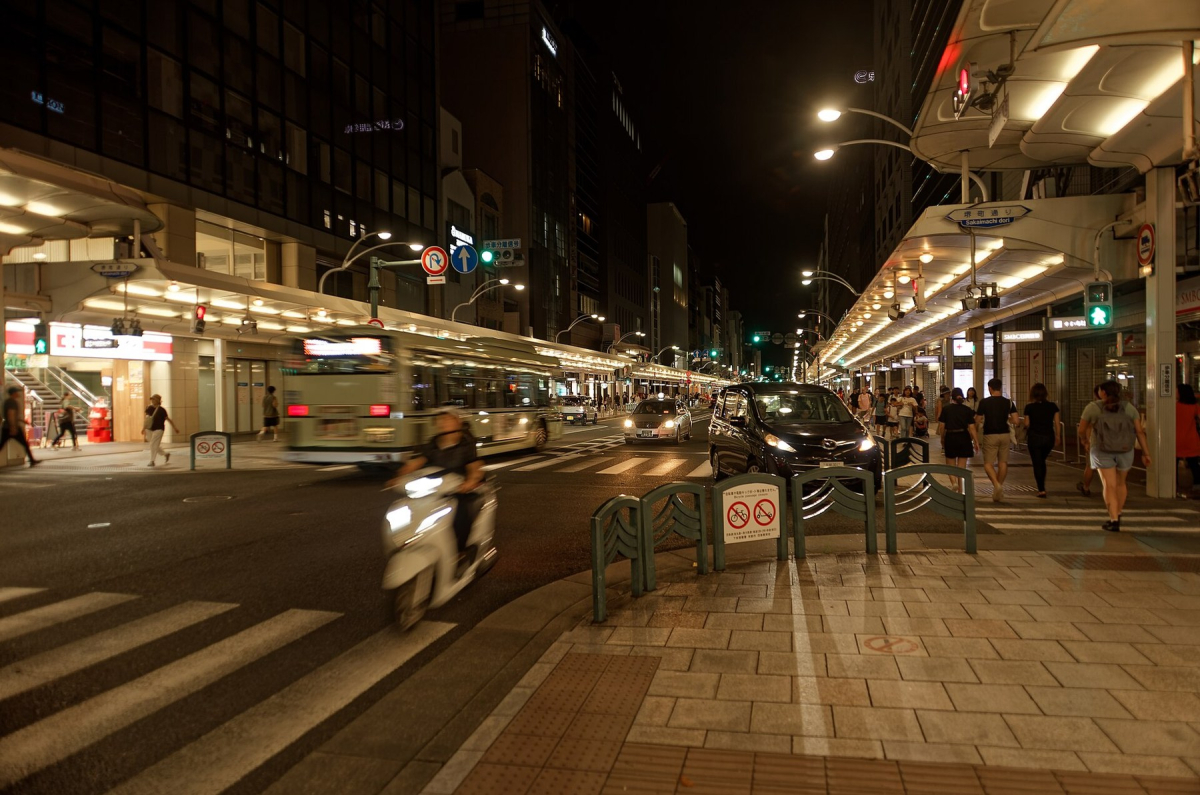
Shijo–Karasuma balances central services with transport choices, while Kawaramachi places more dining and shopping nearby. Higashiyama and Gion suit travellers who value early or evening walks in historic surroundings, but properties can involve stairs, longer station walks or restricted vehicle approaches. Ask about the specific entrance and baggage arrangements.
Osaka's Namba suits evening food and entertainment as well as Nankai airport travel. Umeda and the Osaka Station area serve a different rail network and urban environment. A traveller focused on Kyoto temples may prefer sleeping in Kyoto; someone prioritising Osaka evenings may prefer returning there after a day trip. Changing hotels between the two is worthwhile only when the benefit outweighs the packing and check-in.

Hiroshima, Kanazawa and other regional cities
In Hiroshima, compare the station area with the district around the peace memorial sites and central dining. A station-adjacent property helps with a short arrival or departure, while a more central stay can make the memorial visit and evening easier. Miyajima remains a separate local journey and ferry trip from either choice.
Kanazawa offers a choice between straightforward rail access and proximity to the garden, castle and traditional quarters. A property beside a historic district may provide atmosphere but still require a bus or taxi with luggage. Check the exact final walk and whether the accommodation has staff available at your arrival time.
Takayama and Matsumoto are useful when a central-Honshu route has a clear mountain or historical focus. Choose the base according to the onward connection and season. A beautiful inn outside the centre may need a shuttle, an early dinner arrival or a taxi from the last bus stop. Do not assume a rural address is walkable because the distance appears short.
Hokkaido, Kyushu and Okinawa bases
Sapporo works well for a city stay and selected Hokkaido excursions, but the island's rural areas require their own base choices. If your main interests lie far from the city, avoid returning to Sapporo every night solely because it has the widest hotel selection. In winter, the route from station or parking area to the entrance deserves particular attention.
In Fukuoka, Hakata suits rail arrivals and onward Kyushu travel, while Tenjin and nearby central areas serve a different mix of shopping and evenings. Nagasaki and Kagoshima can each justify their own stay rather than a rushed return excursion. For an onsen town, confirm the last public connection and the property's dinner cutoff.
Naha is a useful Okinawan urban base, with restaurants, cultural interests and airport access. A northern main-island resort suits a beach-focused plan but changes transport needs. Ishigaki and Miyako require separate flight and local decisions. A property being in Okinawa does not establish convenient access to every island or coastal activity.
Hotels, ryokan and self-catering accommodation

A business hotel can be efficient for a short city stay, especially when the location is strong and the room meets your space needs. Check the actual bed dimensions and occupancy. A small double or semi-double description may not match what two adults expect from a standard double room at home.
For a ryokan, check whether meals are included and whether the rate is per person. Confirm dinner timing, bathing arrangements, footwear rules and whether sleeping is on futons or Western beds. An exterior photograph or a public-bath image does not establish the features of your own room. A one- or two-night stay can be more rewarding when you arrive early enough to enjoy it.
For families or a longer stay, a serviced apartment or licensed rental may provide a kitchen and separate space. Confirm cooking equipment, laundry, cleaning, waste disposal and late arrival. A traditional house can have steep internal stairs and limited sound insulation. Our Longer Stays & Costs guide explains the stay-level comparison.
Families, mobility and a slower pace
Check the entire arrival route when accessibility matters: the station exit, pavement, building entrance, lift, room door and bathroom. A property described as accessible may have only a few suitable rooms, and public-area access does not describe the room layout. Ask for the exact category and describe the mobility aid or transfer needs.
Families should confirm maximum occupancy and the treatment of children sharing a bed. Meals, extra bedding and cots can have separate conditions. A room that technically allows the party may still leave little space for cases, a stroller or an early bedtime. Consider a quieter location and a nearby ordinary food option for evenings when everyone is tired.
For a slower trip, one well-chosen base with several local days often works better than repeated one-night stays. A split stay becomes useful when the activities are genuinely separated, such as a city and a distant coastal area. Choose the second base for a practical change in experience, not simply to increase the number of places on the itinerary.
Where to Stay FAQs
Should I stay in both Kyoto and Osaka?
You can often visit both from one base. Split the stay when early Kyoto visits and late Osaka evenings are both important enough to justify moving luggage.
Is a hotel near Tokyo Station automatically convenient?
Only for the journeys it serves well. Check the exact side, exit and walking route, as well as your daily destinations.
Is Naha a beach-resort base?
Naha is primarily an urban base for services, food and cultural interests. A northern coastal resort or an outer island creates a different transport and activity plan.