
ASIA · JAPAN GUIDE
Japan Food, Drink & Nightlife: Regional Choices and Practical Dining
Japan's food is a reason to vary the route, not simply a list of dishes to tick off. A casual Osaka meal, a Kyoto tea stop, Hiroshima-style okonomiyaki and a Fukuoka ramen counter offer different experiences. Choose a few regional priorities and leave room for ordinary meals near the places you are already visiting.
This page explains what to try and how to make dining work. It also includes a separate nightlife section for venue types, neighbourhood choices and the journey home. Food photographs are illustrative examples of the named dish or setting; they do not promise a particular restaurant's current menu, portion or availability.
Choose food with a sense of place
On smaller screens, swipe or scroll horizontally to read the full table.
| Region or city | Starting point | Why choose it | What to ask |
|---|---|---|---|
| Tokyo | Edomae-style sushi or monjayaki | Different counter and casual dining experiences | Set menu, order method and reservation terms |
| Osaka | Okonomiyaki and takoyaki | Cooked, informal food and lively dining districts | Portions, seating and where food may be eaten |
| Kyoto | Yudofu, yuba, seasonal sweets and tea | Tofu traditions and a slower meal or tea break | Broth ingredients and the actual service included |
| Hiroshima | Layered Hiroshima-style okonomiyaki | A distinct preparation, often involving noodles | Ingredients and cooking-surface cross-contact |
| Fukuoka / Kyushu | Tonkotsu ramen and regional dishes | Local noodle culture and evening food options | Broth, toppings, ordering and payment |
| Hokkaido | Regional ramen, seafood and dairy products | A different northern food landscape | Seasonal availability and preparation |
| Okinawa | Goya chanpuru, soki soba and Ryukyuan food | Island culinary identity beyond a resort menu | Pork, fish stock and dietary suitability |
The JNTO local-food directory is useful for following regional specialities beyond the best-known dishes. A dish name alone does not establish its ingredients or price. Broths, sauces, toppings and preparation vary between businesses, and a vegetarian-looking plate can contain fish or meat stock.
A regional meal does not have to be an expensive formal booking. A simple lunch can be a useful introduction, while a more elaborate meal deserves time to understand the menu and conditions. Compare the actual experience rather than assuming that a famous district guarantees a better version of every dish.
Sushi, noodles and the format of a meal
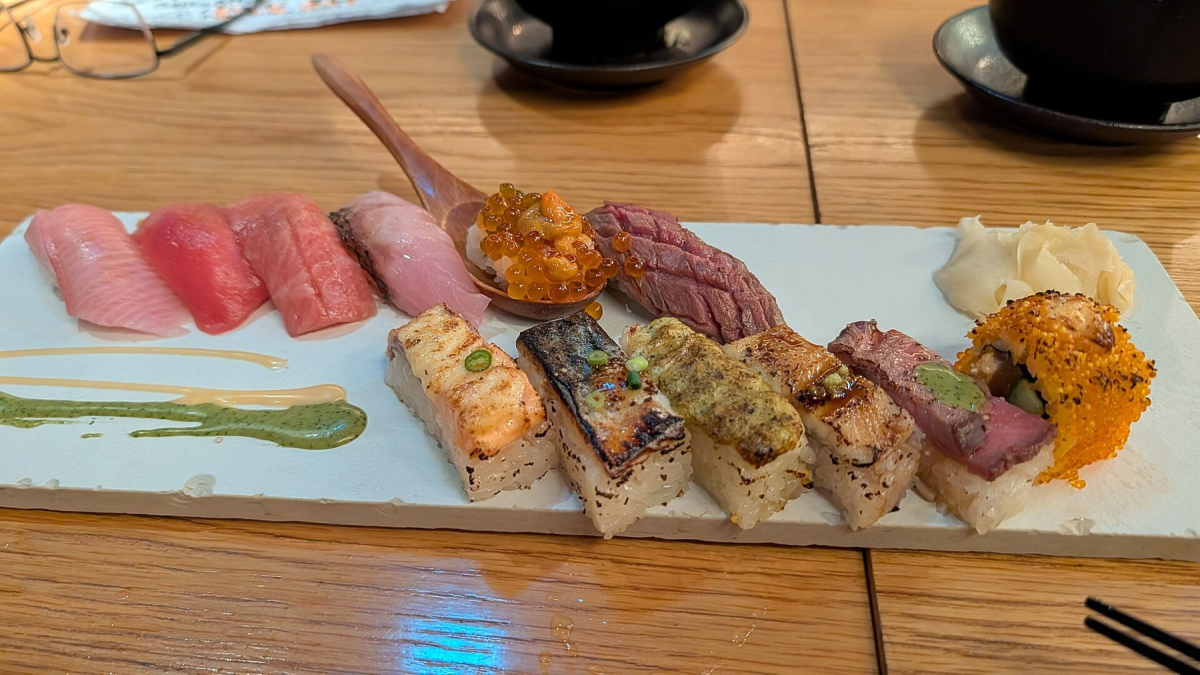

At a sushi counter, check whether you are ordering individually, choosing a set or booking an omakase experience in which the chef selects the course. These formats can differ substantially in cost, pace and flexibility. Confirm dietary requirements before reserving, especially where a small counter works with a fixed menu.
Noodle shops can be a practical everyday meal, but the ordering method varies. Some use a ticket machine before you sit down; others take an order at the table. Look for the queue process and ask staff if you are uncertain. A busy small restaurant is not a place to occupy seats while part of the group shops elsewhere.
For ramen and similar dishes, broth matters as much as the visible toppings. Pork, chicken, fish and other ingredients may be used even when the garnish appears simple. For an allergy or strict dietary requirement, obtain a clear explanation from the business rather than deciding from the photograph or a translated dish name.
Regional cooking and a useful class
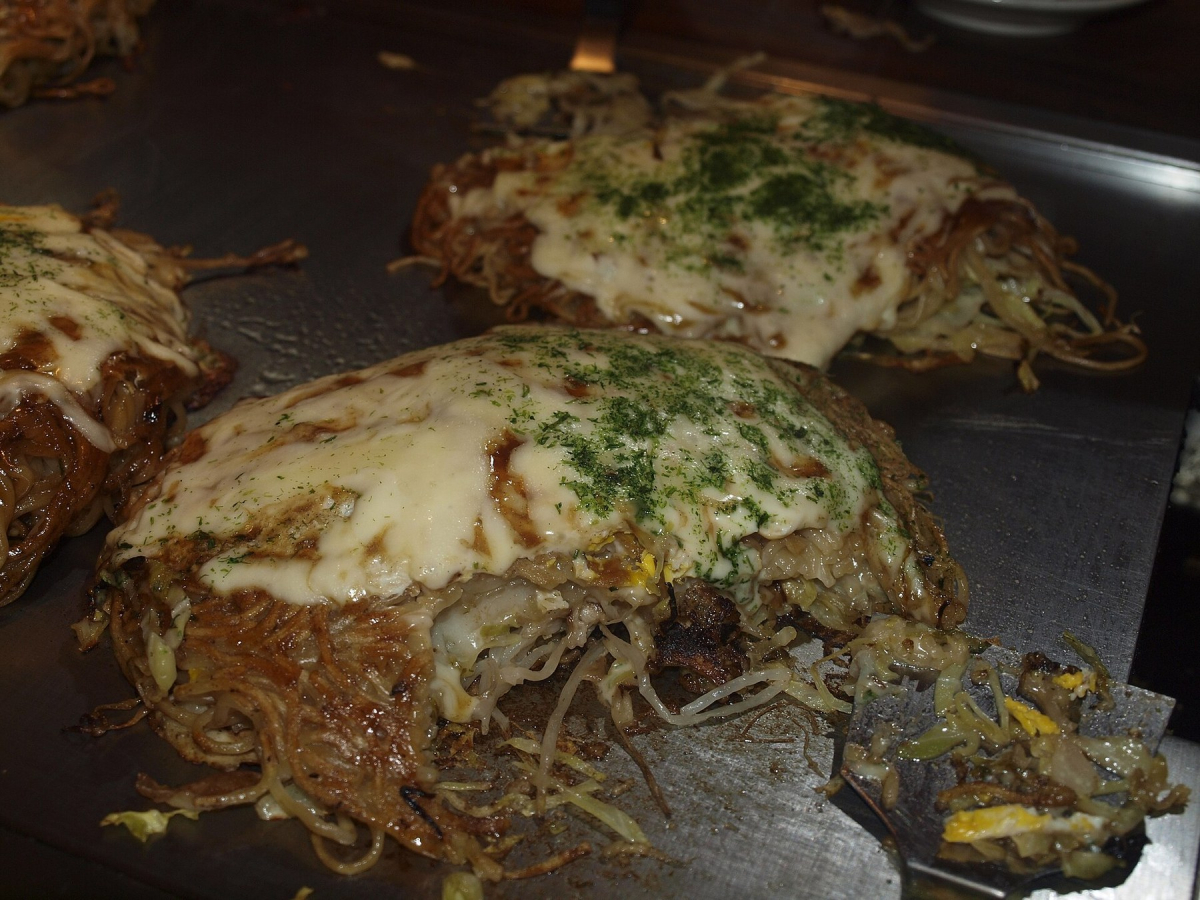

Okonomiyaki is a useful example of how a familiar name can cover different regional preparations. Hiroshima's layered version is distinct from the Osaka-associated style many travellers first encounter. Watching the preparation can be part of the interest, but do not lean over the cooking surface or photograph staff closely without permission.
A cooking class can add context when it explains ingredients, technique and the place of the dish in everyday life. Check whether the session is genuinely hands-on, the teaching language, the number of participants and how dietary requests are handled. A demonstration and a class in which everyone cooks are different products.
If the class includes a meal, account for that when planning the rest of the day. Confirm the meeting point and travel time from your hotel, and avoid booking immediately after an uncertain intercity transfer. Takeaway food or ingredients may also have storage and customs implications if you plan to carry them onward.
Markets and department-store food floors
Tokyo's Tsukiji Outer Market remains a food-shopping and dining area; it is distinct from the wholesale auction facilities that moved to Toyosu. Use the market's own directory to choose shops and understand the working environment. Leave large luggage elsewhere and keep trading lanes clear.
Kyoto's Nishiki Market offers ingredients, prepared food and food-related shopping in a narrow arcade. Kyoto's official guidance asks visitors to eat at the shop where the food was purchased or take it away appropriately, rather than eating while walking through the market. Opening days and hours depend on the individual business.
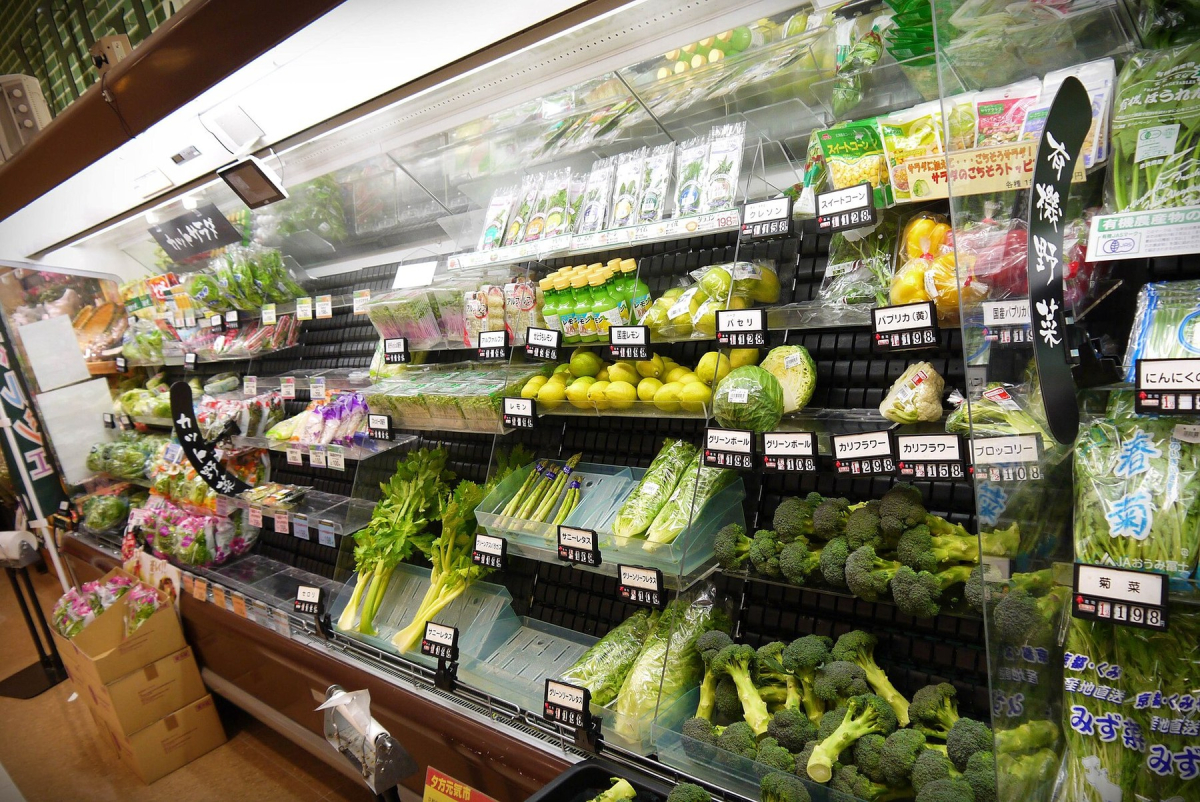
Department-store food basements are another useful option, particularly when the group wants different foods or the weather is poor. Check where you may eat the purchase and how long chilled items can safely be carried. A display of attractive food is not an invitation to open packages or photograph every stall without asking.

Tea, sake and choosing a tasting
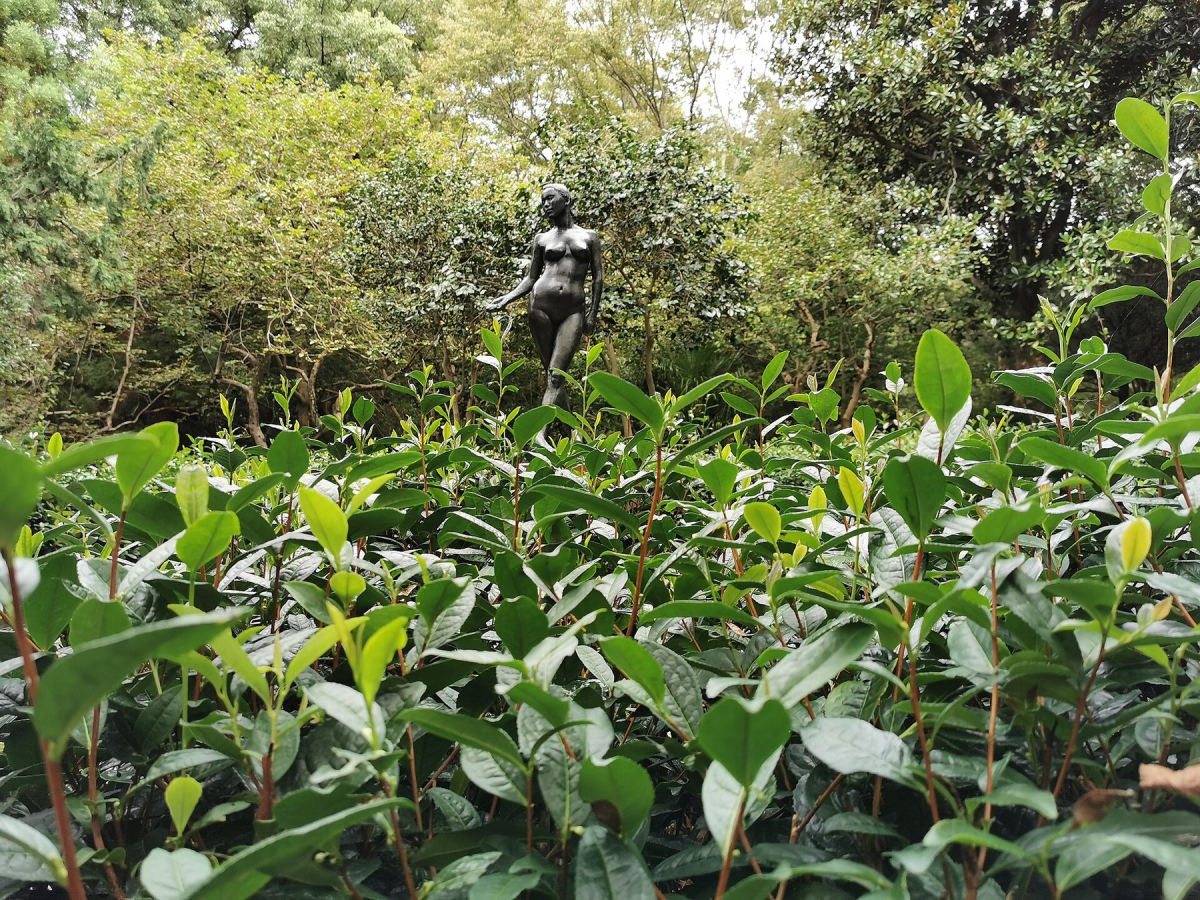
Tea can support a short stop, a shopping visit or a structured cultural session. Matcha, sencha and other teas have different preparation and flavour profiles. A tea ceremony is not simply any café serving matcha, and a tasting is not necessarily a formal ceremony. Read what the host actually offers before reserving.
For a concrete tea-shopping stop, Ippodo's Kyoto Main Store and Kaboku Tearoom is at 52 Tokiwagi-cho, Nakagyo-ku. Its official page separates shop, tearoom and classes, and notes a regular second-Wednesday closure. Check the current arrangements for the service you want rather than assuming a shop visit includes a class.
For sake or other alcohol, choose a tasting with a clear format, quantity and return plan. A brewery visit, a shop tasting and a bar flight are different experiences. Avoid driving after drinking, and check the provider's age and participation rules. Buy bottles only after checking airline baggage and home-country customs restrictions.

Dietary needs, reservations and payment
Prepare a precise written description of allergies and dietary requirements. Vegetarian, vegan, halal and allergy-safe are different claims, and a restaurant's ability to accommodate one does not establish the others. Broth, seasoning, cooking oil and shared equipment can matter. Ask before committing to a fixed menu, and accept that some small businesses may be unable to provide the assurance you need.
For a special meal, confirm the exact branch, party size, date, start time, cancellation conditions and any prepayment. Some restaurants have several similarly named locations, and a reservation platform's English listing may not make the distinction obvious. Keep the address and confirmation accessible offline.
Check payment and additional charges before ordering. A cover, a small appetiser charge, a minimum order and a service charge are different arrangements. Cash and cards are both useful, but acceptance varies. Do not infer a total from a menu photograph that may be old or from a traveller's bill for a different meal.
Nightlife: choose the kind of evening, then the route home
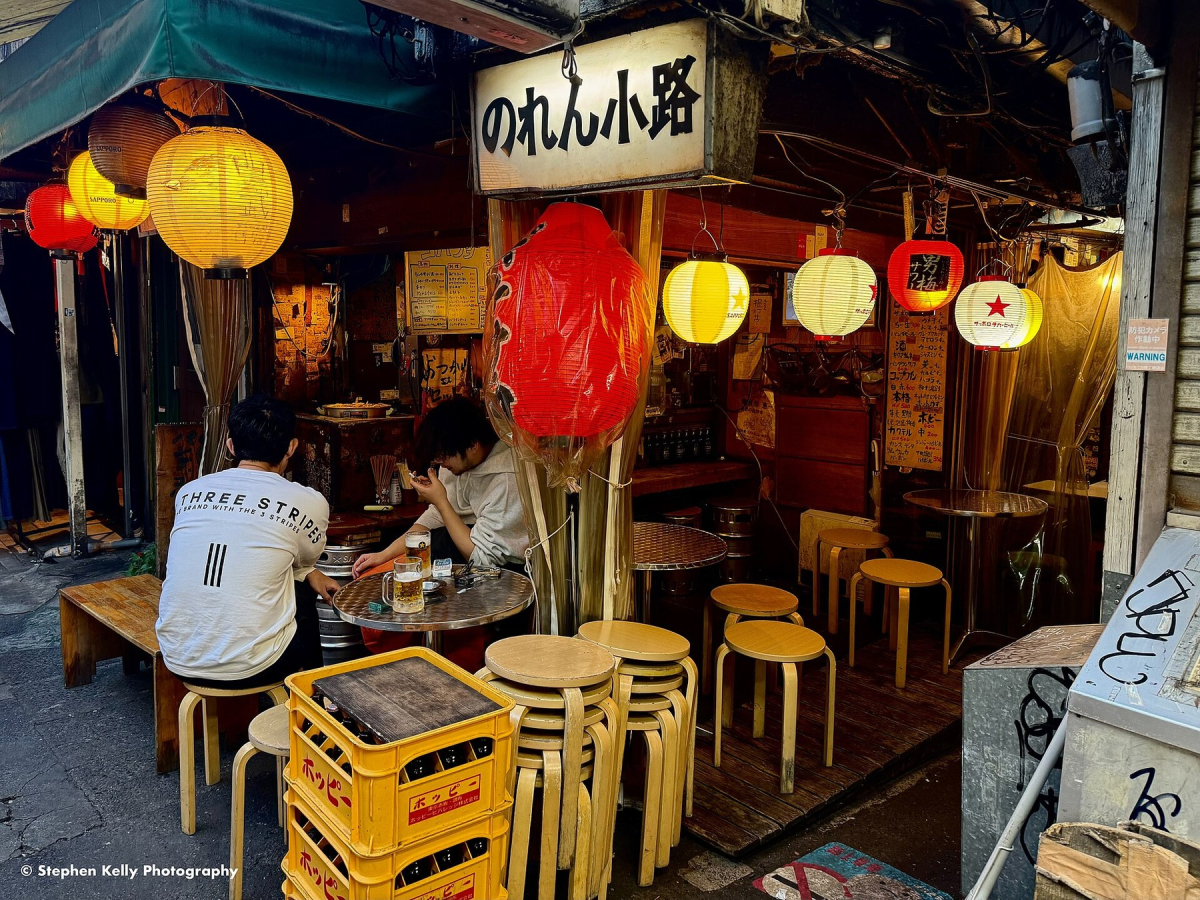

Tokyo offers very different evenings in large entertainment districts, intimate bar lanes, live-music venues and quieter neighbourhood restaurants. Shinjuku's nightlife streets and Kichijoji's Harmonica Yokocho are not the same environment. Choose a place for the type of evening you want, and understand the price and admission arrangements before entering.
Osaka's Namba and Dotonbori area suits a food-led evening with substantial street activity. Kyoto's Pontocho and nearby central districts offer another setting, but a narrow atmospheric lane is not a guarantee of walk-in seating or a particular price level. Fukuoka's yatai culture can be an appealing regional choice; check the individual stall's operation and rules rather than assuming every evening has the same options.
A live house, jazz club, cocktail bar, karaoke room and nightclub have different ticketing models. Ask whether there is a cover, a required drink, a set duration or an advance ticket. For karaoke, confirm whether the quoted charge is per person and per time period. A private room and an open performance space are different experiences.
Plan the return before ordering the first drink. The last useful train depends on the line, direction and final hotel connection, not only the closing time of the venue. Price a legitimate taxi if necessary and keep the hotel address available. Do not follow unsolicited street approaches promising access to an unknown bar, and do not treat an all-night venue as a substitute for a safe return plan.
For families, an evening meal, illuminated public streets or an appropriate ticketed performance may be a better fit than an adult bar district. For anyone preferring a quiet evening, a neighbourhood dinner and a short walk are valid choices. Nightlife is an option to shape around your interests, rather than a required finale to every sightseeing day.
Food & Drink FAQs
Is Japanese food automatically suitable for vegetarians?
No. Fish stock, meat broth and other ingredients can appear in food that looks vegetable-based. Confirm the exact preparation and your requirements with the restaurant.
Is Tsukiji still the wholesale auction market?
The Outer Market remains a shopping and dining district. The wholesale auction facilities moved to Toyosu; they are different places with different visitor arrangements.
Does a tea ceremony include a full meal?
Usually you should not assume that. Read the host’s description of tea, sweets, duration and participation, and plan other meals separately.
Do trains run all night after an evening out?
Do not assume so. Check the last useful service and final connection for the hotel, or plan a legitimate alternative before the evening begins.