
ASIA · JAPAN GUIDE
Getting Around Japan: Trains, Passes, Buses & Car Decisions
Japan's transport system is easiest to use when you plan each journey at three levels: the long-distance connection, the local journey at either end and the final approach to the place you are staying or visiting. A fast train does not remove the time needed to reach its station, find the platform or cross a large interchange.
For the Tokyo–Kyoto–Osaka corridor, rail is a practical default. For rural landscapes, islands and mountain routes, buses, flights, ferries or selective car rental may be more relevant. This guide explains the choice; Airports & Transfers handles the first arrival and final airport journey separately.
Understand the service and the station
Start with the exact stations. Tokyo, Shinjuku and Shinagawa serve different combinations of trains and local lines. Shin-Osaka is the Shinkansen station for Osaka, while Osaka Station and Namba are separate destinations. A route ending at the wrong one can leave an unexpected local transfer with luggage.
Long-distance travel may involve a basic fare, a limited-express or Shinkansen component and a reserved seat, depending on the product. Online systems can package these differently. Read the collection or boarding instructions and know whether you need a physical ticket, a registered IC card or another authorised method. A confirmation email alone may not be the boarding credential.
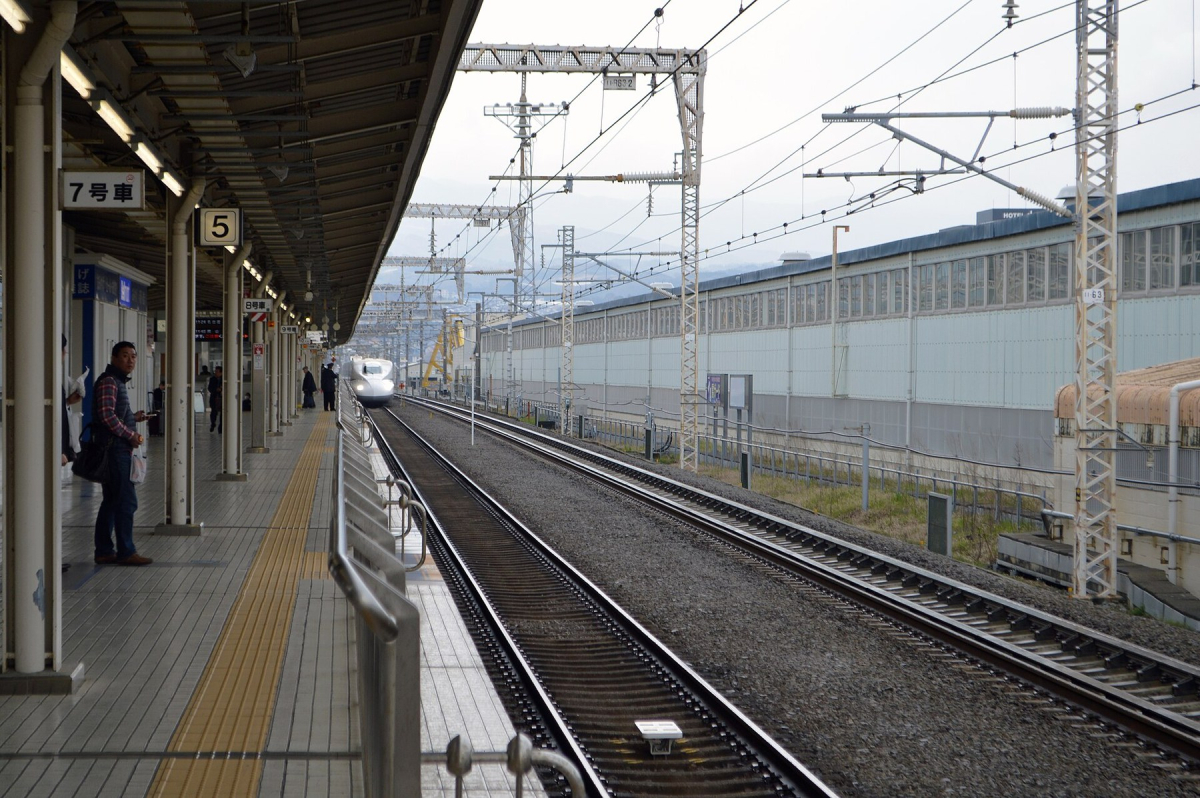
Allow time to navigate the station and identify the train, direction, carriage and seat. Similar departure times do not make services interchangeable if your ticket is tied to one train. Check the change and cancellation rules before buying a restrictive product, especially when connecting from a flight whose arrival time is uncertain.

Compare passes after the route is fixed
The nationwide Japan Rail Pass has a specific eligibility and coverage policy. The official price page checked for this edition lists different purchase-channel prices: an adult Ordinary seven-day pass is ¥50,000 through the official online service and ¥53,000 through an overseas agency. Longer durations and Green-car products cost more. Recheck the relevant channel before purchase.
The same official page states that using Nozomi or Mizuho with the pass requires the special pass-holder ticket. Do not describe these trains as simply included without that condition. Regional passes also have their own service, operator and date restrictions. A pass name resembling your destination is not proof that it covers the route you want.
Add the eligible point-to-point journeys and compare them with the pass price, activation period and any supplements. Leave out trips you would not otherwise make. Local subways, private railways and many buses can remain separate costs. A less expensive regional product may fit a compact itinerary better than a national pass.
On smaller screens, swipe or scroll horizontally to read the full table.
| Product | Useful role | Main limitation |
|---|---|---|
| Point-to-point rail ticket | A defined intercity journey | Conditions depend on the service and fare |
| Nationwide JR Pass | Eligible travel across participating JR services | Eligibility, duration, exclusions and some supplements |
| Regional rail pass | A concentrated regional route | The exact operator and coverage map matter |
| Transport IC card | Convenient payment for participating local services | Stored value, not universal unlimited travel |
| Domestic flight | A distant regional or island connection | Airport access, baggage and separate-ticket risk |
IC cards and mobile products
Suica, ICOCA and other compatible cards are useful on participating local services, but coverage is not universal. JR East's physical Welcome Suica guidance explains its validity and area restrictions. The physical visitor card and Welcome Suica Mobile have different conditions, so read the page for the product you intend to use.
For a phone-based product, check supported devices, payment methods, activation and what happens if the battery or phone fails. Do not assume a foreign Android phone or every bank card supports the same setup as an iPhone demonstration. A physical card or ordinary ticket can be a useful alternative if a mobile product is unsuitable.
For intercity travel, confirm whether the journey requires a separate ticket or registration. A tap-in payment method used for a city train is not automatically valid for continuous travel across all regional areas. Ask station staff before entering if you are uncertain; resolving the issue at a distant exit can be more complicated.
Luggage and accessible journeys
Measure the luggage you plan to bring on the relevant Shinkansen route. JR Central's current baggage information distinguishes ordinary luggage storage from the reserved space needed for oversized baggage. Check the operator's current size and reservation rules rather than treating any empty space behind a seat as available to everyone.
Luggage forwarding can simplify a side trip or a crowded transfer. Confirm delivery timing, the receiving property's agreement and the service's restrictions before sending a bag. Keep essential documents, medicine and enough clothing with you. An airport delivery cutoff can differ from a hotel-to-hotel service.
For step-free travel, find the correct lift-equipped entrance and allow for the longer route it may create. Reserve assistance or an appropriate seat where required and tell staff the destination. A station marked accessible does not mean every exit or platform connection is equally convenient. The exact journey matters more than the symbol beside the station name.

Regional buses, ferries and the last connection
Mountain and rural buses may run infrequently, require reservations or operate seasonally. Check the boarding point, payment method and return service before walking away from the stop. A journey planner showing an outbound connection does not establish that you can return after finishing the activity.
For islands, verify the actual operator and route. Weather, tides or sea conditions can affect a crossing, and a passenger ferry is different from a vehicle ferry. Do not assume that two islands in the same prefecture are directly linked. Keep a buffer before a separate flight and avoid relying on the last boat for an essential international connection.
In Kyoto, rail can be a more comfortable approach to some sightseeing areas than a long crowded bus ride. The official Arashiyama access guide explains alternative rail approaches. Use the route that suits your starting point and mobility needs, rather than assuming one national pass determines the best local journey.
When a rental car helps
A car can help with selected rural areas of Hokkaido, Kyushu, Shikoku or Okinawa, particularly when several stops are poorly connected by public transport. It is usually less attractive for a city-centred Tokyo–Kyoto–Osaka visit, where parking, tolls, congestion and hotel access add complications.
Establish licence eligibility before making a rental booking. JAF's foreign-licence guidance distinguishes the recognised 1949 Geneva Convention permit route from other arrangements. Some foreign licences follow a specific translation route. Do not assume every document sold online as an international permit is valid in Japan.
Check insurance, excess, roadside assistance, one-way fees, child seats, parking and toll-payment arrangements with the actual rental company. Winter driving needs suitable tyres, equipment and experience. An attractive rural road on a summer photograph may be unsuitable or closed in winter. Use the car only for the part of the itinerary where it adds practical value.


Getting Around FAQs
Is a Japan Rail Pass always good value?
No. Compare the actual eligible journeys, purchase channel, validity period and service restrictions with point-to-point and regional alternatives.
Can an IC card replace all train tickets?
No. It is convenient on participating services, but long-distance, limited-express and cross-area travel can need a separate ticket or setup.
Do I need a car for Kyoto and Tokyo?
Most city-focused visitors can use public transport. A car is more useful for selected rural routes after licence, parking, toll and seasonal checks.