
ASIA · JAPAN GUIDE
Japan Itineraries: 7, 10 & 14 Days with Realistic Overnight Bases
These itineraries count calendar days in Japan, including arrival and departure. Seven days means six hotel nights, ten days means nine nights, and fourteen days means thirteen nights. Long-haul flight time before arrival is additional. The plans assume arrival in the Tokyo area and departure from Kansai; if your flights return from Tokyo, change the final-night arrangement and allow the extra journey.
The routes are editorial independent-travel suggestions, not packaged tours or protected connections. Check transport, opening days and reservation requirements for your dates. A transfer day contains usable time only after the actual journey, luggage and check-in are accounted for. Do not add every optional excursion to the same plan.
Choose the pace before choosing the tickets
On smaller screens, swipe or scroll horizontally to read the full table.
| Plan | Hotel nights | Base allocation | Best fit |
|---|---|---|---|
| 7 calendar days | 6 | Tokyo 3 + Kyoto 3 | A focused first taste with limited day trips |
| 10 calendar days | 9 | Tokyo 4 + Kyoto 5 | A first visit with more local time and one Kansai excursion |
| 14 calendar days | 13 | Tokyo 5 + Kyoto 5 + Hiroshima 2 + Osaka 1 | A broader cultural route with a final Kansai departure base |
If seven days includes a late arrival and an early departure, a single-region holiday may be more satisfying than the two-base version. Tokyo with a nearby excursion or Kansai with Kyoto, Osaka and Nara can each fill the time. Keep the two-base route only if seeing both Tokyo and Kyoto matters enough to justify the transfer.
For all three plans, choose the most important timed visit first and leave other periods flexible. Museums, gardens, restaurants and performances have their own closing patterns. A rain alternative should be a place you want to visit, not simply the nearest building with a roof. Use the regional map to understand the sequence before buying any pass.
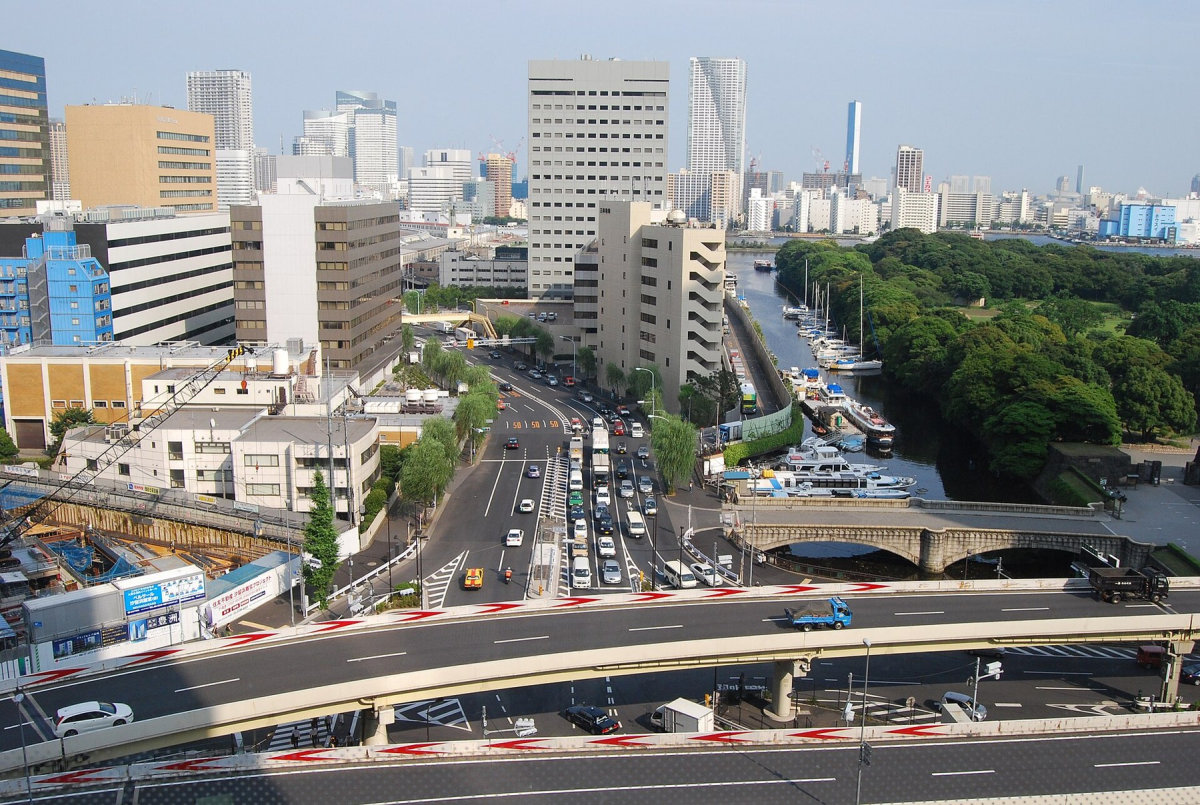
7 days: Tokyo and Kyoto, with six nights

On smaller screens, swipe or scroll horizontally to read the full table.
| Day | Plan | Overnight |
|---|---|---|
| 1 | Arrive in Tokyo; complete entry and transfer; settle into the hotel | Tokyo |
| 2 | A compact eastern Tokyo day: choose a museum or historic district and nearby streets | Tokyo |
| 3 | A western Tokyo day: choose Shinjuku or Shibuya plus a nearby interest | Tokyo |
| 4 | Transfer to Kyoto; leave only a modest local walk after arrival | Kyoto |
| 5 | A focused eastern Kyoto temple and neighbourhood day | Kyoto |
| 6 | Choose Arashiyama or another Kyoto district; keep the evening practical | Kyoto |
| 7 | Travel to the Kansai departure airport with the airline’s required buffer | No hotel night in this plan |
This gives two full Tokyo days and two full Kyoto days, plus a partial transfer day. It does not give seven full sightseeing days. Keep arrival dinner simple and avoid placing an expensive non-refundable activity immediately after the flight. Jet lag and entry procedures can make even a familiar-looking evening feel longer than expected.
In Tokyo, choose geographically connected interests rather than a cross-city checklist. In Kyoto, an eastern district day and an Arashiyama day provide contrast without treating every famous temple as compulsory. Rail approaches can help with Arashiyama, but the right route depends on the starting hotel.
For rain, move a suitable museum or indoor cultural activity into the affected day and retain a shorter outdoor walk if conditions allow. For families or a slower pace, reduce each day to one main activity and one nearby optional stop. If the group wants a full theme-park day, replace a city day rather than adding it to an already full schedule.
If departing internationally from Tokyo, return there before the flight and recalculate the nights. One workable adjustment is Tokyo three nights, Kyoto two and Tokyo one, but it leaves less Kyoto time and adds another hotel change. Price an open-jaw flight before accepting that backtrack as unavoidable.
10 days: two bases with time for a Kansai excursion

On smaller screens, swipe or scroll horizontally to read the full table.
| Day | Plan | Overnight |
|---|---|---|
| 1 | Arrive in Tokyo and settle in | Tokyo |
| 2 | Eastern Tokyo: one museum or temple-area anchor and surrounding streets | Tokyo |
| 3 | Western Tokyo: a neighbourhood pair and optional observation visit | Tokyo |
| 4 | Choose another Tokyo interest or a carefully planned Kamakura excursion | Tokyo |
| 5 | Transfer to Kyoto; allow for luggage and a short local introduction | Kyoto |
| 6 | Eastern Kyoto, with a focused temple or garden selection | Kyoto |
| 7 | Arashiyama and Saga at a manageable pace | Kyoto |
| 8 | Nara excursion, returning to Kyoto | Kyoto |
| 9 | Kyoto garden, craft or museum day; optional Osaka evening only if practical | Kyoto |
| 10 | Transfer to Kansai Airport and depart | No hotel night in this plan |
The extra nights improve the trip because they create choices. Day four can remain in Tokyo if weather or fatigue makes Kamakura unattractive. Day nine can absorb a special exhibition, a craft activity or a garden missed earlier. Do not treat those flexible periods as gaps that must be filled with distant travel.
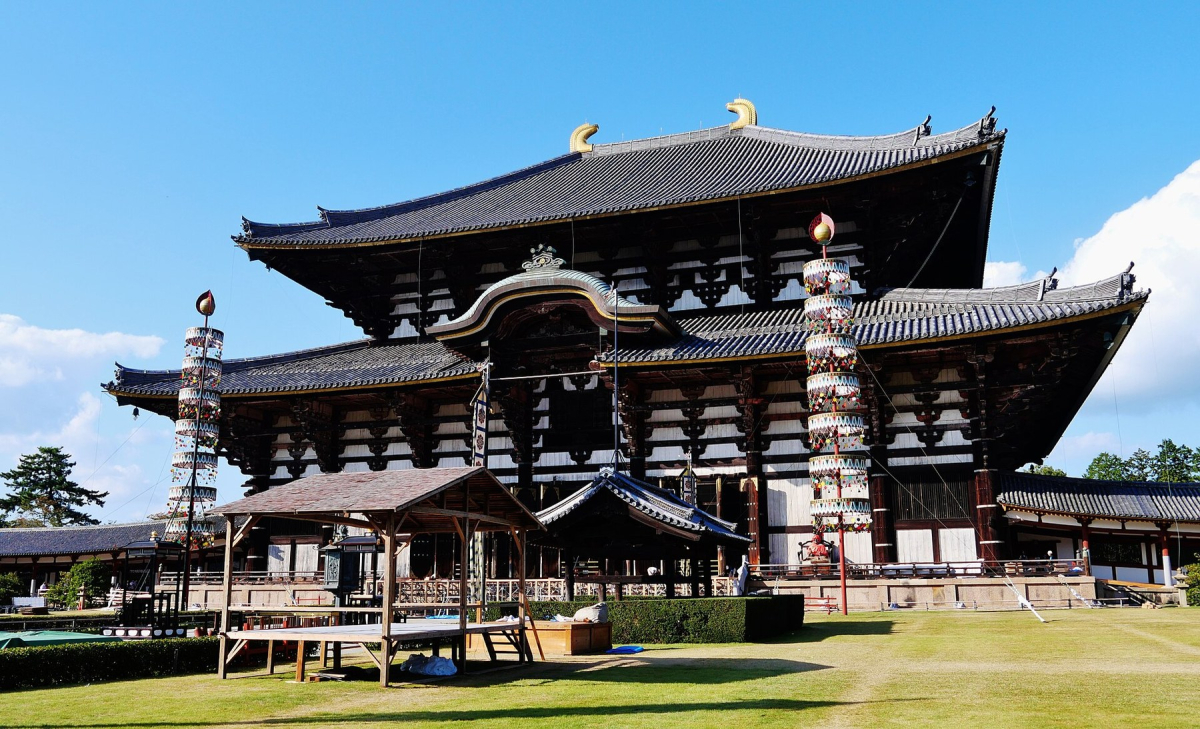
Nara is the single planned regional excursion in this version. It offers a different scale and setting from Kyoto's temple districts. Check the final walk from the station and choose a realistic amount of the park and religious precinct to cover. A second excursion to Himeji is possible only by replacing another day, not by treating the existing Kyoto days as empty.
An Osaka evening is optional. If you stay late, check the last useful return journey and the walk to the Kyoto hotel. Travellers who expect several Osaka nights out may prefer moving part or all of the Kansai stay to Osaka. That changes the daily journey to Kyoto and should be assessed as a base choice, rather than a cosmetic change to the table.
For mobility needs, favour fewer changes and the appropriate step-free station approaches. A direct taxi for one difficult final connection can be more useful than exhausting the group to preserve an entirely rail-based label. For a slower trip, keep day eight in Kyoto and save Nara for another visit.
14 days: add Hiroshima and a final Osaka night

On smaller screens, swipe or scroll horizontally to read the full table.
| Day | Plan | Overnight |
|---|---|---|
| 1 | Arrive in Tokyo; transfer and rest | Tokyo |
| 2 | Eastern Tokyo district day | Tokyo |
| 3 | Western Tokyo district day | Tokyo |
| 4 | A museum, design, food or other personal-interest day | Tokyo |
| 5 | Choose Kamakura or another local day; retain it as a weather buffer | Tokyo |
| 6 | Transfer to Kyoto with an easy arrival afternoon | Kyoto |
| 7 | Eastern Kyoto temples and neighbourhoods | Kyoto |
| 8 | Arashiyama and Saga | Kyoto |
| 9 | Kyoto garden, craft or museum focus | Kyoto |
| 10 | Nara excursion or a slower Kyoto day | Kyoto |
| 11 | Transfer to Hiroshima; visit the memorial area only with enough usable time | Hiroshima |
| 12 | Miyajima excursion; adapt the day to weather, tides and return transport | Hiroshima |
| 13 | Transfer to Osaka; choose a compact afternoon and dinner near the base | Osaka |
| 14 | Transfer to Kansai Airport and depart | No hotel night in this plan |
The overnight arithmetic is five Tokyo nights, five Kyoto nights, two Hiroshima nights and one Osaka night. The final Osaka stay serves the Kansai departure and provides a modest city introduction; it is not a full additional Osaka holiday. If the flight is late and a Kyoto airport route suits you better, a different final base may work, but the night count must be rewritten accordingly.
Day eleven is a transfer day. If you arrive in Hiroshima too late for an unhurried museum visit, change the order rather than racing through it. You may choose the memorial visit on day twelve and a shorter or omitted Miyajima excursion. Museum time, emotional pace and the local journey matter more than completing the table unchanged.
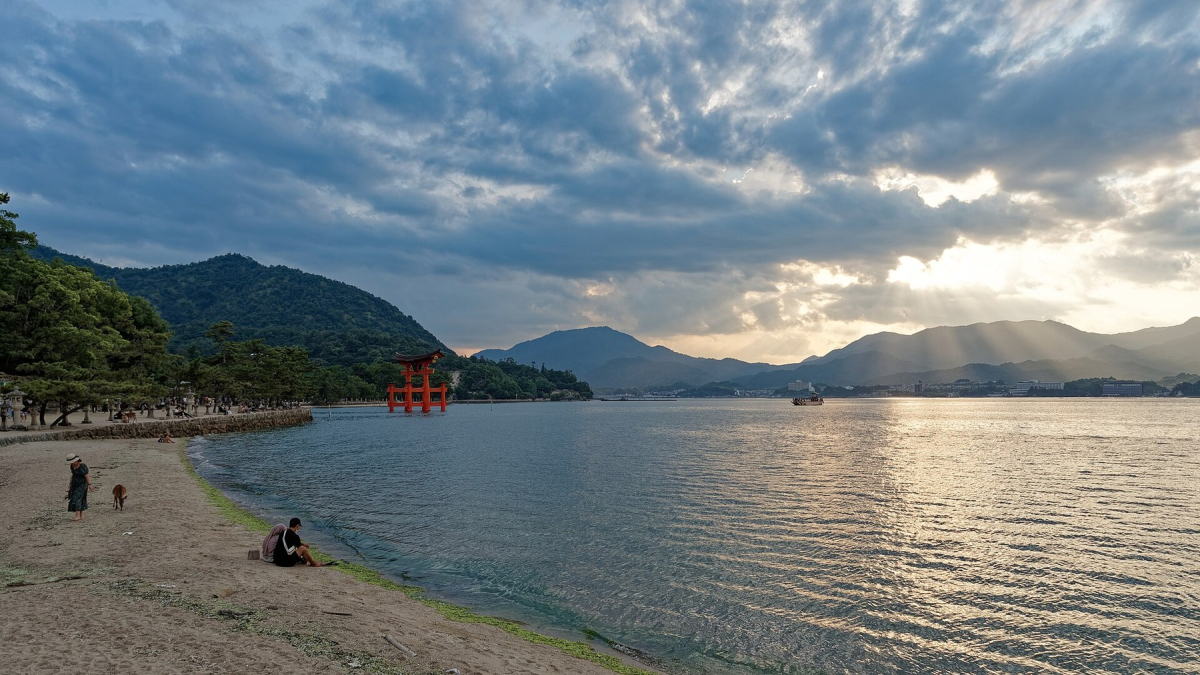
Miyajima's shrine, shoreline and mountain activities are separate choices. Check the ferry and local access first, then decide how much walking is appropriate. An ambitious Mount Misen outing should not be added automatically to a late-arriving shrine visit. Keep a weather alternative in Hiroshima and preserve the journey back to the hotel.
Himeji can sometimes be considered on the eastbound day, but it is an optional replacement for the Osaka afternoon, not an extra full attraction day. Confirm luggage storage and current opening information before committing. If the group is tired, travelling straight to Osaka and enjoying a relaxed dinner is a worthwhile use of the time.
When a different region is the better choice
These corridor plans are starting points, not a requirement to see the same places on every first visit. For gardens, craft and central-Honshu landscapes, replace the Hiroshima extension with a researched Kanazawa and Takayama route. Check the actual mountain connection and season before booking consecutive hotels. It is a different itinerary, rather than a like-for-like substitution of one train ride.
For Hokkaido, Kyushu or Okinawa, consider a focused regional holiday. Each has enough variety to justify its own trip, and a domestic flight plus local transport can consume much of a short extension. A beach or winter-sports priority may be better served by reducing the corridor cities substantially.
The base comparison, transport guide and season guide help test the alternative. Do not combine every suggested extension merely because the trip is longer. More nights should create room for the experiences you value, not only more transfers.
Booking order and final checks
Confirm the international arrival and departure airports, then book the overnight sequence and any genuinely restrictive activity. Compare train tickets and passes only after the route is stable. Check special opening days, restaurant reservations and the arrangements for a ryokan dinner or mountain activity separately.
Before departure, verify each transfer from hotel to hotel. Save the exact station, operator, ticket method and final local connection. For the flight home, use the airline's check-in requirements and a realistic disruption allowance. Separate tickets do not become a protected connection because they appear in the same personal itinerary.
Keep at least one meaningful flexible period in each main base. Weather, fatigue, an unexpected exhibition or a meal you enjoy may be a better reason to change the plan than a distant sight you added only to fill the day. The purpose of an itinerary is to make the holiday work, not to make every available hour look occupied.
Itineraries FAQs
Do these plans include arrival and departure?
Yes. They count calendar days in Japan, including both. The seven-, ten- and fourteen-day versions contain six, nine and thirteen hotel nights respectively.
Can I use a return flight from Tokyo?
Yes, but add the return journey and rewrite the final nights. Consider returning to the departure area the day before a critical international flight.
Can I add Fuji, Hokkaido and Okinawa to the fourteen-day route?
Only by removing substantial parts of the route or adding more time. Each extension has its own transfers, accommodation and weather constraints.
Are the transport connections protected?
No. These are independent editorial route suggestions. Ticket protection and rebooking rights depend on the actual booking and provider terms.