
ASIA · JAPAN GUIDE
Responsible Travel in Japan: Communities, Nature & Photography
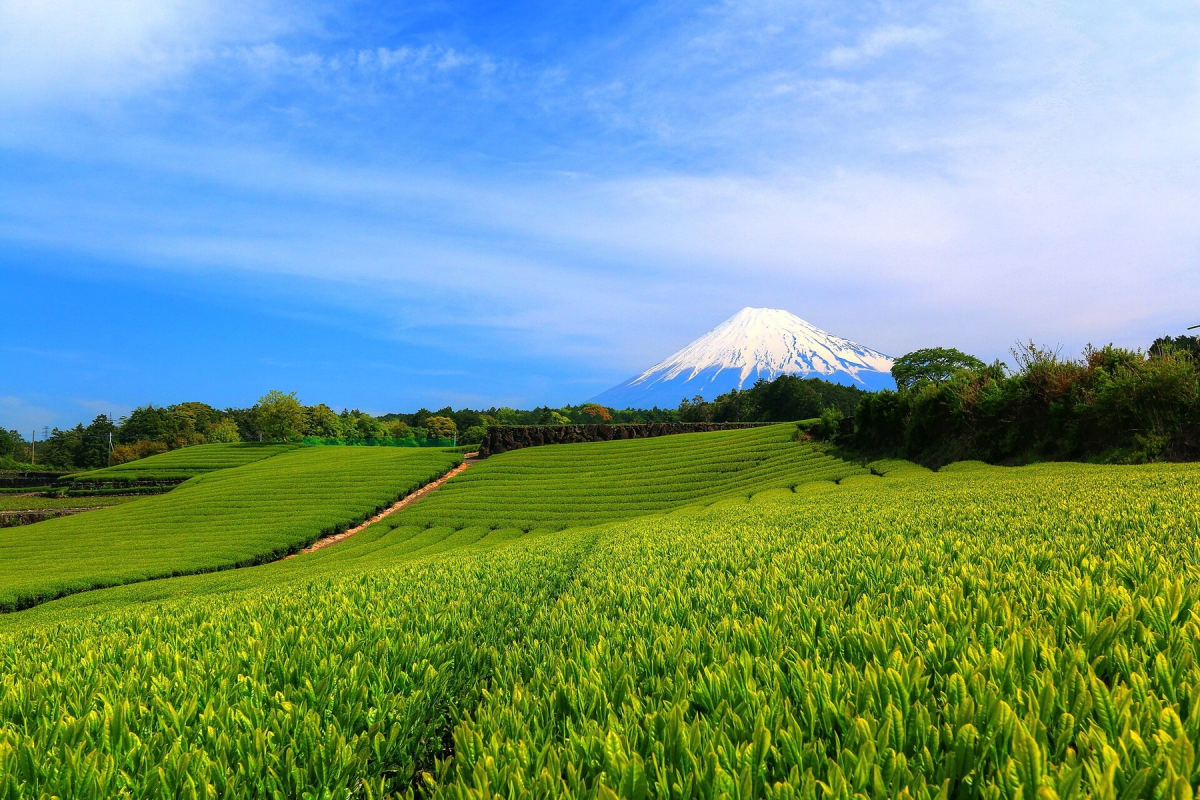

Responsible travel in Japan often comes down to small, specific choices: taking the train to an appropriate station instead of crowding a bus with suitcases, asking before photographing a person, staying on a park trail and buying something whose maker you can identify. These choices matter because the places visitors enjoy are also homes, workplaces, sacred sites and fragile habitats.
This guide connects those choices to situations you are likely to meet. It does not label an entire trip or property sustainable on the strength of a single feature. Look for clear practices and local guidance, and consider the effects of your route as well as the behaviour you follow at each stop.
Visit neighbourhoods as places where people live
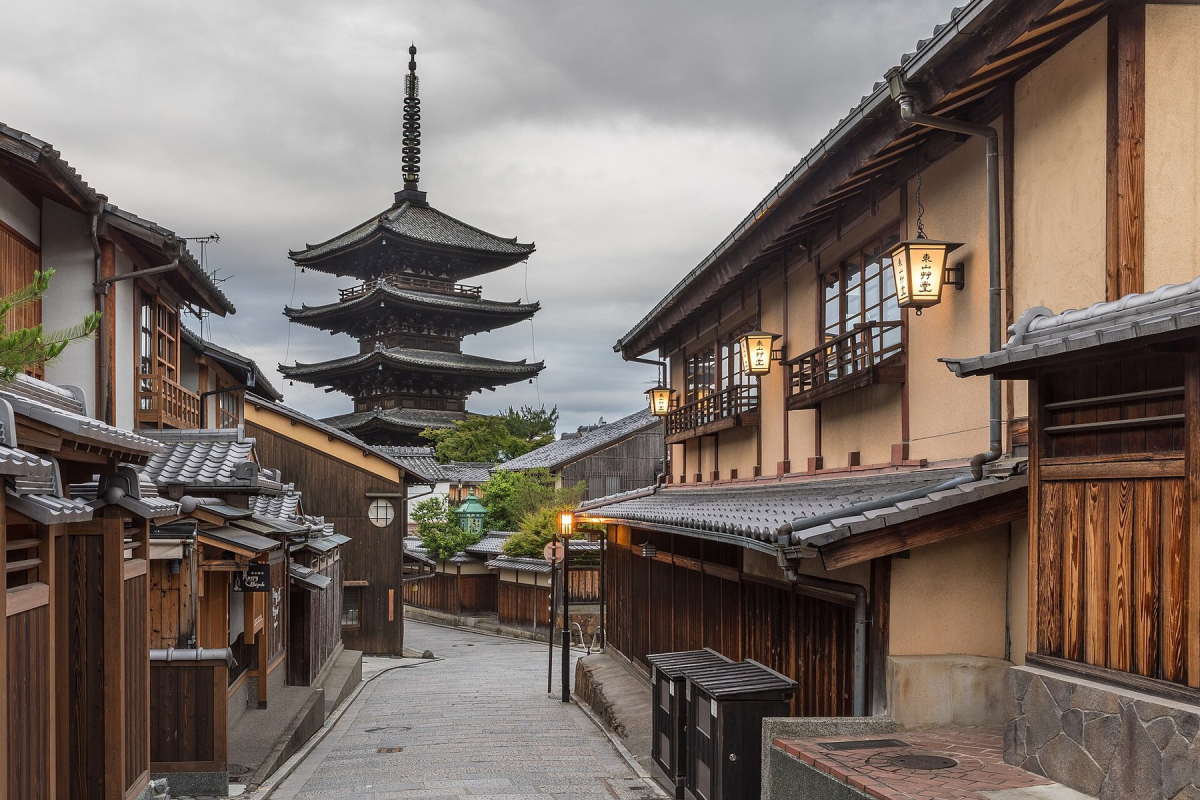
Kyoto's historic streets, Tokyo's smaller lanes and rural villages are not open-air sets. Keep doorways, driveways, delivery areas and emergency access clear. An attractive frontage may be a private home rather than a shop. Do not enter a courtyard, farm track or alley simply because it appears in a popular photograph.
Kyoto's official responsible travel guidance specifically asks visitors not to stop, follow, touch or photograph geiko and maiko without authorisation. Public streets on a commuting route are different from a public performance. If you want to watch traditional dance, choose a legitimate ticketed presentation with a stated venue and photography policy.
Move aside to check a phone or compose a picture in a busy area. A group occupying the full pavement can create difficulties for residents and other visitors, particularly wheelchair users and people with strollers. Early visiting can reduce crowds, but it is not permission to make noise outside homes before businesses open.

Temples, shrines and cultural places
Treat religious sites according to their actual function. Keep voices low around ceremonies, remove shoes where requested and obey signs about photography, food and access. A ticket for one garden does not grant access to every building or neighbouring precinct. Respect ropes, gates and temporary closures even when another visitor ignores them.
Do not touch statues, offerings, painted surfaces or historic timber unless the site explicitly invites participation. Avoid posing on structures or moving objects to improve a composition. A close photograph of a ritual can be intrusive even when a wider image of the courtyard is permitted. Ask staff when the rule is unclear.
At memorial sites, consider the subject and the people around you before taking a photograph. Hiroshima and Nagasaki include spaces of mourning and testimony. Give visitors room to read, reflect or participate in a ceremony, and follow restrictions on exhibition photography. A respectful visit can include putting the camera away entirely.
Protect trails, wildlife and coastal habitats
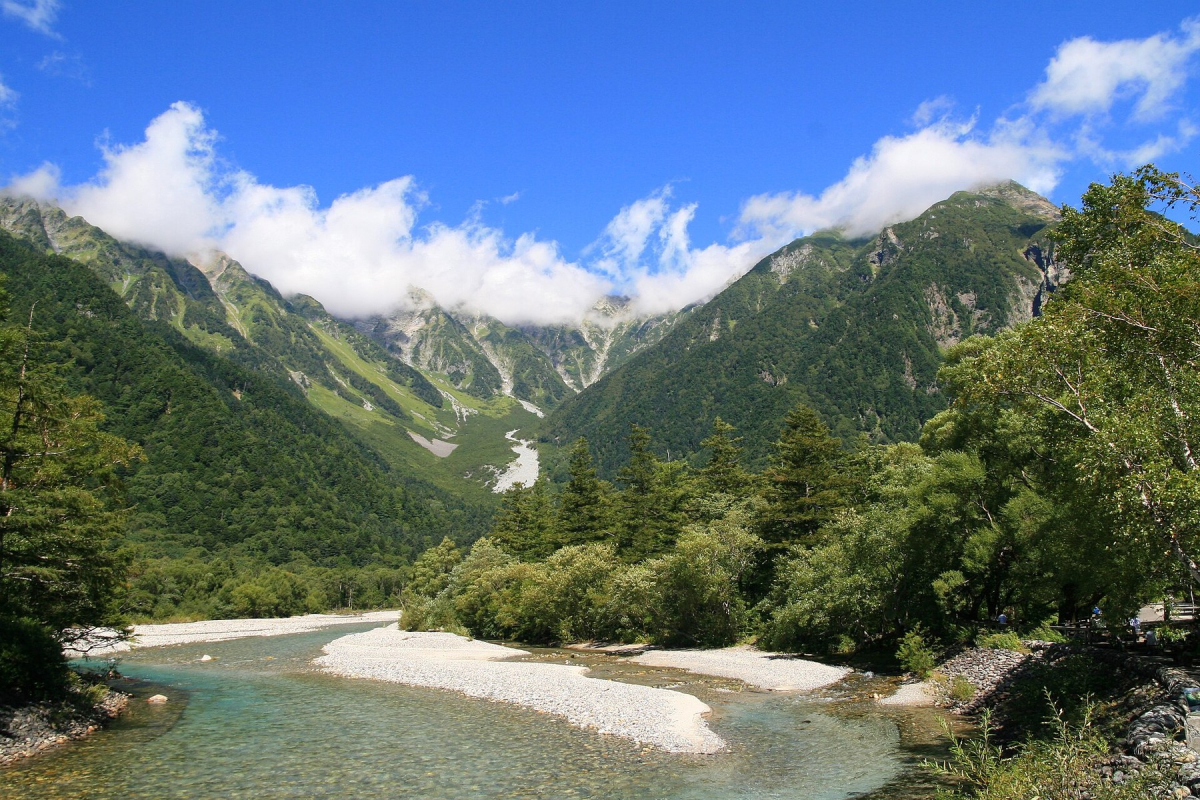
Japan's national park rules ask visitors to stay on designated trails, take rubbish away, avoid feeding wildlife and use designated camping areas. Local rules can add further restrictions, so the national guidance is a starting point rather than the complete policy for every park.
Do not collect plants, stones, shells or animals as souvenirs. Keep food and waste secure and follow local wildlife advice. Approaching an animal for a close image can endanger both you and the animal, even when it seems accustomed to people. Nara's deer and animals in protected natural areas still need appropriate space and the specific rules of the site.
On coral coasts, avoid standing on or touching coral and keep fins and equipment clear of it. Choose operators that explain environmental conduct and current sea conditions. A clear-water photograph does not establish that a bay is suitable for swimming, anchoring or landing. Never cross a closed coastal or volcanic area to reach a viewpoint.

Choose transport for the whole journey
Rail is convenient for many city-to-city routes, but the most responsible choice also needs to be practical for the traveller. Consider the number of changes, mobility needs, luggage and the availability of a final connection. A nominally car-free route that requires an unplanned late taxi or an unsafe walk is not a well-designed plan.
Kyoto's official access guidance recommends using rail where appropriate and walking or changing locally for the final approach. Travelling with manageable luggage helps keep crowded city buses usable for residents. Use luggage forwarding or storage when it solves a real problem, while checking delivery time and the receiving property's policy.
In rural areas, selective car rental may make more sense than forcing every place into a public-transport itinerary. Share the vehicle sensibly, park legally and follow local road and wildlife precautions. Do not present a car as necessary for all of Japan or a train as sufficient for every remote trailhead. The Getting Around guide compares those contexts.
Food, craft and spending that stays connected to place
Regional food and local craft can support a more meaningful visit when you understand what is being sold. Ask about the maker, materials, origin and intended use. A traditional design is not proof that an item was produced locally. A workshop with a clear host and process gives more context than a generic souvenir label.
Choose food portions you can finish and understand any minimum-order policy before occupying a seat. At markets, use the spaces provided for eating and keep trading areas clear. Photographing produce is different from buying it; ask before turning a small working stall into a prolonged photo session.
For tea, ceramics, textiles and other purchases, consider transport and care requirements before buying. Fragile items need packing; food and plant products may be subject to your home country's import rules. Keep receipts and provenance information for anything important. A purchase that cannot be legally or safely taken home is an avoidable waste.
Waste, water and accommodation choices
Carry a small bag for your own litter. Public bins may be limited, and a shop's bin is not automatically intended for unrelated household waste. Follow local sorting instructions at the accommodation, especially in a self-catering stay. Recycling categories and collection days can vary by municipality.
Use water and energy thoughtfully, without assuming that an unfamiliar practice is wasteful or efficient solely from its appearance. Ask about towel or linen arrangements when you stay several nights. If a property makes environmental claims, look for concrete information such as its practices, reporting or independently verifiable certification rather than a generic green symbol.
Hot springs have their own hygiene, water and bathing rules. Follow the facility's instructions about washing, towels, swimwear and permitted use. A private bath, a public bath and a natural outdoor pool may have different arrangements. Avoid photographing changing or bathing areas; the absence of other people in one moment does not create permission.
Build a route with room for people and weather
Staying longer in a smaller number of bases can reduce repeated packing and unnecessary transfers while giving you time to use neighbourhood businesses. It also makes it easier to shift an outdoor day when conditions change. The benefit comes from the actual route and choices, rather than a fixed number of nights that makes any trip automatically responsible.
Choose less crowded times and alternative places because they suit your interests, not because every quiet residential street needs to become a new attraction. Share useful access information carefully and do not publicise a location that relies on trespass, wildlife disturbance or access a community has asked visitors to avoid.
When a site closes or introduces a rule, treat the restriction as part of the visit. Find a permitted alternative rather than looking for an unofficial entrance. A good travel plan has enough flexibility to accept a closed trail, a no-photography room or a full restaurant without making the local community solve the problem for you.
Responsible Travel FAQs
Can I photograph geiko or maiko in Kyoto streets?
Kyoto asks visitors not to take unauthorised photographs, stop or follow them. Choose a public performance or other legitimate experience and follow its stated photography policy.
May I feed wildlife in national parks?
Follow the park’s rules. The national guidance says not to feed wild animals; site-specific arrangements elsewhere should not be generalised to protected wildlife.
Is a rail pass automatically the most sustainable choice?
A pass is a ticket product. Choose a route with sensible connections and avoid unnecessary journeys made only to justify the purchase.