SEYCHELLES TRAVEL GUIDE
Seychelles Health & Safety: Sea Conditions, Trails and Medical Care
Health and safety priorities for a Seychelles trip
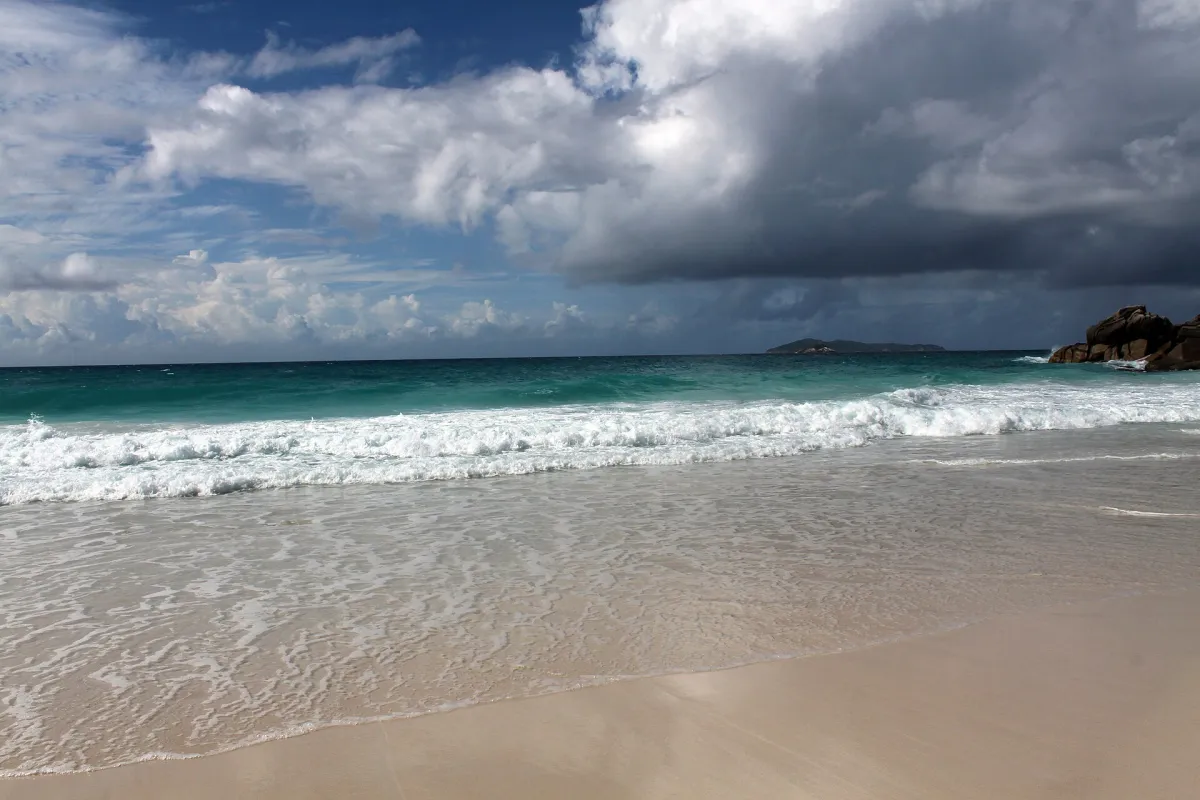
Most useful Seychelles safety preparation is practical: choose water activities from current conditions, protect belongings at beaches and trailheads, plan roads and walks realistically and arrange medical cover suited to the islands you will visit. A resort setting or a familiar-looking bay does not remove the need to make those decisions. Keep a simple plan for calling for help and describing where you are.
For an immediate emergency, the Seychelles government hotline page lists 999 for police, fire and ambulance, and 151 for ambulance assistance. Use the service needed, state the island and exact location, and follow the responder’s instructions. An online message to accommodation or an insurer should not delay urgent help. For routine preparation, read current government travel advice and discuss personal medical questions with a qualified clinician before departure.
Swipe horizontally if needed to compare all columns.
| Situation | Useful preparation | Action on the day |
|---|---|---|
| Swimming or snorkelling | Understand currents and local warning systems | Take current local advice; leave unsafe water alone |
| Trail or viewpoint | Choose a suitable marked route and tell someone | Turn back if weather, footing or time deteriorate |
| Illness or injury | Insurance, medical history and essential medication | Seek care; use emergency services if urgent |
| Theft or lost documents | Separate backups and your country’s consular contact | Secure yourself, report and preserve reference details |
| Transport disruption | Flexible margin and supplier contacts | Contact the operating carrier and onward bookings |
Swimming, currents and beaches that photograph beautifully
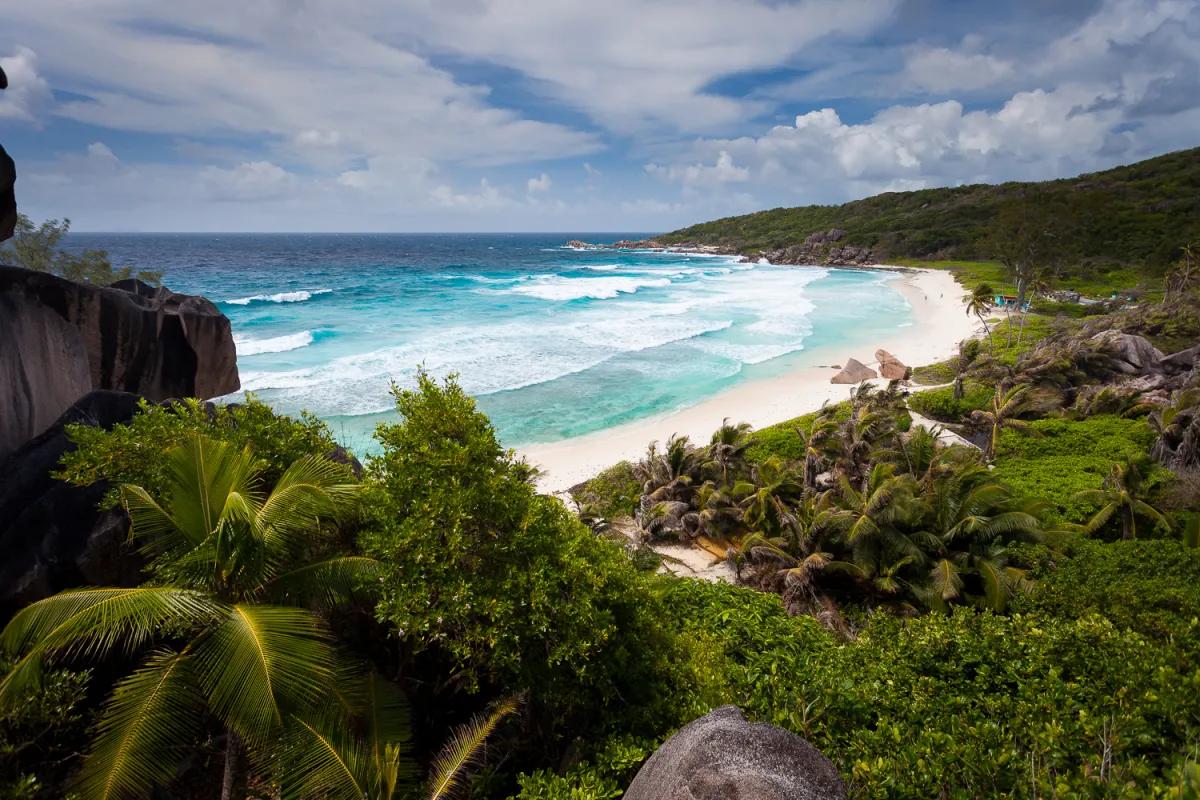
A beach can be an excellent dry-land sightseeing or photography stop while being unsuitable for swimming. Strong currents, undertow and shore break are not always obvious from a photograph. Avoid translating descriptions such as shallow, sheltered or family-friendly into a guarantee of safety. Check warning signs, ask knowledgeable local staff about the actual conditions and choose a supervised option when available. If advice is uncertain, remain ashore.
The UK government’s safety guidance stresses seasonal changes, rough conditions even at popular beaches and limited lifeguard coverage. Do not swim or snorkel alone, and do not let the effort of reaching a remote bay pressure you into entering unsafe water. Keep children within close supervision rather than assuming a gentle-looking margin makes the entire bay safe. Stay off wave-washed rocks, keep a clear exit and avoid chasing photographs toward breaking water.
Boat trips and diving: ask about the actual operation
Before a boat excursion, ask about the vessel, life jackets for each passenger, child sizes if needed, boarding arrangements and the procedure if conditions worsen. Read the safety briefing and tell the crew about relevant mobility needs before boarding. A low fare is not a useful saving if the service does not meet your party’s needs. Keep essential medication and documents protected from spray and accessible, rather than buried in checked bags.
For diving, choose an appropriately qualified operator and discuss certification, recent experience, fitness, equipment and the planned site directly. Confirm insurance covers the actual activity, depth and any evacuation. Follow professional advice on flying after diving and do not improvise an interval from a general travel article. For snorkelling, agree boundaries and supervision before entering the water. A guide, flotation aid or calm morning does not remove the need to stop when conditions or your comfort change.
Walking trails, rain and island roads
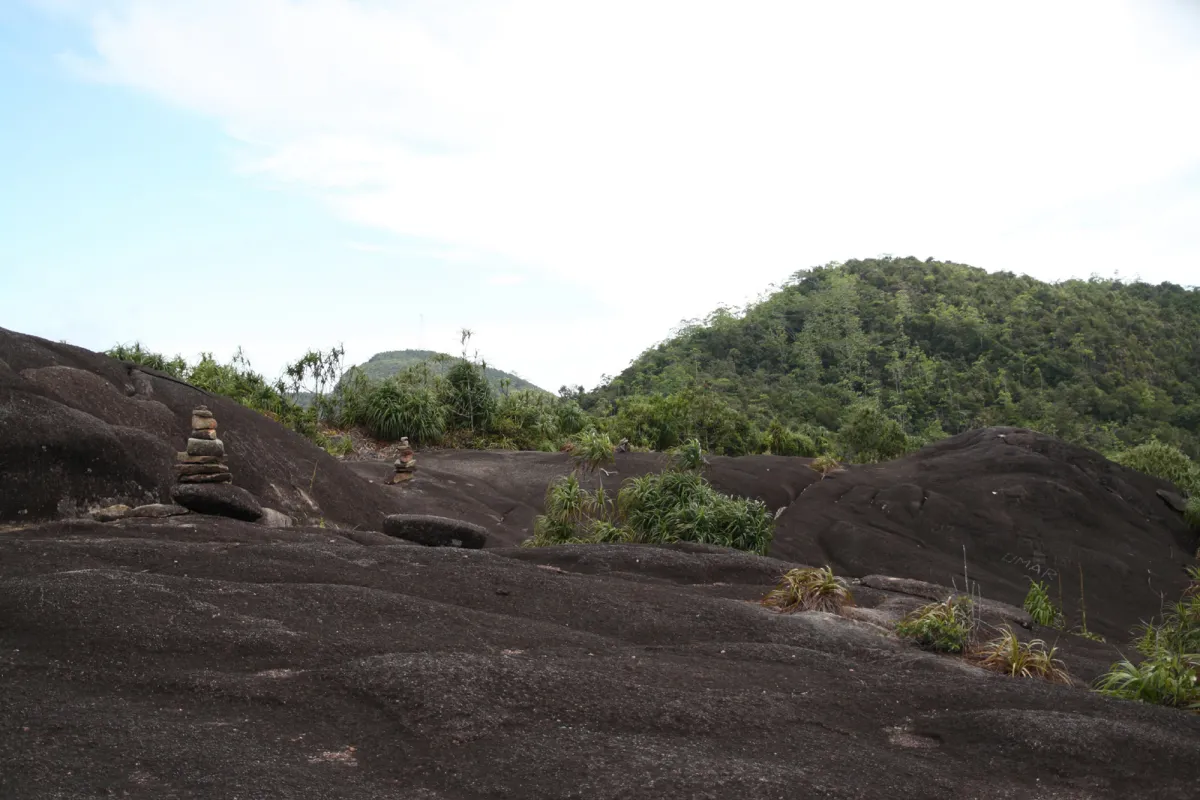
Choose a walk that matches your fitness, footwear, start time and weather. A short distance on a map may involve steep granite, exposed sections or slippery surfaces. Take water, keep navigation available offline and tell someone the route and expected return. Stay on established paths and turn around while you still have enough time to return safely. Do not extend a viewpoint walk because a distant beach appears close from above.
Check protected-area conditions as well as fees. The Parks and Gardens Authority specifies a licensed guide for the Morne Seychellois trail. Confirm access and any other route restrictions directly. For driving, allow for narrow winding roads, rain, drainage channels and limited barriers in some locations. Check your licence eligibility and rental conditions, use appropriate restraints and arrange a driver when tired or after drinking. Plan evening returns in advance rather than relying on an unverified last bus.
Protect belongings without carrying every valuable
Take only what a beach or walk needs and keep essential backups separate. Do not leave phones, passports or bags visible in a parked vehicle, and do not leave all valuables unattended while everyone swims. Decide before entering the water how belongings will remain secure. A towel over a bag does not provide security, and a waterproof pouch does not make every item sensible to bring.
Use accommodation security facilities appropriately and check doors and windows when leaving. Avoid isolated poorly lit routes after dark; agree transport and meeting points with your party. If an item disappears, first establish that everyone is safe, then report to the appropriate service and preserve the time, location, description and reference number. Contact the card issuer promptly for a missing payment card and the issuing country’s consular service for a lost passport. See Useful Contacts for routing these requests.
Mosquito protection and personal health planning
The UK National Travel Health Network and Centre Seychelles guidance identifies mosquito-borne risks including dengue and chikungunya and recommends individual pre-travel assessment. Consult a travel-health professional about your medical history, pregnancy or pregnancy plans, trip length and activities. Vaccination decisions and contraindications require personal advice; do not choose a vaccine solely from a holiday website.
Use suitable repellent according to its label, clothing and accommodation measures that reduce bites, including daytime exposure. Keep routine medicines in their original packaging where practical and carry the documentation required by airlines and authorities. Seek medical advice for illness rather than trying to identify a fever from symptoms alone; explain your travel dates and locations, including after returning home. If bitten or scratched by an animal, or after possible bat exposure, flush any wound with running water, wash it thoroughly with soap and seek urgent local medical assessment, even if it seems minor. NaTHNaC’s exposure guidance says not to wait until returning home; previous rabies vaccination does not remove the need for assessment. Do not handle wildlife, and avoid freshwater or floodwater exposure where contamination may be a concern.
Medical care, insurance and smaller-island contingencies
The UK government health page says tourists pay for treatment and identifies the main hospital at Mont Fleuri in Victoria on Mahé. Local health centres and private clinics do not mean every island offers the same specialist or emergency capacity. Ask about medical access before a remote stay, particularly when you have a condition that could need urgent care.
Keep the insurer’s assistance number, policy and relevant medical information accessible to a companion. Ask about cover for emergency transport, evacuation and planned water activities. In an emergency, obtain urgent care first and notify the insurer as soon as practical; for nonurgent treatment, follow its approval process. Retain receipts, clinical records and booking-change evidence. Current entry-related health measures are a separate issue: review Visa & Entry close to departure, especially if your route includes countries subject to temporary restrictions.
Seychelles Health & Safety FAQs
Are Seychelles beaches safe for swimming all year?
No blanket statement is reliable. Conditions vary with wind, swell, currents and location. Follow signs and current local advice, and remain ashore when conditions or guidance are uncertain.
What emergency number should I save?
The Seychelles government lists 999 for police, fire and ambulance, with 151 also listed for ambulance assistance. State your island and exact location clearly.
Does every island offer the same medical facilities?
No. The main hospital is on Mahé and smaller or remote islands have different capacity. Check access and suitable insurance, including emergency transport or evacuation, before committing to a remote stay.
Do I need mosquito protection only after sunset?
No. Mosquito-borne risks include insects that bite during the day. Use appropriate protective measures and obtain individual travel-health advice.
Can I hike Morne Seychellois independently?
The Parks and Gardens Authority specifies that the Morne Seychellois trail requires a licensed guide. Confirm current conditions, permits and arrangements before setting out.
What should I do after an animal bite or possible bat exposure?
Flush and thoroughly wash any wound with running water and soap, then seek urgent local medical assessment, even if the injury looks minor or you were previously vaccinated. Obtain advice after possible bat exposure as well; do not wait until you fly home.