
SEYCHELLES TRAVEL GUIDE
Best Time to Visit Seychelles: Weather, Winds and Sea Conditions
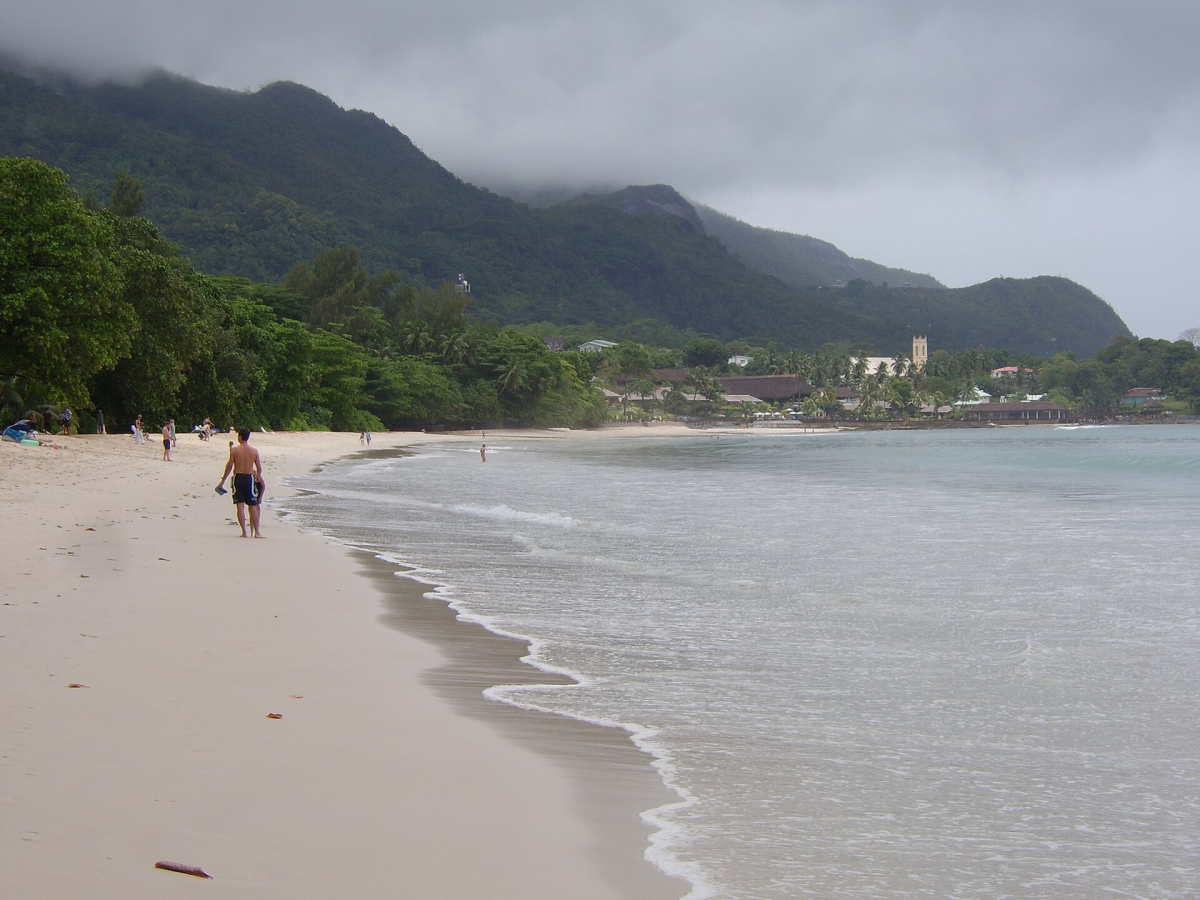
Choose the best time for your planned activities
The best time to visit Seychelles depends on whether you most want easier boat journeys, a particular beach setting, forest walks, diving or simply warm days with room to change plans. Rain and wind are separate considerations. A relatively dry week can still bring rough seas; a wetter month can include pleasant beach intervals. The main visitor islands have year-round tropical conditions, but their coasts face different directions and respond differently to the same wind.
For travellers prioritising lighter winds, the transition around April and again as winds ease in October into November is worth considering. These are climate tendencies, not a promise of flat water or clear skies. For a drier-feeling holiday during the southeast trade period, choose the accommodation’s coastline carefully and accept that some boat journeys can be uncomfortable. Check the current forecast before an excursion and take local swimming advice regardless of the month printed on your booking.
Swipe horizontally if needed to compare all columns.
| Period | Typical planning context | What to keep flexible |
|---|---|---|
| December–February | Wetter, humid northwest-monsoon period | Outdoor timing, drainage-sensitive roads and open-water outings |
| March–April | Rain often eases; transition can bring lighter winds and heat | Shade, early starts and afternoon showers |
| May–September | Southeast trades; often drier but windier | Crossings and southeast-facing coasts |
| October–November | Winds weaken or turn; warmer and increasingly wet | A mixture of beach, forest and cultural days |
What the official climate guide actually tells you
The Seychelles Meteorological Authority monthly guide describes the changing wind and rainfall pattern, including a wet January, lighter and variable April winds, strengthening southeast trades and easing winds later in the year. It is more useful than assigning every month a single good-or-bad label. The guide also makes clear that sunny spells can occur during the rainy season and that individual months vary between years.
Use monthly climate information to choose the kind of trip you can enjoy even when conditions are ordinary for that season. Use a short-range forecast to decide tomorrow’s boat or walk. A long-range weather icon does not tell you whether your particular bay will be swimmable all afternoon, and an island-wide forecast does not measure every beach’s current or shore break. Conditions can change during the day, so yesterday’s experience is not sufficient evidence for today’s water activity.
December to February: rain, humidity and room to adapt
This period suits travellers who can enjoy an island stay without requiring a full-day beach forecast every morning. Plan shorter outdoor blocks with accessible shelter, food and transport. Pack waterproof protection for documents and electronics and avoid putting a costly, weather-sensitive excursion into your only available slot. A covered terrace or a room with somewhere comfortable to sit can make a greater difference than an extra facility you will rarely use.
Choose a base with realistic meal options during rain. A remote self-catering property may be peaceful but can be inconvenient if reaching shops means a wet drive or steep walk. Allow road and sea-transfer contingency, especially when an international flight follows a separate connection. Heavy downpours can affect visibility and walking surfaces, so postpone an exposed viewpoint rather than forcing the itinerary. The season is not a reason to dismiss all Seychelles travel; it is a reason to value location, shelter and flexibility.
March to May: transitions and heat
Around March and April, less persistent rain and easing winds can be attractive for a mixed beach-and-island itinerary. April may feel particularly hot, so an early start, substantial shade and a midday break help more than an overfilled excursion list. Keep drinking water accessible during transfers and walks. A palm forest provides shade, but shade does not eliminate humidity or make every route equally easy.
As May brings the southeast trades, coast selection becomes more important. Someone planning several sea crossings should compare the value of flying one leg, while a land-based holiday may work very well with a sheltered base and optional trips. Avoid calling all of April and May a single identical shoulder season: the transition happens gradually, and the month does not determine the exact onset of wind in a particular year. Book the property and route for your priorities, then leave specific beach choices open until conditions are clearer.
June to September: drier does not mean calmer
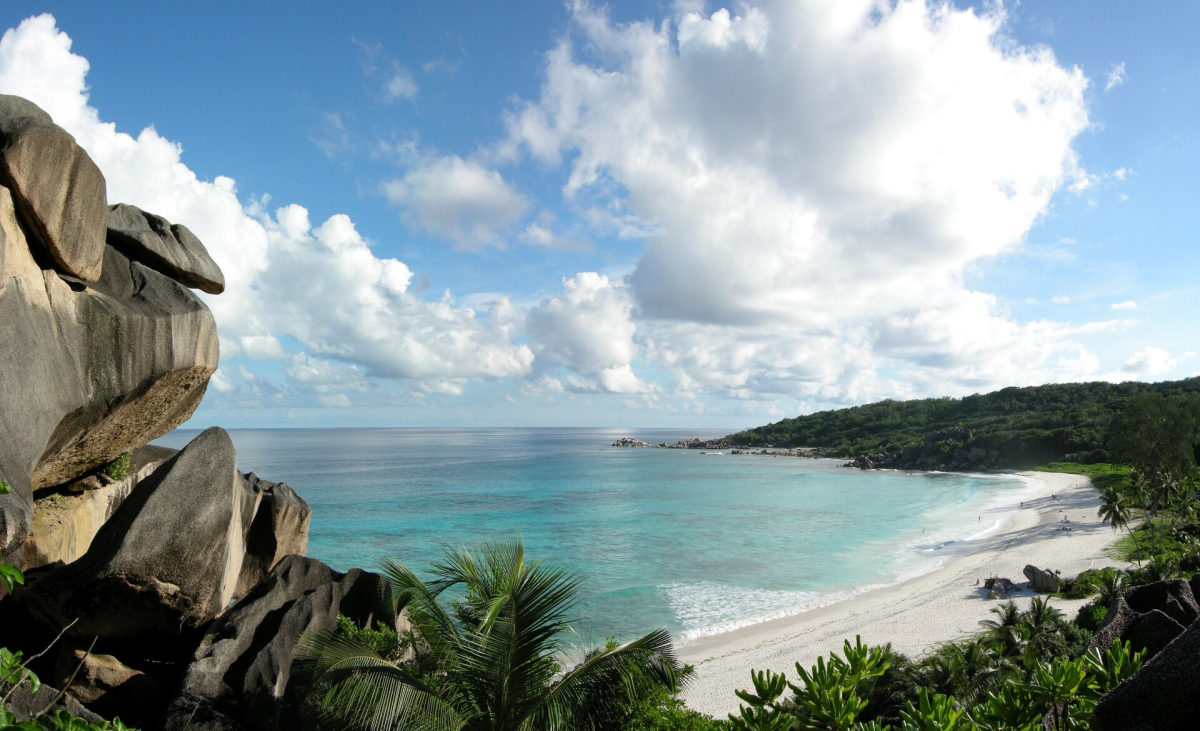
During the stronger southeast-trade period, wind exposure is a central planning issue. A west- or northwest-facing setting may be more sheltered than an exposed southeast coast, although geography and local sea state still matter. Seaweed can accumulate on some exposed shores. This is a natural coastal process, and the condition of a beach on a photograph is not a guarantee of its appearance during your stay.
For boat-sensitive travellers, build fewer crossings into the route and ask the operator about alternatives before purchasing restrictive tickets. For beach days, make a shortlist on different sides of the island rather than treating the nearest sand as your only choice. Walks need the same weather assessment as in wetter months: gusts, rain and slippery granite can change a route’s difficulty. A cooler breeze can make time outdoors more comfortable, but it does not remove sun exposure or the need for water and appropriate shoes.
October and November: useful flexibility between seasons
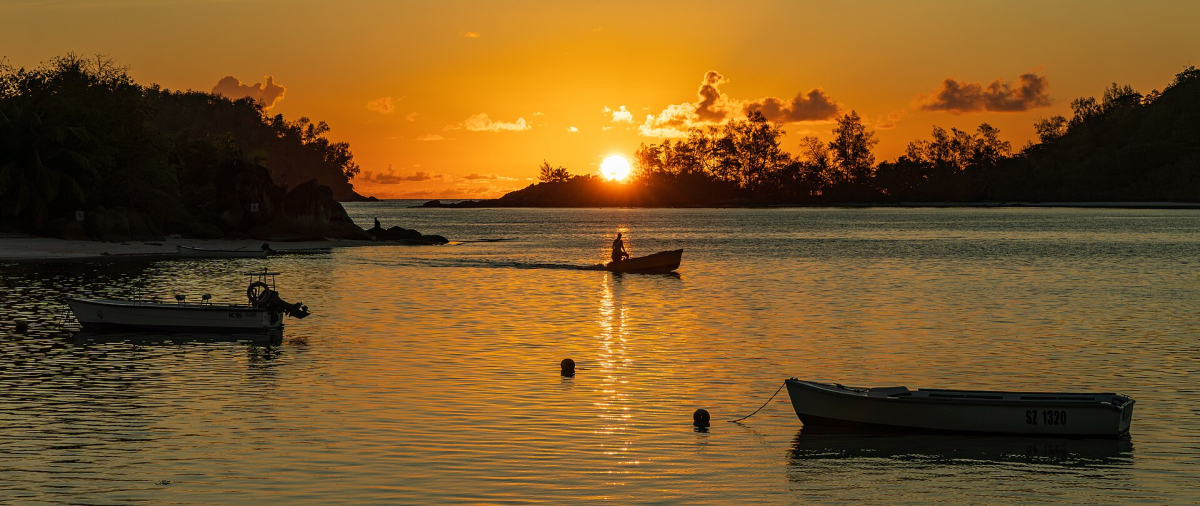
As the southeast winds weaken, a trip combining photography, beach time and optional boat outings can be appealing. Build the itinerary around longer stays rather than assuming the transition creates a guaranteed perfect week. November generally moves toward warmer, wetter conditions, so retain the same practical alternatives you would use later in the rainy period. A route that can swap a beach morning with a cultural stop is easier to enjoy than one dependent on several exact weather windows.
For photography, coastal orientation matters alongside sunrise and sunset. Decide which direction you want the light to come from, check the tide locally and allow time to reach a spot safely. Cloud can improve some photographs while obscuring a hilltop view. Never move into waves or climb wet boulders to reproduce an image. See Photo Spots for the photographic planning approach and Beaches for choosing leisure stops.
Match your accommodation and route to the season
A honeymoon focused on one resort has different priorities from a three-island circuit with several snorkelling outings. The resort guest may value sheltered outdoor dining and a comfortable room during a shower; the island hopper needs generous connection margins and changeable excursion days. Families may prefer reliable nearby meals and a shorter transfer rather than the theoretically driest month. Travellers with reduced mobility should ask how rain affects the actual entrance path, ramps and transport boarding.
Ask accommodation providers about the coast’s usual seasonal exposure, then treat the answer as local context rather than a safety guarantee. Ask excursion operators how a weather cancellation is handled, what alternative is offered and whether park fees are included or refunded. Consult Itineraries before fixing the number of transfers and Health & Safety before planning sea activities. Keep your most important outing away from the final full day when possible, leaving an opportunity to reschedule without disrupting the departure.
Frequently Asked Questions
Are April and October guaranteed to have calm seas?
No. They are useful transition periods to consider, but local wind, swell and weather can still make crossings rough or swimming unsuitable. Ask the operator and take current advice at the beach.
Does the rainy season mean rain all day?
No. Tropical wet periods can include sunshine and short showers as well as prolonged rain. Plan options that work in changing conditions rather than assuming either nonstop rain or uninterrupted sun.
Why does a dry month sometimes have rough ferries?
Rainfall and sea conditions are different. Southeast trade winds can strengthen during relatively drier months. Consider the whole route and fewer crossings if motion sickness is a major concern.
Can I book a beach holiday in the southeast-trade season?
Yes, but choose the base and coast thoughtfully, keep alternative beaches in mind and let current local advice determine swimming. A seasonally sheltered coast is not a blanket safety assurance.



