
SEYCHELLES TRAVEL GUIDE
Seychelles Food & Drink: Creole Dishes, Ordering and Shopping
What to eat in Seychelles: understand the Creole table
Seychellois Creole food rewards attention to the whole plate: fish or another main dish, rice, vegetables, chutneys and the sauce or broth that ties them together. Instead of ordering the same international dish every evening, try different cooking methods and ask what is available that day. A grilled fish lunch and a coconut-based curry offer different introductions even when both use seafood. This guide explains food and ordering; the separate Restaurants guide helps you choose actual venues.
Tourism Seychelles's food overview describes a cuisine shaped by African, European and Asian influences. Think of that as a starting point for curiosity, not a fixed menu that every kitchen must reproduce. Family recipes and daily supplies vary. Asking a cook how a dish is prepared is more useful than insisting that one spelling, recipe or presentation is the only authentic version.
Swipe horizontally if needed to compare all columns.
| Dish or ingredient | What to look for | Helpful question |
|---|---|---|
| Grilled fish | Fish served with a choice of rice, vegetables or sauce | Is this a whole fish or a fillet, and how is it priced? |
| Kari zourit | Octopus curry, often associated with coconut-based cooking | What accompanies today’s curry? |
| Bouyon | A broth or soup whose ingredients vary | Does this contain fish, meat or only vegetables? |
| Satini / chutney | A savoury accompaniment rather than necessarily a sweet preserve | Which ingredients and how much chilli? |
| Ladob | A sweet or savoury preparation; ask which version | Is the dessert banana or breadfruit based today? |
| Local fruit juice | A refreshing alternative to an alcoholic drink | Is it freshly prepared, and is sugar added? |
Fish and seafood: order by preparation, not just the name
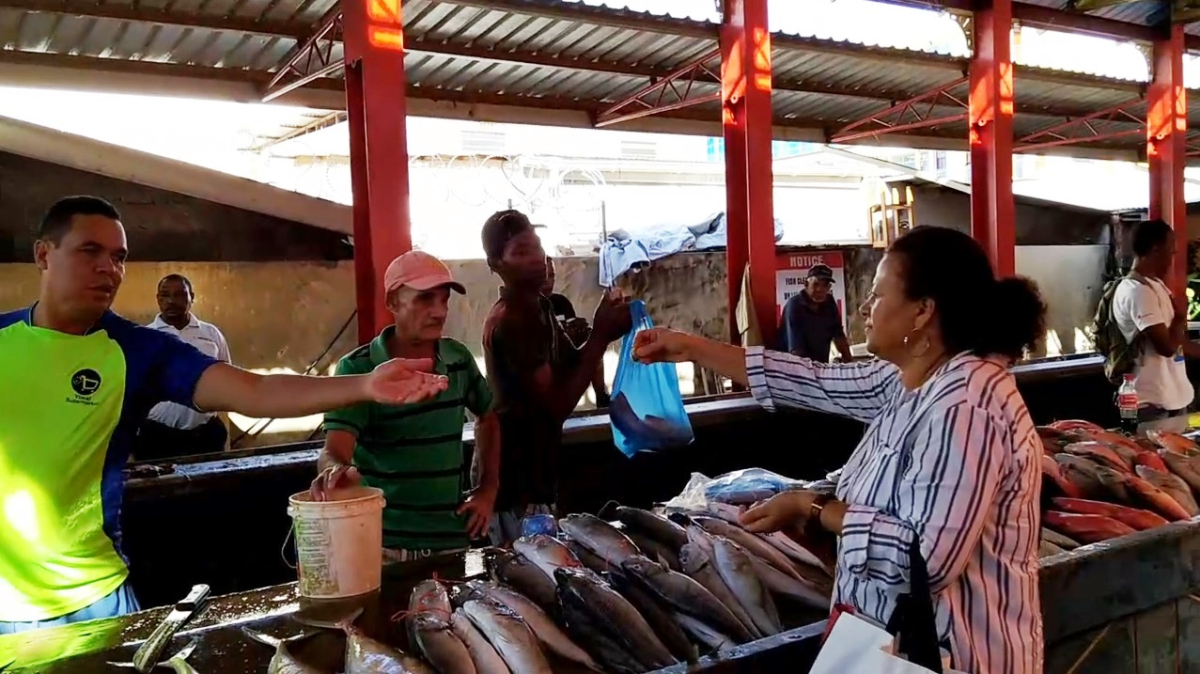
Fish is central to many Seychelles meals, but a whole grilled fish, a fillet with sauce and a fish broth create different meals and budgets. Establish the portion and pricing basis before ordering. A dish priced by weight cannot be compared directly with a fixed-price plate, and a shared fish may arrive with fewer side dishes than your group expects. Ask what is included and choose additional vegetables or rice accordingly.
If the catch you wanted is unavailable, ask the kitchen what it recommends today rather than treating the printed menu as a guarantee of supply. Specify any preference about bones or a whole-fish presentation, especially for children. For seafood allergies, naming the ingredients and discussing preparation is essential; simply requesting no prawns may not address stock, sauce or shared cooking surfaces. Make those needs clear before the kitchen starts work.
Curries, broths and the small dishes alongside them
The tourism board's Creole recipe guide includes octopus coconut curry, chicken curry, fish broths and vegetable-based accompaniments. Use it as a menu vocabulary rather than a promise that every restaurant has all of them. Octopus curry is a useful dish to ask about, while a broth may provide a lighter alternative after a large lunch. Both deserve to be understood on their own terms.
Pay attention to the accompaniments. A chutney, salad or vegetable preparation can change the character of a plate as much as its main ingredient. Ask what a named satini contains instead of assuming it is the sweet chutney familiar from home. If chilli sensitivity matters, request hot condiments separately and ask whether the main dish itself is already spiced. Removing a sauce at the table cannot undo chilli cooked into a curry.
Breadfruit, coconut and familiar ingredients used differently
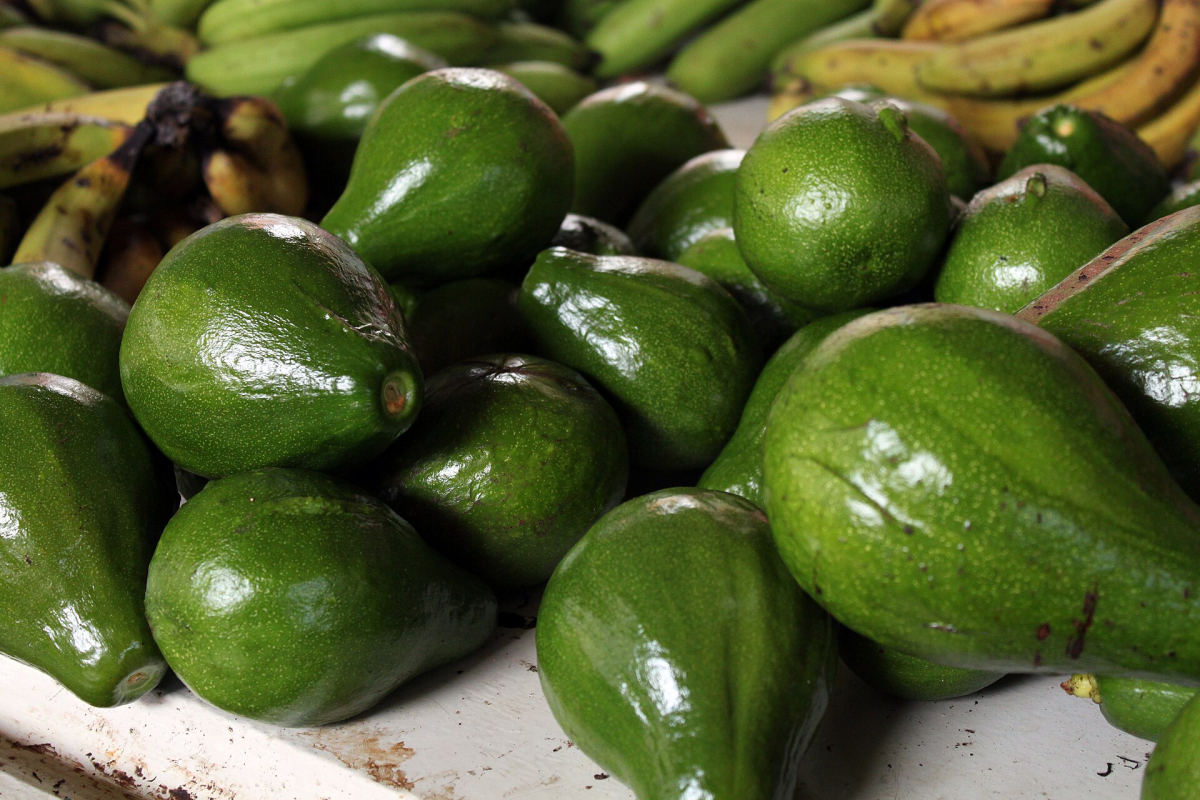
Breadfruit, bananas, coconut and locally grown vegetables can appear in both savoury and sweet forms. A visitor may recognise the ingredient but not its texture or role in the meal. Ask whether breadfruit is grilled, fried or part of another preparation, and whether a coconut-based dish is a dessert or a main. Trying one small unfamiliar side alongside a familiar main is an easy way to expand your choices without wasting food.
Do not assume a vegetable-looking dish is vegetarian. Meat, fish or stock may be part of the preparation, just as a sweet dish may contain milk, butter or other ingredients not evident from its name. For vegan, religious or allergy requirements, explain the excluded ingredients and ask the kitchen to confirm what it can prepare. A short conversation before ordering is more useful than relying on the appearance of the dish.
Desserts and fruit: leave room for something local
Ladob and coconut sweets are useful names to remember when you want dessert beyond an international hotel selection. Ask which version is being served rather than assuming a single recipe. Seasonal fruit can also be a good way to finish a meal, especially after a substantial curry or buffet. If a dessert is described only in Creole or French, ask for its principal ingredients instead of guessing from the photograph.
For a group, sharing a dessert can let you compare two preparations without ordering more than you want. At a buffet, look through the full selection before filling your plate; it is easier to taste unfamiliar dishes when you leave a little room. Keep dietary requests separate from preferences: a serious coconut or nut allergy requires a much more precise kitchen discussion than simply choosing a less sweet dessert.
Juice, tea and Seychelles rum

Fruit juices and herbal drinks provide alternatives to beer and cocktails. The official recipe selection includes passion-fruit juice and citronella drinks among its examples. Ask whether sugar is added and whether the drink is made to order if that matters to you. A bottle of water remains useful on a beach or cycling day even when you plan to stop for juice. Carry the water you need rather than expecting a food outlet at every quiet cove.
For a rum-focused stop, Takamaka's own visitor information identifies La Plaine St André on Mahé as its home, with distillery visits, a Rum Shack and food options. Check the current programme directly before travelling. If you include a tasting in a driving day, arrange a driver or have the person driving skip alcohol. A tasting should fit the route, not become a reason to rush a mountain-road return.
Takeaways, restaurants and self-catering
Mixing meal styles often gives a better holiday than treating every lunch and dinner as a formal reservation. A takeaway can suit a moving day or an informal lunch; a restaurant can provide time and service for a longer meal; self-catering allows control over breakfast and simple suppers. Choose according to the day's route and your accommodation facilities, then compare the actual menu and serving size instead of relying on a general cheap-or-expensive label.
Before a remote beach outing, decide where lunch will come from and how you will carry it responsibly. Buy only what you can manage and take packaging away. A rented kitchen may offer a hob but little equipment, so inspect what is supplied before a major grocery shop. For a short stay, ingredients for a simple meal can be more practical than buying large quantities of spices and staples you will not finish.
Dietary needs: make the request specific
Contact a restaurant in advance for a serious allergy or a restricted diet, especially when travelling outside a dining area with several alternatives. Explain the ingredients you cannot eat and ask about shared preparation. A dish marked vegetarian is not automatically vegan, gluten-free or suitable for a seafood allergy. If the kitchen cannot confidently accommodate the request, choose an alternative that has confirmed an appropriate meal rather than improvising at a busy service.
Travelling with children is easier when you have one familiar backup and room for small tastes of local food. Ask for suitable portions and keep hot condiments separate. If meal timing is important, verify service hours and whether a property accepts non-resident diners before leaving your accommodation. An evening restaurant visit is also a transport decision; arrange the return rather than assuming a daytime bus service remains available after dinner.
Shopping for food, crafts and useful souvenirs
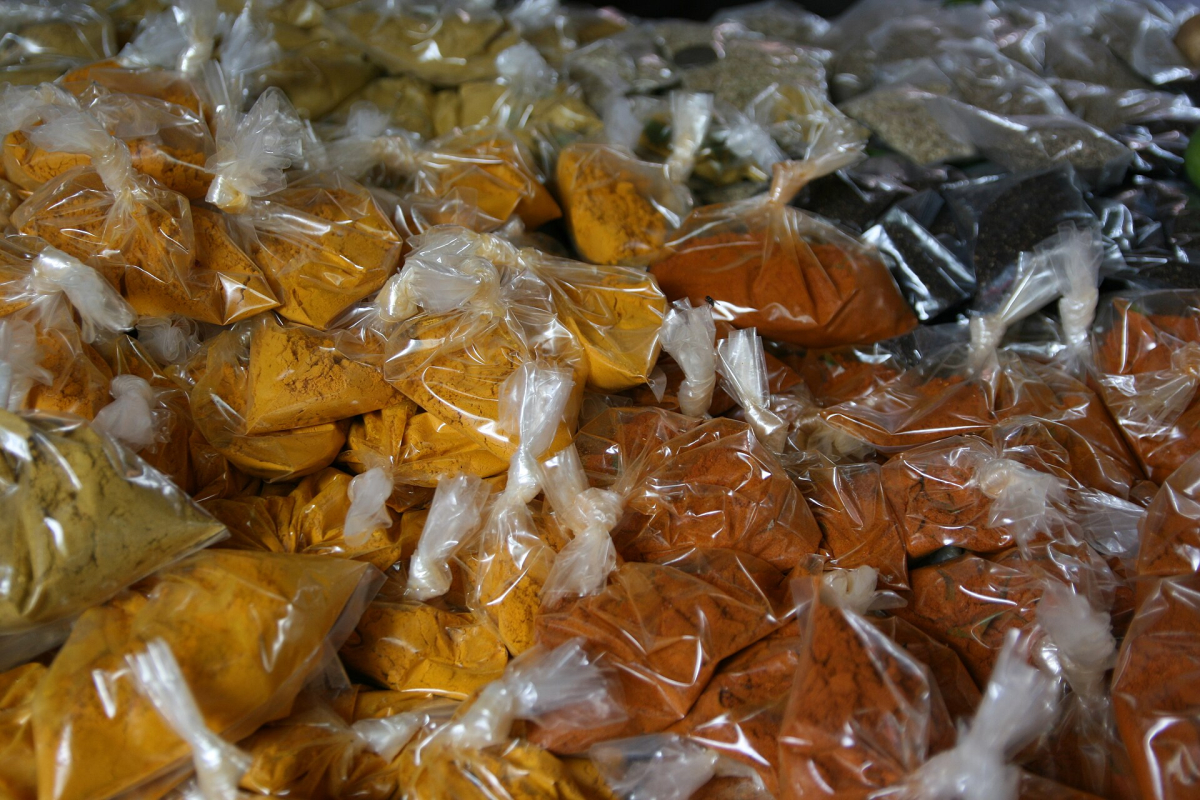
For food shopping, distinguish supplies to eat during your stay from goods you intend to carry home. A small packet of professionally packaged spices is easier to manage than loose perishable produce, but destination-country import rules still matter. Check those rules before buying food, seeds or plant material. Keep receipts and identifying labels, and ask the seller where a product was made rather than assuming every souvenir displayed in Seychelles is locally produced.
At Au Cap on Mahé, Bazar Domaine combines culinary and craft offerings at Domaine de Val de Près. The cultural authority lists a recurring last-Saturday market; confirm the particular date before making a special journey. Speak to the maker about materials and care when choosing a craft item. A small, clearly attributed piece can be more meaningful than a bulky generic souvenir that is awkward to pack.
For regulated natural souvenirs, including coco de mer items, establish the appropriate documentation before paying. Do not collect coral, shells, plants or other natural material as an improvised alternative to buying from a legitimate source. For valuable purchases, read the Revenue Commission's visitor customs information and check whether any refund process actually applies to the goods. A shop receipt does not by itself establish export or import permission.
Frequently Asked Questions
What is a good first Creole meal to try?
Ask about a grilled fish or a curry with rice and the kitchen’s current vegetable or chutney accompaniments. Compare preparations rather than expecting one fixed national set menu everywhere.
Is Seychellois food always very hot?
Preparation varies. Ask whether chilli is cooked into the main dish and request extra hot condiments separately if you prefer a milder meal.
Can vegetarians and vegans eat Creole dishes?
There are useful ingredients and vegetable preparations, but confirm stock, fish, meat and dairy with the kitchen. A vegetable name alone does not establish a dish is vegetarian or vegan.
Where should I look for actual restaurant recommendations?
Use our separate Restaurants guide for verified venues and location choices. This page explains dishes, ordering and the practical food decisions that apply across venues.
Can I take spices or natural souvenirs home?
Check export documentation where relevant and your destination country’s import rules before buying. Keep labels and receipts, and avoid collecting natural material yourself.



