
SEYCHELLES TRAVEL GUIDE
Responsible Travel in Seychelles: Wildlife, Reefs and Local Choices
Responsible travel in Seychelles starts with the shape of your trip: the islands you choose, how often you move, which businesses you pay and how you behave beside wildlife. A reserve visit can support conservation while still causing avoidable disturbance if visitors crowd an animal, leave the path or treat a nesting beach as a photo set. Use this guide to make practical choices before booking and during each day out.
Choose a manageable island itinerary
Spend enough time on each island to do more than arrive, unpack and leave. On a short holiday, two well-chosen bases can make more sense than a daily sequence of flights and boats. Compare a day trip with an overnight stay according to what you want to experience: a guided reserve visit, a quiet evening, or a morning walk before the return transport fills the day. The Seychelles itineraries help turn that choice into a workable route.
Avoid claiming an itinerary is carbon neutral simply because it includes a bicycle ride or a nature reserve. Look at the whole journey, including the international flight, accommodation and excursions. Combine nearby visits on one island, share a suitable transfer when practical, and ask for a clear pickup plan. Fewer unnecessary journeys can also mean a calmer trip and more of your budget available for a good guide.
Understand what park fees pay for
Protected areas are managed places with different rules, opening arrangements and visitor capacities. The Seychelles Parks and Gardens Authority visitor guidance requires tickets for the relevant charged parks and trails and sets out restrictions on collecting marine life, littering and where boats may anchor. Ask whether the named park admission is included in a tour quotation; a boat transfer and an entrance ticket are separate services even when sold together.
Seychelles Islands Foundation manages Vallée de Mai and Aldabra. Its Vallée de Mai visitor information explains that admissions help fund conservation at both sites. Buying a Vallée de Mai ticket does not give access to remote Aldabra. Keep tickets available for checks, follow ranger instructions and allow a guide time to explain the place rather than judging the visit only by the number of animals seen.
Give tortoises, birds and turtles space
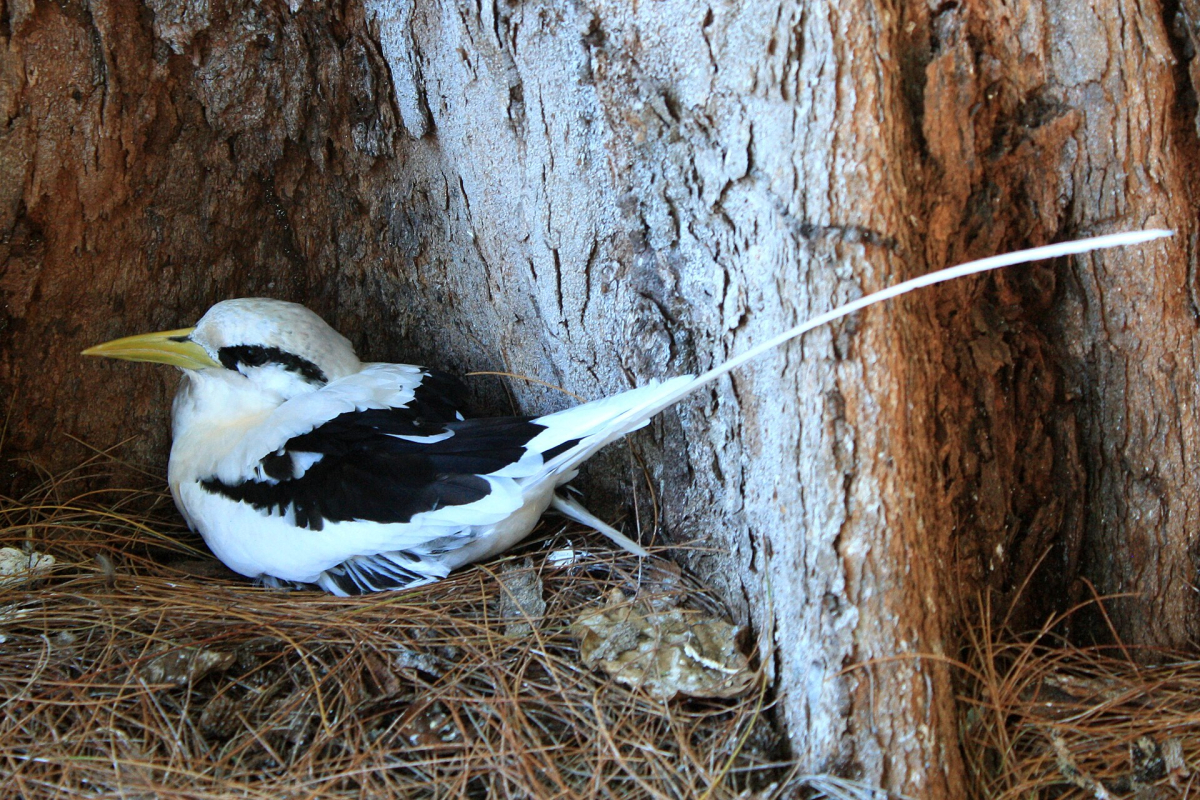
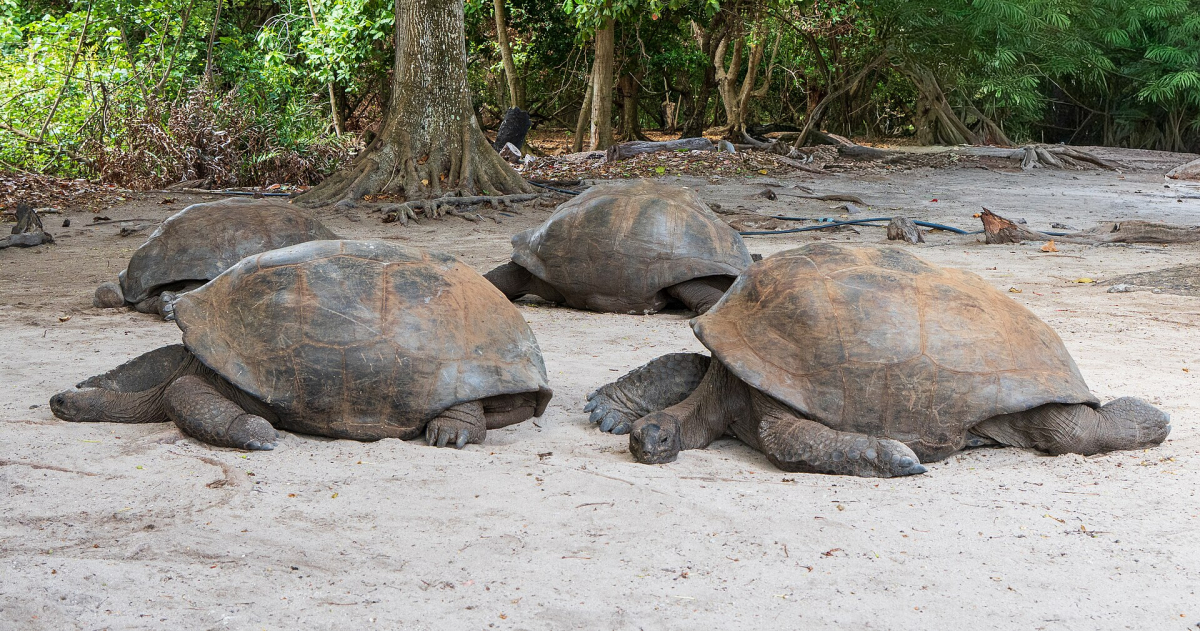
Watch an animal’s route before choosing your own position. Leave a clear way for it to continue moving and step back if it changes behaviour because of your presence. A longer lens or a wider environmental photograph is preferable to pushing a camera into an animal’s face. Avoid feeding, lifting, riding or surrounding tortoises for a picture. These are practical choices you can make without needing to identify every species.
On Curieuse, SPGA describes a tortoise conservation programme and managed trails; use the official Curieuse information to plan the visit. Follow any additional instructions at nesting sites. Do not promise children a turtle sighting or try to manufacture one by searching behind barriers. If an animal is injured or appears trapped, tell a ranger or your guide and follow their direction rather than attempting an untrained rescue.
Choose a reef excursion that suits your ability
Ask an excursion operator about the entry point, exit procedure, currents, group size and flotation before paying. Explain if you are an inexperienced swimmer or have never used a mask. A helpful operator should be able to describe how the outing is adapted to those needs. The decision to enter the water belongs to the conditions and your ability on that day; clear water in a brochure cannot make that decision for you.
Practise mask adjustment and buoyancy away from sensitive reef areas. Keep fins clear of the bottom, secure loose straps and avoid standing on coral to fix equipment. Do not chase turtles or other marine life to improve a photograph. Ask where the boat will moor and how it avoids reef damage. If conditions make a careful entry impossible, choosing the boat view or a different day is a worthwhile outcome. More practical options appear in the snorkelling and diving section.
Keep walks on the established route
A forest path is part of the visitor infrastructure, not a suggestion to be replaced by a shortcut. Walk within the established route, give other groups room to pass and use the same path back when instructed. Cutting a muddy corner can gradually widen damage. If a viewpoint is crowded, wait on a stable part of the route instead of stepping onto a fragile edge. Carry enough drinking water so that you do not need to rush the return.
Clean soil and plant fragments from footwear before travelling between islands or visiting reserves, and follow any site-specific biosecurity checks. Keep food sealed and take it out with you. Do not release pets, seeds or aquarium animals into the environment. For a guided walk, tell the guide about your pace and mobility needs before departure; a suitable shorter route is more useful than a difficult route that encourages unsafe shortcuts.
Make water and waste choices at your accommodation
Ask your accommodation where drinking water can be obtained safely and whether a refill option is provided. Carry a reusable bottle when that arrangement is suitable, and include the day’s water in your beach or trail bag. Never assume a remote stop sells drinks. Use a reusable shopping bag and decline extra packaging when it is easy to do so. A small bag for your own litter is useful even on a short beach walk.
Treat a room’s resources as part of an island system. Report a leaking tap, use cooling thoughtfully, and tell housekeeping when you are happy to keep towels or linen. Ask what a property’s environmental policy actually changes: refill stations, sewage treatment, waste separation or habitat management are more informative than an unexplained green badge. Do not leave a leaking battery, broken gadget or other difficult waste in a beach bin.
Spend locally with clear expectations
Choose a local guide for knowledge and communication, then agree the scope of the job: duration, meeting point, transport, admission and what happens if weather changes the plan. Ask who will lead the outing rather than assuming a familiar booking platform name identifies the person on the boat. Pay an agreed fair price and check cancellation terms in advance. A cheap excursion becomes a poor choice if its schedule depends on crowding wildlife or ignoring conditions.
For meals, try a mix of restaurants, takeaways and self-catering according to your needs. Ask about ingredients rather than treating every dish as interchangeable. Avoid unverified claims that a menu is sustainable solely because the fish is local. Ask what species is served and consider a different dish if the answer is unclear. Our Food & Drink guide explains eating and shopping choices; Restaurants helps with specific places to eat.
Buy souvenirs you can explain and legally carry
Keep the identity and origin of a purchase clear. For food or craft products, ask what it is made from, who made it and how it should be packed. A label such as “natural” does not settle whether a wildlife product may be sold or taken home. For coco de mer or any item containing animal or plant material, establish the current official export and destination import requirements before payment, and keep the seller’s documentation.
Leave shells, coral, plants and other natural material where you find them, especially within protected areas. Photographs and a locally made craft are easier memories to explain than an unidentified object removed from a beach. If a seller cannot establish lawful origin, choose something else. You do not need to buy a wildlife product to support local business; meals, guiding, artwork and practical services offer other ways to spend.
Make photographs with permission and care
In Victoria, ask before making an identifiable portrait, leave working stallholders room to serve customers and accept a refusal without negotiation. Buying fruit is not a licence to photograph someone. At accommodation, ask about photography in shared spaces and obtain permission for a planned shoot. Pools, restaurants and beaches can include people who reasonably expect privacy. A slightly different angle may produce a cleaner picture without including them.
Drone planning adds aviation and site requirements. The Seychelles Civil Aviation Authority drone service provides registration and flight-authorisation routes. Check the current requirements for your aircraft, location and purpose before travelling, then obtain any separate landowner or reserve approval. Keep a ground-based alternative in your plan. Neither a quiet beach nor a small drone should be treated as automatic permission to fly.
Swipe horizontally if needed to compare all columns.
| Decision | Useful question | Good planning outcome |
|---|---|---|
| Park visit | Which park ticket is included? | You know the named site and any separately payable admission. |
| Wildlife | How will the guide prevent crowding or feeding? | An encounter based on observation rather than handling. |
| Snorkelling | What happens if the sea is unsuitable? | A clear change or cancellation arrangement before payment. |
| Remote island | Who authorises the landing? | Access confirmed by the manager, not inferred from a map. |
| Photography | Does my intended shoot need written permission? | Site and aviation requirements checked independently. |
Keep remote conservation islands in perspective
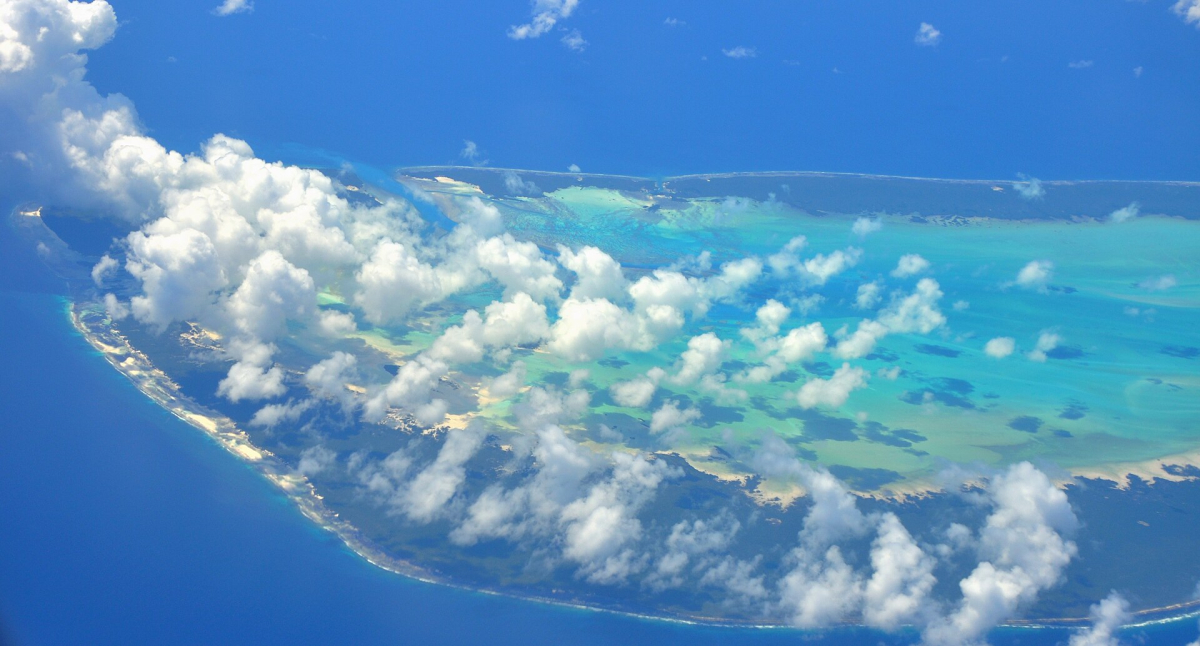
Aldabra is a specialist journey, not a spare afternoon added to a Mahé holiday. SIF operates controlled access and requires prior vessel authorisation, as described in its Aldabra visitor and clearance information. Arrange a remote visit through an operator who can explain the permission, biosecurity, landing conditions and contingency plan. Avoid interpreting a beautiful aerial image as evidence of easy access.
For most first visits, learning to recognise the differences between a managed forest, a nesting coast and a working town gives plenty of depth. Choose one conservation experience you can undertake carefully, allow time for the guide’s explanation and record the correct place name afterwards. Those habits continue to matter when you share photographs or recommend the trip to someone else.
Frequently Asked Questions
Can I touch or feed the giant tortoises?
Observe them without lifting, riding, feeding or surrounding them. Follow the ranger’s instructions and leave a clear path for the animal.
Does a boat tour price always include park admission?
Check the named park and ticket explicitly. Admission, transfers, equipment and guiding may be packaged together or priced separately.
Can I take shells or coral home?
Leave natural material in place, especially in protected areas. For a purchased wildlife or plant product, verify lawful origin and the applicable export and import requirements before payment.
Is a drone allowed on a quiet Seychelles beach?
A quiet location does not establish permission. Check current SCAA requirements and any separate property or protected-area approval, and keep a ground-based alternative.
Is Aldabra a normal day trip from Mahé?
No. It is a remote, controlled-access conservation destination requiring specialist planning and prior permission.



