
SEYCHELLES TRAVEL GUIDE
Seychelles Photo Spots: Beaches, Forests and Victoria
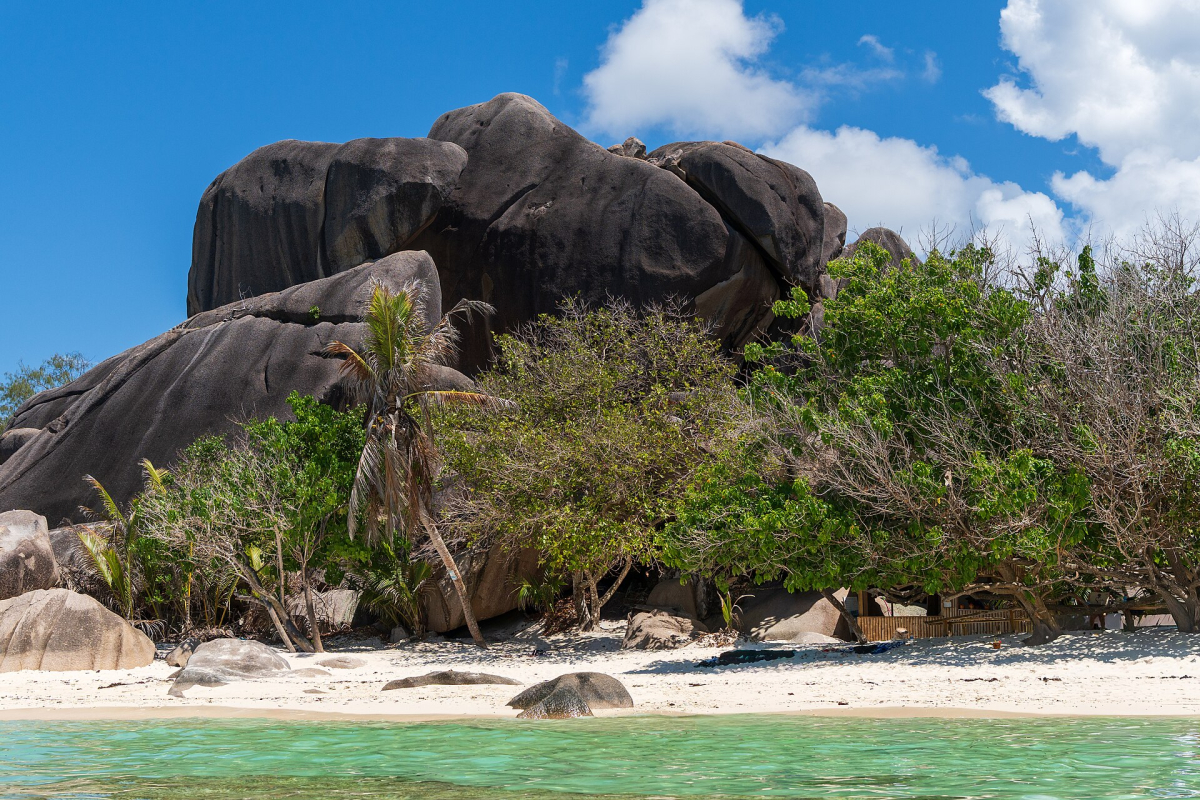
Seychelles rewards photographers who plan for the actual place rather than a single familiar postcard. Granite beaches, palm forest, working streets and carefully chosen resort views need different light, access and behaviour. Use this guide to choose subjects across Mahé, Praslin and La Digue, build a realistic shooting day and keep the camera safe around water. The individual photo guides linked below explore particular compositions and the practical decisions behind them.
Choose an island for the pictures you want
Mahé suits a varied day combining coastal scenery with central Victoria and mountain vegetation. Praslin allows a beach-and-forest pairing, while La Digue is well suited to slower coastal exploration with a compact camera bag. Choose the base according to the hours you want to photograph, not only the number of locations marked on a map. An early beach session may be easier from nearby accommodation than after an inter-island journey.
Check the return connection before planning evening light away from your base. Transfers have check-in, luggage and onward-travel time beyond the crossing itself. If a sunset is central to your trip, leave room for an overnight stay or an independently confirmed late return. The Getting Around guide and Itineraries cover those route decisions in more detail.
Granite beaches: work with foreground and space
At Anse Source d’Argent, the form of the rocks can carry the picture even when the sky is ordinary. Find a stable position on an established access route, then compare a wide view with a tighter frame of granite, sand and water. Keep an eye on the edges: a cut palm trunk, another visitor’s bag or a rock just touching the horizon may distract more than a small change in light.
Praslin offers different beach subjects. Anse Georgette lends itself to framing the curve of a bay, while the Côte d’Or area offers boats, long stretches of sand and rocky details. Read the Anse Georgette photo guide for viewpoint planning and the Praslin beach photo guide for the Anse Volbert shoreline. Those location choices concern photographs; use Beaches for swimming and leisure comparisons.
Plan for light that may change
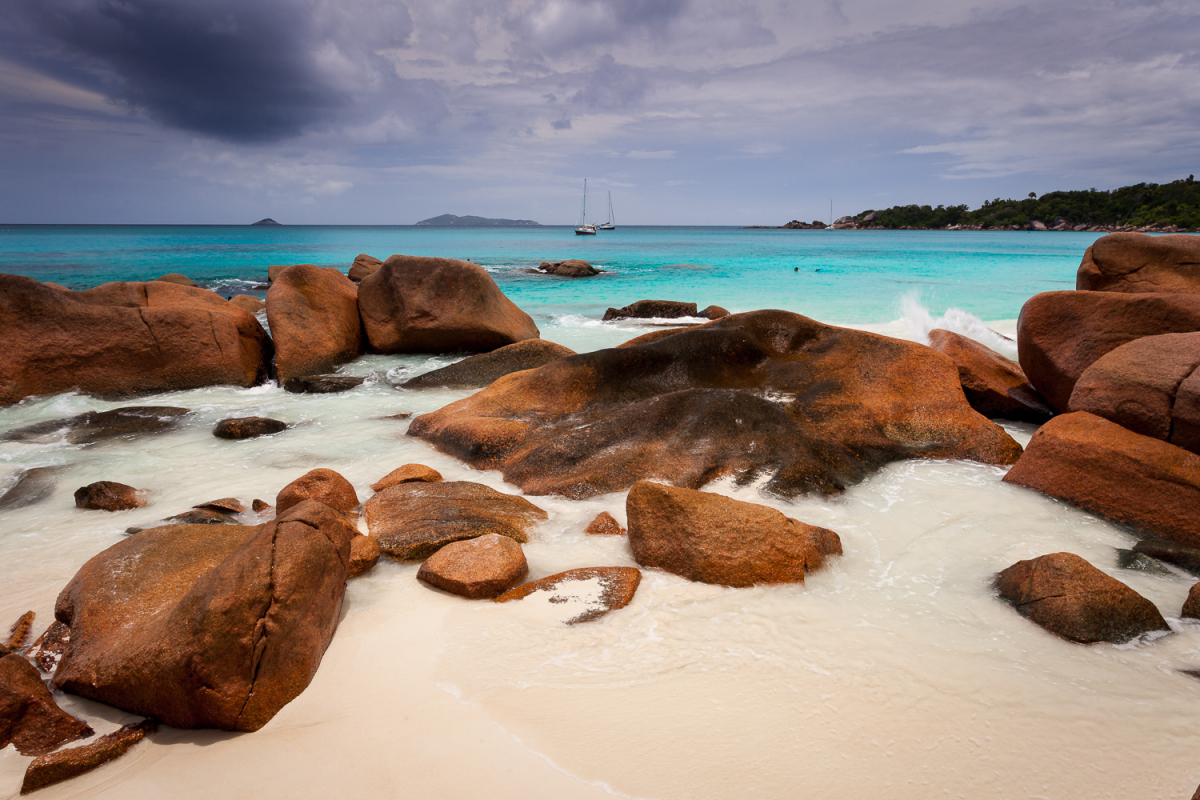
Low light can reveal texture in granite, while a brighter sky can bring out colour in shallow water. Neither condition is universally better. Decide whether the subject is a silhouette, a reflection, a forest detail or the colour of the sea, then choose exposure and timing accordingly. Take a short sequence as clouds move rather than waiting for one imagined perfect sky. Check a local sunrise and sunset prediction for your travel date instead of relying on a remembered clock time.
The Seychelles Meteorological Authority climate guide describes seasonal wind and rainfall patterns. Use those patterns to keep your plan flexible, then check current forecasts and warnings for the outing. A transition month cannot guarantee calm water. If your preferred shore is windy, a town detail or sheltered forest subject may be a better use of the day; see Best Time to Visit.
Treat tide and surf as working conditions
Look at where waves have reached before putting down a bag or extending tripod legs. Water can arrive farther up the beach than the last small wave suggested. Keep a dry retreat route and leave room between yourself and unstable or slippery rock. A long exposure is optional; a safe return and dry camera are more valuable than a smooth-water effect.
A tide prediction helps explain the shape of the exposed shore, but it does not measure local surf, rip currents or your footing. Avoid wading to reproduce a reference angle. If the composition needs water around the foreground rock, wait from stable dry ground or choose another frame. Anyone accompanying the photographer needs the same space and attention: do not leave children beside breaking waves while concentrating on a viewfinder.
Palm forest and wildlife require a slower pace
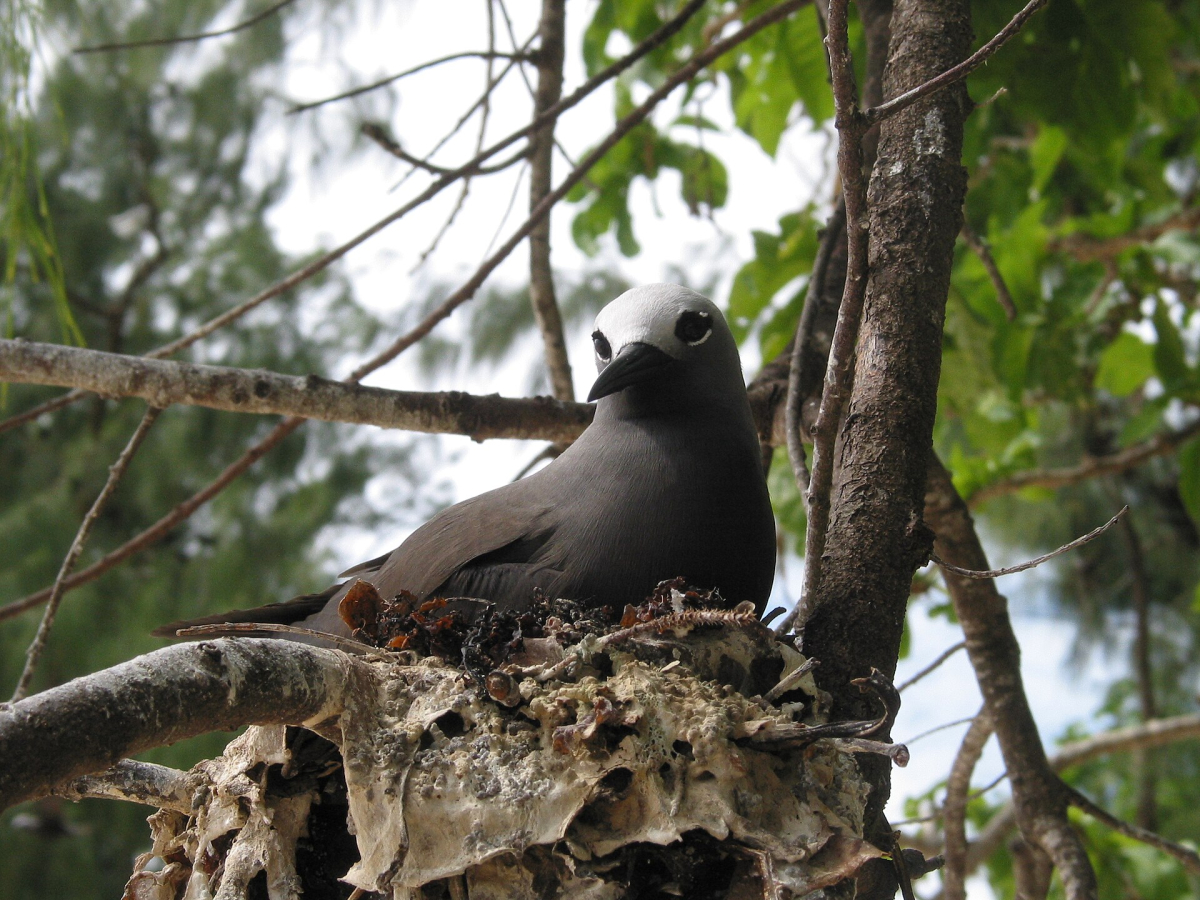
Vallée de Mai is an opportunity to show layers, leaf shapes and filtered light. Let your eyes adjust before choosing the first photograph. A close frame of a leaf can be clearer than a very wide scene with tangled trunks. Keep highlights from becoming featureless white patches and steady the camera without leaning equipment against living plants. A short stop should leave the route open for people walking through.
For birds or tortoises, observe behaviour first and choose a position that gives the animal room. Do not feed it, move it or call it closer for a photograph. A longer lens may help, but a wider frame showing habitat can be equally informative. SIF’s Vallée de Mai information explains the forest and its species; a guide can help you understand a sighting without promising a particular animal on demand.
Victoria: make streets part of the story
Central Victoria offers buildings, shopfronts, street movement and the relationship between a small capital and its surrounding hills. Begin with a broad streetscape before moving to details. Stand where you can watch traffic and pedestrians without stepping into the carriageway. A compact camera or phone can make it easier to remain aware of the space around you. Read the Victoria street photo guide for architectural composition and historical context.
For a portrait, ask before taking the picture and explain the intended use if it goes beyond a personal holiday album. Keep the subject’s name and location accurate if they agree to provide them; do not infer nationality or occupation from appearance. The people and market photography guide focuses on respectful working scenes. Market images from earlier years should be captioned as historical when the trading location or layout has changed.
Resort views need access and an identified subject
A pool, terrace or gazebo can make a strong frame because straight deck lines meet the irregular coast. Start by identifying the actual property and the space you have permission to use. A private villa, shared hotel pool and public shoreline have different access conditions. Ask the property about a planned shoot, use a position that respects guests’ privacy and avoid implying that a striking private pool is included with every room.
The Seychelles luxury beach hotel photo guide uses an identified Constance Ephelia villa setting to discuss reflections, coastal views and beachfront structures. For choosing accommodation, compare the practical information in Where to Stay and Hotels. A photograph describes a particular view at a particular time; it cannot establish today’s room availability or the appearance of every category.
Pack a small kit you can protect
Choose equipment you can carry comfortably while walking, boarding boats and keeping a hand free. A useful kit might be a phone or camera, a spare battery, a cloth, a protective bag and enough storage for the day. A wide-to-normal view covers many beach and street subjects; add a longer lens only when it serves a specific wildlife or distant-detail plan. Changing lenses in blowing sand is worth avoiding.
Keep sea spray off the front element, close the bag between frames and handle equipment with dry hands. Sand on a cloth can scratch a surface, so remove loose grit carefully before wiping. Let damp equipment air in a suitable dry place after the outing. Carry a separate backup of important files and check that copied photographs actually open before clearing a memory card. A phone should also retain enough charge for transport and contact information.
Check drone and commercial photography permissions
The SCAA drone operations page has a registration route for drones of 200 grams or more and a separate flight-authorisation route. Its safety and regulations page should be read for the intended operation. Check your exact aircraft and location in advance rather than treating a small drone or an empty beach as blanket permission.
Protected areas and private properties may impose additional requirements. SPGA visitor information includes commercial filming and photography arrangements; ask management how the rules apply to your planned shoot, equipment and publication use. Permission to enter a park and permission for a commercial production are different questions. Keep a ground-based composition available so that the day remains useful if flying or a particular setup is not permitted.
Swipe horizontally if needed to compare all columns.
| Subject | Look for | Check first |
|---|---|---|
| Granite coast | Rock texture, an uncluttered horizon and a safe foreground | Waves, footing, access and your dry return route. |
| Palm forest | Leaf shapes, layers and controlled highlights | Site route, opening arrangements and whether your equipment obstructs paths. |
| Victoria street | Shopfront geometry, hills and ordinary movement | Traffic, personal space and consent for identifiable portraits. |
| Resort setting | Pool reflections, deck lines and the relationship to the sea | Property permission, guest privacy and the correct room/space identity. |
| Wildlife | Behaviour and habitat as well as a close view | Guide instructions and enough distance for the animal to move. |
Write captions that preserve the place
Record the island and specific location while you still remember the route. Add the shooting date when it matters to historical appearance, a changed facility or an event. If you do not know the precise beach or a person’s identity, use the broader description you can support. Keep the photographer’s credit and any required source and licence information when sharing someone else’s work.
Finish a day by selecting a small, varied sequence: an establishing view, a closer detail and a human or natural activity photographed respectfully. That sequence tells more about Seychelles than several almost identical beach panoramas. Use the linked location guides as starting points and adapt them to the conditions you actually find.
Frequently Asked Questions
Which island is best for a varied photography trip?
Mahé offers coast, town and mountain vegetation in one base. Praslin combines beaches and palm forest, while La Digue suits slower coastal exploration. Choose according to your subjects and transfer time.
Does a calm-looking beach mean I can wade out for a photo?
No. Check local conditions and warnings, keep a safe dry position and retain a clear retreat route. A photograph or tide table cannot establish swimming safety.
Can I photograph people at a market?
Ask before making an identifiable portrait, avoid disrupting work and accept a refusal. Explain wider publication or commercial use instead of assuming a purchase provides consent.
Do I need permission to fly a drone?
Check the current SCAA registration, operational and flight-authorisation requirements for your aircraft and location. Property and protected-area permissions may be additional.
Where are the individual Seychelles photo guides?
This collection links to Anse Georgette, a Praslin beach, Victoria streets, people and market photography, and identified luxury resort views. Each develops a particular place, composition or approach.



