
SEYCHELLES TRAVEL GUIDE
Getting Around Seychelles: Ferries, Flights, Buses and Cars
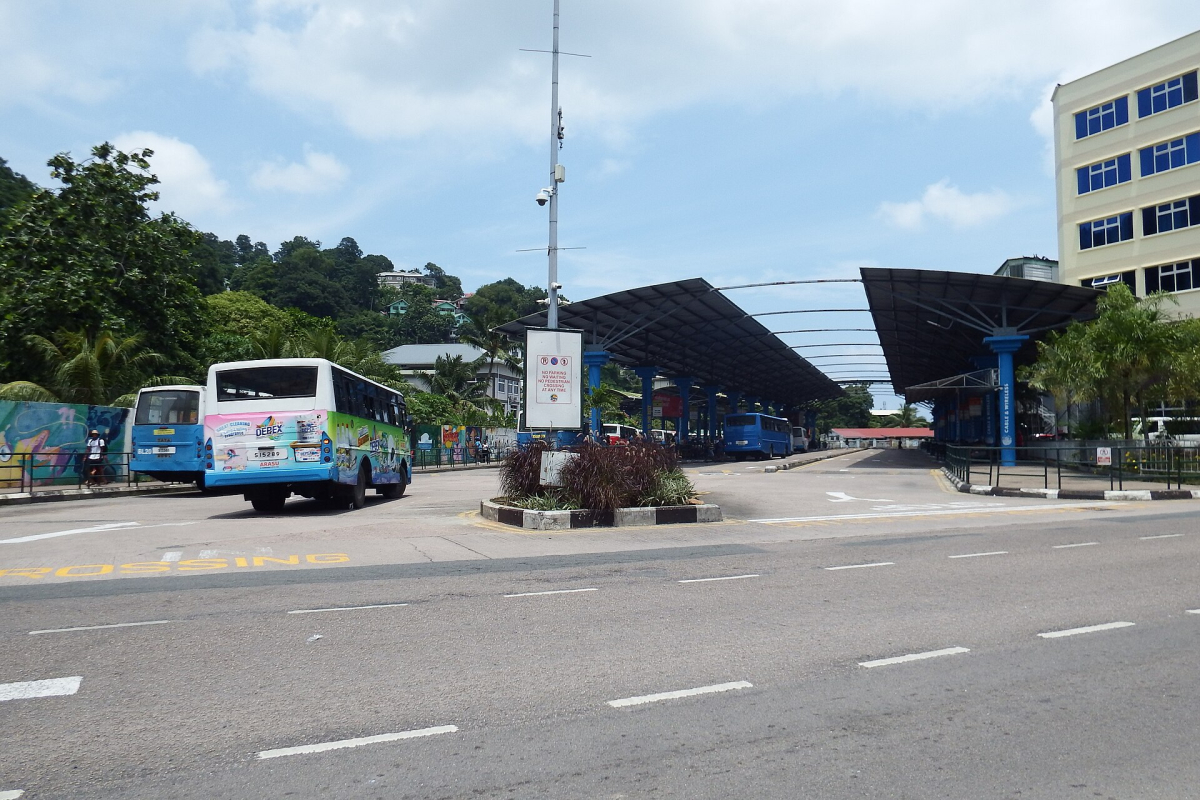
How to get around Seychelles
Getting around Seychelles means solving two separate journeys: moving between islands and exploring the island where you sleep. A car is useful for some Mahé or Praslin days, but it does not simplify a passenger ferry transfer. A bicycle can suit La Digue without being the right answer for a family carrying luggage. Start by marking your overnight bases and actual gateways, then choose the transport for each leg.
Keep the plan proportional to the holiday. Changing islands every day can spend more time on packing, check-in and road transfers than at the places you came to see. Choose a few well-placed bases and group local outings geographically. Our map guide explains the island relationships; Airports & Transfers covers the first journey after an international arrival.
Swipe horizontally if needed to compare all columns.
| Transport | Useful for | Check before departure |
|---|---|---|
| Inter-island ferry | The main inner-island sea connections | Date, route, check-in, baggage and disruption conditions |
| Domestic flight | Mahé–Praslin journeys | Ticket protection, baggage and onward road transfer |
| SPTC bus | Selected Mahé and Praslin outings with suitable bags | Current route, card/payment, last return and stop location |
| Taxi or arranged transfer | Luggage, evening outings and specific pickups | Quoted total, meeting point and return arrangements |
| Rental car | Several independent local outings on an island | Contract, excess, parking and driver confidence |
| Bicycle or walking | Appropriate La Digue routes | Hills, brakes, lights, weather and personal ability |
Ferries between Mahé, Praslin and La Digue
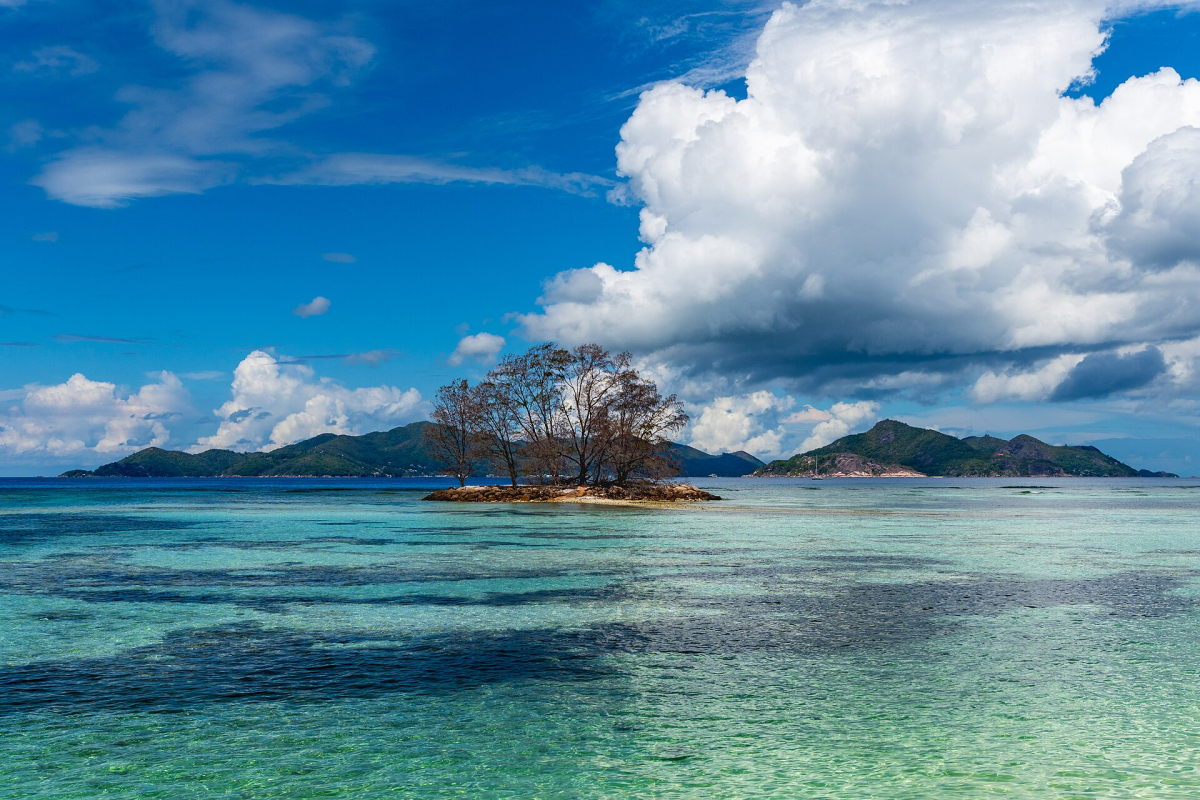
Cat Cocos operates between Mahé, Praslin and La Digue. Begin with the operator's current schedule, then check whether your chosen journey has an intermediate stop or connection. A departure advertised for one island pair should not be assumed to work for every other leg on the same day. The ticket and confirmation are the place to establish your actual check-in instructions.
Treat the ferry as part of a door-to-door day. On Mahé, arrange transport to the correct terminal; on Praslin, distinguish Baie Sainte Anne jetty from the airport; on La Digue, decide how luggage will reach your accommodation from La Passe. A short sea crossing does not include hotel checkout, waiting, baggage handling and the final transfer. Keep some of the moving day free instead of booking a timed excursion immediately after arrival.
Read the conditions of carriage for your fare and point of purchase. Changes, refunds and service disruption are contractual details, not an automatic promise that any missed connection will be rebooked free. If an agent sells your ticket, establish whom to contact when plans change. Keep essential medication, valuables and travel documents in an appropriate small bag rather than in luggage you cannot access during boarding.
For the Praslin–La Digue leg, check the particular operator and current timetable attached to your booking; do not transfer another company's luggage or cancellation terms by assumption. If prone to seasickness, discuss suitable preventive measures with a pharmacist or clinician before travelling. Choose your seat and behaviour according to crew advice, and keep a spare day or a less weather-dependent alternative when a sea outing is central to your plans.
Flying between Mahé and Praslin
Air Seychelles provides the domestic link to Praslin. Its service information describes a short flight, but the comparison with a ferry should include your starting and finishing points. A flight can be convenient if you are already at Mahé airport. If you are leaving a hotel far away, add the road journey, check-in and arrival transfer before deciding which option saves time.
Domestic baggage rules matter, particularly for camera equipment, dive bags and oversized cabin cases. Use the allowance on your own booking and check the airline's current rules, including whether an international through ticket changes the entitlement. Carry immediate essentials with you and allow for the possibility of operational baggage arrangements on small aircraft. Do not plan a vital activity around equipment arriving at precisely the same moment unless the carrier has confirmed what is possible.
Using public buses on Mahé and Praslin
SPTC is the public bus operator for Mahé and Praslin. Its official timetable page is the right starting point for routes, and its visitor information explains card options. Check the current product and where to obtain or reload it; old downloadable leaflets can remain online after a new product or fare has appeared. Decide how you will pay before waiting at a remote stop.
A bus suits an outing with flexible timing and an easily managed bag. It is less suitable when your plan depends on a tight ferry connection or a large suitcase whose carriage has not been confirmed. Check both the outward journey and the last useful return, not just a route number. Ask your host to identify the exact stop and the walk at each end, particularly when an attraction lies uphill from the coastal road.
On a first journey, keep the destination name accessible and follow the driver's or station staff's guidance. Allow time at a transfer point and watch the road rather than assuming that a phone's arrival estimate guarantees the next bus. If the return would be after a restaurant meal or an evening event, arrange another option in advance. A daytime public transport connection does not establish that the same service runs when your evening finishes.
When a rental car is worthwhile
A rental car is most useful when you want several independent stops on the same island, with equipment or family needs that make public transport awkward. Compare that with a day of arranged driving or a smaller number of taxi trips. A car parked for several days while you change islands is often a poor use of the budget. Arrange pickup and return around the island where the vehicle will actually be used.
Before paying, understand the insurance excess, excluded damage, deposit, driver requirements and fuel policy. Check the actual vehicle and record existing marks; make sure lights, tyres and essential controls are satisfactory. Seychelles driving is on the left, and narrow or hilly roads can demand attention. If unfamiliar roads after an overnight flight feel uncomfortable, choose a transfer first and collect the car when rested.
Do not use a roadside map pin as permission to park or access private land. Leave room for buses and emergency vehicles, and use appropriate parking at popular stops. Break a coastal driving day into manageable areas so that a scenic detour does not turn into a rushed return in darkness. A rental car expands your choices, but it does not make every remote road, footpath or beach suitable for the vehicle.
Taxis and transfers: agree the whole trip
For a taxi or prebooked driver, agree the destination, full cost and any waiting or stops before starting. If returning from a beach, trail or evening meal, establish a pickup time and a way to contact the driver. Mobile reception or an available vehicle should not be assumed at every quiet location. Send the correct accommodation entrance rather than only its district, especially when a property has a steep or confusing final approach.
Families should request the appropriate child restraint and confirm luggage capacity. Travellers using mobility aids should describe dimensions and assistance needs rather than rely on a general accessible label. A shared shuttle may have a different departure process from a private car; ask whether it waits for other passengers or includes extra hotel stops. Those distinctions can matter more than a small difference in the headline transfer quote.
Bicycles and walking on La Digue

La Digue's bicycle-and-walking atmosphere is part of its appeal, but choose a route that fits your ability. Test brakes, tyres, saddle height and lights before accepting a bicycle, and inspect any child seat with the rental provider. Start with a manageable village route before committing to a hilly outing. Keep luggage transfer separate from sightseeing; a heavy suitcase should not become an improvised bicycle load.
Some beach outings include walking after the ride. Check the ground, gradient and return daylight, carry water and use footwear suited to the actual trail. Motor vehicles are present, so leave space and look carefully when turning. For travellers who cannot cycle, ask accommodation about suitable transfers early. The island's small map footprint does not establish that every beach or accommodation approach is an easy accessible walk.
Protect the journey that matters most
Keep the international departure in mind when choosing the last island night. A ferry, road transfer and flight sold separately expose you to several different schedules and conditions. Returning to Mahé earlier can remove one part of that chain from the final morning. If your route changes, notify each provider individually; a message to a hotel is not automatically a message to the airline or ferry company.
Frequently Asked Questions
Can I take one rental car around all three main islands?
Plan rental cars for the island where they are used. The common visitor ferry itinerary is a passenger journey; do not assume your vehicle can travel with you.
Is a flight always faster than a ferry?
Compare complete door-to-door journeys. Airport or jetty transfers, check-in, baggage and your final accommodation location can change the answer.
Where do I find current bus information?
Use SPTC’s official timetable and visitor-card pages, then confirm the relevant stop and return service locally. Avoid relying on an undated fare or an old PDF alone.
Do I need to cycle on La Digue?
No. Cycling is common, but walking or a suitable arranged transfer may fit you better. Confirm alternatives with accommodation before arrival if mobility or young children affect the plan.
How should I plan the last island transfer before my flight?
Work backward from international check-in and allow for each separate journey. A final Mahé night can reduce dependence on a same-day sea connection.



