
SEYCHELLES TRAVEL GUIDE
Things to Do in Seychelles: Nature, Cycling & Island Experiences
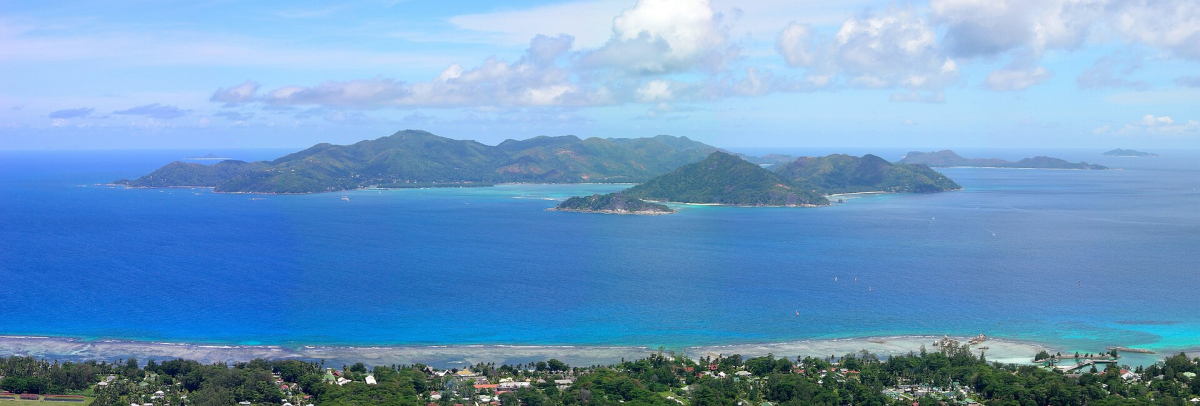
The most rewarding Seychelles experiences leave enough time to notice the islands between the famous photographs. A forest walk, a bicycle day and a boat excursion involve different preparation, effort and weather exposure. Choose a few experiences that fit the islands where you are sleeping, then keep the order flexible enough to respond to the sea and sky.
The time blocks below are editorial planning allowances, not operator timetables. They exclude a long transfer from another island. For the places themselves, compare Attractions; for the order of days and overnight bases, use Itineraries. This page focuses on what the experience feels like to plan and how to choose it sensibly.
Swipe horizontally if needed to compare all columns.
| Experience | Useful planning block | Main decision |
|---|---|---|
| Palm-forest visit | A morning or unhurried half-day | Interpretation, walking route and onward transport |
| Mahé nature walk | Half-day with a weather margin | Trail condition, footwear and realistic fitness |
| La Digue bicycle day | A relaxed day on the island | Bicycle fit, traffic awareness and where to walk |
| Marine excursion | Operator’s actual programme plus transfer time | Sea conditions, equipment and included entry fees |
| Victoria cultural walk | A morning with one indoor stop | Respectful photography and a manageable route |
| Creole food experience | A meal or a booked tasting block | Actual menu, allergies and return journey |
Listen to the Palm Forest on Praslin
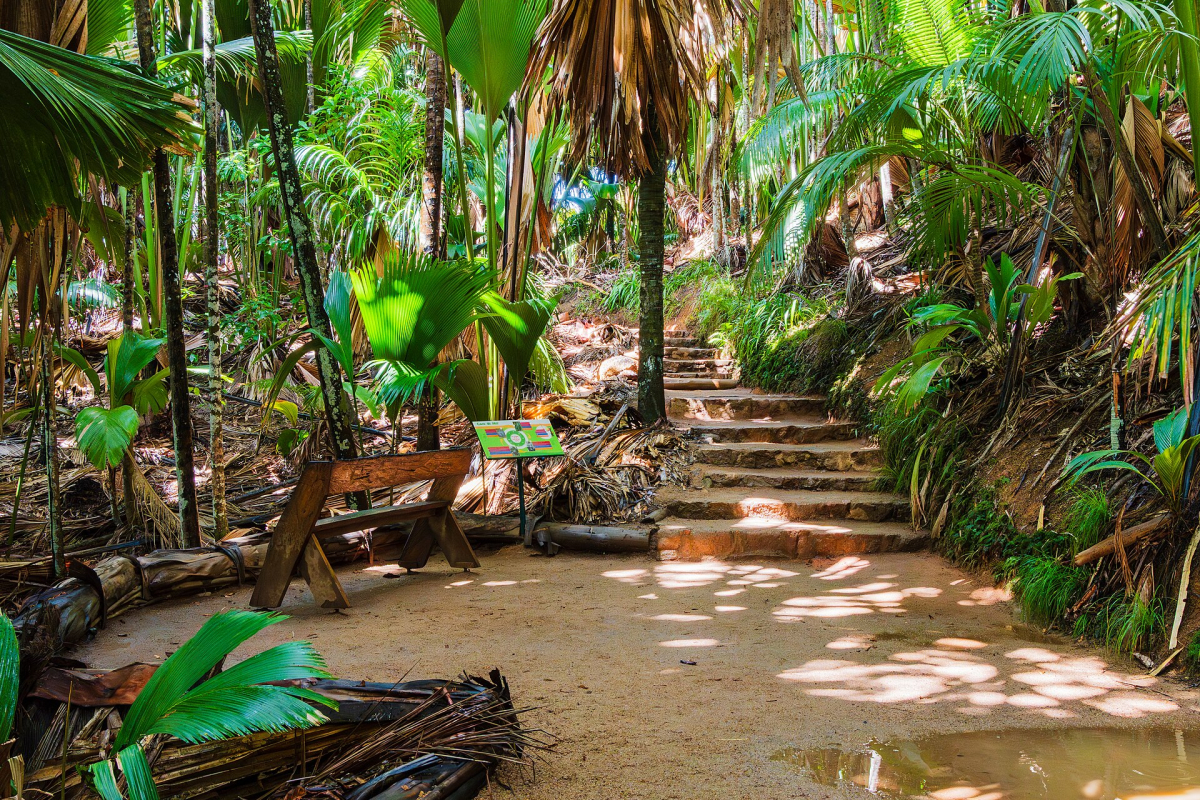
Vallée de Mai is more interesting when you slow down enough to look above and below eye level. The scale of the palms, the forest sounds and the differences between species are the attraction, rather than only a photograph of a coco de mer. Pick a route that leaves time to stop, carry drinking water and protect your camera from a passing shower.
The Seychelles Islands Foundation visitor information describes several routes and an accessible initial section. An independent guide can help with identification and context; ask what the proposed walk includes before agreeing. A café and visitor facilities make it possible to pause without rushing straight to your next beach. Combine this with another Praslin stop rather than an unnecessarily complicated same-day island circuit.
Walking and National Parks on Mahé
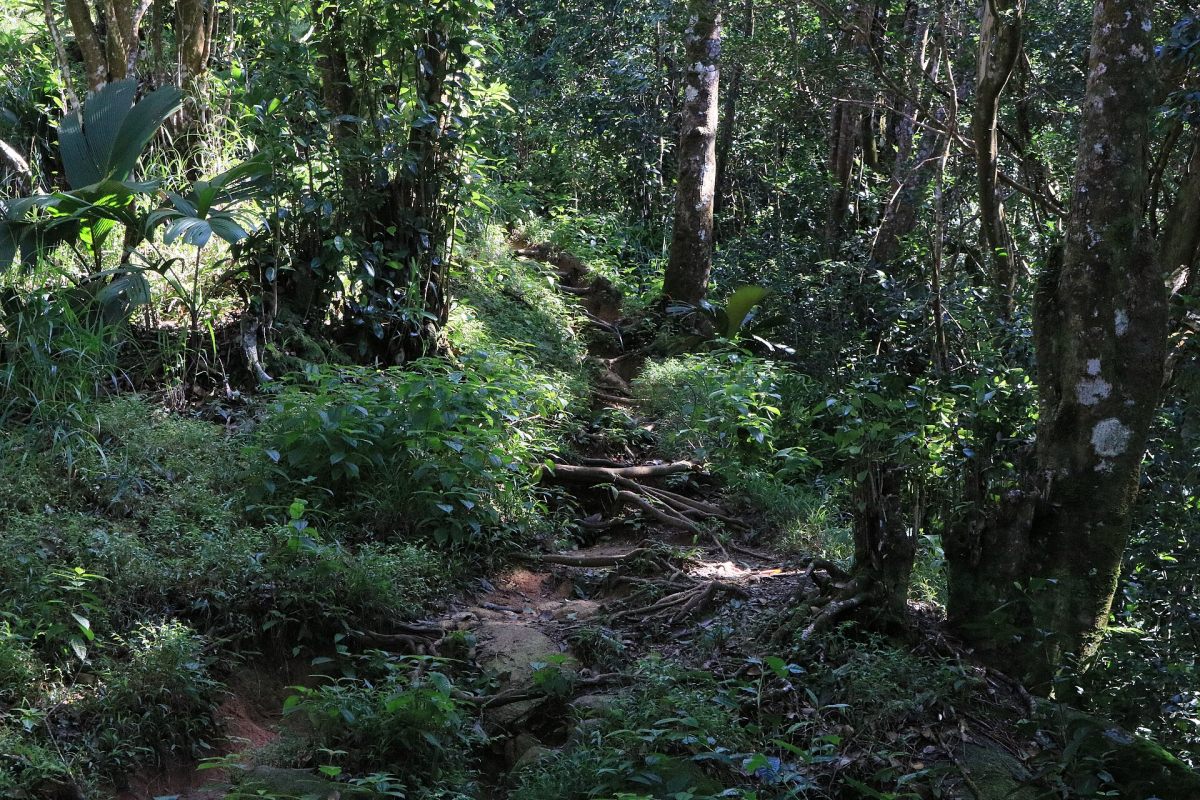
Mahé’s forest trails offer a different Seychelles from the shoreline. Morne Blanc and Copolia are different walks, with their own terrain and access, rather than two names for the highest summit. Choose one appropriate route and check its current status through SPGA visitor information. Old trail leaflets are useful for understanding a route but cannot establish that it is open or suitable today.
Wear footwear with grip, take water, rain protection and a charged phone, and tell someone your route and expected return. Wet roots and exposed rock can change the difficulty. A clouded viewpoint is a reason to enjoy the forest or change the day, not to go beyond a safe path for a clearer photograph. Do not mistake a short distance for a short or easy effort.
Ask specifically about guide requirements, tickets and the latest finishing time for the trail you select. The Morne Seychellois summit has different requirements from the broader national park and is not a casual alternative to an easier walk. If your group has mixed ability, choose the experience around the least comfortable walker and keep a lower-level alternative.
Explore La Digue by Bicycle, with Time to Walk
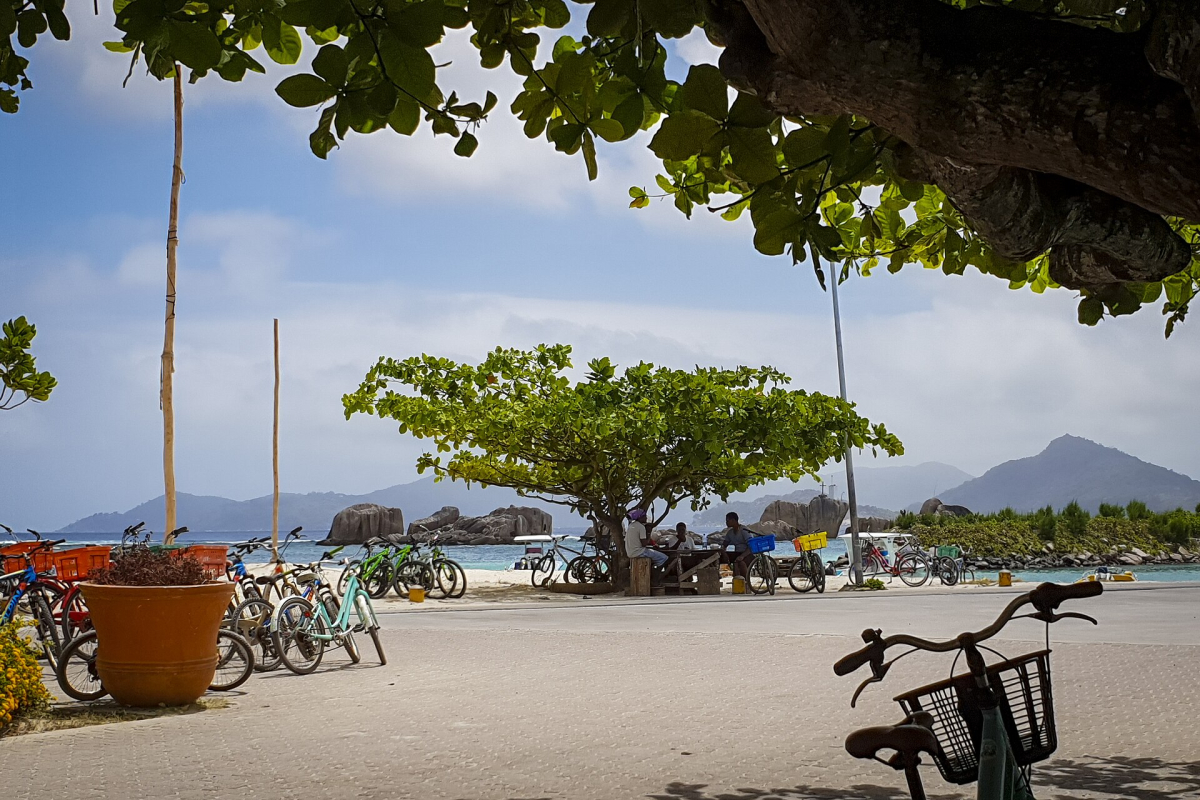
A bicycle can make a La Digue day flexible, but the best choice is one you can control comfortably. Check brakes, saddle height, gears where fitted, lights if needed and a secure way to carry belongings. Ask for a suitable helmet and the rental return arrangements. Test the bicycle on a quiet stretch before joining a road shared with residents and vehicles.
Build a simple route from La Passe rather than assuming you can ride directly onto every famous beach. Some approaches require parking and walking, and sand, slopes or rough surfaces are reasons to dismount. Lock the bicycle without blocking access. Allow time for water, a meal and an unhurried return; the last hour before a ferry is a poor time to discover that the ride back is harder than the outward journey.
Take a Marine Outing Chosen for the Conditions
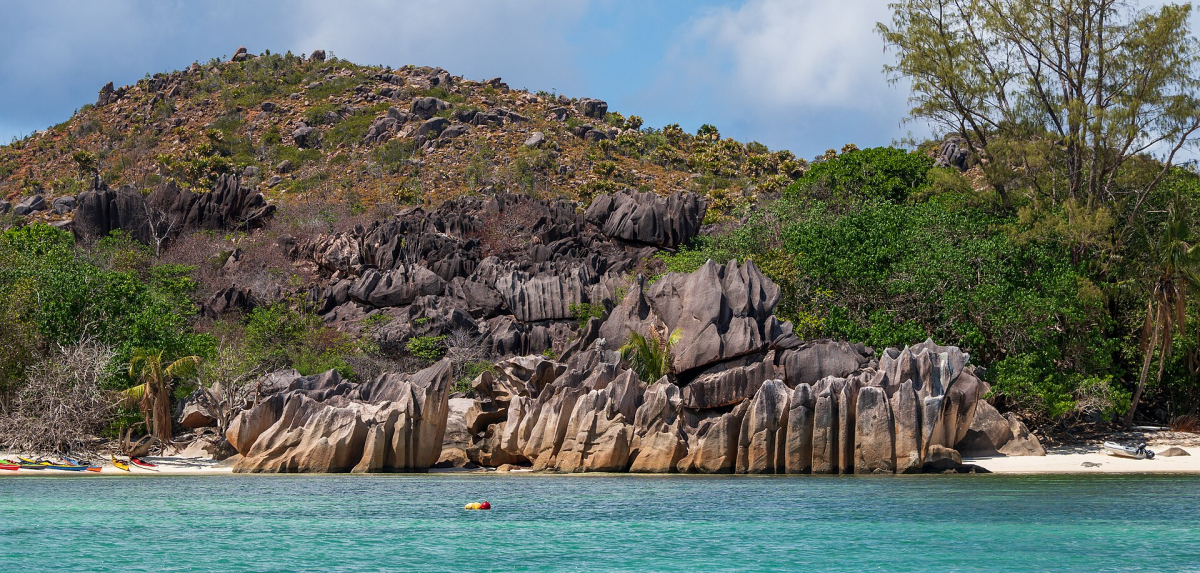
A boat trip should be chosen from its actual route and activities. A Curieuse visit, a snorkelling excursion and a sunset cruise solve different interests even if all use blue-water photographs. Ask which islands and landing places are included, whether park admission is covered, how long you spend ashore or in the water, and what happens if conditions require a different route.
Use a licensed operator and ask about lifejackets, group size, shade, drinking water, equipment fit and support for anyone who is not a confident swimmer. Tell the operator about access needs before booking. A beach landing can be more difficult than boarding from a quay. Look at snorkelling and diving planning for the questions that matter underwater, and accept a changed or cancelled outing when the crew judges it necessary.
Make a Small Cultural Walk in Victoria
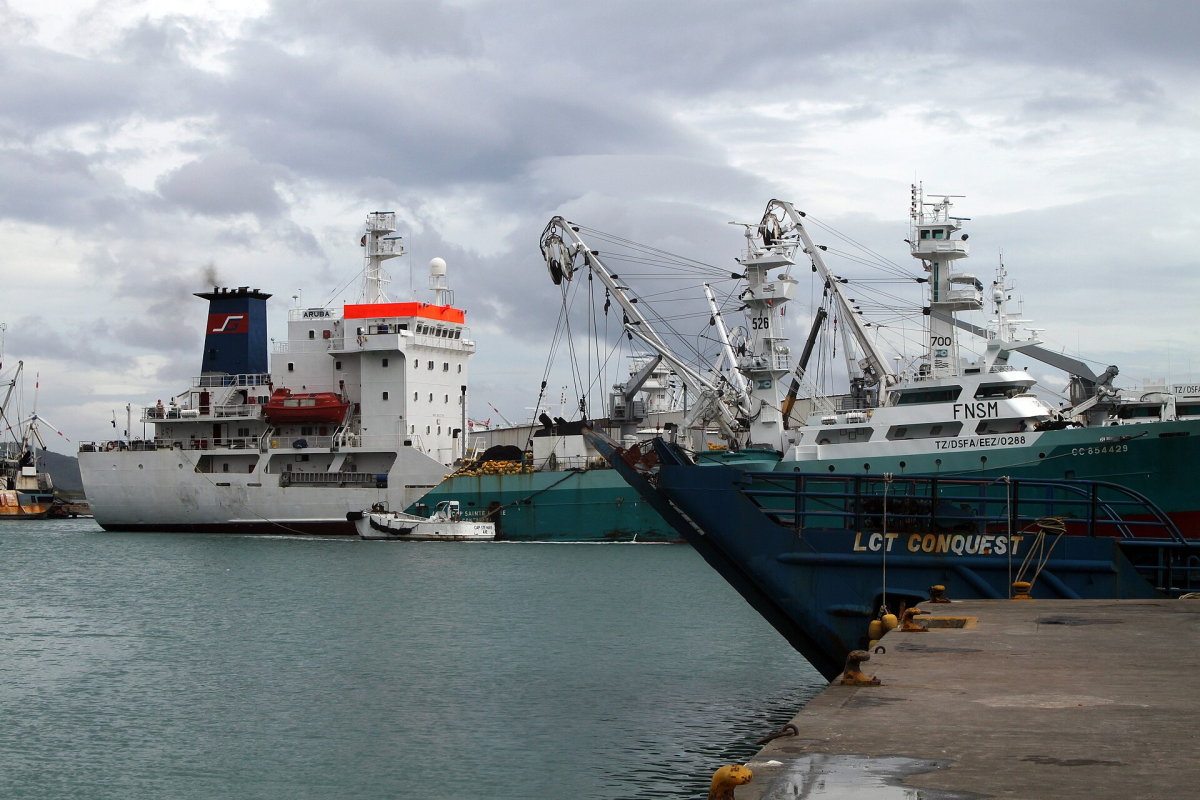
Rather than trying to see the whole capital between flights, plan a short walk with a clear start, a museum or heritage stop, and somewhere to sit for a drink. Notice shopfronts, public buildings and the relationship between a working town and its harbour. The clock tower is a landmark for orientation, not a reason to stop in traffic for a centred photograph.
Places of worship are active community spaces. Ask about visitor entry, dress and photography, and give worshippers room. A market or shop is also a workplace: ask before portraits and make way for customers. Current market arrangements and individual openings can change, so confirm the actual venue through Tourism Seychelles rather than relying on a historic market photograph as evidence that every stall is operating there today.
Turn a Meal into a Creole Food Experience
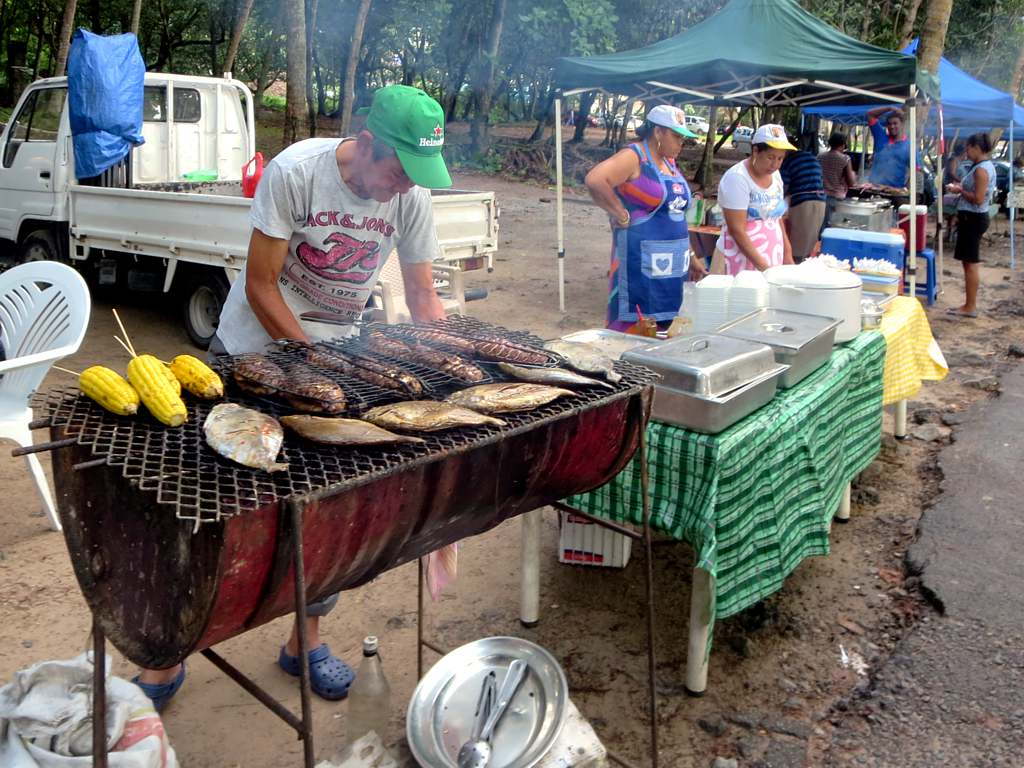
Choose a meal around what is being prepared that day rather than a checklist of rare dishes. Ask about the fish, cooking method, sides and chilli served separately. A curry, grilled fish and a simple takeaway meal offer different experiences and price structures. The conversation is often more useful than trying to identify every ingredient from a photograph.
For a distillery or organised tasting, check the actual visiting programme, age rules, transport and whether food or a tour is included. Arrange a driver if you will drink alcohol. Food & Drink explains ordering and ingredients; Restaurants helps choose a venue. Neither a tasting nor a paid food tour is necessary to enjoy the islands’ cooking.
Family Travel: One Main Activity Is Often Enough
For a family day, begin with the children’s ages, water confidence, heat tolerance and nap or meal rhythm. A short nature visit followed by food and rest can be more successful than a forest walk, boat trip and beach change in one day. Keep shade, toilets and drinking water in the plan. A famous beach with few facilities may be a poor choice for a long afternoon with a toddler.
Check child seats for road transfers, suitable lifejackets for a boat outing and bicycle equipment before paying. A carrier, child bicycle seat and trailer have different limitations; do not assume every rental shop has equipment appropriate to your child. The same applies to an advertised family room: confirm beds, railings, pool access and the walk to meals.
Give older children a simple purpose, such as noticing three different leaves or choosing a safe place for a family photograph. Leave wildlife undisturbed and avoid feeding tortoises just to create an encounter. If the sea is unsuitable, a cultural stop or shaded visitor centre can replace swimming without making the day a failure.
How to Compare a Paid Experience
Compare the full itinerary and exclusions, not the headline duration. Ask where pickup starts, whether another island transfer is needed, which admissions are included, what equipment is supplied and whether lunch is a set meal. A private tour can provide flexibility but does not create special permission to enter closed sites or ignore weather restrictions.
Read cancellation and minimum-participant terms alongside the forecast. Keep the provider’s contact and your accommodation details available offline. If your holiday is short, put a weather-sensitive outing early enough to allow an alternative day, while accepting that rescheduling is never guaranteed. Use Travel Costs & Money to keep optional experiences separate from essential transfers and meals.
Leave Space for a Second Look
Returning to one nearby beach in different light can be more enjoyable than chasing another island name. Take a short walk, eat where it suits your route and leave an easy way back. An experience is not improved simply by making it longer, more remote or more expensive.
Use Photo Spots for light and composition and Responsible Travel for conduct around wildlife and communities. Plan the return as carefully as the outward activity, especially after dark or when your last connection is a booked ferry.
Frequently Asked Questions
Do I need a guide for a Seychelles nature walk?
It depends on the actual trail and current rules. Some routes have specific guide requirements; others may be visited independently when open. Check SPGA guidance and choose for your ability and conditions.
Can a beginner cycle everywhere on La Digue?
No. Start with a controllable bicycle and a simple route. Dismount on difficult slopes or surfaces, and allow for walking approaches to individual beaches.
What should I ask before a boat excursion?
Confirm the route, current conditions, landing method, lifejackets, equipment, group size, included park fees, food and cancellation arrangements.
Is one island-hopping excursion enough to experience Seychelles?
It can add variety, but it is not a substitute for time on the island where you are staying. Choose it only when the route matches your interests and the transfer is practical.
What is a sensible family day?
One main activity with shade, food, toilets and an easy return is a useful starting point. Adjust for ages, heat and water confidence rather than copying an adult sightseeing list.



