
SEYCHELLES TRAVEL GUIDE
Seychelles Travel Essentials: SIM, Power, Packing and Accessibility
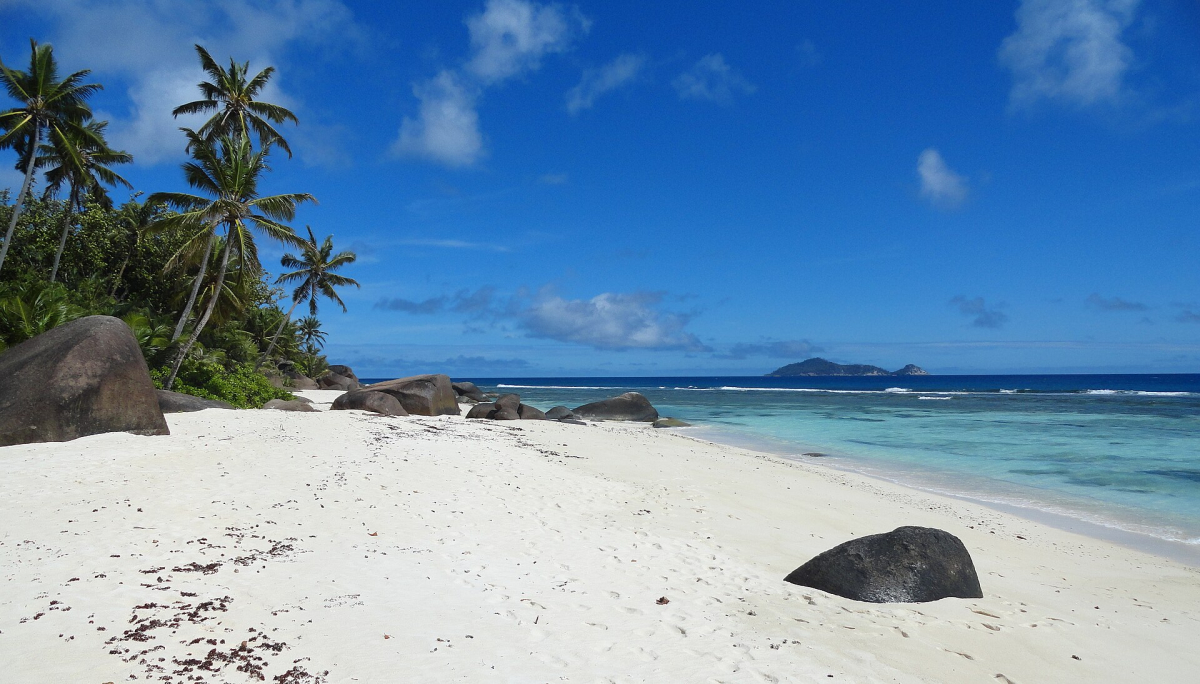
Seychelles travel essentials before you pack
A successful Seychelles trip starts with a few practical decisions: which island you sleep on each night, how you will reach that accommodation, how you will communicate and what your party needs to move comfortably. The main visitor islands are not interchangeable resort zones. A service available on Mahé should not be assumed to exist at the same distance, frequency or capacity on La Digue or a remote island.
Keep a compact offline travel folder containing your passport identification page, booking confirmations, travel authorisation, insurance details and transport tickets. Store a separate copy securely and keep the originals accessible during travel. This essentials guide addresses preparation and everyday use; Visa & Entry covers the current entry process, while Health & Safety covers sea, road and medical decisions. Recheck variable details shortly before departure rather than relying on an old screenshot.
Swipe horizontally if needed to compare all columns.
| Topic | Planning fact | What to do |
|---|---|---|
| Time | Seychelles Time is UTC+4 | Read airline and excursion times as local times |
| Languages | Seychellois Creole, English and French | Keep written addresses and ask when a name is unclear |
| Money | Seychellois rupee, SCR | Bring a backup payment method and plan local cash |
| Power | Type G, approximately 220–240V AC, 50Hz | Check each device and pack the correct adapter |
| International arrival | Mahé, with onward island arrangements as needed | Confirm the exact jetty, terminal and hotel transfer |
Time, language and booking details
Seychelles uses UTC+4; the Seychelles Investment Board overview confirms the offset. Your difference from home can change when your home country changes its clocks. Check that your phone has updated to local time before setting a ferry alarm, and write an actual date alongside every departure. An international overnight journey can arrive on a different calendar day from its first flight.
English is useful for travel arrangements, while Creole and French are part of everyday island life. Keep the property name, district, phone contact and a map pin together, especially where a place has similar spellings in different documents. A driver may know the accommodation name better than a generic beach label. Ask hosts to describe the entrance and any landmark rather than relying solely on a road address. A friendly greeting and permission before photographing a person go further than assuming every local encounter is part of a visitor attraction.
SIM, eSIM and staying in contact
Before buying a mobile package, check that your phone is unlocked, compatible with the chosen SIM or eSIM and able to use the network you intend. Compare the length of validity, data allowance, local calls and activation requirements. Cable & Wireless Seychelles’ published eSIM guidance describes prepaid eSIM registration through its service desks and an option through the electronic border system. Confirm the current product and identification requirements with the provider; the presence of a purchase option does not make it a required part of your travel authorisation.
A data-only travel eSIM may support maps and messaging but does not necessarily provide a local telephone number or ordinary voice calls. Keep a workable way to call accommodation, an operator or emergency services. Do not rely on a messaging app alone for an urgent request. Save your hotel location, contact numbers and transport documents offline, and keep a charged power bank for transfer days. Coverage and speed at a particular room, boat or trail cannot be inferred from a package’s national marketing description.
Electricity, chargers and protection for equipment
The official tourism practical tips specify British-style Type G sockets and 220–240V AC at 50Hz. Bring an adapter that fits your plugs and read the input label on each device. An adapter changes the plug shape; it does not make a 110–120V-only appliance suitable for a higher-voltage supply. Follow the manufacturer’s advice for any device whose rating does not match.
Do not assume the room will lend adapters or have convenient USB sockets. Travelling with a few familiar, compatible chargers is often easier than depending on unknown equipment. Keep electrical items away from wet sand, spray and damp bathroom surfaces. A dry bag protects documents and electronics during boat boarding, but its effectiveness depends on closure and condition. Charge essential devices before changing islands and keep your booking references somewhere you can read if the phone battery runs out.
Pack for coast, forest and transfers
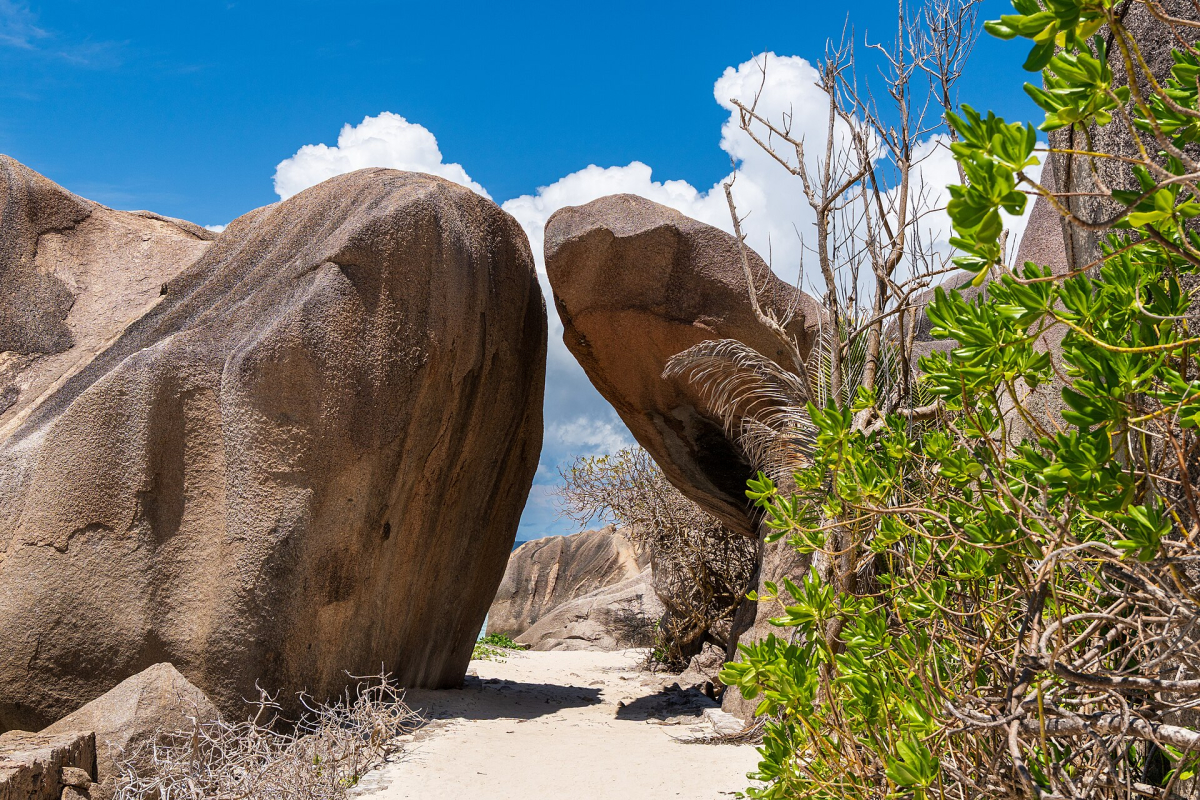
Choose luggage you can handle through the actual trip, including a jetty, a hotel path and any stairs. Pack lightweight clothes, sun protection, footwear suitable for your chosen walk and a layer that protects against rain or spray. A beach sandal and a walking shoe serve different purposes; smooth soles on wet granite are a poor substitute for footwear suited to the route. Keep a small day bag ready rather than opening all your luggage during a transfer.
Carry prescription medicines and essential documents in the appropriate cabin or hand luggage, with the records required for the medicine and journey. Check airline liquid, battery and baggage rules directly. Bring only equipment you are willing and able to carry safely. For families, ask about child life jackets, child seats and the actual cot or bed arrangement before departure; a general family-friendly description does not answer those questions. Build rest and food stops into arrival day instead of immediately starting the longest excursion.
Accessibility: confirm the complete journey
Ask precise questions about access before choosing a room or route. Can the vehicle reach the entrance? Are there steps, steep slopes, loose sand or narrow doorways between reception and the room? Is the shower level-access, and what grab rails or transfer space are actually present? Request measurements or recent photographs when they matter. An accessible public area does not establish that the booked bedroom and bathroom meet your requirements.
The airport’s special-assistance information identifies support and accessible transport contacts on Mahé. Arrange airline assistance in advance, including details of mobility aids and batteries. For a ferry, describe the help you need with gangways, steps, seating and toilets, and ask how sea conditions may affect boarding. Do not assume a wheelchair can remain occupied on every transfer. A simpler itinerary with fewer moves can be more valuable than a route that relies on repeated unconfirmed assistance.
For attractions, confirm the accessible portion rather than the whole place. Vallée de Mai’s visitor information identifies its visitor centre and first forest section as wheelchair accessible, which does not mean every woodland trail is step-free. Beaches introduce soft sand and changing waterlines; ask about suitable access, assistance and realistic alternatives for your particular needs.
Meals, water and a responsible everyday routine
Ask your accommodation about drinking-water arrangements and follow current local advice, particularly on remote islands or after disruption. Plan drinking water for a long transfer or walk without assuming a shop will be open at the destination. Tell meal providers about allergies clearly, describe the consequence and ask about ingredients and cross-contact rather than relying on the dish’s name. Keep some suitable food available if an arrival is delayed.
Respect homes, places of worship and working areas as well as protected nature. Dress appropriately away from swimming areas, use established access routes and take litter back where disposal is available. Do not handle or feed wildlife to obtain a photograph. A slower, well-prepared visit usually makes these choices easier: fewer rushed connections, a room suited to your needs and a reliable way to communicate leave more time to enjoy the islands themselves.
Frequently Asked Questions
What power adapter do I need in Seychelles?
Pack an adapter for Type G British-style sockets and check that each device supports the local 220–240V, 50Hz supply. A plug adapter does not convert voltage.
Does an eSIM automatically include ordinary calls?
No. Read the actual package. Data-only products may provide internet access without a local number or ordinary voice service, so keep a practical way to make urgent calls.
Can I assume a Seychelles hotel is accessible?
No. Confirm the specific room, bathroom, entrance, transport and beach access against your needs. Ask for measurements or photographs and obtain written confirmation before a restrictive booking.
Should I rely on having internet during transfers?
Keep tickets, addresses, key contacts and maps offline. Coverage, battery life and Wi-Fi access can vary, particularly away from the main visitor areas.


