
SEYCHELLES TRAVEL GUIDE
Longer Stays in Seychelles: Costs, Bases and Everyday Spending
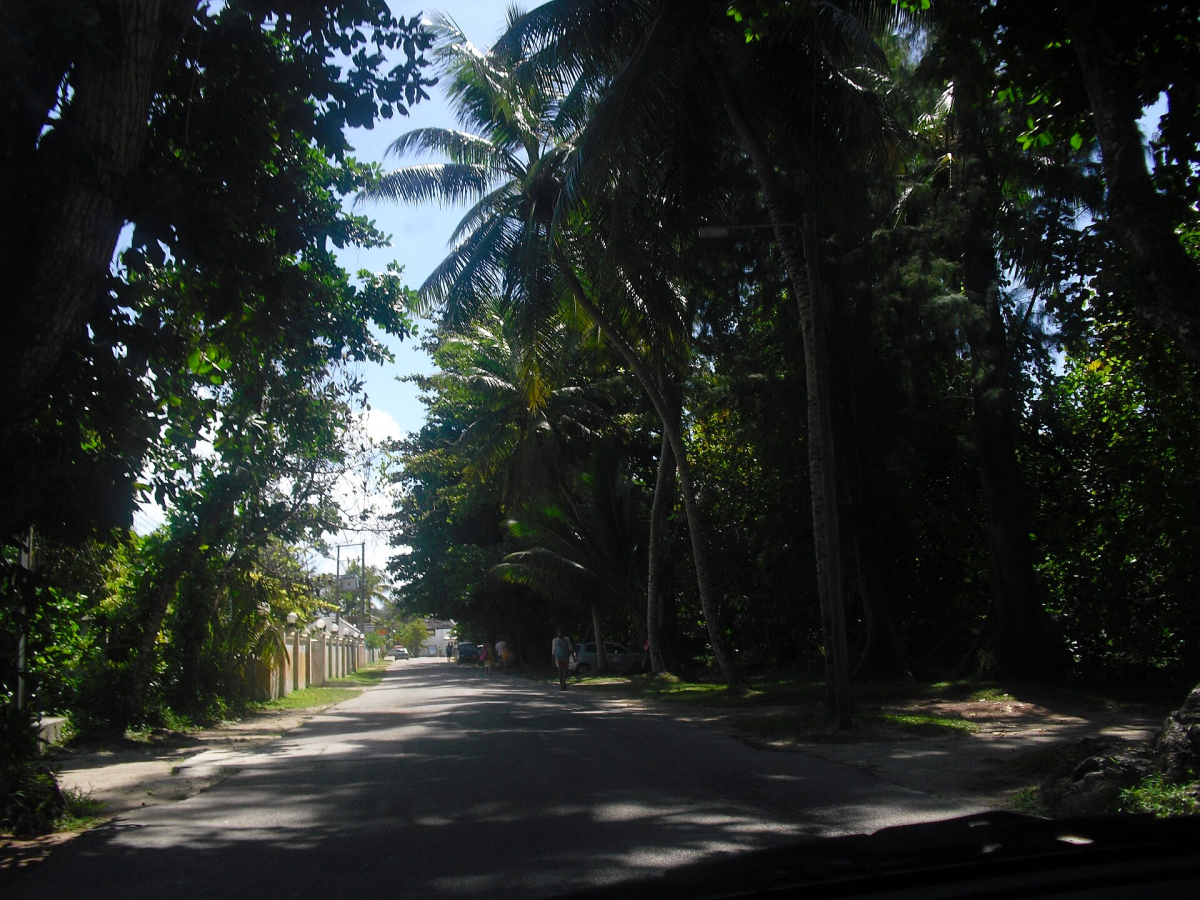
Plan the costs of a longer Seychelles stay
A longer stay in Seychelles needs a different budget from a week of hotels and excursions. The important questions become the cost of a usable kitchen, access to groceries, included utilities, laundry, reliable transport and the flexibility of the accommodation agreement. A low nightly price is not enough information to compare a month-long arrangement. This guide is for visitors evaluating an extended stay; it does not treat a holiday booking as residence permission or permission to work.
For a short holiday, start with Travel Costs & Money. For several weeks, separate recurring household spending from one-off arrival expenses. Keep your own home costs, international insurance and return flight visible if they continue while you are away. A month in Seychelles may replace some normal expenses but it does not automatically remove rent, subscriptions, loan payments or travel obligations elsewhere. Compare a complete period with the same dates and occupants rather than multiplying a peak-night hotel rate by thirty.
Compare accommodation as a complete agreement
Ask for a written quote covering your exact dates, occupancy and length of stay. Clarify whether the offer is a tourist accommodation booking, a serviced apartment arrangement or another type of rental. Identify the deposit, balance deadline, cancellation policy, check-in inventory and any charge for leaving early. An attractive monthly headline can be expensive if a change of plans leaves the entire balance payable.
Ask separately about the Tourism Environmental Sustainability Levy. The Revenue Commission’s current rules, checked on 1 November 2026, remove it for the small-establishment category with 1–24 rooms from January 2026; a long booking does not itself exempt a liable guest in another category. For two non-exempt adults staying 28 nights in accommodation charged SCR100 per person per night, the levy alone is 2 × 28 × SCR100 = SCR5,600 if not already included. This is a stated statutory-charge example, not rent, a monthly market average or a complete living-cost budget. Confirm the property’s official category and count the levy once.
Inspect the practical inclusions. Is electricity included without a cap? Is air conditioning available in the bedroom you will actually use? Who pays for cooking gas, drinking water, linen changes, cleaning and rubbish collection? Is a washing machine private, shared or unavailable? A long-stay guest may care more about food storage, shade and a comfortable table than a resort-style welcome. Ask for photographs of the actual unit rather than assuming another room on the same property has the same kitchen or step-free entrance.
Swipe horizontally if needed to compare all columns.
| Budget area | Confirm in writing | Why it matters over several weeks |
|---|---|---|
| Housing | Exact unit, deposit, cancellation and occupancy | A different unit or inflexible contract changes the comparison |
| Utilities | Electricity, air conditioning, water and gas | An excluded recurring charge accumulates |
| Food | Kitchen equipment and accessible grocery options | Self-catering only saves money if it is practical |
| Transport | Routine journeys, parking and evening options | Small repeated transfers can outweigh a cheaper base |
| Connectivity | In-room Wi-Fi and backup mobile service | An advertised connection may not suit your actual needs |
Choose a base for ordinary days

On Mahé, think about the journeys you will repeat: groceries, a beach you can safely access, meals, an ATM and medical care if needed. A hillside view may involve steep paths and dependence on a car. A room near the shore may still be separated from shops by a road without an easy pavement. Judge the actual entrance and route rather than the distance between two pins on a map.
On Praslin, compare a convenient village or beach-area base with a quieter location whose savings require frequent taxis. On La Digue, consider bicycle storage, the condition of the route to your room and how you will move bags or manage wet weather. Reducing hotel changes can lower repeated transfer and cleaning costs, but staying too far from everyday needs can erase the saving. Use Where to Stay for the location choice before negotiating a longer booking.
Make a realistic food budget

Build a repeatable shopping list instead of assuming every meal will be cooked or every imported favourite will be available at the price you pay at home. Start with breakfasts, simple lunches and several dinners you actually want to prepare. Ask what pans, utensils, refrigeration and food storage the kitchen provides. A kettle and microwave should not be priced as equivalent to a full kitchen if cooking is central to the plan.
Keep an allowance for eating out, travel days and food that cannot be stored until the next shop. A large grocery purchase can be wasteful if your fridge is small, power arrangements are uncertain or you change islands soon afterwards. Shop more cautiously on arrival, learn the practical options around the base and then adjust. Do not compare a self-catering budget that excludes drinks, cleaning products and transport with an inclusive hotel rate. The useful saving is the total you can sustain, not a theoretical cheapest menu.
Price repeated transport before hiring a vehicle
List the journeys you expect to make in an ordinary week. Some can be combined, some walked comfortably and others may require a taxi, bus or rental vehicle. A vehicle kept for every day of a month has a different cost profile from a few planned rental days. Include insurance terms, excess, parking, fuel and the consequence of returning it early. Confirm whether a rental agreement permits the exact usage and drivers you intend.
Public transport can help with suitable journeys, but the stop, timetable, walking approach and your mobility determine its value. On 1 November 2026, SPTC listed its eight-consecutive-day Visitor Travel Card at SCR363 per person: two visitors would pay SCR726 for that window. It covers standard services on Mahé and Praslin, not taxis, ferries, luggage transfers or the rest of a longer stay. Cards cannot be reloaded after validity ends, so ask about arranging later periods. Plan the return journey as carefully as the outward one. See Getting Around for the full product and practical transport details.
Utilities, connectivity and a workable routine
Ask how a meter reading is recorded if utilities are excluded and which tariff or charging method is used. Keep the starting figure with your check-in inventory and confirm how the final reading will be settled. Avoid agreeing to an undefined daily electricity supplement. For included utilities, still ask about any fair-use limit and the circumstances in which an extra charge may apply.
For Wi-Fi, ask about service in the actual room, not just near reception. Confirm whether it is shared, whether there is a data limit and what support is available when it fails. Have a separate mobile option for essential communication. If your plans include remote work, the ability to connect is only one issue: confirm your immigration and legal position with the appropriate authority before committing. A visitor permit should not be assumed to authorise local employment, self-employment or other work arrangements.
Keep permission and insurance separate from accommodation
An accommodation provider cannot grant immigration status. Check the permitted duration stated on your own entry documents and seek an extension before it expires if one is required. Do not assume a refundable return ticket or a paid apartment guarantees an extension. The Immigration and Civil Status department sets visitor conditions; use Visa & Entry for the travel-document checklist.
Insurance also needs to cover the whole period and the activities you plan. Check restrictions on maximum trip length, pre-existing conditions, medical evacuation and any return-home requirement. A policy that was suitable for a short holiday may have a duration limit. Keep a financial contingency for temporary accommodation or an early return; that reserve serves a different purpose from ordinary spending money. Seek qualified advice for tax or residency questions rather than treating a travel-cost comparison as individual legal advice.
Compare two complete extended-stay scenarios
Create one scenario near everyday services and one for the quieter or cheaper location you prefer. Add the exact accommodation total, included or excluded utilities, a repeatable food basket, recurring transport, laundry and connectivity. Add one-off arrival and departure transfers and keep leisure outings on a separate line. Divide only after calculating the total: the average daily figure then reflects the real stay rather than hiding initial costs.
Review your first week’s actual spending before committing to expensive additions. Keep receipts and ask about any unexplained charge while it can still be resolved. A longer stay is often most rewarding when you can establish a comfortable routine, enjoy local places repeatedly and stop moving around. Its value comes from the base working well for you, not from claiming that one sample rent or grocery bill represents every visitor’s life in Seychelles.
Longer Stays in Seychelles: FAQs
Is a monthly apartment quote a complete cost of living?
No. Check deposits, utilities, cleaning, laundry, transport, food, insurance and any continuing costs at home. Compare the exact unit and dates rather than a headline monthly figure.
Can I assume self-catering will be cheaper?
Only if the kitchen, food storage, shops and transport make it workable. Include groceries, household supplies, occasional meals out and travel days before comparing it with a meal-inclusive offer.
Does booking a long stay give me permission to work?
No. Accommodation and immigration permission are separate. Ask the relevant Seychelles authorities about your particular activity and status before arranging work or relying on a visitor permit.
Does a month-long booking avoid the nightly tourism levy?
No. Booking length alone does not exempt a liable visitor. Check the property’s statutory category, guest exemptions and whether the levy is already included. The 28-night example above calculates only that charge; it is not a total accommodation or living-cost estimate.



