
ITALY · ROME GUIDE
Where to Stay in Rome: Choose Your Neighbourhood
Choose where to stay in Rome by the places you want to reach and the kind of evenings you prefer. The Pantheon and Piazza Navona area suits a walking-focused first visit; Monti works for ancient Rome; Prati is useful for the Vatican; Termini helps with rail connections. Trastevere can suit travelers who put neighborhood dinners high on the list.
There is no single best area for every trip. A room above a busy restaurant can be convenient for dinner and inconvenient for sleep. A hotel near a station can save arrival time without being the closest base for every attraction. Begin with your two main priorities, then inspect the exact address.
Where should you stay in Rome? A quick answer
For a first sightseeing trip, start with the Pantheon–Piazza Navona area if walking is your priority, or Monti if the Colosseum anchors your itinerary. Choose Prati for repeated Vatican visits, Trastevere for evening meals, and Termini when train connections determine your schedule. These are itinerary-based suggestions: compare the actual room, address and total price before choosing.
On this page: Area comparison · Families, couples & solo travelers · Accommodation types · Budget & booking timing · Photography base · Hotel examples · Total cost · FAQ
Affiliate links: We may earn a commission if you book through the Booking.com links below.
Check Rome accommodation prices for your dates on Booking.com — enter your dates and party size, then compare the exact location with the areas below.
Compare the main areas
| Area | Best suited to | Check before booking |
|---|---|---|
| Pantheon / Piazza Navona | Short first visits and historic-center walks | Street noise, vehicle access and distance to a useful bus or metro connection. |
| Monti / Colosseum side | Ancient-Rome priorities and a central neighborhood base | The precise street, slopes, room exposure and route from Termini. |
| Prati / Vatican side | Museum or basilica visits and a base on the northwestern side of the center | Distance to your actual Vatican entrance; “near the Vatican” covers a large area. |
| Termini / nearby streets | Early trains, late arrivals and convenient station connections | Building entrance, recent room reviews and the walk you will make with luggage. |
| Trastevere | Evening meals and a neighborhood-focused stay | Night noise, access with luggage and the journey to museums across the city. |
| Spanish Steps / northern center | Central shopping streets and walks toward Villa Borghese | Steps, uphill approaches and the specific room price for your dates. |
| Testaccio / Ostiense | Longer stays and exploring beyond the main monument circuit | Door-to-door journey to the historic center, nearby transport and the room’s noise exposure. |
For a first visit with limited time
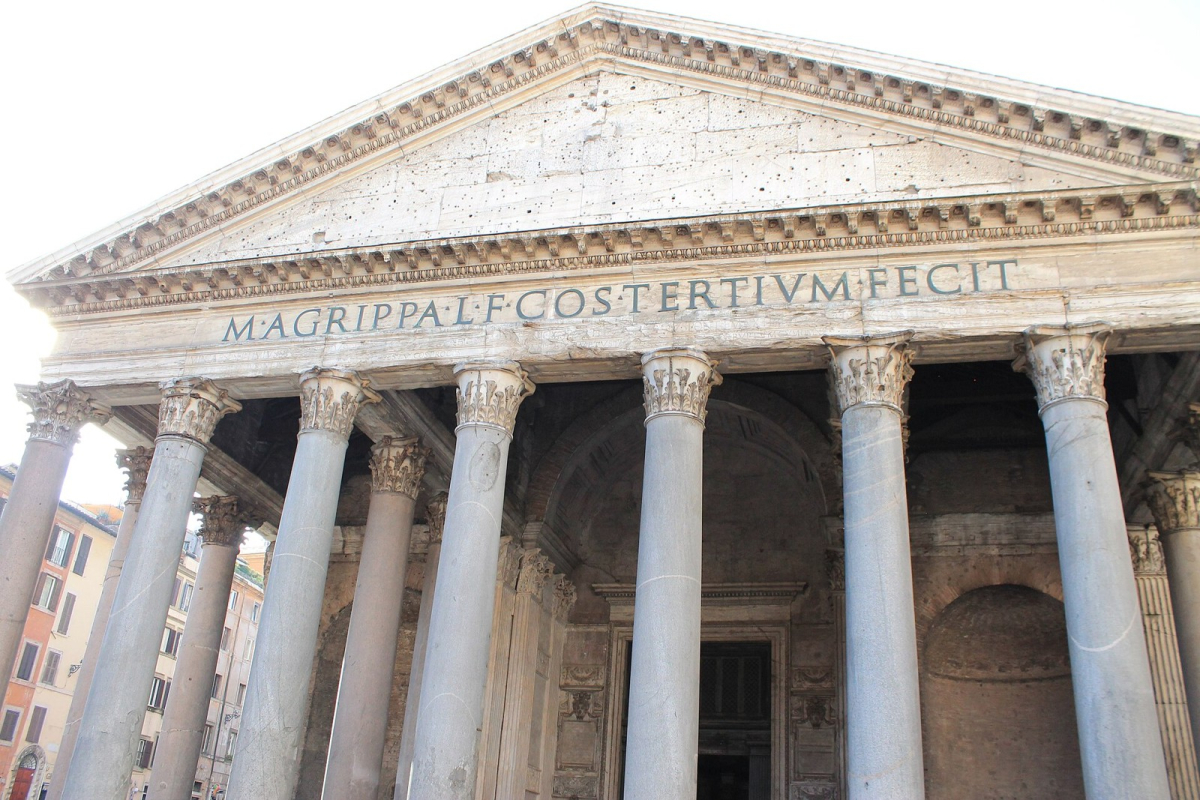
A historic-center base can simplify the unreserved parts of a short trip. You can step out for a walk around the Pantheon, stop for a meal and return to the room without treating every outing as a transport project. That convenience is especially useful when you want a break between daytime sightseeing and dinner.
The trade-off is that old streets and buildings do not guarantee easy luggage access. Check the entrance, lift and room floor. A lift beginning above a flight of stairs may not solve your access needs. Ask about the exact room category, not only the general property description.
Monti is another useful starting point when ancient Rome takes priority. It gives your itinerary a different center of gravity from a Vatican-side hotel. Compare the walk to the Colosseum entrance and the connection to any museum booked on another day.
For a Vatican-focused visit
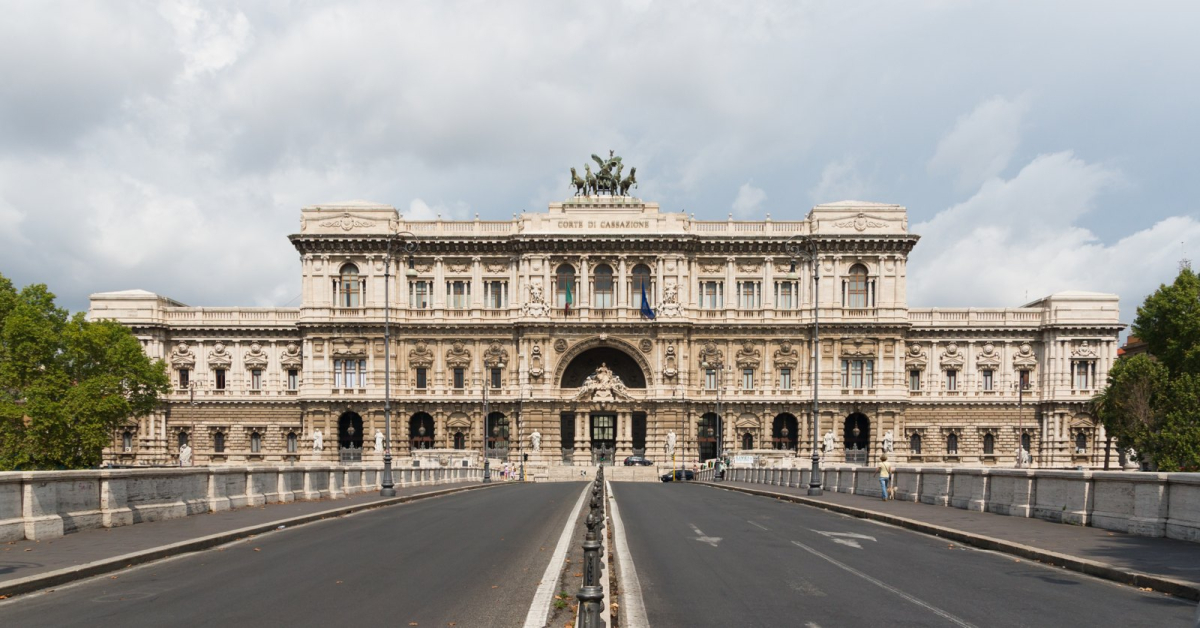
Prati can be practical when your main reservation is at the Vatican Museums or you intend to visit the basilica early. The museum entrance and the square are different destinations. Check both on the map before relying on the description “steps from the Vatican.”
A stay here still needs a plan for ancient Rome and the historic center. A pleasant Tiber crossing may suit one day; on another, a useful public transport connection can matter more. Compare your whole trip rather than optimizing only the first morning.
For train connections and short stopovers
Termini is worth considering for an early onward train, an arrival by Leonardo Express or a brief stop before continuing through Italy. Judge the hotel by the actual entrance and the route from the platforms. “Near Termini” can describe different sides of a large station and different luggage walks.
A lower nightly quote is useful only if the room and location meet your needs. Check recent, specific comments about sound insulation, maintenance, reception arrangements and the room type you are considering. Read recurring details rather than treating a single review as the verdict on a district.
If you are comparing an airport hotel with a city hotel, include both transfers. A city stay can suit a sightseeing night; an airport-area property may suit a very early flight. Confirm the shuttle’s actual operating hours and cost instead of assuming that “airport hotel” means a free ride at any time.
For evening meals in Trastevere
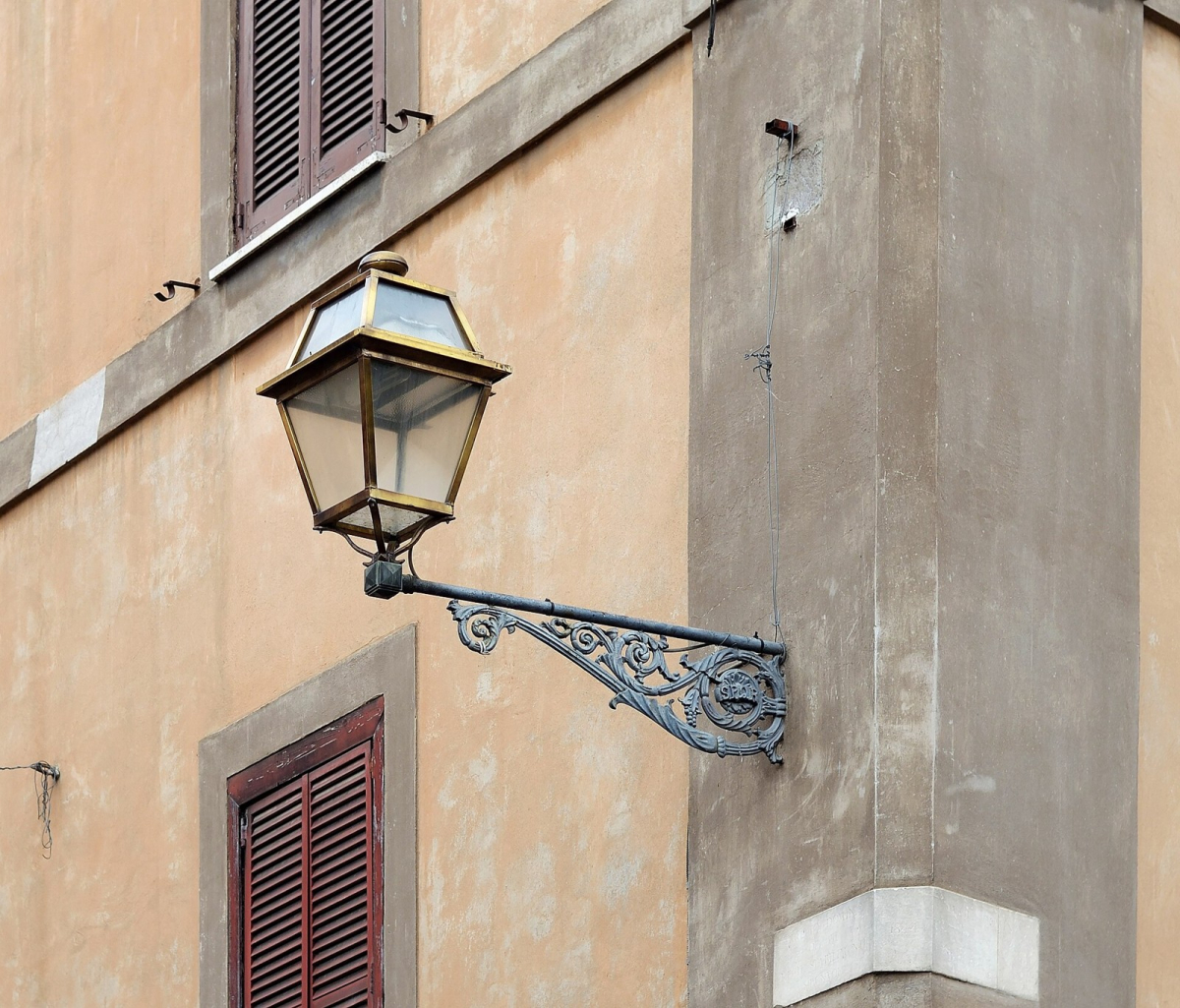
Trastevere appeals when you want to spend more time around neighborhood restaurants and streets after sightseeing. Choose how close you want to sleep to those same evening crowds. A room facing a courtyard can have different noise exposure from one facing a lively square.
Roma Trastevere station is not a promise that your room is beside the district’s central restaurant streets. Check the onward connection and the last leg with luggage. Use the airport transfer guide when deciding whether a regional train or direct vehicle makes sense.
Spanish Steps and the northern historic center
Consider this side of the center if shopping streets, Piazza del Popolo and walks toward Villa Borghese feature in your plans. Decide whether you want to be below or above the Spanish Steps: a short distance on a map may involve a climb. For luggage or a stroller, check a route that avoids stairways rather than assuming the most direct walking line will work.
Testaccio and Ostiense for a longer stay
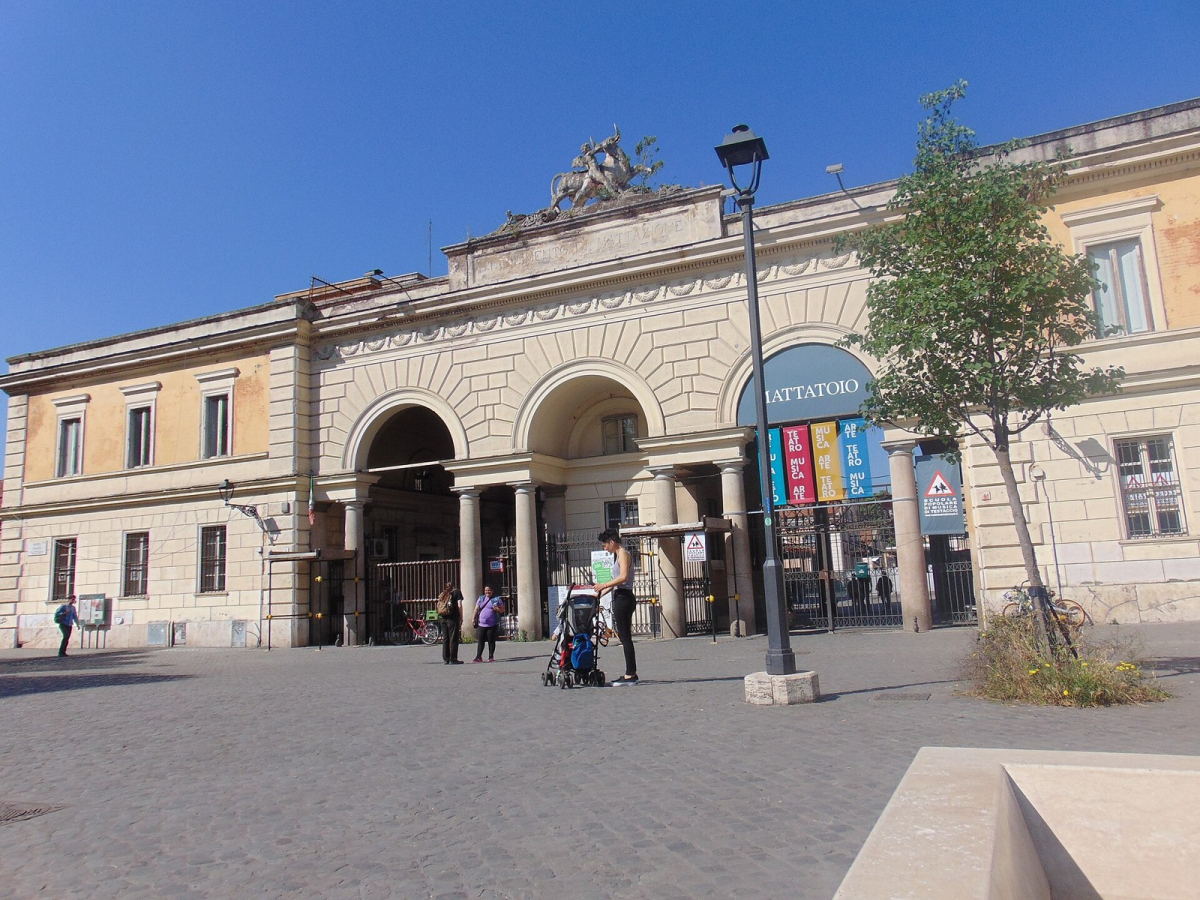
For a trip that extends beyond the main sights, include Testaccio and Ostiense in your search. Piazza Testaccio offers a useful neighborhood reference point. A stay farther south changes your daily journeys: compare the route to Piramide or Roma Ostiense, where relevant, and the connection to each booked attraction using ATAC’s official maps. A lower room quote here is an offer to assess, not a guaranteed district-wide saving.
Match the stay to your travel needs
Families and travelers who need easier access
Begin with a manageable journey home for breaks: a historic-center base for walking days or Prati for a Vatican-heavy itinerary. Confirm the children’s ages, maximum occupancy, cot or extra-bed charges and whether connecting rooms are guaranteed. Ask for the lift-door width, any entrance steps and the bathroom arrangement when these affect your stay. An “accessible” label alone does not describe the route to your particular room.
Couples and travelers who value quiet evenings
Compare a central walking base with Trastevere’s dinner streets, then choose the room exposure deliberately. Ask whether the room faces a courtyard or a busy square and whether a rooftop bar or restaurant sits above it. A terrace or landmark view must belong to the booked room category; photographs of shared spaces do not promise that view from your bed.
Solo travelers
Choose between a private room and a hostel bed using both the full cost and your preferred evening routine. Check reception hours, the building entrance, secure storage and the route back after dinner. For dormitories, confirm bathroom arrangements, locker size, bedding charges and any age or room restrictions. A neighborhood name does not guarantee the suitability of every property on its streets.
Hotel, guesthouse, apartment or hostel?
- Hotel: compare reception coverage, luggage storage and housekeeping for a short stay or a late arrival. Confirm these services for the property you choose.
- Guesthouse or B&B: check whether a host is on site, whether breakfast is included and whether the bathroom is private. Arrival may require an appointment.
- Apartment or serviced apartment: useful to investigate for a kitchen, laundry or more space. Check the actual facilities, final cleaning fee, deposit, key collection and support if something fails.
- Hostel: compare a bed price with a private-room price for your whole party. Inspect storage, bathroom access, quiet-hour rules and the final total.
Turismo Roma’s accommodation information provides an official starting point. The practical checks above apply to the individual listing, whatever its category.
Budget choices and when to book
Compare three real quotes for the same dates and occupancy: your preferred walking area, a property with a useful transport connection, and a simpler accommodation type. Count transfers, breakfast and mandatory extras before accepting the cheapest headline price. A longer commute may cost both money and sightseeing time.
For a one- or two-night visit, prioritizing a base that fits the arrival route and main reservation can be more useful than changing hotels. For a longer stay, give greater weight to laundry, kitchen access and space. There is no universal booking deadline: start checking once your dates are fixed, especially for weekends, holidays or major events. Compare flexible and non-refundable terms, including the cancellation deadline’s local time, before paying.
Choose a base for early and evening photography
Mark the places you intend to photograph before sunrise or after dinner, then test the walking route from the hotel entrance. The Pantheon–Navona area is a starting point for historic-center subjects; Monti for the Colosseum; Prati for the Vatican and nearby Tiber crossings; Trastevere for neighborhood streets. See the Rome photo guides for subject-specific planning.
Confirm how you can leave and re-enter the building outside reception hours, and ask about storing equipment if you arrive before the room is ready. A room advertised with a view does not guarantee an unobstructed shooting angle or access to a rooftop. Ask what your room category actually includes.
Compare the full booking cost
Use the final total for the same number of people and nights. Note the currency, cancellation deadline, payment schedule, breakfast terms and any charges payable at the property. A non-refundable room and a flexible room are different products, even in the same building.
Rome’s accommodation contribution is calculated using the applicable per-person tariff, eligible nights and exemptions. Ask whether it is already in your booking total and request the property’s applicable calculation. See Roma Capitale’s visitor-tax information; do not apply one hotel category’s tariff to every apartment or guesthouse.
For two eligible adults staying three eligible nights, the tax calculation is six times the applicable per-person nightly tariff. This is a formula, not a quoted tax rate. Add the confirmed result to the room cost and arrival transfer before deciding which property is better value.
Per-person accommodation budget: divide the shared room total by the number of paying guests, then add that person’s own applicable visitor tax and their share of other charges. For a nightly comparison, use the nightly room price divided by the guests sharing it, plus each guest’s applicable nightly tax. Do not divide an already per-person tax by the guest count again.
Questions to ask before paying
- Does the booked room have the bed arrangement and occupancy your party needs?
- Is there step-free access from the street to the room, bathroom and breakfast area if required?
- What are the check-in arrangements for your actual arrival time?
- Can you leave luggage before check-in or after checkout, and is there a charge?
- How are cooling or heating controlled during your travel dates?
- Which taxes and mandatory charges are excluded from the advertised total?
- What happens if your flight is delayed or you arrive after reception closes?
Where to stay in Rome: frequently asked questions
Is Termini a good base for a first visit?
It can be practical when arrival and onward trains are your priorities. Compare the exact station-to-hotel walk and your sightseeing journeys with a historic-center or Monti option before deciding.
Should I stay near the Vatican or the Colosseum?
Choose around the attraction that takes most of your time or requires your earliest start: Prati for the Vatican side, Monti for ancient Rome. If both are single visits, a central base that works for dinners and the rest of your itinerary may matter more.
Is an apartment always cheaper than a hotel?
No. Compare the final total for your dates and party, including cleaning, deposits where applicable, breakfast and transfers. A kitchen is useful only if it matches how you intend to eat during the trip.
Can I rely on “walking distance” in a hotel listing?
Check the exact entrance-to-entrance route. Steps, gradients, luggage and the entrance used by your attraction booking can change how practical that walk is.
Find accommodation for your dates
Use the area comparison above to narrow the search, then compare the full booking conditions for the room you would actually reserve.
We may earn a commission if you book through our Booking.com links.
Search Rome accommodation on Booking.com
After choosing your base, arrange airport transport and reserve your priority Rome attractions. Keep the arrival evening manageable, especially after a long flight.
Longer Stays: Check Everyday Facilities, Not Only Nightly Price
For a week or longer, compare a hotel with an apartment using the complete payable total and the work you will actually do. A kitchen matters if you intend to cook; a laundry listing should identify an in-unit machine or a nearby paid service. Ask about the desk, natural light, quiet hours and support if internet or an appliance fails. A shared connection described as Wi-Fi is not a guaranteed working speed.
Testaccio and Ostiense merit comparison when local shopping and a neighbourhood routine matter more than reaching every monument on foot. Prati can suit repeated Vatican-side visits; a central base can simplify short daily outings. Check grocery access, waste arrangements, the building entrance and transport after dinner. Longer accommodation does not itself grant a right to work or stay beyond the entry permission that applies to you; use the official entry checks separately.
Once you choose the district and room requirements, compare the separate Rome hotel selection. That page handles individual properties rather than repeating the neighbourhood guide.
Further Existing Property Links to Compare
For a Prati-side search, the guide’s existing Hotel Isa listing on Booking.com remains an option to inspect. Hotel Twenty One’s official site provides another property to compare. Check current rooms, services and the complete offer rather than treating these links as an inspected ranking.
We may earn a commission if you book through our Booking.com links.



