
ITALY · ROME GUIDE
Rome Fast Facts: Geography, Language and Everyday Details
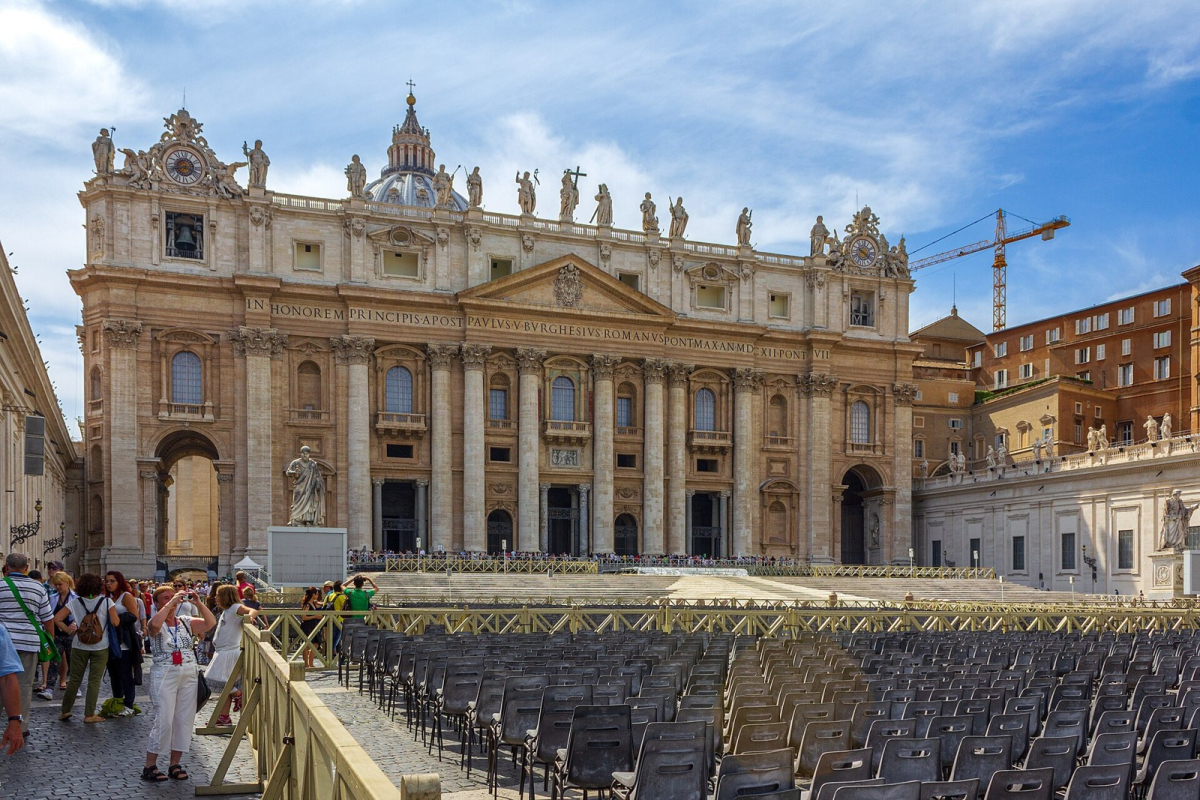
Rome at a glance
| Topic | What to know |
|---|---|
| Country and region | Italy; Rome is in Lazio. |
| Local name | Roma. Use Italian station and street names when checking directions. |
| Language | Italian. English is useful in visitor services, but cannot be assumed everywhere. |
| Currency | Euro (€). Compare the full price and ask whether accommodation tax is included. |
| Time zone | Central European Time in winter and Central European Summer Time during daylight saving time. |
| Airports | Fiumicino (FCO) and Ciampino (CIA). They require different transfers. |
| Emergency number | 112, dialed without a country or area prefix in Italy. |
| Vatican City | A separate sovereign state within Rome’s urban area; museum and basilica visits have different arrangements. |
Understand the city before choosing a hotel
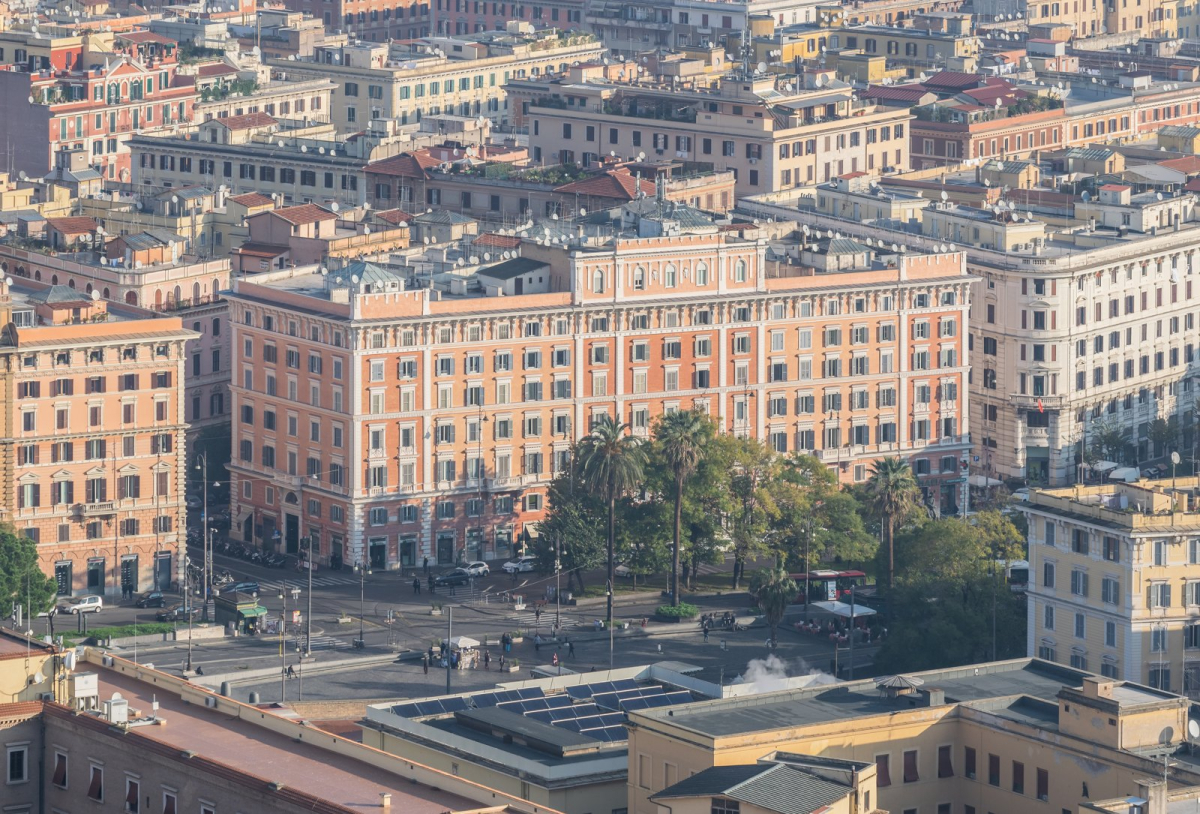
The historic center is one part of a much larger city. An address described as “Rome” may be convenient for the Pantheon, beside a rail station, or far from the places you intend to visit. Start with the street address, then check the route from the airport and the journey to your first booked attraction.
The Colosseum and Forum form an ancient-Rome sightseeing area. The Pantheon and Piazza Navona are useful landmarks for central walks. The Vatican is on the other side of the Tiber from much of the historic center. Termini is a transport hub; Trastevere is a different district from the station called Roma Trastevere. These distinctions matter more to a short trip than municipal boundary statistics.
Use the Rome map and orientation guide to connect the areas, then compare the best areas to stay for your itinerary. A central hotel can reduce walking between sights, but its entrance may still be a long way from a metro station.
Rome, Vatican City and the Vatican Museums
Booking the Vatican Museums does not reserve every Vatican attraction. The museum route includes the Sistine Chapel; St. Peter’s Basilica has its own entry process, and the dome is a separate decision. Do not build a schedule around an assumed shortcut between them.
Ordinary entry to St. Peter’s Basilica is free, although optional services and dome access can cost extra. The museums charge admission and an official online booking fee. Check the basilica’s entry guidance and Vatican Museums ticket information before purchasing a package.
Money, documents and useful details
Think of euro prices as the starting point for comparison. A room rate may exclude the visitor tax; a restaurant bill may include a stated cover or service charge; an airport taxi price may depend on whether your address is inside a defined fare zone. Read the scope of the price before comparing it with another option.
Keep your accommodation address and a reachable host or reception number offline. Save the Italian spelling of your street and the correct entrance instructions. An apartment building name, buzzer code or courtyard entrance can matter as much as the postcode.
For electronics, check the voltage range printed on each device and bring an adapter compatible with the sockets at your accommodation. An adapter changes the plug shape; it does not convert voltage. Ask the property about any equipment that is essential for your stay.
Small language details that help
- Buongiorno / buonasera: good morning or good day / good evening.
- Per favore / grazie: please / thank you.
- Il conto, per favore: the bill, please.
- Stazione / fermata: station / stop.
- Uscita / ingresso: exit / entrance.
A greeting before a question makes everyday exchanges easier. Show the written address when pronunciation is uncertain. At a ticket machine or station, confirm the destination and departure rather than relying only on a familiar-looking place name.
What to plan next
Choose your season with the weather and best-time guide, reserve the sights you most want to enter, and match your arrival transfer to your hotel. The main Rome travel guide brings those decisions into a three-day itinerary.
For visa checks, safety, payment choices and help if something goes wrong, continue to Rome Travel Tips. Treat facts as orientation; use the relevant operator or authority for the conditions of a booking or entry requirement.


