
ITALY · ROME GUIDE
Shopping in Rome: Local Gifts, Crafts and Where to Buy
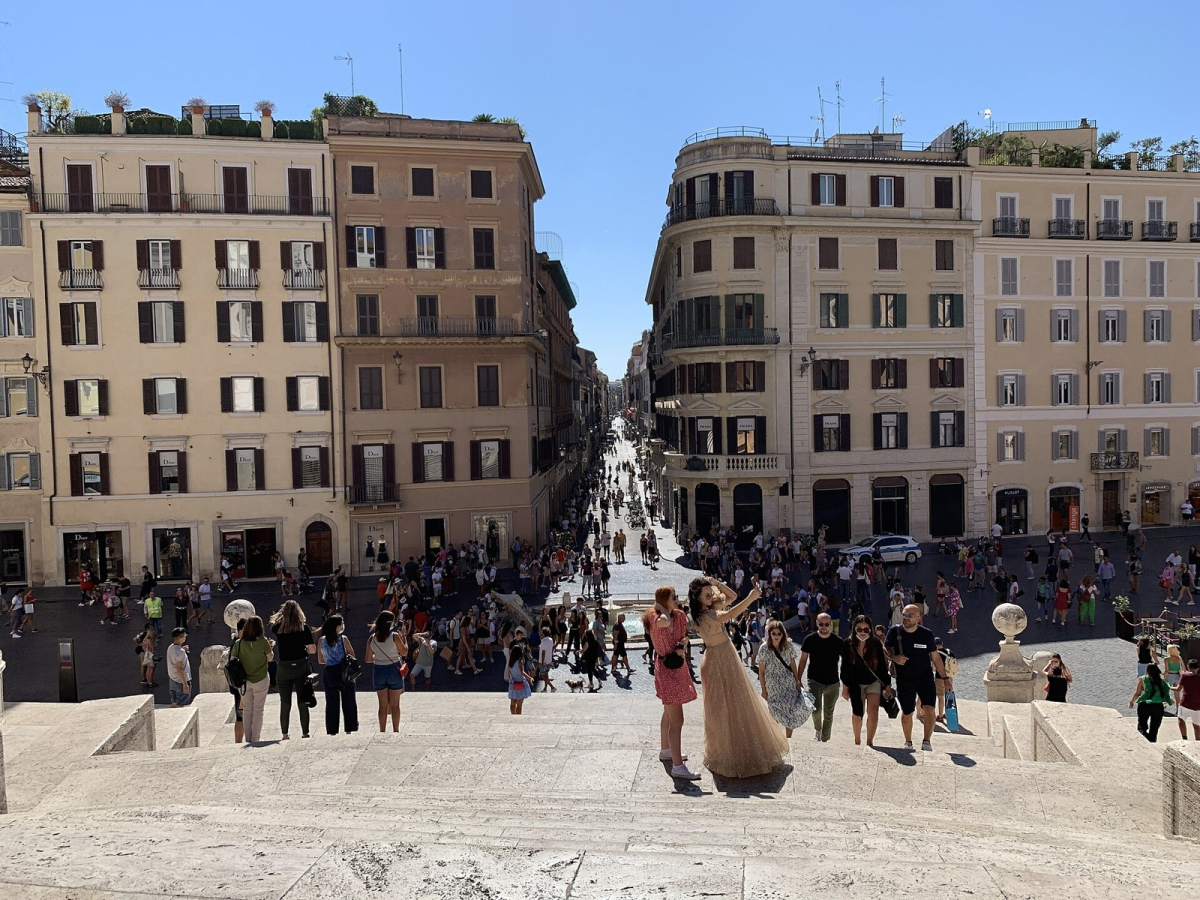
Buy for the person who will use the gift, then ask where and how it was made. Rome has local food businesses, workshops and historic retailers as well as Italian products from other regions and international brands. A souvenir depicting the Colosseum is not necessarily made in Rome. This guide focuses on things you can choose deliberately, inspect and carry home.
Choose a Gift That Fits the Recipient
| Gift | Choose it for / inspect / carry |
|---|---|
| Coffee or packaged pantry goods | For: Someone who cooks or makes coffee at home Inspect: Grind, roast/packing date, origin and ingredient label Carry: Keep labels and check your destination’s food-import rules |
| Italian paper and notebooks | For: Writers, sketchers and a light-packing traveller Inspect: Paper weight, binding, intended pen/paint use and manufacture Carry: Keep flat and dry; protect corners |
| A small workshop-made object | For: Someone who values the maker and process Inspect: Maker identity, materials, repair and production location Carry: Glass, brass and moving parts need different protection |
| Ceramics | For: Someone who wants a useful or decorative piece Inspect: Workshop, region, glaze and suitability for food use Carry: Request rigid protective packaging; compare shipping |
| Jewellery or a devotional object | For: A recipient whose style or religious use you know Inspect: Material, hallmark where relevant, producer and written receipt Carry: A blessing or religious symbol is not proof of precious metal |
Coffee and Edible Gifts: Choose Labels Before Packaging
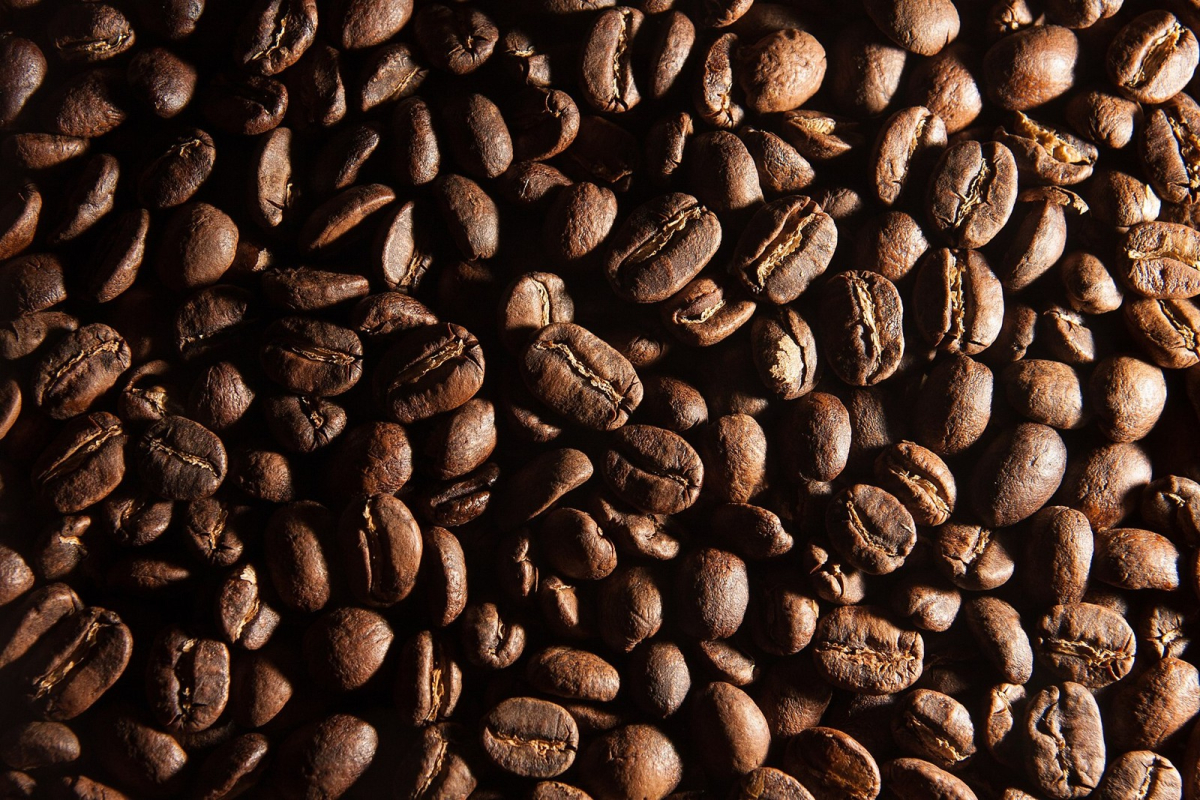
Coffee can travel more easily than a fresh pastry, but only if its grind matches the recipient’s equipment. Whole beans, moka grind and espresso grind are not interchangeable. For packaged pantry goods, compare producer, region, ingredients and best-before date. Pecorino Romano is a protected regional product whose name does not mean it was made within the city of Rome; ask for the actual producer and appropriate storage advice.
Castroni’s historic Via Cola di Rienzo shop is useful for comparing packaged products, including goods from beyond Italy; inspect each origin rather than treating its shelves as exclusively Roman. For bakery purchases, Antico Forno Roscioli is a separate stop near Campo de’ Fiori. Fresh food is better bought close to departure and only when your transport and destination rules permit it. Restaurant choices and tasting meals belong in Food & Drink.
Paper and Stationery: An Italian Gift You Can Use

Fabriano is associated with papermaking in the Marche region, not with manufacture in central Rome. Its Rome shop is useful for comparing notebooks and paper products in person. Choose by use: a travel journal needs a practical size and durable binding; sketching and watercolour need suitable paper. Ask which products are made in Italy and check the individual label.
For a gift, consider the recipient’s pen, paper size and whether a heavy notebook will travel comfortably. Put sheets or prints in a rigid folder and keep them away from liquids. Museum books and contemporary prints are alternatives when the subject matters more than a general souvenir, but a reproduction should be labelled accurately.
Workshop Objects, Ceramics and Jewellery
Polvere di Tempo in Trastevere makes and sells objects associated with time and navigation, including hourglasses and sundials. Ask what is made in the workshop, what is sourced elsewhere and how the particular piece should be used. A decorative historical instrument is not automatically a precise modern navigation tool. Check availability directly before crossing the city for one design.
For ceramics, ask the workshop or retailer to identify the maker and regional origin. Italian ceramics sold in Rome may come from places such as Deruta; that can be a worthwhile purchase when represented accurately. Check whether a piece is decorative or suitable for serving food, and request packing that protects handles and projecting edges. For higher-value jewellery, ask for written material information, an itemised receipt and any applicable hallmark explanation.
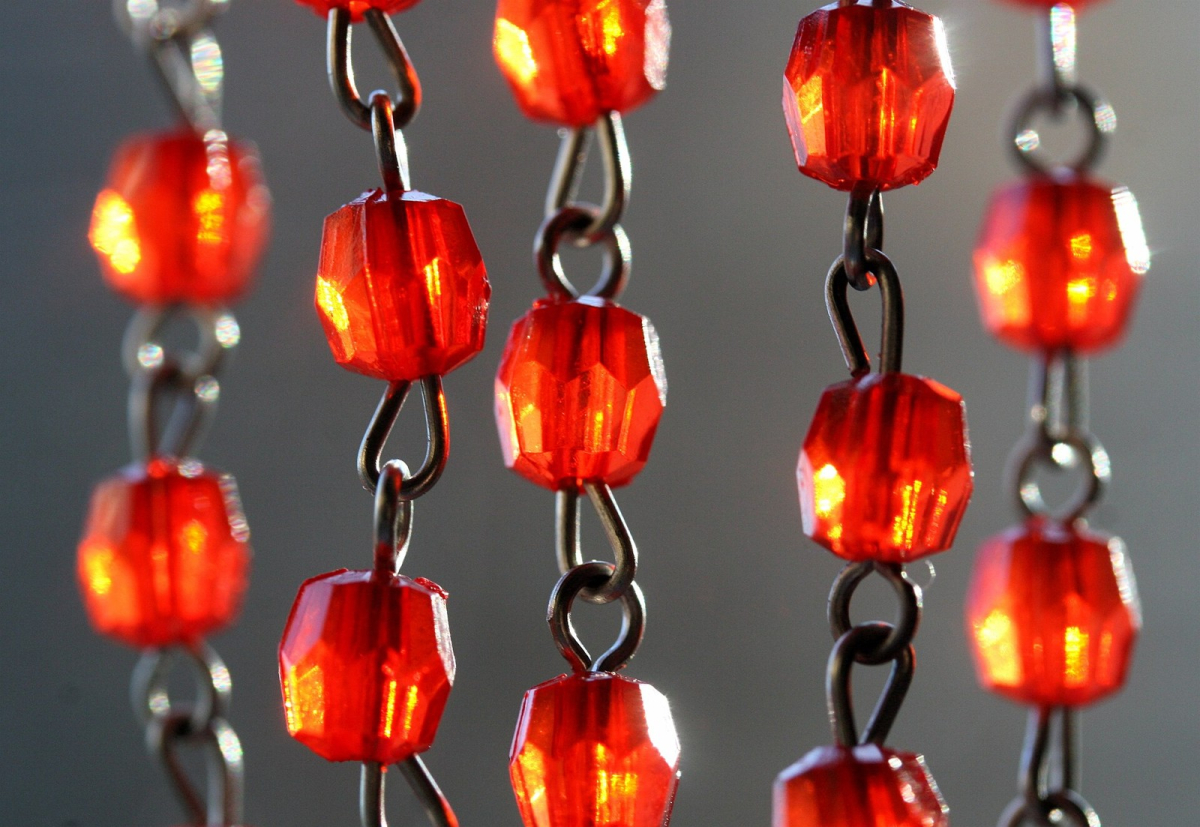
For rosaries or other devotional objects, choose materials and intended use with the recipient in mind. A religious design does not establish the object’s origin, metal content or institutional approval. The photograph illustrates the product type; it does not show stock from any shop listed here.
Verified Shops and Areas to Compare
| Stop / area | What to look for and where |
|---|---|
| Castroni | Look for: Coffee and packaged pantry gifts; inspect each origin Address / planning: Via Cola di Rienzo 196–198, Prati |
| Fabriano Boutique | Look for: Paper and stationery; an Italian brand rooted in Marche Address / planning: Via del Babuino 173, northern historic centre |
| Polvere di Tempo | Look for: Workshop instruments and decorative timepieces Address / planning: Via del Moro 59, Trastevere; confirm workshop/visit needs directly |
| Antico Forno Roscioli | Look for: Bakery purchases nearer departure Address / planning: Via dei Chiavari 34; distinct from the salumeria/restaurant |
| Buccellati | Look for: Fine jewellery; request material and appointment details Address / planning: Via dei Condotti 31, according to the manufacturer’s current locator |
| Via dei Coronari / Monti | Look for: Antiques, independent shops and browsing Address / planning: Compare individual dealers and provenance; no blanket authenticity claim |
For fashion, Via dei Condotti and neighbouring streets offer a different shopping purpose from Via del Corso’s mix of chains. Prati’s Via Cola di Rienzo can fit a Vatican-side day; Trastevere makes more sense when you want a particular workshop. Markets are useful for comparison but the stall’s location alone does not verify who made an item.
A Shopping Route That Leaves Room for Browsing
For paper and a historic-centre browse, start at Fabriano on Via del Babuino, continue toward Via dei Condotti and Via del Corso, then decide whether to extend toward the Pantheon and Via dei Coronari. Allow about two to three hours including browsing as an editorial estimate; this is not a promise of current walking time or shop opening. Buy fragile items near the end, or arrange to collect them later.
Treat Polvere di Tempo as a separate Trastevere branch rather than a compulsory detour with shopping bags. If you are already staying or visiting on the Vatican side, begin with Castroni in Prati instead. Choose one route that fits your day; crossing Rome to collect every shop would add carrying and travel without necessarily improving the gift.
Opening Days, Appointments and Carrying Purchases
Small shops and workshops may close for lunch, weekly rest days or holidays. Confirm the current day and hours with each business before travelling; for a bespoke object or jewellery consultation, ask whether an appointment is needed. A listed address is evidence of the place to check, not a guarantee that every counter or workshop is open without notice.
Keep the receipt and written maker/material details for valuable goods. For ceramics and glass, ask for internal cushioning and a rigid box, then compare the shipping quote, insurance and who handles import charges. Check your airline’s baggage rules for tools, liquids and fragile items. For food, use the arrival country’s customs guidance before buying meat, dairy or plant products; a sealed retail pack does not automatically make an item admissible.
Tax-free shopping eligibility and export validation depend on the traveller, purchase and route. Confirm the current official procedure if it matters to your purchase rather than counting an unverified refund as a discount. Allow the required airport time and retain the goods and documents as instructed.
Combine one shopping area with a nearby experience and use Getting Around for the return with bags. The aim is a gift you can identify and carry safely, not a longer checklist.



