
ITALY · ROME GUIDE
Rome Attractions: What to See and Book
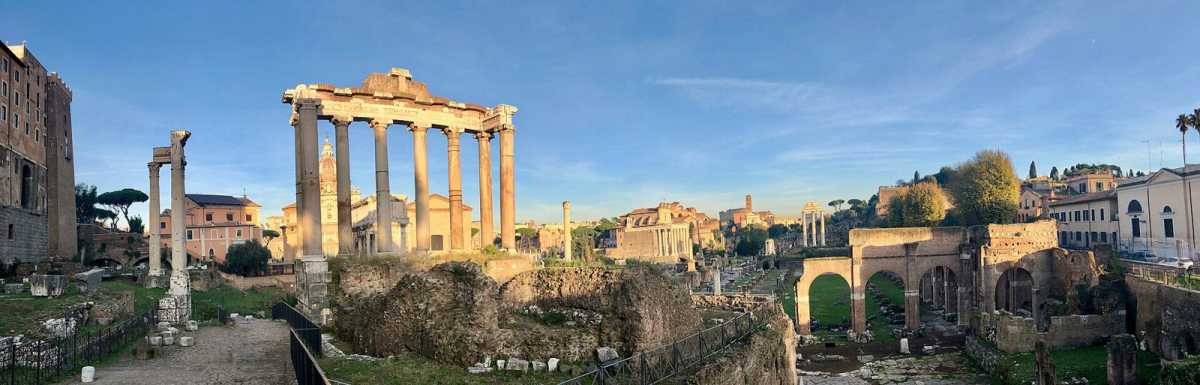
Rome’s most useful sightseeing plan combines a few reserved interior visits with time outside them. The Colosseum and Forum belong together; the Vatican deserves a separate block; the Pantheon, Trevi Fountain and Piazza Navona fit a central walking day. Choose the interiors that matter most to you before collecting more stops.
This guide helps you compare the visits and their practical demands. For the overall three-day schedule, use the Rome travel guide. For the route between areas, use the map and orientation guide.
Choose your sightseeing priorities
| Priority | Good starting choice | How to organize it |
|---|---|---|
| Ancient Rome | Colosseum, Roman Forum and Palatine | Reserve a Colosseum slot; read the linked ticket’s archaeological-area validity. |
| Major art collections | Vatican Museums or Galleria Borghese | Choose a museum you want to spend time in and reserve its entry. |
| Architecture and squares | Pantheon, Piazza Navona and Trevi Fountain | Keep the walk flexible; separate paid or controlled entry from viewing the surrounding square. |
| Vatican architecture | St. Peter’s Basilica and square | Allow for security, worship and the separate arrangements for the dome. |
| City views and local streets | Capitoline Hill, Tiber walks and Trastevere | Use these to complement a major visit rather than adding another full museum route. |
Colosseum, Roman Forum and Palatine
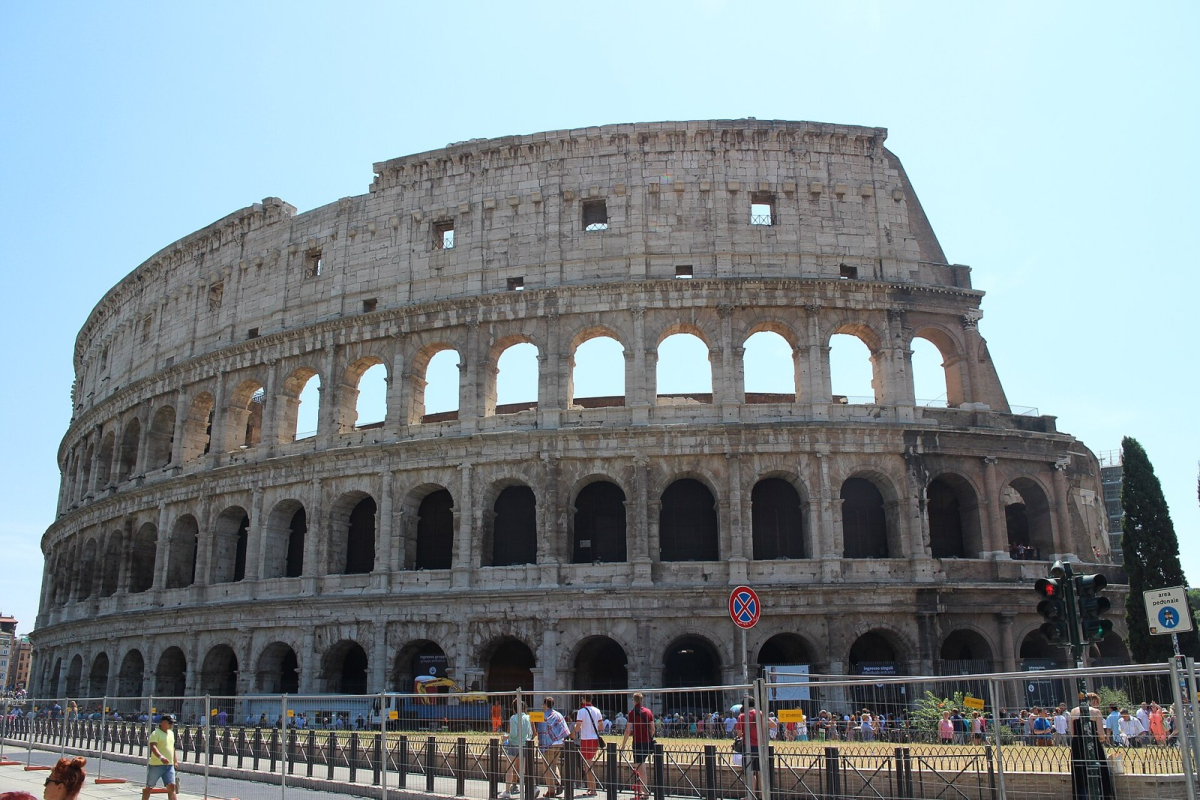
The Colosseum is the obvious anchor for an ancient-Rome day, but the Forum and Palatine explain the wider city around it. Book a ticket for the type of visit you actually want. Arena and underground access are different products from standard admission; an image of those areas on a reseller page does not establish that your ticket includes them.
The standard €18 ticket has a timed Colosseum entry and permits the Forum and Palatine visit within the specified 24-hour period before or after that slot. The official conditions limit time inside the Colosseum to 75 minutes. See the archaeological park’s standard ticket conditions before arranging the sequence.
For the whole ancient-city area, reserve a substantial part of the day rather than interpreting the Colosseum limit as the duration of every included visit. The archaeological grounds are extensive. Carry water, choose footwear for uneven surfaces and use the seasonal weather guide when deciding the order.
Approach the Forum as a landscape of remains rather than a single building with one viewpoint. A guide or an appropriate explanatory resource can help you understand the connections between structures. If your party is mainly interested in the amphitheater, acknowledge that preference and leave the rest of the day lighter.
What to look for: Start with the amphitheater’s stacked arches and the contrast between seating tiers and the exposed arena substructures. In the Forum, use the Arch of Titus, Temple of Saturn and surviving temple columns as landmarks rather than trying to identify every fragment. The Palatine adds the remains of imperial residences and a wider view across the archaeological landscape. Check which interiors your exact ticket includes.
- Allow: 3–4 hours for the combined archaeological area, plus entrance checks. The standard ticket limits the Colosseum portion to 75 minutes.
- Getting there: Colosseo station; follow the entrance printed on your ticket.
- Booking: Reserve the timed Colosseum entry; arrive at least 15 minutes beforehand as the park advises.
- When to go: Choose an early slot in hot weather, subject to availability; the Forum has long exposed stretches.
- Combine with: Arch of Constantine, Capitoline Hill and a meal in Monti.
- Photo note: For an exterior scene, use the public approach around Piazza del Colosseo. Include the Arch of Constantine only where paths remain clear; after dusk the illuminated arches offer a different composition. See the photo guide and larger images.
Vatican Museums and the Sistine Chapel

The Vatican Museums are a major museum visit, with the Sistine Chapel part of the route. They suit visitors ready to spend sustained time among collections and corridors. They are a demanding addition to a day already filled with walking.
Standard adult admission is €20, with a €5 official online reservation fee. Check the official Vatican Museums ticket page for your category and date. A booked entry does not eliminate security screening or guarantee that every gallery is available.
Photography and filming are prohibited in the Sistine Chapel. Elsewhere, observe the museum’s restrictions on flash and equipment. Read the official visitor guidance for dress, bags and photography before you arrive.
Keep the rest of the day nearby. A meal on the Vatican side of the river is more practical than racing across Rome for another timed museum. Add the basilica only if the separate entry arrangements and your remaining energy make that realistic.
What to look for: Make the Gallery of Maps, Raphael Rooms and Sistine Chapel your starting shortlist. The maps turn a long corridor into a geographical portrait of Italy; the Raphael Rooms reward looking at complete wall compositions. In the chapel, allow time for Michelangelo’s ceiling and Last Judgment. Availability and the permitted route can change, so consult the museum’s collection overview and day-of-visit notices.
- Allow: 3–4 hours for a selective first visit, plus security; longer if art is your main interest.
- Getting there: Museum entrance on Viale Vaticano; Ottaviano or Cipro station, then a walk. St. Peter’s Square is a different entrance.
- Booking: Book a dated entry through the museum’s official sales channel or a clearly described tour.
- When to go: An early available slot can leave more energy for the galleries. Check the official calendar before choosing a day.
- Combine with: Prati for lunch; St. Peter’s only with a separate time and security allowance.
- Photo note: Use photography only in permitted galleries; no photographs or filming in the Sistine Chapel. Plan outdoor photographs separately. See the photo guide and larger images.
St. Peter’s Basilica and square
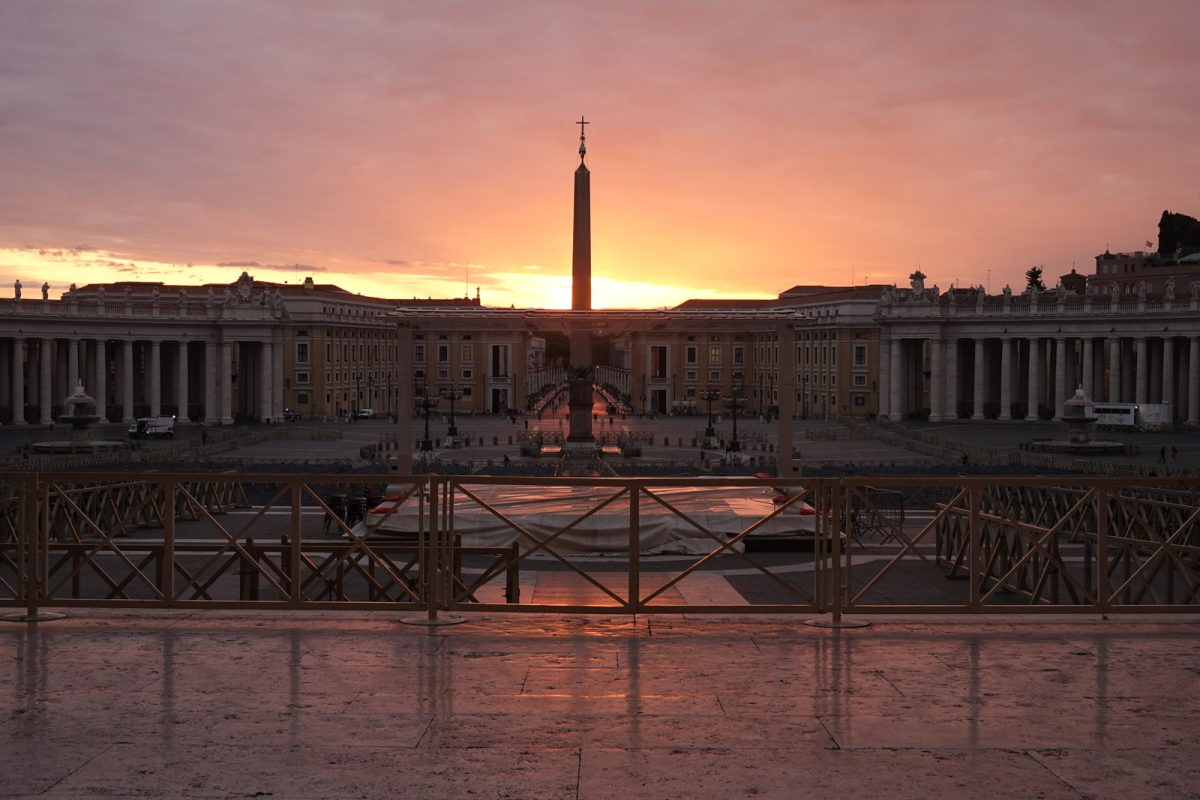
The basilica, its square and the museums serve different purposes. Ordinary basilica entry is free; optional reservation services and the dome are separate. Confirm the options through the basilica’s official admission guidance rather than assuming a paid package is required for every visit.
Allow time for security and respect religious services. Cover appropriately for a working place of worship. If stairs or prolonged standing are difficult, examine the details of any dome product before booking; a lift option is not a promise that the entire route has no steps.
What to look for: Inside, seek out Michelangelo’s Pietà, Bernini’s bronze baldachin and the scale of the nave beneath the dome. Outside, the colonnades frame the square and its central obelisk. The dome climb is a separate physical commitment and should be chosen deliberately.
- Allow: 1–1.5 hours for the basilica and square, with security added; allow an additional 1–1.5 hours if climbing the dome.
- Getting there: St. Peter’s Square; approach from Ottaviano through the Vatican-side streets.
- Booking: Ordinary entry is free. Optional timed reservation services and the dome have separate terms.
- When to go: Try an early visit on an ordinary opening day; religious events can change access and crowd patterns.
- Combine with: Borgo streets, Castel Sant’Angelo or a Prati meal.
- Photo note: From the square, frame the basilica with the colonnades. A dome photograph requires the separate climb; respect worship and posted indoor rules. See the photo guide and larger images.
Pantheon: an interior worth planning
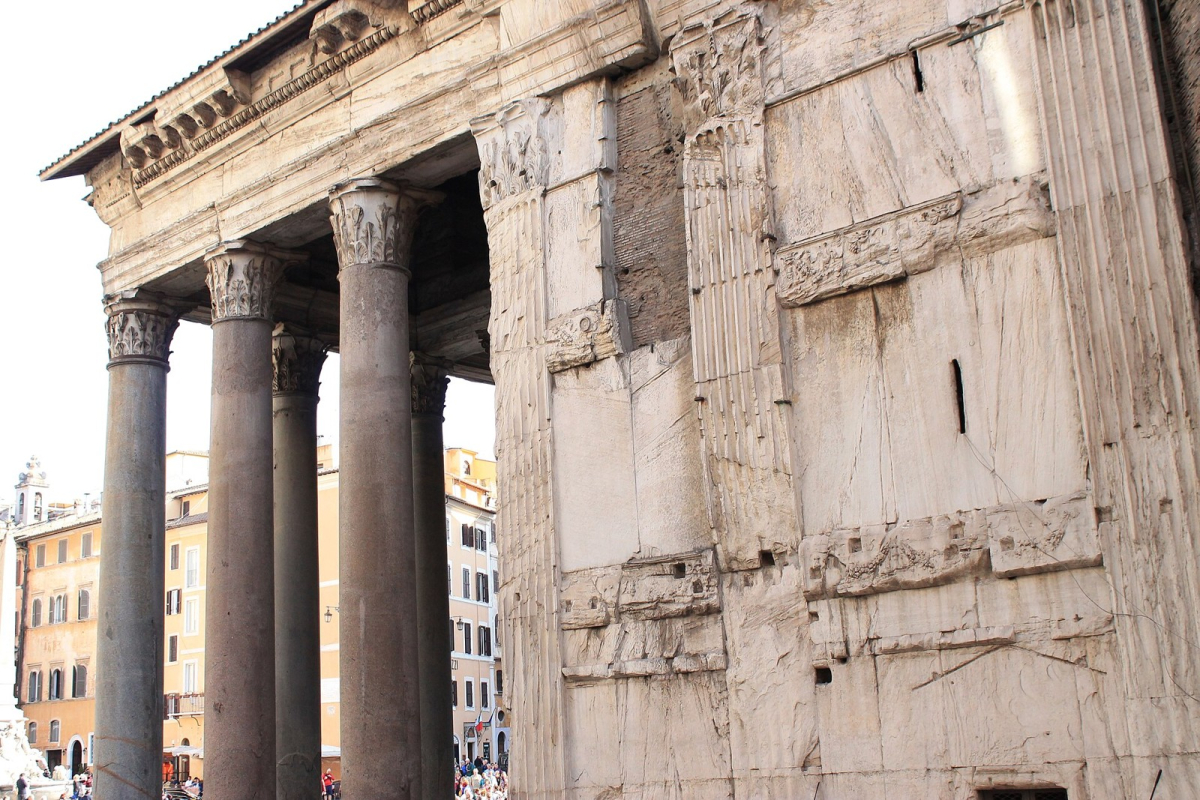
The portico, piazza and interior offer different experiences. The square can be part of a flexible central walk; entering the building requires following its current visitor arrangements. Leave yourself time to notice the scale of the dome instead of treating the interior as a quick photo errand.
Standard admission is €7, effective July 1, 2026. The official visitor page states that the Pantheon is outside the Roma Pass and Omnia circuits. The official museum page lists reduced and free categories and directs purchases to Musei Italiani or the on-site facilities. Religious celebrations can affect access. Consult the Pantheon’s official visitor information for current terms.
What to look for: Look upward from the circular interior to the oculus, then notice how the coffered dome, colored stone surfaces and monumental portico create different scales. The building’s continued religious use is part of its story. Raphael’s tomb is another reason to slow down rather than only taking a wide photograph.
- Allow: 30–45 minutes inside, plus entry time and a short pause in Piazza della Rotonda.
- Getting there: Piazza della Rotonda; approach on foot from Piazza Navona or Trevi.
- Booking: Use Musei Italiani or the official on-site ticket facilities and respect your chosen slot.
- When to go: Pick a slot that fits the central walk; services can interrupt tourist admission.
- Combine with: Piazza della Minerva, Piazza Navona and nearby cafés.
- Photo note: Use the opposite side of the piazza for the portico and surrounding buildings. Inside, keep the oculus within the frame without obstructing visitors or worshippers. See the photo guide and larger images.
Trevi Fountain: sculpture and close-access choices
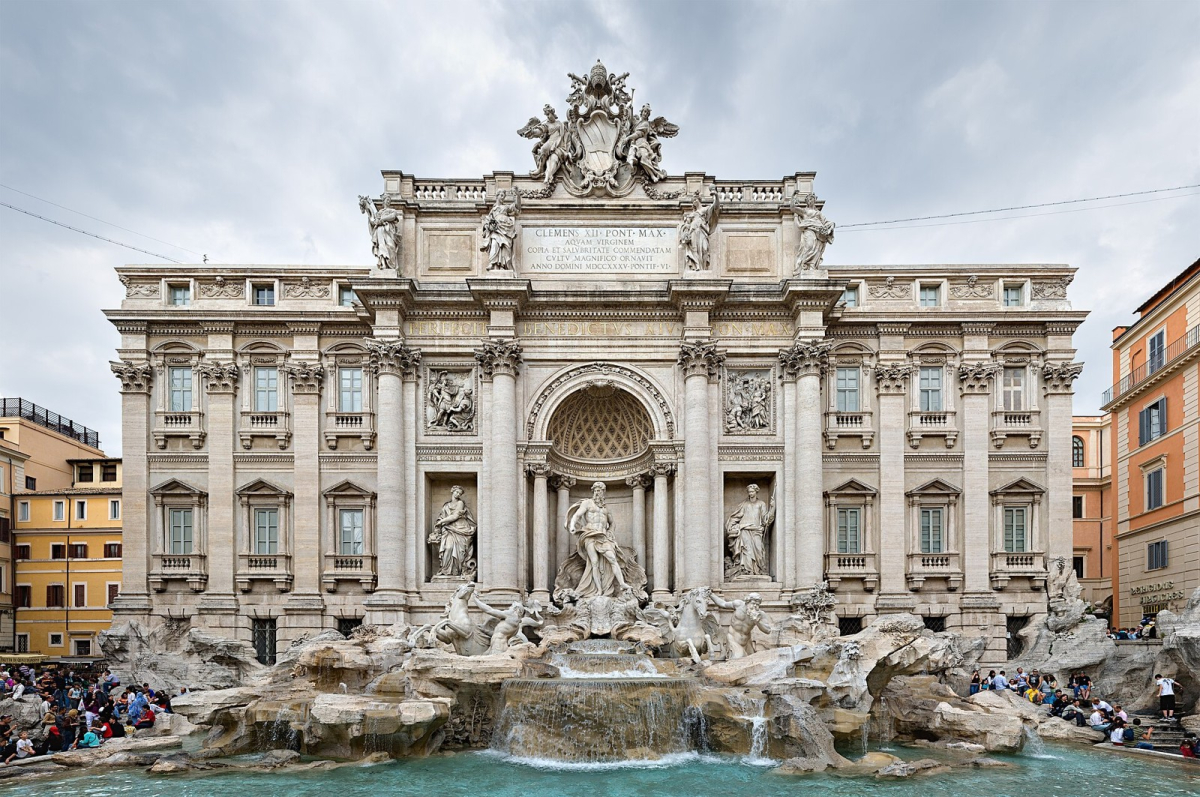
The fountain is a theatrical façade as much as a pool of water. Look at the central figure of Oceanus, the shell-shaped chariot, horses and contrasting rock textures. First take in the whole setting from the surrounding square, then decide whether the controlled basin visit matters to you.
The closest controlled basin area costs €2 for non-exempt visitors under the arrangements introduced on February 2, 2026. The published paid-entry period is 9 a.m.–10 p.m., with occasional changes for maintenance or public order. The surrounding square is a separate viewing area. Check Turismo Roma’s official access information for exemptions and the official purchase link.
- Allow: 20–30 minutes for a square-side stop; allow extra for the controlled area and queues.
- Getting there: Piazza di Trevi; walk from Barberini station or the Pantheon area.
- Booking: Decide whether to buy controlled basin access; no tour is needed simply to view the fountain from the square.
- When to go: Early morning may make framing easier. Evening illumination is attractive but can draw heavy crowds.
- Combine with: Pantheon, Spanish Steps and the central walking route below.
- Photo note: Try a whole-façade view and a tighter sculpture detail from permitted positions. Protect equipment in the crowd and keep exits clear. See the photo guide and larger images.
Piazza Navona: fountains and the shape of the square
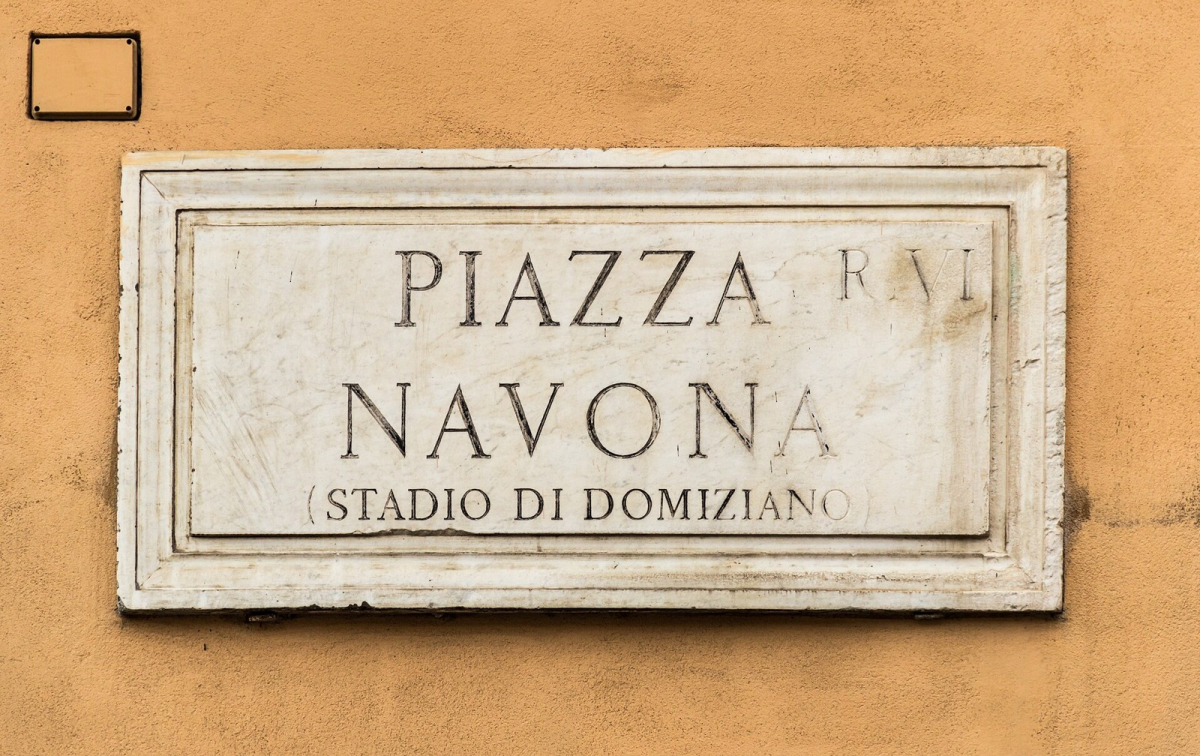
Notice the long oval plan inherited from the Stadium of Domitian. Bernini’s Fountain of the Four Rivers gives the center a sculptural focus, with the façade of Sant’Agnese in Agone behind it. Walk toward the other fountains to see how the square’s proportions change. This is an outdoor stop that can absorb a short detour or a longer coffee break.
The square is freely accessible; church or archaeological visits have their own arrangements. Turismo Roma’s Piazza Navona overview explains the setting and surviving stadium remains.
- Allow: 20–40 minutes outdoors, longer for a café or an interior visit.
- Getting there: Piazza Navona; approach on foot from the Pantheon or Corso Vittorio Emanuele II.
- Booking: No reservation for the public square; check separate venues before adding an interior.
- When to go: Early morning for a quieter wide view; late afternoon for a walk with a meal nearby.
- Combine with: Pantheon, Campo de’ Fiori and the lanes toward the river.
- Photo note: Use a fountain as foreground and leave room for the church and sky. Walk to the end of the square for a composition showing its elongated shape. See the photo guide and larger images.
Spanish Steps and Piazza di Spagna
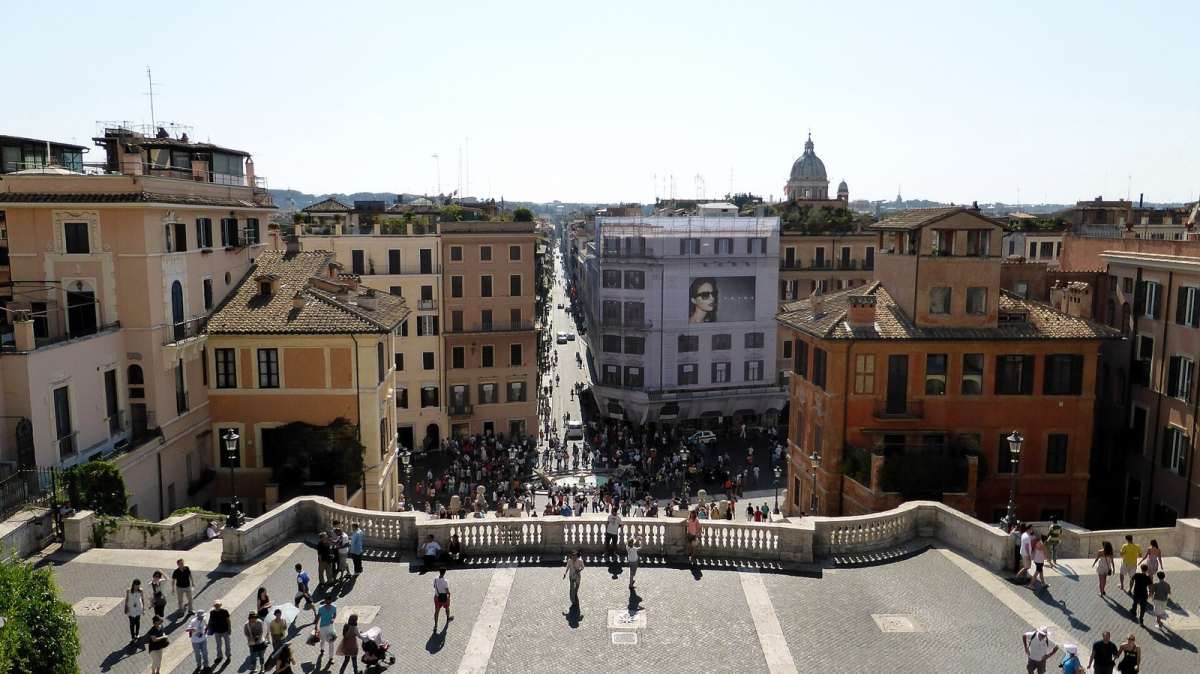
The staircase rises from the Barcaccia fountain toward Trinità dei Monti, creating one of Rome’s clearest layered urban views. Enjoy the piazza at ground level, then climb only if the steps suit your party. The nearby shopping streets and an optional walk toward the Pincio make it easy to extend this stop.
The outdoor staircase and piazza are free to visit. Treat the steps as a route and monument, keep moving and follow posted rules; plan your seated break elsewhere. See Turismo Roma’s Spanish Steps overview for the setting.
- Allow: 20–30 minutes; add time for the Pincio or Villa Borghese.
- Getting there: Spagna station and Piazza di Spagna.
- Booking: No ticket for the outdoor steps; nearby museums are separate visits.
- When to go: Early morning for an uncluttered composition; check light on arrival because neighboring buildings cast shadows.
- Combine with: Trevi Fountain, Via dei Condotti and Villa Borghese.
- Photo note: Frame the staircase from the piazza with the fountain in front. The upper level gives a different view, but requires a climb. See the photo guide and larger images.
Galleria Borghese and other museum choices
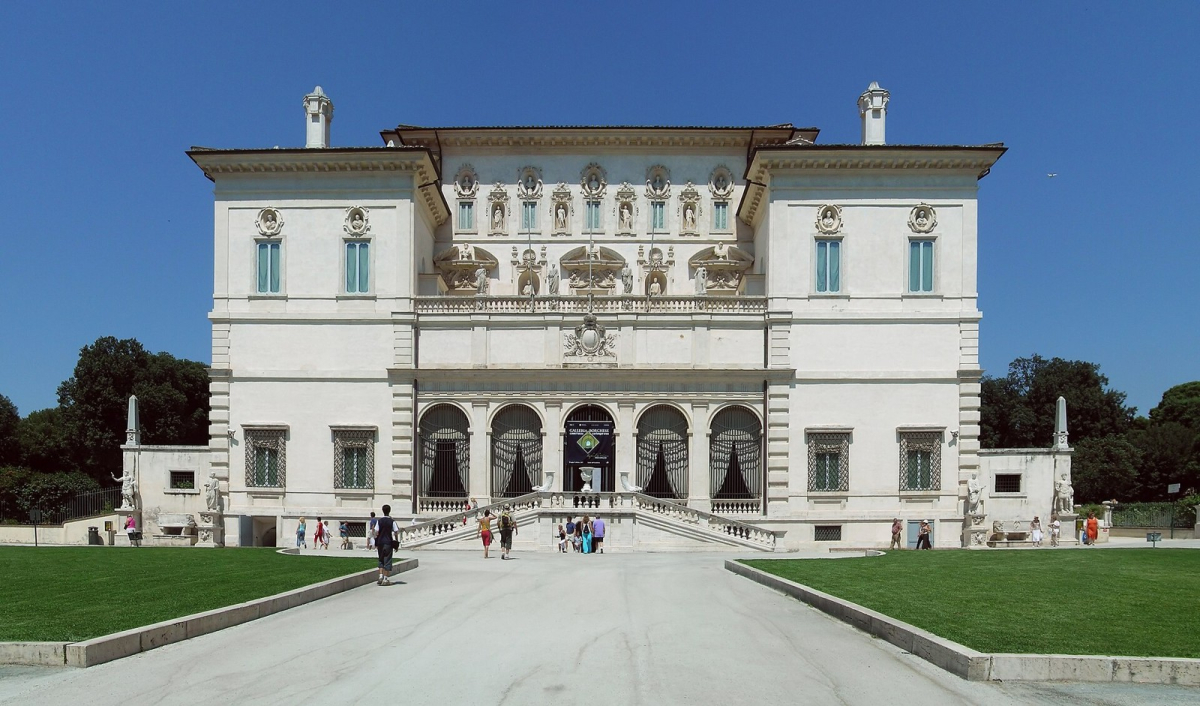
Galleria Borghese is a strong choice if you prefer a focused art visit with a defined entry. Reservations are mandatory. The published standard full price is €16 plus a €2 reservation fee; temporary exhibitions can increase the admission price. Most sessions last two hours, with a different final slot. Use the gallery’s current official ticket page and its linked sales channel.
Pair the gallery with time in the surrounding Villa Borghese park if the weather suits. Do not confuse walking into the park with having museum admission. Leave a travel buffer between a park stroll and your reserved entry.
What to look for: Choose a small group of works, such as Bernini’s Apollo and Daphne and Rape of Proserpina, Canova’s Pauline Bonaparte and paintings by Caravaggio. Sculpture rewards moving around the work where permitted; a single front-on glance can miss the changing gestures. Use the official collection catalogue to prepare your shortlist.
- Allow: The booked session is generally two hours; check the shorter final session. Add 45–60 minutes for a park walk.
- Getting there: Piazzale Scipione Borghese 5; use a current bus route or walk across Villa Borghese, allowing for the distance.
- Booking: Reservations are mandatory, including free categories. Check the official calendar; the regular schedule is Tuesday–Sunday.
- When to go: Choose the museum slot first, then fit the park before or after according to heat and daylight.
- Combine with: Villa Borghese and the Pincio terrace; Spanish Steps if you have energy.
- Photo note: Check gallery equipment rules before bringing a large bag or tripod. In the park, look for paths, trees and depth instead of only distant panoramas.
Castel Sant’Angelo and Ponte Sant’Angelo
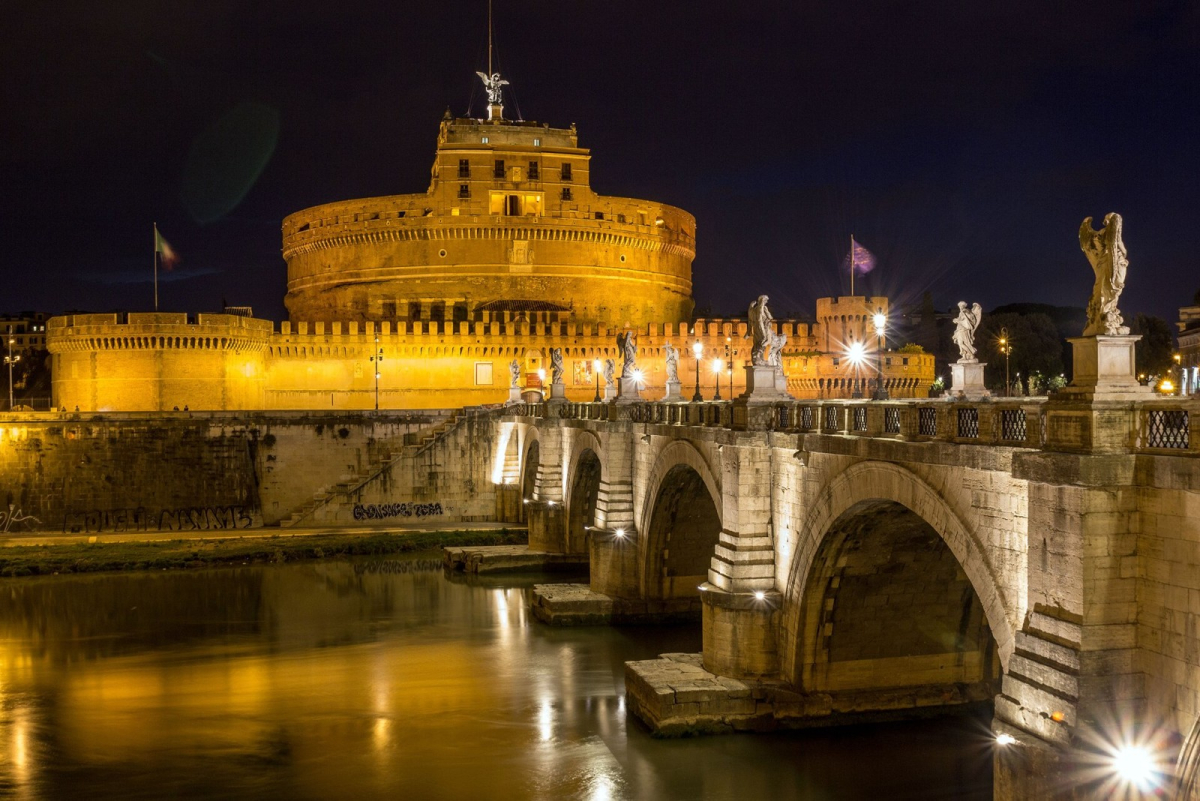
Choose the castle if you want a visit that connects ancient engineering, fortified architecture and papal history. Hadrian’s mausoleum became a fortress, residence and prison before its museum role. Follow the changing rooms and levels, then enjoy the terrace views when open. The bridge and river give you a worthwhile outdoor visit even if you skip the museum.
The official standard adult admission is €18. The regular schedule is Tuesday–Sunday, 9 a.m.–7:30 p.m., with last admission at 6:30 p.m.; exceptional openings can differ. Consult the official castle visitor page and its accessibility guidance before booking.
- Allow: 1.5–2 hours for the museum; add 20–30 minutes for the bridge and river.
- Getting there: Lungotevere Castello 50; approach from Borgo or across Ponte Sant’Angelo.
- Booking: Choose an official dated ticket if visiting inside; special routes may require separate arrangements.
- When to go: Choose a daytime interior visit; save a separate river walk for late afternoon or dusk if convenient.
- Combine with: St. Peter’s Square, Borgo and the walk to Piazza Navona.
- Photo note: From the bridge, use the angel statues to frame the castle. At river level, check access and conditions before descending; blue-hour reflections depend on weather and water. See the photo guide and larger images.
Capitoline Hill and Capitoline Museums
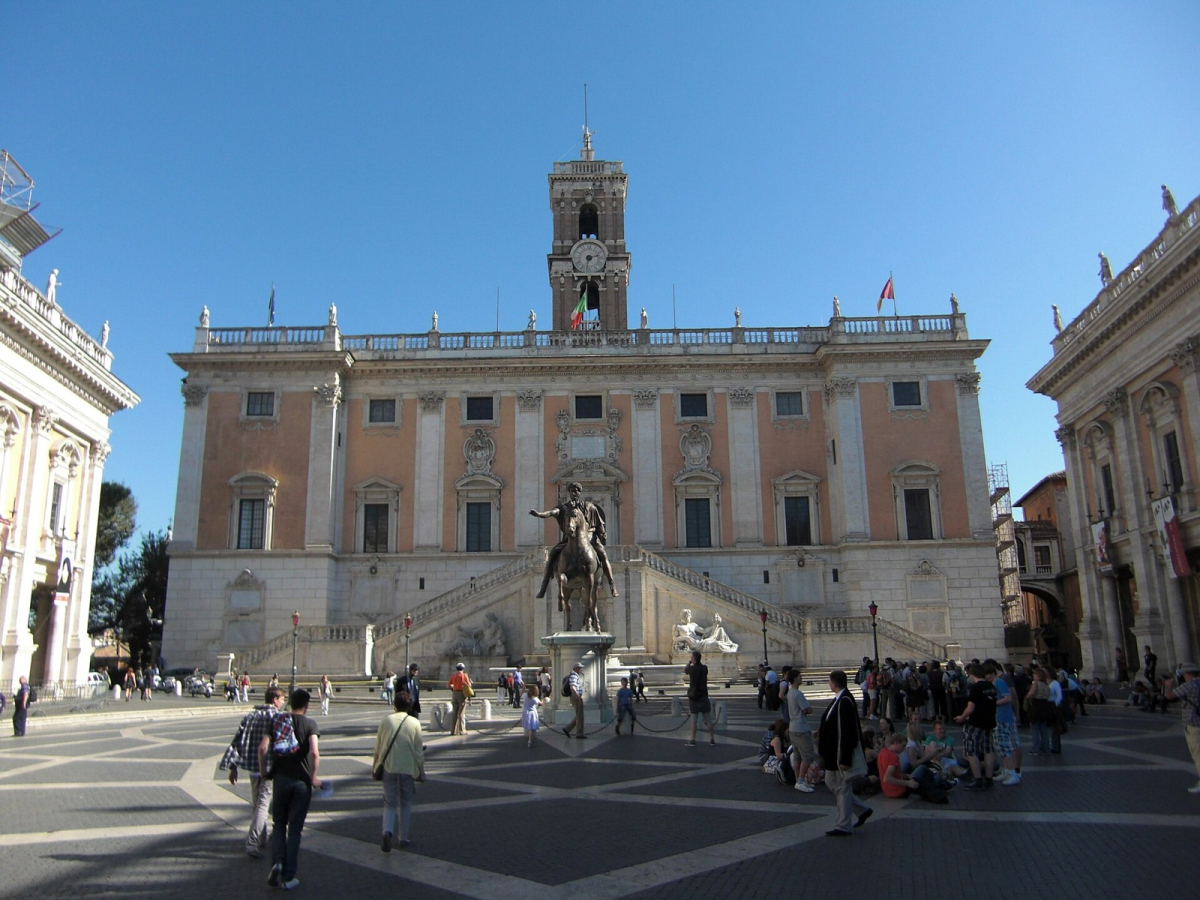
Piazza del Campidoglio works as an architectural stop, while the museums add context to the ruins below. See ancient sculpture on a more intimate scale than the Forum: the original bronze equestrian statue of Marcus Aurelius, the Capitoline Venus and the Dying Gaul make a useful first shortlist. The figure in the square and the original museum object should be understood separately.
Allow time to move between the museum buildings and check the current collection route. The official masterpieces list helps you choose what to see; consult Musei Capitolini for admission categories, exhibition supplements and opening notices.
- Allow: 20–30 minutes for the square; 2–3 hours for a selective museum visit.
- Getting there: Piazza del Campidoglio, above Piazza Venezia; approach involves an incline or steps.
- Booking: The public square and museum admission are separate. Check the current official ticket for your visit date.
- When to go: A museum visit can replace some outdoor walking in rain or heat; preserve a break after the Forum.
- Combine with: Forum viewpoints, Piazza Venezia and the ancient-Rome route.
- Photo note: Look for the square’s symmetry and the contrast between statues and palace façades. For a Forum panorama, use an accessible public viewpoint behind the hill without entering restricted space.
Trastevere: streets, mosaics and a slower walk

Trastevere gives a first visit room to breathe between monumental sights. Walk from Ponte Sisto into the lanes around Piazza di Santa Maria in Trastevere; the basilica’s mosaics provide an interior focus if it is open for visitors. Continue toward Santa Cecilia only if you want a longer neighborhood visit. Villa Farnesina is a separate, ticketed option for visitors especially interested in Renaissance art.
Choose streets and one interior rather than treating the neighborhood as a checklist of restaurants. Consult Turismo Roma’s neighborhood overview for the wider area, then use the Food & Drinks guide to plan a meal.
- Allow: 1–2 hours for lanes and squares, with a meal or ticketed visit added separately.
- Getting there: Cross Ponte Sisto from the historic center, or use a current bus/tram route to the area.
- Booking: No neighborhood entry ticket. Respect worship times and check any chosen museum separately.
- When to go: Morning for street details; late afternoon for a walk continuing into dinner.
- Combine with: Ponte Sisto, Tiber Island or a separate uphill outing to the Gianicolo.
- Photo note: Look for warm façades, doorways and street depth. Ask before making identifiable portraits and leave residential entrances clear. See the photo guide and larger images.
Admission prices at a glance
| Visit | Published standard adult price | Important distinction |
|---|---|---|
| Colosseum, Forum and Palatine | €18 per person | Standard product; arena and underground access excluded. |
| Vatican Museums | €20 + €5 online reservation per person | Sistine Chapel is on the museum route; basilica arrangements are separate. |
| Pantheon | €7 per person | Reduced and free categories apply; worship can affect access. |
| Galleria Borghese | €16 + €2 reservation per person | Exhibition supplements and a different last-slot price can apply. |
| Trevi controlled basin access | €2 per non-exempt visitor | Paid close-access area, not the entire square. |
| Castel Sant’Angelo | €18 per person | Regular museum admission; special access and concessions have separate terms. |
| Capitoline Museums | Check the official current ticket | Admission categories and exhibitions can affect the total. |
| St. Peter’s Basilica | Ordinary entry free | Optional services and dome access can cost extra. |
Three sightseeing routes you can adapt
These are suggested stop sequences, not timed tours. Connecting distances are rounded editorial estimates and exclude walking inside attractions. Open the route map to check the current path, then follow your ticket’s entrance instructions. Add queues, photographs, meals and rest to the walking time.
Ancient Rome: Colosseum → Forum and Palatine → Capitoline Hill
Allow most of a day if entering the archaeological area. The Colosseum-to-Capitoline connection along the outside of the Forum is roughly 1–1.5 km; exploring inside adds considerably more walking. Start at your booked Colosseum entrance, or visit the Forum first when ticket validity permits. At the Capitoline, choose a short outdoor stop or a separate museum visit rather than automatically doing both.
Open this walking route in Google Maps
Historic centre: Spanish Steps → Trevi → Pantheon → Navona → Trastevere
Allow half a day with a Pantheon visit and breaks; longer with lunch and photography. Spanish Steps–Trevi is about 0.7 km, Trevi–Pantheon about 0.7 km, Pantheon–Navona about 0.4 km and Navona–Piazza Santa Maria in Trastevere via Ponte Sisto about 1.3 km. Stop at Navona for a shorter route or reverse the sequence if staying in Trastevere.
Open this walking route in Google Maps
Vatican and river: Vatican Museums → St. Peter’s → Castel Sant’Angelo
Make either the museums or basilica your main visit. The outside walk from the museum entrance to St. Peter’s Square is roughly 1–1.5 km, followed by about 1 km to the castle. Allow a full day if entering both Vatican sites; then decide whether the castle should remain an exterior stop. Start at St. Peter’s instead if your museum slot is later.
Open this walking route in Google Maps
For transport between districts and the shorter central route, use the Rome map and orientation guide. Check current metro, bus and tram connections using ATAC’s official maps.
Choose sights for your budget, weather and energy
| Your needs | Useful choices | Planning note |
|---|---|---|
| Free outdoor sightseeing | Piazza Navona, Spanish Steps, Campidoglio, Ponte Sant’Angelo, Trastevere and Villa Borghese park. | Paid interiors, dome climbs and controlled Trevi basin access are separate costs. |
| Children and shorter attention spans | One chosen ancient site, a fountain walk or a park break. | Keep explanations short; allow snacks, toilets and rest instead of several long museums. |
| Rainy weather | Capitoline Museums, a booked Borghese visit or the Pantheon. | Indoor choices still involve outdoor transfers and entrance queues. Do not assume same-day tickets. |
| Less walking or limited stamina | One interior with transport close to its entrance, followed by a nearby square. | Check the venue’s accessible route and assistance arrangements. The Forum, castle levels and dome need particular care; stairs and cobbles can change the plan. |
| Photography as a priority | A central square walk or castle-and-river exterior route. | Choose a small number of scenes around available daylight; museum equipment rules differ. |
If step-free access is essential, confirm the exact entrance, lifts, route closures and accessible toilets with each venue before buying. A shorter route on the map is not necessarily the easiest route on the ground.
Plan photographs around the visits
Choose one wide setting, one architectural detail and one scene showing how the place is used. Outdoor photographs work well as pauses between reserved interiors. Early morning can offer more room for a composition; evening lighting can create atmosphere without guaranteeing an empty square. Light direction and shadows vary with season, so check the scene on arrival.
The linked photo guides contain existing images and composition suggestions. They are visual references, not proof of current access or crowd levels. Start with the Rome Pictures hub for all nine photo guides. Follow venue instructions for flash, bags, tripods and commercial work; keep pedestrian routes and worship spaces clear.
Questions to settle before buying
Does “skip the line” mean no waiting?
Read exactly what is included. A timed ticket, guided tour and security queue are different things. Galleria Borghese explicitly warns against misleading skip-the-line offers. Start from the attraction’s official sales link and compare the full product.
Are free-entry days the simplest option?
Free admission can still involve reservations, booking fees or different procedures. Choose it only after checking the venue’s rules and whether the timing suits your trip. Do not assume all Rome museums share one policy.
How much sightseeing fits a first visit?
Choose depth according to your interests and stamina. One major reserved visit plus a nearby walk is a useful daily starting point. Add more only when you have considered the travel, queueing and meal time. The Food & Drinks guide helps place meals around those sightseeing areas.
Museums & Culture: Find the Collection That Fits Your Rome Trip
Rome’s museums tell several overlapping stories: ancient households, the public image of emperors, aristocratic collecting and the ambitions of Renaissance patrons. Choose the story you want to follow before choosing a ticket. One collection explored with attention usually makes a more rewarding half-day than a sequence of hurried interiors.
| Your interest | Collection and planning choice |
|---|---|
| Renaissance art and a broad museum route | Vatican Museums: allow a substantial visit and choose your route in advance; basilica access is a separate decision. |
| Bernini and painting in a villa | Galleria Borghese: build the day around the reservation, then leave time for the surrounding park. |
| Rome’s civic collections and imperial identity | Capitoline Museums: combine the collection with Campidoglio and the nearby archaeological district. |
| Ancient interiors, colour and domestic life | Palazzo Massimo: concentrate on frescoes, mosaics and portraits near Termini. |
| Sculpture and the history of collecting | Palazzo Altemps: a palace visit that fits a Piazza Navona walking day. |
| Classical art and industrial architecture | Centrale Montemartini: choose it as an Ostiense outing rather than adding a cross-city detour to a Vatican day. |
Palazzo Massimo: see the colour of ancient Rome
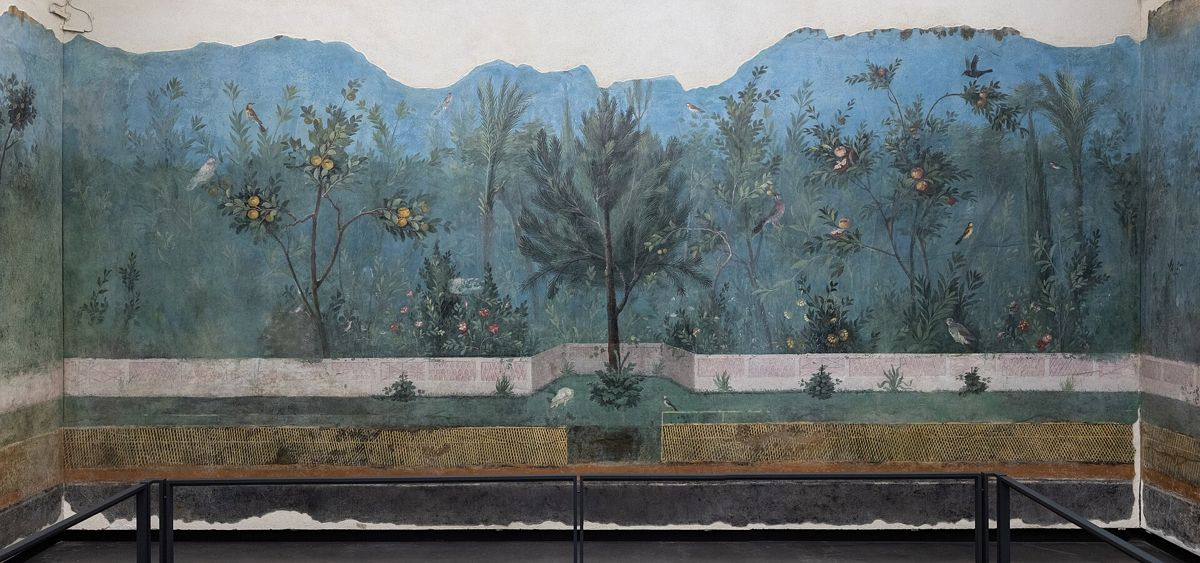
At Palazzo Massimo, Largo di Villa Peretti 2, the collection moves beyond the idea of antiquity as white marble ruins. Portraits show how people wanted to be remembered; painted rooms and mosaics reveal the decorative worlds they inhabited. The garden frescoes from Livia’s villa are a particularly useful counterpoint to an outdoor Forum visit: trees, birds and painted depth turn a wall into an imagined landscape.
Choose a few portraits, then give the paintings and mosaics your remaining attention. Look for changes in scale, viewpoint and surface rather than trying to identify every figure. Our planning suggestion is to pair the museum with the Termini area and a meal, leaving another major collection for a different day. Check room access before travelling for a particular work.
Palazzo Altemps: sculpture in a collector’s palace
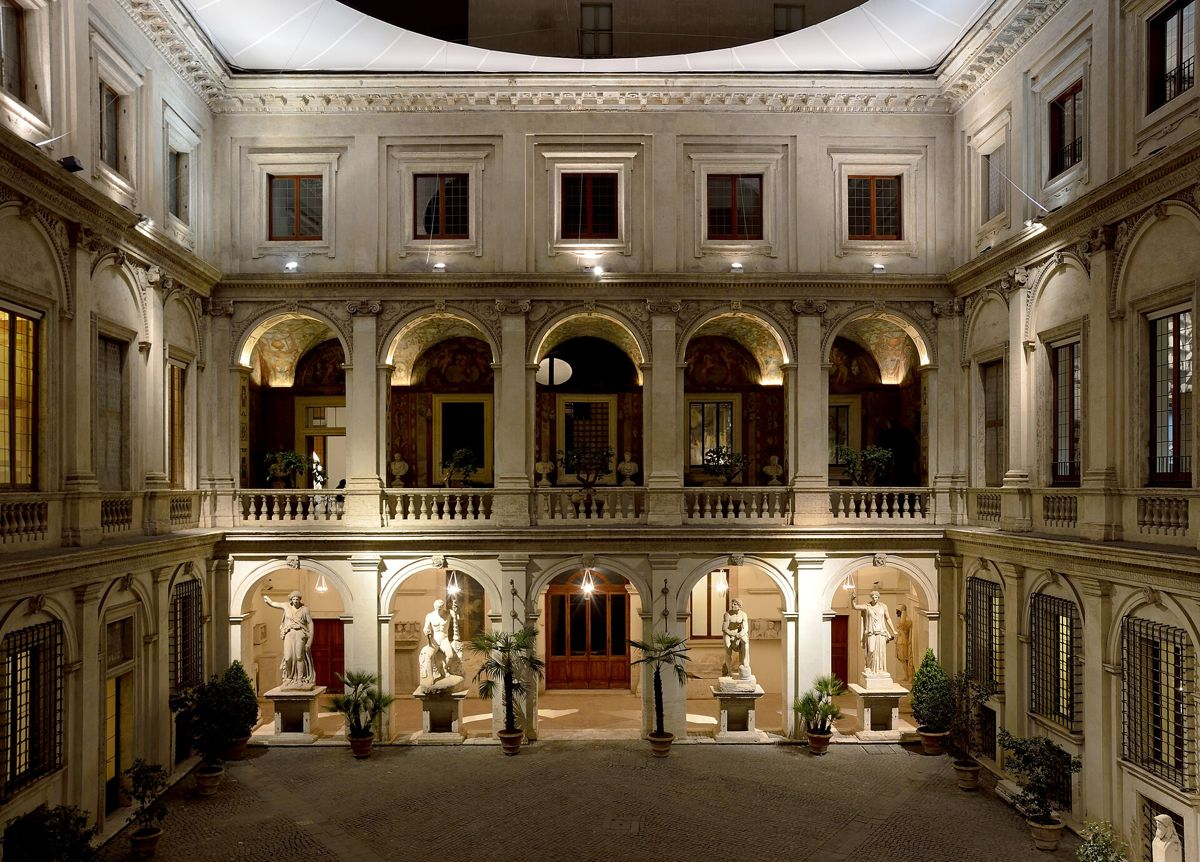
Palazzo Altemps, Piazza Sant’Apollinare 46, explains how ancient sculpture became part of aristocratic life. Its decorated rooms and courtyard help you understand the setting as well as the objects. The museum brings together historic collections, including the Boncompagni Ludovisi and Altemps collections, making it a useful choice for visitors interested in the later lives of antiquities.
Move between a wide view of the room and a close look at an individual sculpture. Ask how the architecture frames the object and how collecting changes the way an ancient work is encountered. For a manageable outing, visit the palace before walking to Piazza Navona; avoid treating it as a quick extra between distant timed bookings. The photographs here illustrate the collection’s setting and do not guarantee that every room or work will be accessible on your date.
Centrale Montemartini: ancient sculpture among machines
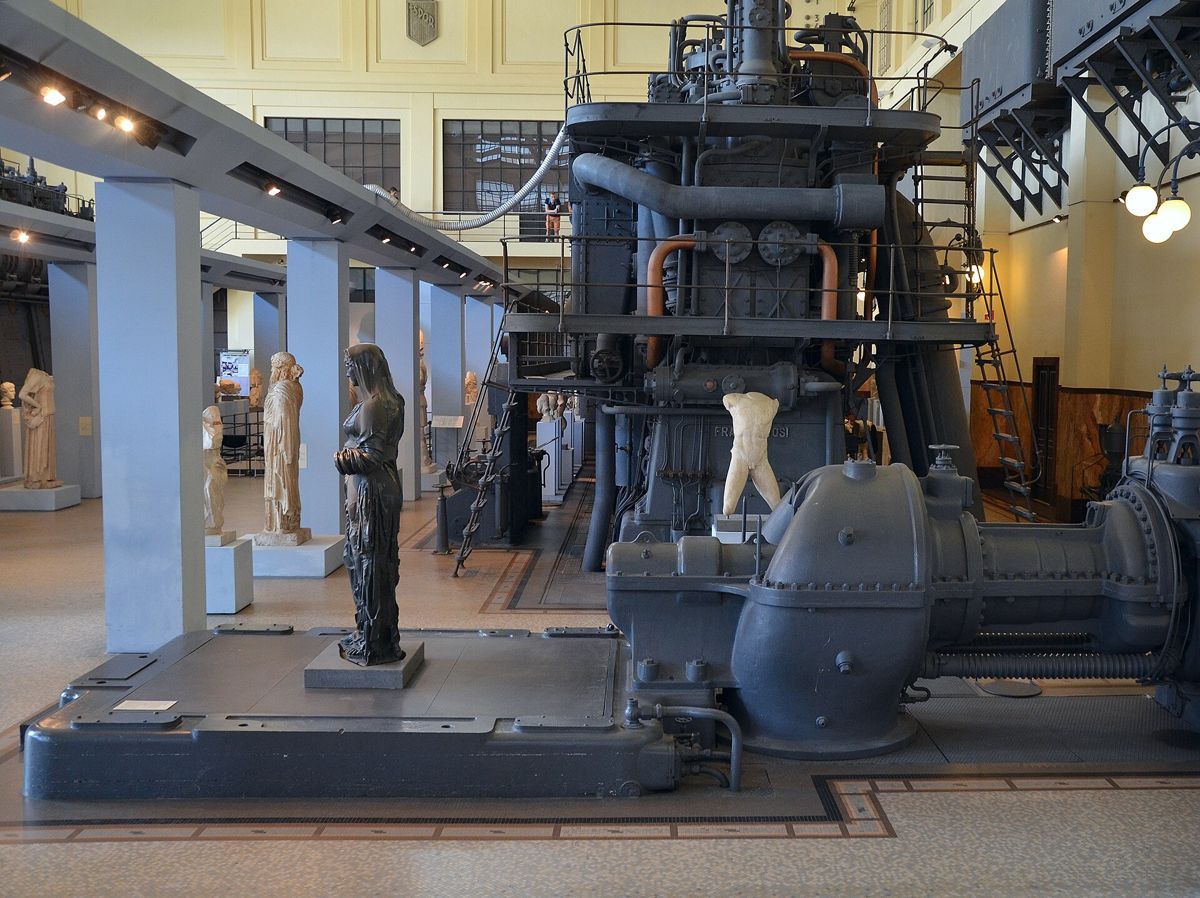
The former power station at Centrale Montemartini offers a different way to look at Rome: classical sculpture shares an industrial setting with surviving engines and equipment. The contrast between pale stone, dark machinery and large working spaces makes the building part of the interpretation. It is a strong choice for visitors who enjoy both archaeology and architecture, or who want to extend their trip beyond the historic centre.
The address is Via Ostiense 106. The official timetable, checked October 19, 2026, lists Tuesday–Sunday, 09:00–19:00, with last admission one hour before closing; regular Monday closure and special-date notices apply. Combine it with an Ostiense meal or neighbourhood walk. Choose a few objects to compare with their mechanical surroundings rather than rushing through as a secondary stop.
How to choose between the Vatican, Borghese and Capitoline collections
Choose the Vatican Museums when Renaissance rooms and the Sistine Chapel are central to your trip; use the official route map to decide which collections to prioritise. Choose Galleria Borghese for the concentrated villa collection described above. Its official visitor information requires reservations for all ticket categories, including free tickets. A city pass does not remove that planning step.
The Capitoline Museums suit a visit focused on Rome’s civic identity. The Marcus Aurelius Exedra houses the equestrian bronze alongside other major bronzes and the remains of the Temple of Jupiter’s foundations. Read the collection and ticket guidance in the attraction section above before adding the museum to a Colosseum day. Admission, walking between sites and taking a break each need time.
Tickets, closures and a workable culture day
Palazzo Massimo and Palazzo Altemps belong to the National Roman Museum. Its official ticket page, checked October 19, 2026, lists a €15 standard combined ticket, allowing entry to each included venue within one week of the first visit; Crypta Balbi is temporarily closed. Check the live conditions before buying. The general timetable and individual venue pages currently differ on the morning opening time, so confirm the date-specific information rather than relying on an early arrival. Regular Monday closure also needs to be considered.
Our suggested pairings are Massimo + the Termini area, Altemps + Piazza Navona, or Montemartini + Ostiense. These are editorial itinerary suggestions, not packaged tours or guaranteed durations. With children, choose a small looking challenge—find a portrait, an animal and a patterned surface—then leave room for a break. For reduced mobility, check the actual entrance, lift availability and accessible route with the venue before booking; a historic building’s address alone does not establish step-free access.
Photography, bags and looking carefully
The Vatican Museums’ rules allow personal photography in most museum areas without flash, but prohibit photography and filming in the Sistine Chapel. Tripods, selfie sticks and professional equipment have additional restrictions. Use the separate Vatican art and photography guide to interpret the illustrated works before your visit.
For the National Roman Museum, the visitor guidance excludes bulky backpacks, trolleys and umbrellas from the galleries. Altemps has lockers; Massimo’s cloakroom is unattended and has no lockers. Plan luggage storage separately from a sightseeing stop. At every museum, follow the room’s current notices and staff instructions; permission to take a personal photograph does not automatically cover a commercial shoot.



