
ITALY · ROME GUIDE
Responsible Travel in Rome: Heritage, Water and Local Life
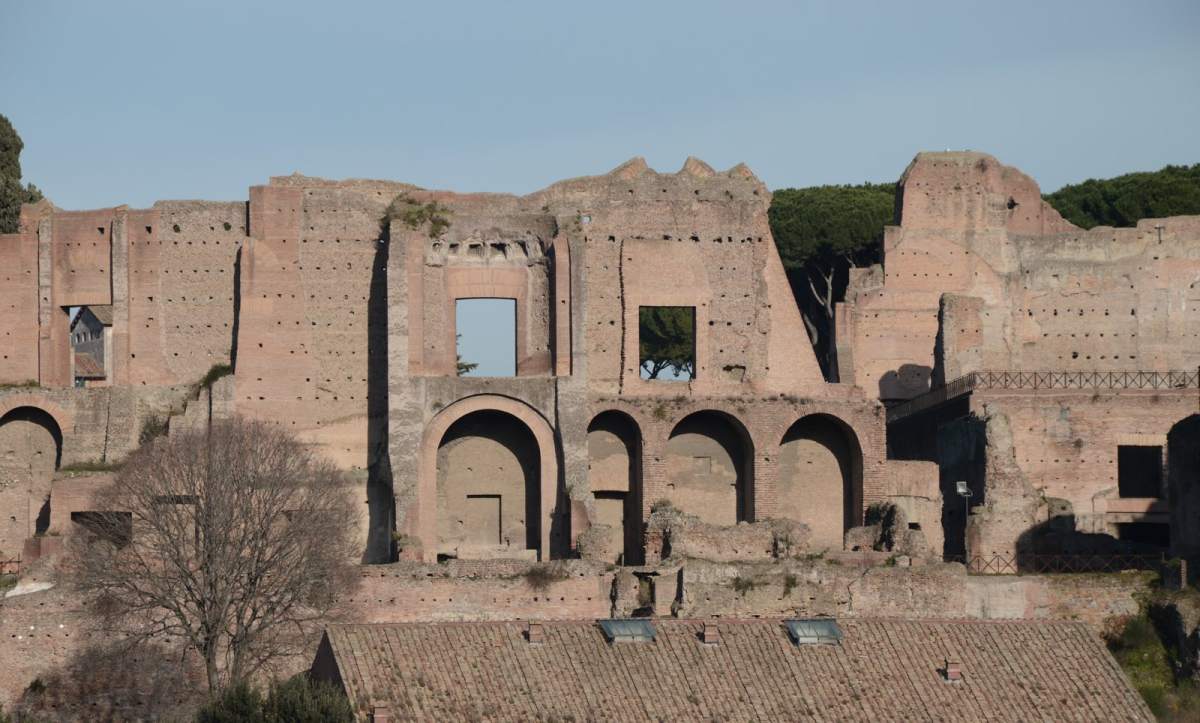
Rome is a living city as well as an archaeological destination. Responsible choices are often practical ones: keep entrances clear, choose a workable route, use water carefully and pay attention to how your visit affects residents and staff. The advice here complements official site rules; it does not replace them.
Protect the Surfaces You Came to See
Stay on permitted paths in archaeological areas and do not climb barriers or touch fragile remains for a photograph. At fountains, keep out of the water and follow the posted restrictions. A picturesque staircase or piazza is still a public route; avoid blocking movement with a prolonged shoot or a group gathered around equipment.
Read Turismo Roma and the venue’s current visitor guidance before using equipment or arranging a commercial shoot. Ordinary admission is not a blanket permit for every type of photography. For the Colosseum and Forum, follow the archaeological park’s rules and staff instructions.
Use Drinking Water Responsibly
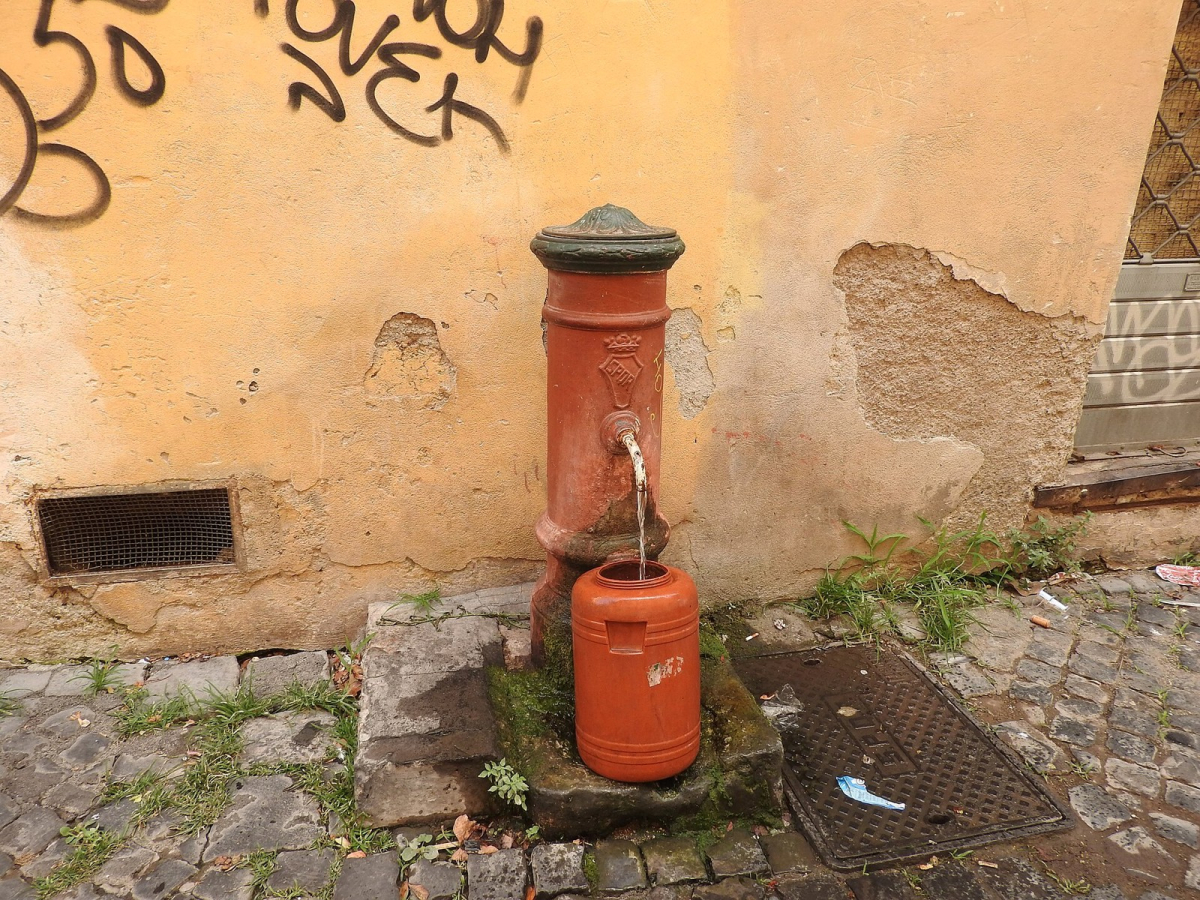
A refillable bottle can reduce purchases of single-use bottles during long walks. Use a functioning public drinking-water point only where the supply is indicated as drinkable; if it is labelled non-potable, closed or under a local notice, choose another source. Decorative fountains and their basins are different from drinking-water outlets.
Do not wash clothing, dishes or equipment at a drinking point, and leave space for the next person. In hot weather, plan refills and rests before you reach a long exposed archaeological route. Carrying water does not turn a demanding midday walk into a suitable choice for everyone.
Let Residential Streets Remain Residential
Trastevere, Monti and other central districts contain homes as well as businesses. Keep voices down on the route back after dinner, avoid lingering at building entrances and ask before making someone the main subject of a photograph. Curtains, windows and private courtyards are not invitations to photograph interiors.
For a longer stay, ask the host for the building’s waste-sorting and collection arrangements and follow the instructions for that address. Do not leave rubbish beside a full public bin. Choose accommodation and services that explain who provides them and how to contact someone if a problem occurs; a listing’s style is not evidence of its legal or environmental status.
Group Journeys and Choose Transport Deliberately
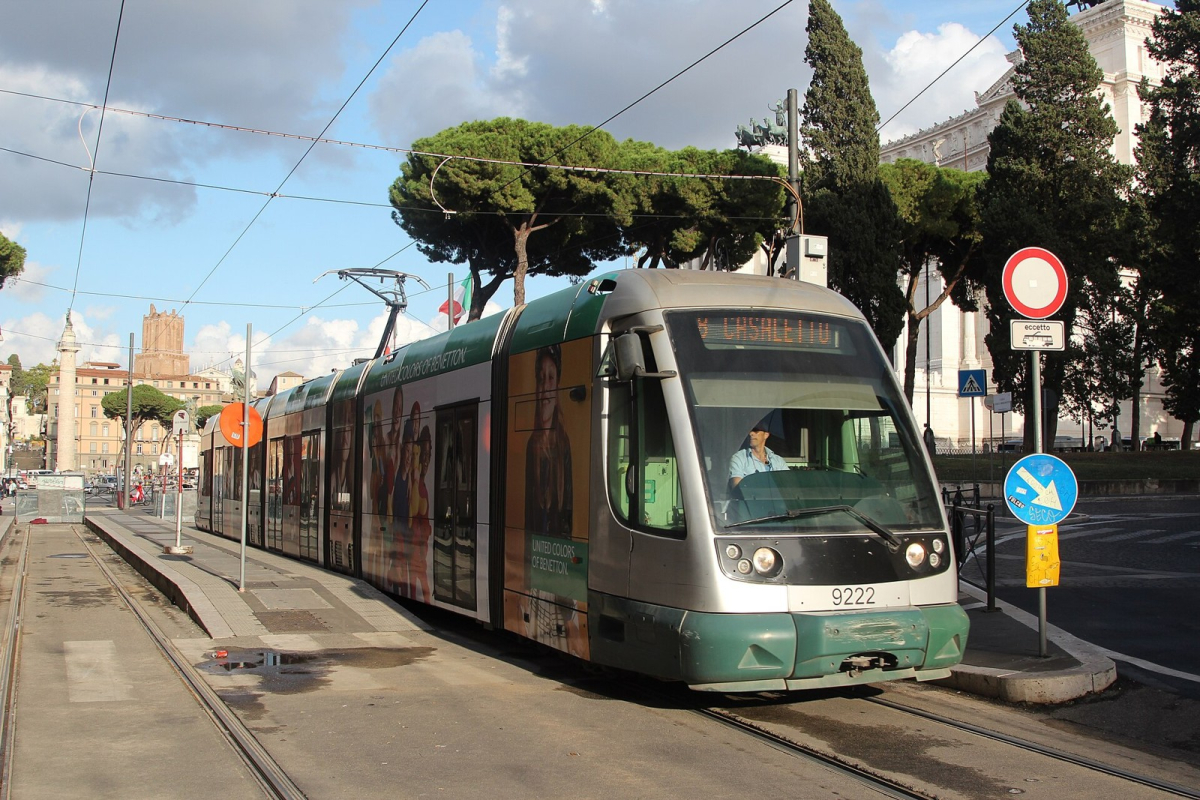
Visit nearby places together to reduce unnecessary cross-city transfers. Walking within a compact area and using public transport between districts can work well; mobility needs, heat and late-night service may make another option appropriate. Responsible planning includes an accessible, realistic journey for the people actually travelling.
If renting a car for an onward trip, collect and return it around that purpose rather than assuming it will simplify the central city. Check restricted-traffic rules, parking and the hotel approach through the appropriate official channels. Do not drive through a restricted area because another visitor or a map appeared to do so.
Choose Local Work Without Assuming Every Souvenir Is Local
Ask about the maker, materials and origin of a craft purchase. A Rome shop can sell both local production and well-made work from another region; accurate labelling matters more than a romantic story. Shopping explains product choices and receipts without claiming that every city-centre item is authentic or handmade.
Order food that fits your appetite and ask about portions before buying. For dietary requirements, give the restaurant the actual information it needs. Treat staff time with respect when a venue is busy; a long conversation about your route is better directed to visitor-information services than to a service queue.
Respect the Coast, Parks and Wildlife
On a trip to Castelporziano, use marked access and avoid walking over protected dunes. Check current bathing conditions and seasonal services; leave no litter and take small packaging home if facilities are unavailable. In parks and along the Appia, stay on permitted routes, respect closures and give other path users room.
Do not feed wildlife or collect natural or archaeological material as a souvenir. A guide image shows a place and a past moment, not permission to enter every area visible in it. Use the day-trip guide and site notices to match the outing to the current access conditions.
A Short Check Before Leaving the Hotel
Carry water, save the return route and put a small rubbish bag in your day bag if you will spend time outside serviced areas. Check the day’s venue rules, keep tickets ready and ask staff where to stand if your photography setup affects circulation. For specific support needs, plan with the accessibility guide before the visit.



