
ITALY · ROME GUIDE
Rome Travel Essentials: Entry, Safety and Accessibility
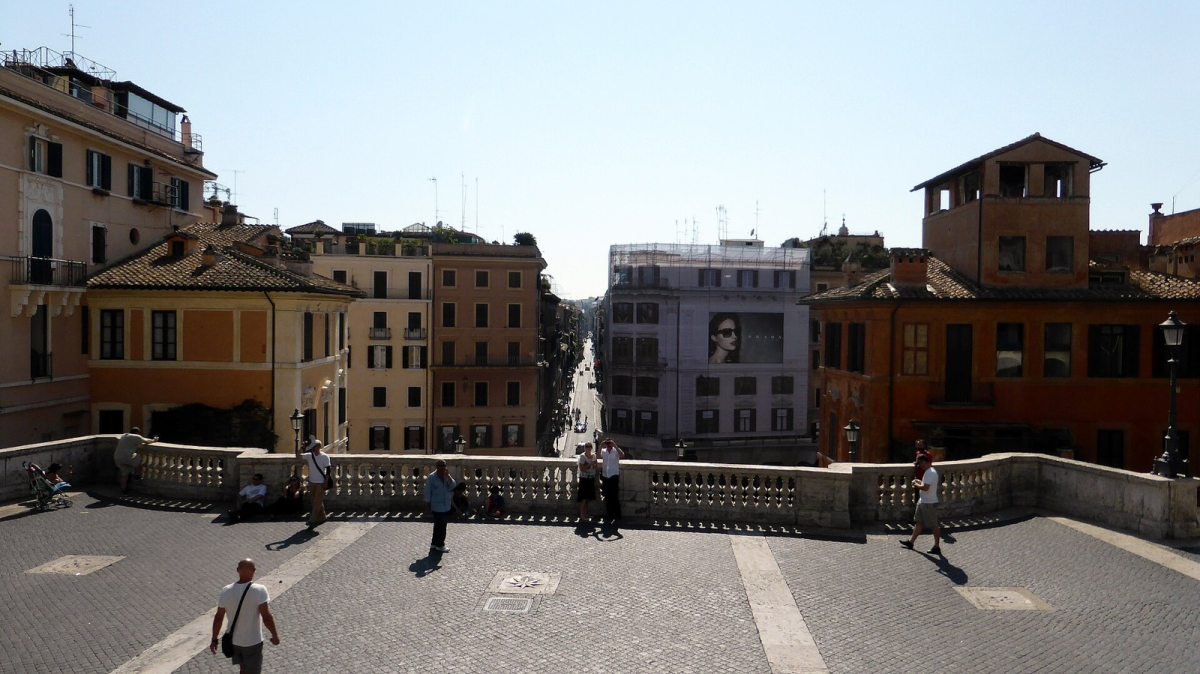
Prepare for Rome by making the practical parts of the trip easy to check: keep your accommodation address available, understand the tickets you buy and know where to get official help. This guide brings together safety, money, entry and useful contacts so you do not have to assemble them from several outdated pages.
The most useful approach is specific. Check the requirements for your passport, the conditions of your transfer and the full cost of your room. Keep day-to-day plans flexible enough for weather, service changes and the walking demands of the city.
Documents and entry: check your own circumstances
Italy is part of the Schengen area. Visa needs and entry conditions depend on nationality, residence status, travel purpose and prior time in the area. For short-stay visa rules, begin with the Italian Ministry of Foreign Affairs and the consular authority responsible for your application.
The familiar 90-days-in-180 framework is not a blanket permission for every traveler to enter without a visa. Count relevant previous Schengen days and check passport and supporting-document requirements for your situation. Children and family members may have different document needs.
EES and ETIAS are separate EU border systems. Confirm the current operation, nationality coverage and application position on the official EES and ETIAS pages before travel. The EU has announced ETIAS for the last quarter of 2026; that announced window alone does not establish that applications are open on your departure date. Use the official channel when it is operating.
For border procedures and any requirements that change before departure, use the official EU travel portal. Allow time for formalities at the airport; scheduled landing time is not the time you will board a train into Rome.
Safety in crowded places
Official travel advice highlights pickpocketing and bag-snatching around busy centers and major visitor sites. Pay particular attention when boarding, handling luggage or stopping to study directions. These are moments when keeping track of belongings becomes harder.
Keep valuables in secure pockets or a closed bag that remains under your control. Separate a backup payment method from the one you use each day. Avoid leaving a phone at the edge of a café table or a bag hanging behind your chair.
If a stranger creates an urgent distraction, check your belongings before following instructions or moving away from them. Use official channels for transport and tickets. Read official safety advice for Italy for current guidance; no neighborhood label can guarantee personal safety.
Roads, walking and monument rules
Plan crossings as part of the walk. Keep attention on traffic even when using a marked crossing, and do not let navigation on a phone become your only focus. Steps, cobbles and uneven archaeological paths can also slow a route that looks simple on a map.
Respect posted rules at monuments and fountains. Decorative fountains are not swimming or bathing places. Keep entrances, pavements and access routes clear, and choose a proper café or seating area when you need a rest.
If stairs, hills or prolonged standing affect your party, ask each venue and property about the route you will actually use. “Accessible” in a summary is not enough to answer whether a specific room, bathroom, entrance or lift works for you.
Using Rome’s public transport tickets
Choose a ticket by the journeys you expect to make. The BIT costs €1.50, lasts 100 minutes and has particular metro-use restrictions. The published timed products are €8.50 for ROMA 24H, €15 for ROMA 48H and €22 for ROMA 72H. These are not promises of airport-rail coverage.
Read BIT conditions and ATAC’s ticket list before buying. Follow the validation or activation instructions for the format you select. A paper ticket in a pocket is not evidence that it is valid for your current ride.
For a simple comparison, five separate €1.50 tickets cost €7.50; six cost €9. A €8.50 24-hour product may be worthwhile for six otherwise separately ticketed eligible journeys, but only after considering the BIT’s transfer rules and your actual route. It is not automatically better value for every sightseeing day.
Fares checked October 2, 2026. Keep tickets available for inspection and check service notices before a time-sensitive journey. Use the airport guide for the separate transfer products.
Money: compare totals in euros
Rome uses the euro. Keep a modest amount of cash for situations where it is useful and confirm the payment methods at your accommodation. Maintain a separate backup card or payment method when possible; a single lost phone or wallet should not remove every way to pay.
At a payment terminal or cash machine, review the proposed currency and fees. If a conversion offer appears, compare it with your own provider’s terms rather than accepting it without reading. Check your bank’s current foreign-transaction and withdrawal charges before departure.
Use clearly priced menus and receipts to understand the final total. Do not apply historic exchange rates, an old café price or a residential utility bill to a visitor budget. For meal planning, use the Food & Drinks guide and current menus.
Build a budget with stated assumptions
| Cost category | How to calculate it | What is outside the number |
|---|---|---|
| Accommodation | Use the final quote for your people, dates and room type. | Check exclusions, breakfast and cancellation conditions. |
| Visitor tax | Applicable per-person nightly tariff × eligible guests × eligible nights. | Exemptions and category differences must be confirmed. |
| Airport transfer | Use the selected fare, number of passengers and both directions. | Add any onward city ride or luggage-related requirement. |
| Sightseeing | Add the official products you will actually reserve. | Guides, booking fees, upgrades and exhibitions can change totals. |
| Food and drinks | Use current menus and the number of meals you intend to buy. | Include any stated cover or service charge. |
| City transport | Compare eligible single journeys with the timed product. | Do not include excluded airport services. |
As a narrow worked example, one full-fare adult using Leonardo Express in both directions (€28), a standard Colosseum ticket (€18), a Vatican Museums online reservation (€25 total) and a Pantheon visit (€7) would spend €78 on those items. This is an illustrative sum using published rates checked October 2, 2026. It excludes the room, visitor tax, food, city transport and any optional services.
For the individual conditions, see the attraction admission comparison and airport fares. Recalculate after choosing your actual products and dates.
Rome’s accommodation contribution
Roma Capitale calculates the contribution according to accommodation category, eligible guests, eligible nights and exemptions. Ask the property to state the applicable tariff and whether it is already included in the quoted total. Keep the receipt for anything collected separately.
For two eligible adults over three eligible nights, the multiplier is six: apply it to the property’s confirmed per-person nightly tariff. This avoids treating an unverified single tax rate as universal. Compare accommodation choices using the final total.
Health, weather and obtaining help
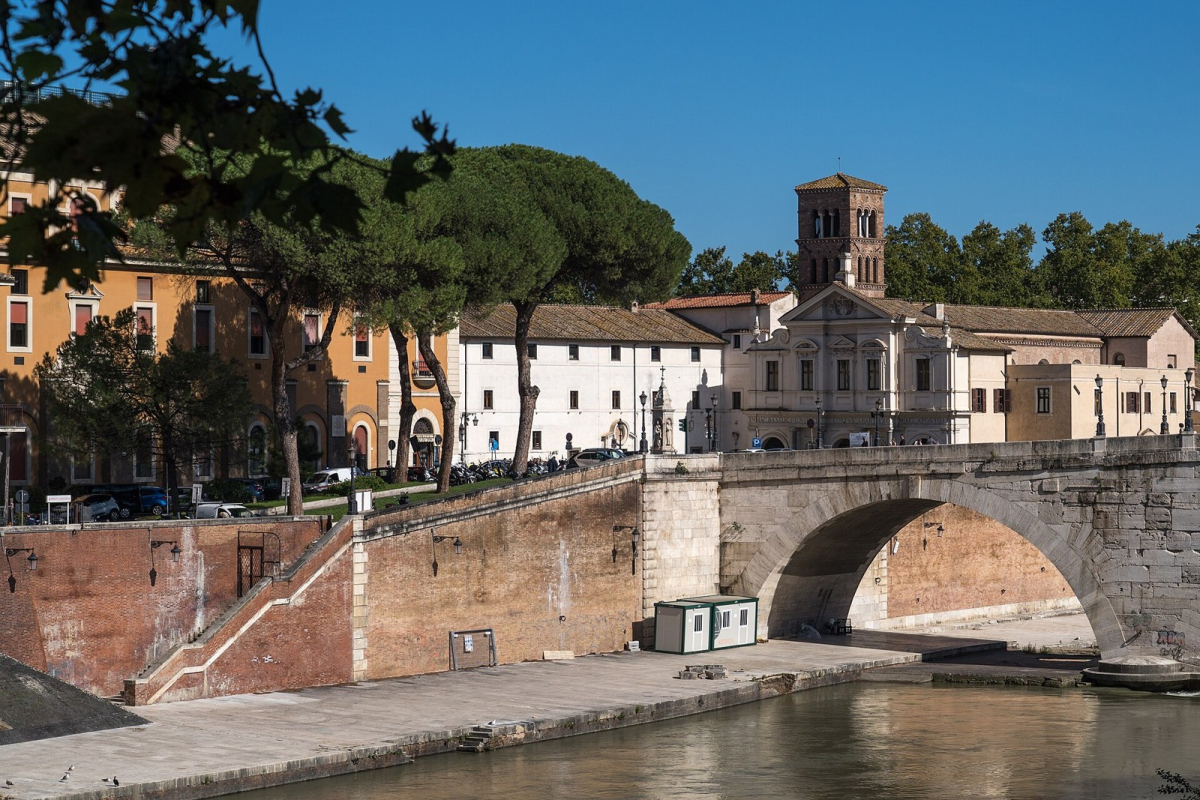
For an emergency in Italy, dial 112 without a country or area prefix. Italia.it identifies it as the free emergency number that routes callers to the appropriate service. Give the location clearly and follow the operator’s instructions.
For non-emergency health questions, use a qualified local clinician or pharmacist and your insurer’s assistance service. Bring the information needed for regular medication and check any relevant travel rules in advance. Coverage and reimbursement depend on your situation and policy.
During heat or wet weather, shorten exposed walks and use the seasonal planning advice. A forecast or official warning should affect the day’s pace, not just the clothes you pack.
Useful contacts without an outdated directory
| Need | Where to start |
|---|---|
| Immediate emergency | 112 in Italy. Official emergency guidance. |
| Visitor information | Rome’s 060608 contact center and official tourist infopoints. |
| Public transport information | ATAC maps and service information. |
| Airport information | Aeroporti di Roma and your airline. |
| Lost passport or consular assistance | Your nationality’s embassy or consular service. British visitors can start with the British Embassy Rome help page. |
| Accommodation problem | The property’s confirmed contact and the booking channel’s support service. |
If a passport is lost or stolen, contact the appropriate consular service and follow its reporting instructions. A police report is not automatically a replacement travel document. Keep copies of bookings and documents accessible, but do not assume a copy meets every identity or entry requirement.
A practical arrival-day checklist
- Recheck the entry requirements and current border guidance for your passport.
- Save the airport-to-hotel route and the latest possible check-in instructions.
- Keep booking confirmations and the necessary documents available offline.
- Confirm the full accommodation total and any charges payable at the property.
- Reserve your priority sight and leave the first evening flexible.
The main Rome guide connects these practical decisions with the sightseeing plan. Check the linked official sources again when a changing requirement could affect your departure or booking.
Accessibility: Check the Whole Journey
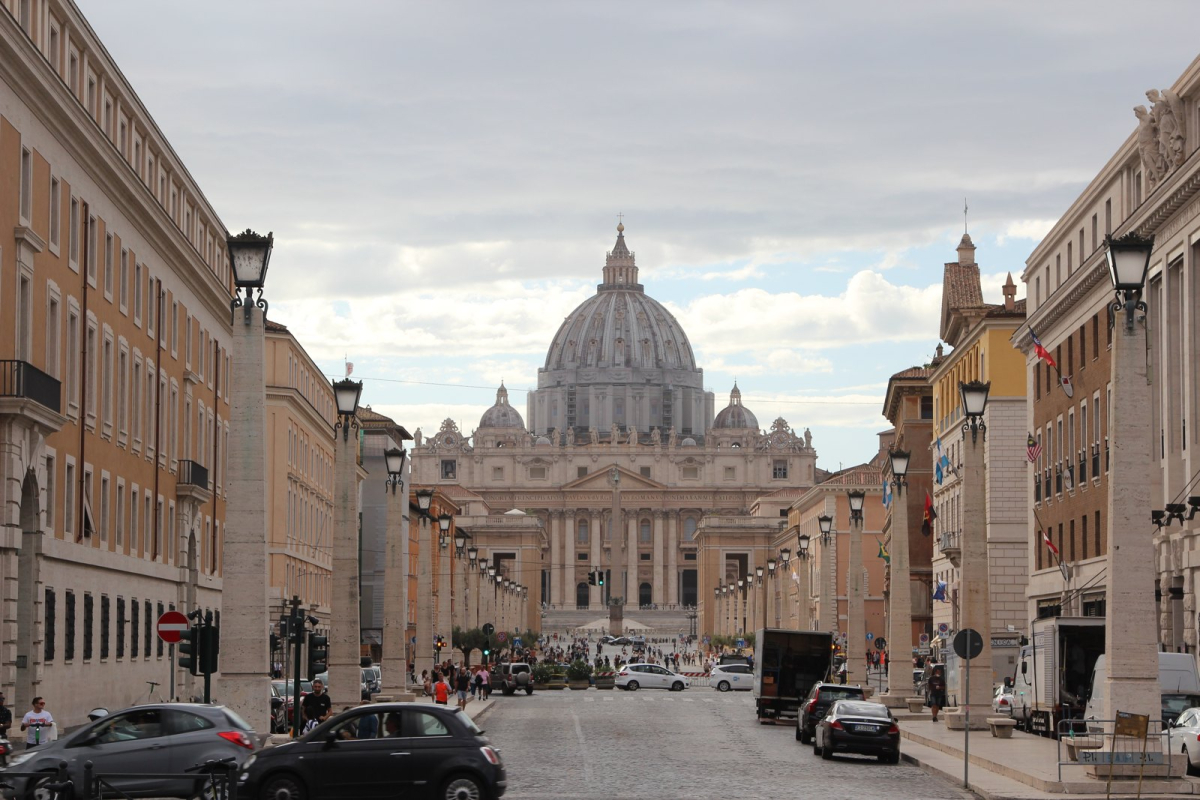
Rome’s surfaces and historic buildings make the exact route important. Compare entrance steps, cobbles, gradients, lift access and distance between rests. A map’s shortest route may include stairs; an accessible station on a general map may have a lift temporarily unavailable. Check ATAC’s transport accessibility information and current service notices, and ask for assistance arrangements before a time-critical journey.
Ask each hotel about the booked room: street-to-lift access, door widths, transfer space, shower arrangement and the route to breakfast. Ask each museum which entrance to use and whether assistance must be arranged. The Colosseum and Forum have different terrain from the Vatican galleries; an accessible part of a site does not describe every path inside it.
Plan toilets alongside the route. The civic museums’ accessibility directory lists museum-specific facilities and support, including adapted toilets at relevant venues. Check the particular museum’s entry rather than assuming that every facility in that directory belongs to the Capitoline Museums. The Roma Pass documentation also describes the P.Stop network; confirm the location, opening and suitability of the facility you intend to use.
For local planning help use Rome’s official accessibility guidance and the 060608 visitor-information service. For a flight, request assistance through your airline and airport according to their advance-notice requirements. These channels help plan access; they do not replace 112 for an immediate emergency.



