
ITALY · ROME GUIDE
Best Time to Visit Rome: Seasons and Packing
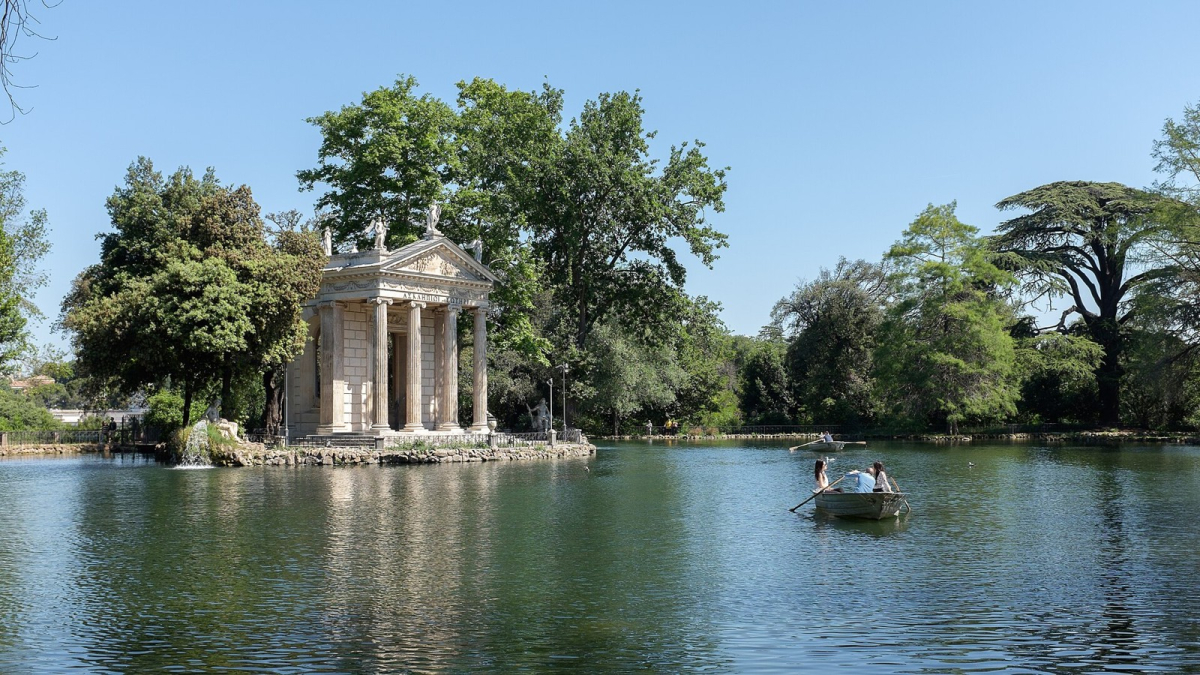
The best time to visit Rome depends on how much outdoor sightseeing you want to do and how comfortable you are with heat. Spring and autumn are useful starting points for a walking-focused trip. Summer calls for a slower schedule with indoor breaks; winter makes flexibility for rain more important.
Rome’s official tourism service describes a generally mild climate, with hot summers and wetter winter conditions. That seasonal pattern helps with advance planning, but it cannot predict the weather on your travel dates. Check the Turismo Roma climate overview and a short-range forecast before departure.
Choose a season for your kind of trip
| Season | Planning approach | Trade-off |
|---|---|---|
| Spring: March–May | Combine outdoor ruins, central walks and indoor art. Pack layers. | Weather can change during the day; popular dates still need reservations. |
| Summer: June–August | Put exposed sightseeing early, reserve an indoor break and leave evenings flexible. | Heat can make a full day on foot tiring; confirm effective room cooling. |
| Autumn: September–November | Build a walking itinerary with a museum alternative for wet periods. | Early autumn can remain warm; later dates need more rain flexibility. |
| Winter: December–February | Favor shorter outdoor blocks, museums and an early start for daylight. | Bring a rain layer and check holiday closures and special schedules. |
Spring: a flexible balance of indoors and outdoors
Spring works well when your priorities include the Forum, neighborhood walks and time in parks. Keep a light layer accessible instead of leaving everything at the hotel. A sunny morning does not mean you will want the same clothing after a late dinner.
Avoid filling every available hour because the temperature appears comfortable. The Forum and Palatine involve extensive walking; a museum adds its own standing time. Reserve one substantial attraction, then use the surrounding streets for the rest of the day.
Easter and other holiday periods can affect religious sites, accommodation availability and opening arrangements. Check your exact dates against the relevant venue calendar. A spring visit does not automatically mean lower prices or empty queues.
Summer: plan around exposure, not just distance
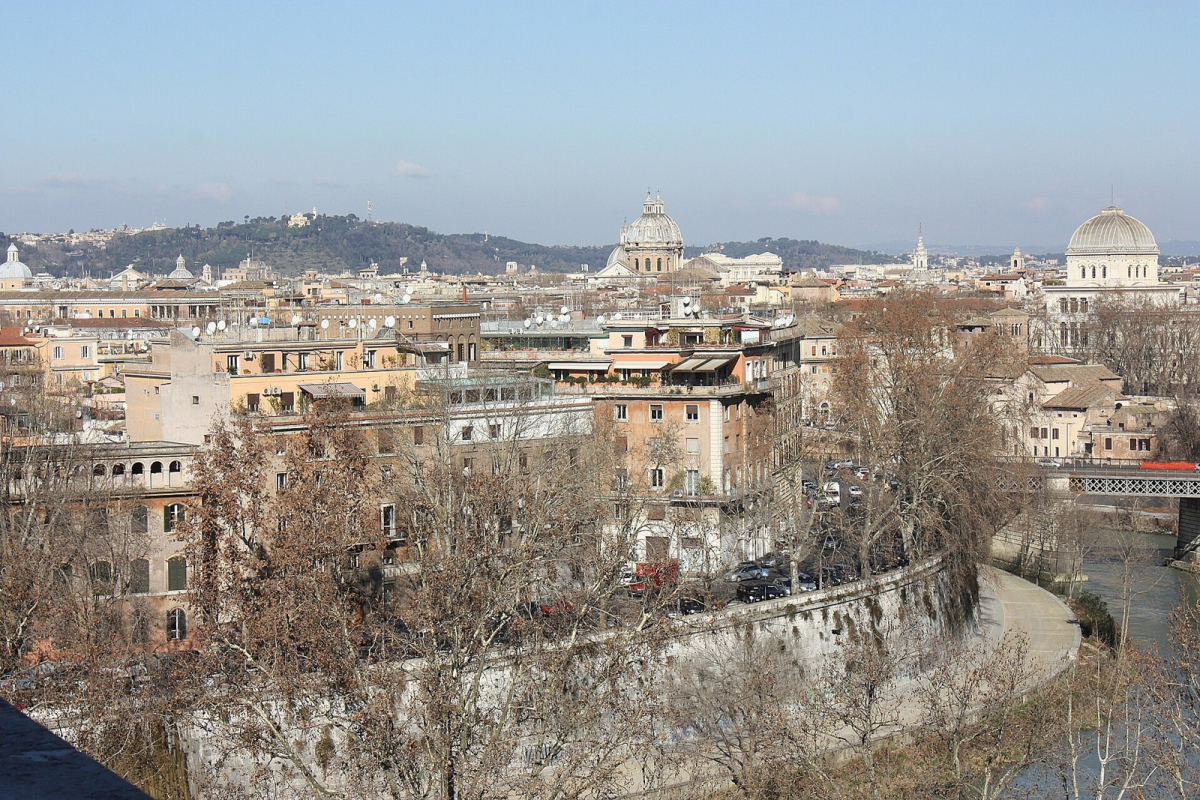
A map can show two sights close together without revealing how much shade lies between them. The ancient-city area includes broad, exposed spaces. Walking those paths at the hottest part of the day can feel very different from a shaded street near your hotel.
Book outdoor archaeology early where your chosen ticket allows it. Follow with lunch and a genuine break, then decide whether an evening walk still suits your energy. Do not treat an air-conditioned museum as a rest stop if its route requires several more hours on your feet.
Choose accommodation by the details of the room you will book. Ask whether air conditioning is available on your dates and whether you control it in the room. A rooftop terrace is a different feature from reliable overnight cooling.
Carry water, use shade when available and monitor official warnings during unusually hot periods. If heat is a particular concern for your party, shorten the outdoor blocks and discuss travel plans with a qualified clinician when appropriate. The practical travel tips include help and emergency information.
Autumn: leave room for a change of plan

Autumn can suit travelers who want substantial time outdoors without making summer their default. September should not be treated as guaranteed cool weather. By later autumn, a day with rain may matter more to your itinerary than the seasonal label.
Keep two nearby options for each day: the outdoor walk you want, and an indoor visit you would also enjoy. An indoor alternative needs its own availability check. A forecast of rain does not create museum tickets or justify abandoning a timed booking without checking its terms.
For a central day, pair a short Pantheon visit with streets around Piazza Navona. For a museum day, reserve the museum first and add a park walk only if the conditions suit. This keeps the plan useful even if the weather changes overnight.
Winter: indoor priorities and practical layers
Winter is a reasonable choice if your interests are galleries, churches and meals rather than long exposed archaeology days. Use the available daylight for outside sights, then keep a longer indoor visit for the part of the day when you would otherwise be walking in the dark or rain.
A waterproof outer layer, comfortable shoes with grip and clothing you can adjust are more useful than packing for a single imagined temperature. Wet paving and steps deserve extra attention. Check your accommodation’s heating arrangements if you need a warm room after a damp day.
Christmas and New Year travel requires checking each attraction’s calendar. Do not infer museum opening from a shop or restaurant nearby. Religious services may also change access to working churches.
A practical packing checklist
- For every season: comfortable walking shoes, charging equipment, a reusable water bottle and clothing suitable for the religious sites you plan to enter.
- For warm weather: sun protection, a hat and lightweight clothing that can still meet dress requirements.
- For changeable weather: a compact rain layer and one easily carried warm layer.
- For wet or cold periods: shoes you can walk in when damp and a way to dry or change essential clothing.
Weather questions that affect a booking
Is there one perfect month to visit Rome?
No month guarantees comfortable weather, low prices and few visitors at once. Start with spring or autumn for a walking-focused trip, then compare the actual room rates, event dates and ticket availability for your shortlist.
Should I reserve attractions before seeing the forecast?
Reserve your highest-priority limited-entry sights when the booking conditions suit you. Use the more flexible outdoor parts of the itinerary to respond to the forecast. The attractions guide explains which visits need particular attention.
Can I keep the same itinerary all year?
The same sightseeing areas remain useful, but the order and pace should change. Put exposed walks earlier during heat, move indoor visits into wetter periods and allow enough daylight for unfamiliar routes. Use the orientation guide to avoid unnecessary crossings of the city.



