
ITALY · ROME GUIDE
Food & Drink in Rome: Dishes, Areas and Meal Planning
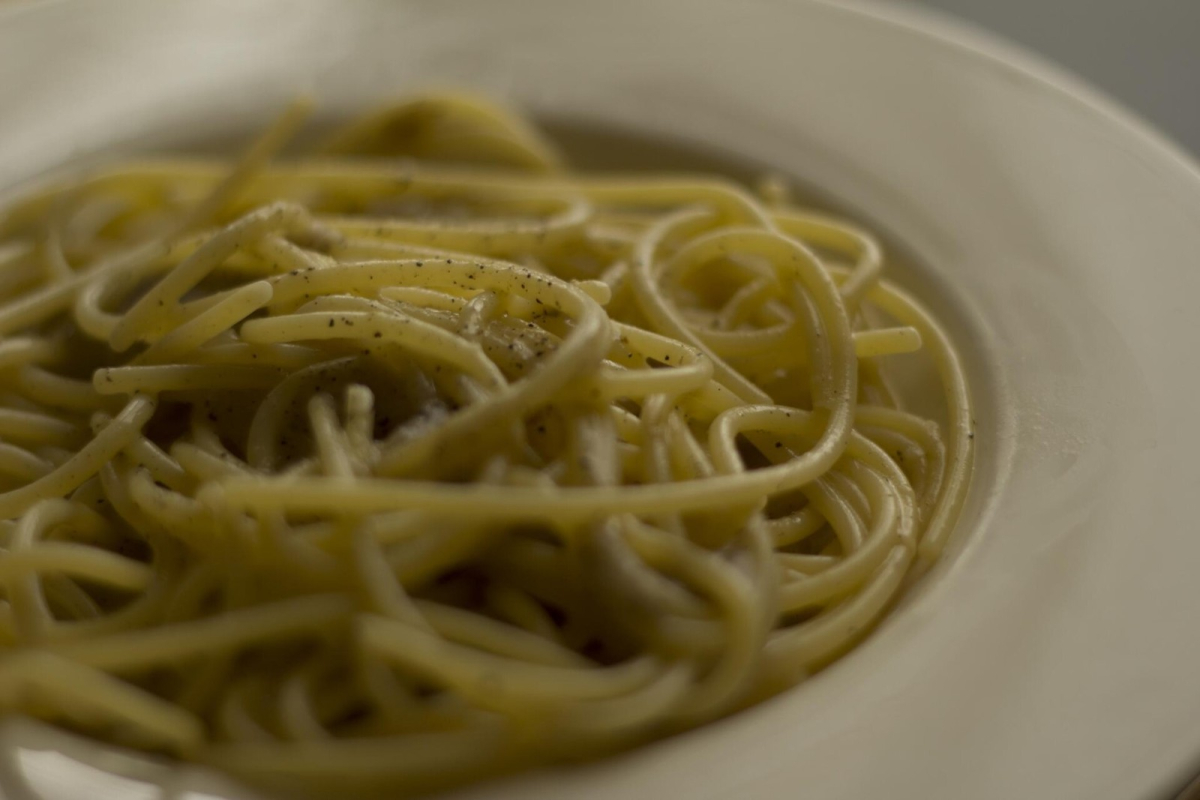
Plan meals around the Rome you are already exploring. A long museum visit calls for a nearby lunch and a break; an evening in Trastevere works better when you are free to stay there. Roman pasta, pizza, seasonal vegetables and café stops can shape a trip without turning every meal into a distant reservation.
Start with what you want to eat and the time you can give it. A quick slice between sights is a different choice from a seated dinner with several courses. Read the menu and final prices before deciding that a familiar square offers the meal you want.
Roman dishes worth understanding
| Dish | Typical ingredients or style | What to ask about |
|---|---|---|
| Carbonara | Pasta with egg, guanciale, Pecorino and pepper | Pork, egg and dairy; adaptations differ from the usual Roman preparation. |
| Cacio e pepe | Pasta with Pecorino and black pepper | Dairy; a cheese-based dish is not automatically suitable for every vegetarian diet. |
| Gricia | Pasta with guanciale, Pecorino and pepper | Pork and dairy; unlike amatriciana, the typical preparation has no tomato. |
| Amatriciana | Pasta with tomato, guanciale and Pecorino | Pork and dairy; confirm the actual kitchen’s ingredients. |
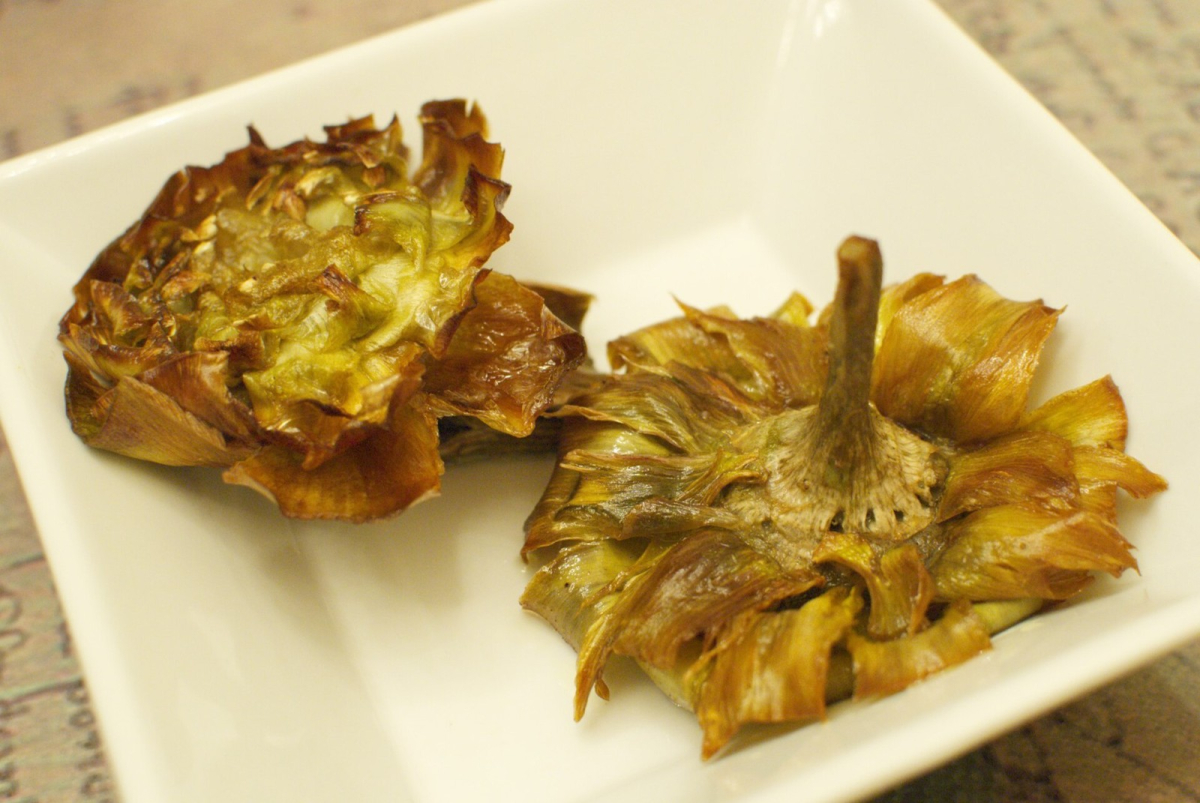
| Artichokes | Roman-style and Jewish-style preparations offer different textures | Seasonal availability, preparation and shared frying equipment if relevant. |
| Fried courgette flowers | A filling can include mozzarella and anchovy | Fish and dairy can be present even when the dish looks vegetable-based. |
Choose pasta by flavor, not only familiarity
If you want pepper and cheese at the center of the dish, cacio e pepe is a useful starting point. For a richer combination that includes egg, look at carbonara. Gricia and amatriciana give you a different choice around cured pork, with tomato distinguishing the latter’s usual preparation.
Ask about the menu’s actual recipe instead of assuming every named dish is identical. This is particularly important for dietary needs. A dish that contains no visible meat can still use animal-derived ingredients, and a kitchen may adapt a traditional recipe.
You do not have to order every course. Choose the meal that fits your appetite and the day’s pace. Share only where the restaurant is happy to accommodate it, and be clear about the number of portions when ordering.
Pizza, snacks and a lighter lunch
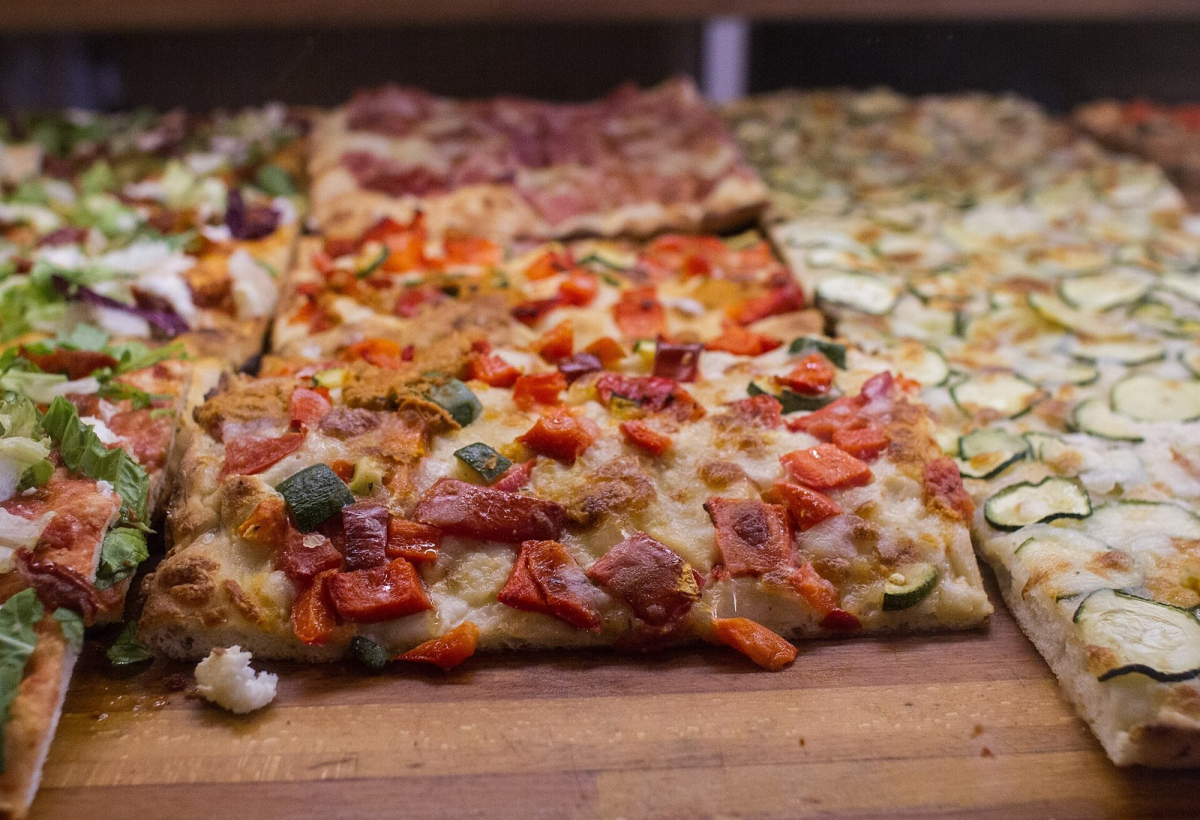
Pizza sold by the slice or by weight can suit a brief lunch between sights. Check the pricing method and specify the amount before it is cut. A large-looking piece and a small-looking piece with different toppings are not necessarily comparable in price.
A seated pizza meal is another option, with more time and a different service model. Look at the menu rather than treating every shop with pizza in the window as the same experience. Confirm opening hours if you are relying on an early dinner after a tiring travel day.
Keep one meal each day uncomplicated. If your morning is a timed museum visit, a flexible lunch nearby can be more useful than another reservation across town. Build the day around the attraction you have booked, then choose food within that area.
Where to look for a meal
| Area | Useful dining plan | Trade-off |
|---|---|---|
| Pantheon / Piazza Navona streets | Lunch or dinner during a historic-center walk | Compare menus beyond the first table facing a famous landmark. |
| Monti | A meal around an ancient-Rome sightseeing day | Check the route and opening time after your booked entry. |
| Trastevere | An evening built around dinner and nearby streets | Popular spots can require a reservation; choose how late you want to stay. |
| Prati / Vatican side | Lunch or dinner after a Vatican visit | The museum exit may be different from the entrance; place the restaurant accordingly. |
| Testaccio | A separate food-focused outing if it fits your stay | Include the journey instead of calling it a quick detour from every central sight. |
Two established restaurant examples
These names appeared in the existing guide and have current official information. They illustrate different locations; inclusion does not claim a recent meal, personal inspection or independent ranking.
- Maccheroni, Piazza delle Coppelle: a central option to investigate when you are around the Pantheon and adjoining streets. Check its current menu and booking arrangements.
- Antica Pesa, Trastevere: an option for a planned meal on that side of the river. Read the menu and make any necessary reservation directly.
Official restaurant pages checked October 2, 2026. Table availability, individual dishes and the cost of your meal depend on the date and order. Neither example is presented as a budget choice without a current quotation.
Coffee, drinks and aperitivo
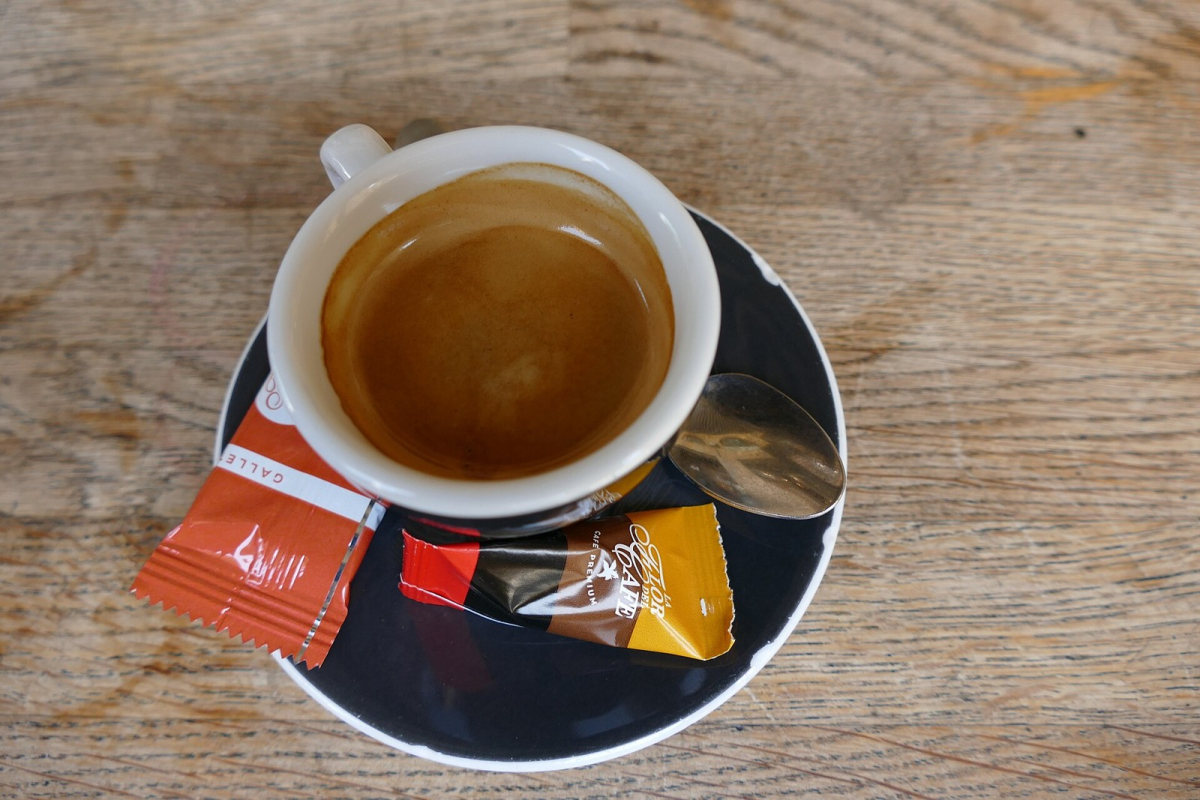
For a quick coffee, look at how the café handles ordering and payment. Some venues use a till before service; others handle the bill afterward. If you want to sit down, check the table menu and prices rather than assuming the counter price applies.
Choose a drink you want, not one you feel obliged to order because it appears in a travel checklist. A café stop can be a short practical break; an aperitivo can be part of an unhurried evening. Check what any offer includes, particularly whether food is included and whether further drinks cost extra.
For wine, ask about glass size, the bottle price and an option that suits your food and budget. A house wine or regional choice should still have a stated price. If you do not drink alcohol, ask for the available non-alcoholic choices and their prices.
Read the bill before assuming a problem
Look for stated cover or service charges on the menu and clarify anything unclear before ordering. Check whether a price is per portion, by weight, for a glass or for a bottle. A seafood dish priced by weight needs a quantity as well as a unit price to make a useful comparison.
At the end, request the itemized bill and compare it with your order. Decide any additional tip after checking the charges already included. Keep the payment currency in euros when that is your chosen option, and review any currency-conversion offer from the terminal before accepting it.
For your trip budget, use actual menus for the meals you are considering. A single invented daily food allowance cannot capture a café breakfast, a takeaway lunch and a long restaurant dinner. The money and practical tips explain how to combine food quotes with accommodation and transport costs.
Dietary requirements and meal timing
For an allergy or a strict dietary requirement, communicate with the restaurant before a reservation and again when ordering. Ask about the specific ingredients and preparation. A translated dish name is not an assurance about cross-contact or kitchen practice.
If you need an earlier meal, check service hours rather than arriving at a full restaurant during a gap between lunch and dinner. Families may prefer one reserved evening meal and flexible lunches. Travelers returning late from a performance should confirm whether the kitchen, rather than only the bar, will still be open.
Bring meals into the rest of your trip
A meal in the area where you are staying can make a long sightseeing day easier. When choosing a room, compare the evening streets as well as the daytime landmarks with the where-to-stay guide.
If you want live music or a performance afterward, check the start time and venue address first. The Rome nightlife guide helps connect a meal with the evening you actually want.



