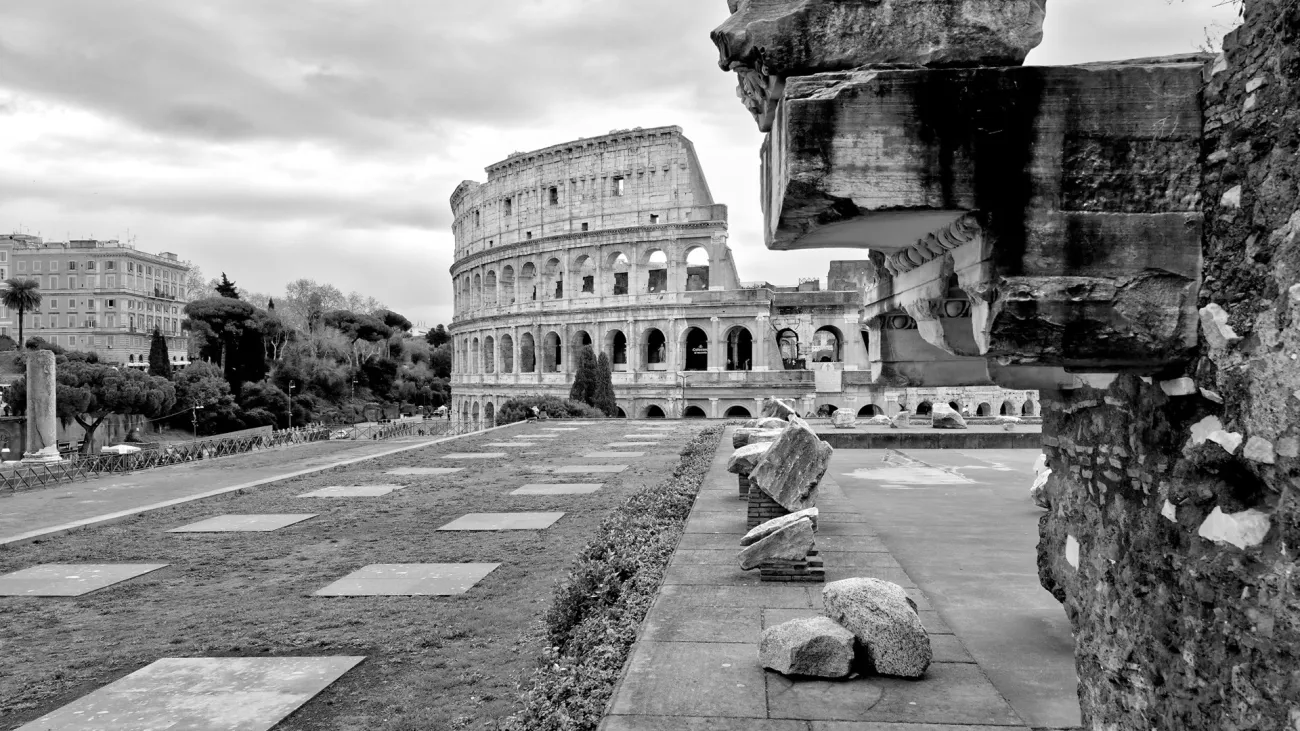
Rome in winter suits a trip built around art, ancient sites and long lunches, provided you leave room for rain and early closing times. You can spend a bright morning among the ruins, take your time over lunch, then move indoors as the light fades. The trade-off is a shorter outdoor day and a coat that needs to earn its place in your luggage.
For a quieter trip, start by comparing weekdays after the early-January holidays with non-holiday dates in February. Treat that as a planning preference, not a promise of empty galleries. Christmas, New Year and major events can still put pressure on rooms and reservations. If this is your first visit, use the Rome travel guide for the city’s layout; this article concentrates on what winter changes.
Is Rome worth visiting in winter?
Yes, if sightseeing matters more to you than warm evenings outdoors. Winter lets you give museums, churches and neighbourhood meals the time they deserve. It is a less convincing choice if your ideal Rome trip depends on hours of sitting outside, late-afternoon archaeological visits or packing several distant sights into every day.
- Choose it for: a museum-focused break, flexible walking days and the chance to plan outside the busiest holiday dates.
- Prepare for: cool mornings, possible rain, damp footwear and fewer usable hours at outdoor sites.
- Keep realistic expectations: popular attractions still require planning, and a winter hotel quote is not automatically a bargain.
A three-night stay with two full days feels different from three full sightseeing days. Count the time you actually have before buying tickets. For a winter first visit, three full days give you room to separate ancient Rome, the historic centre and the Vatican, with an indoor alternative ready.
Rome winter weather: December, January and February
Expect cool rather than reliably warm weather. The World Meteorological Organization’s Rome climate table, supplied by Italy’s meteorological service, gives the historical averages below. Its baseline is 1971–2000: useful seasonal context, but an older reference period rather than a forecast for your visit.
| Month | Average high | Average low | Monthly rain | Rain days |
|---|---|---|---|---|
| December | 12.6°C / 55°F | 4.2°C / 40°F | 81.0 mm | 8.0 |
| January | 11.9°C / 53°F | 3.1°C / 38°F | 66.9 mm | 7.0 |
| February | 13.0°C / 55°F | 3.5°C / 38°F | 73.3 mm | 7.6 |
These figures do not mean each rainy day is a washout, or that the other days will be sunny. Plan for a mixture of conditions and check the short-range forecast before deciding which day to spend outdoors. Do not build a Rome winter trip around seeing snow. For the comparison with other seasons, see the best time to visit Rome.
The practical difference is how you use the day. Start a long outdoor visit in the morning, keep a dry layer available, and choose an afternoon stop where you can sit down or go inside. A plan that works only if the weather stays pleasant until dinner is fragile in winter.
Which winter month should you choose?
Rome in December: choose the atmosphere deliberately
December makes sense when festive streets and seasonal traditions are part of the reason for travelling. It calls for more calendar checking than an ordinary museum weekend. Decide whether you want the holiday itself or simply a winter city break; those are different trips, with different demands on restaurants and attraction bookings.
Christmas Day is a poor choice for the paid museum visit on which your whole holiday depends. Book a meal where it matters, ask your accommodation about arrival arrangements, and leave a central outdoor walk as an option rather than relying on a chain of interiors being open. The city’s December traditions overview explains the seasonal context; use current event listings for actual dates.
Rome in January: look beyond New Year and Epiphany
If your aim is a quieter trip, compare dates after 6 January first. That is our editorial starting point, not a measured guarantee about visitor numbers or room rates. Check the specific weekdays, events and accommodation quotes before deciding. January is still a good month to reserve the attraction you care about most, then let less important stops remain flexible.
Avoid filling every afternoon with another booking. Leaving one open block gives you somewhere to move a central walk if the first day turns wet. It also means a delayed arrival need not turn the whole trip into a recovery exercise.
Rome in February: check the calendar before calling it low season
February is worth comparing if you want a winter break without centring the trip on Christmas. School holidays, sporting fixtures and other events can still affect individual weekends. Check Rome’s festivals and events guide, then consult the organiser for anything that overlaps your stay.
For a simple decision: pick December for a deliberately festive visit; compare January after the holidays for a quieter sightseeing break; consider February when your available dates or preferred events fit better. None removes the need for a rain plan.
How to avoid the worst queues without overplanning
Book the visit you would be most disappointed to miss before fixing the rest of the itinerary. Then put a nearby walk and meal around it. A quieter street does not tell you how many people have the same museum entry time, and a timed ticket does not remove security screening.
Do not buy an expensive tour solely because a listing suggests all official admission has disappeared. Check the attraction’s official sales channel and release rules first. Equally, do not assume you can always decide on the morning of the visit. Compare the exact product, cancellation conditions and included areas, especially when buying from a reseller.
Free-entry dates are a separate choice. They may reduce the ticket bill, but they need not fit a trip whose priority is a calmer visit. Look at the time cost as well as the admission cost. The Rome attractions guide helps you decide which interiors justify a reservation.
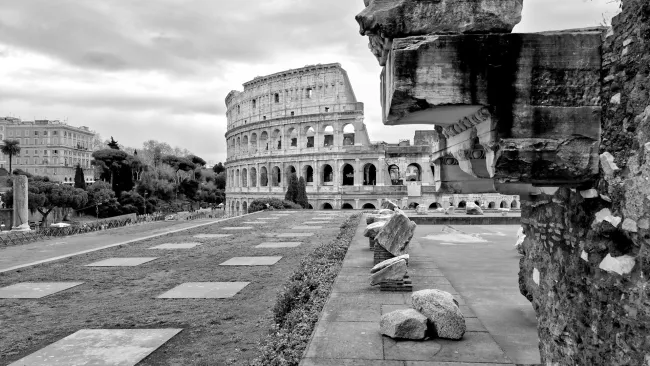
Colosseum: the outdoor day ends early
For 25 October 2026 to 28 February 2027, the archaeological park’s official schedule lists closing at 16:30, with last admission at 15:30. It lists closures on 25 December 2026 and 1 January 2027. Standard timed-entry ticket sales open 30 days before the visit; tickets are named, and visitors must carry identification.
Choose an early reservation if you want an unhurried combined visit to the amphitheatre and archaeological grounds. Read your ticket’s validity and inclusions before arranging their order. A last-entry ticket is not a substitute for enough time to see everything you intended.
Vatican Museums: check a separate calendar
The Vatican Museums’ official opening calendar has its own Sunday and holiday exceptions. Winter closure dates listed include 8, 25 and 26 December, 1 and 6 January, and 11 February; check the linked calendar for the year and day you intend to visit.
Do not treat the museums and St. Peter’s Basilica as one interchangeable reservation. They have different visitor arrangements and approaches. Allow for separate security and religious events rather than assuming you can move straight from one into the other. A rainy-day museum visit also needs an actual available ticket.
What to do in Rome when it rains
Choose a substantial indoor visit you want to make even if the weather turns out well. That is more useful than a list of emergency shelters spread across the city. The Capitoline Museums suit a day around Campidoglio and ancient Rome; another collection may fit your interests better, but check its location before treating it as a nearby alternative.
The Capitoline Museums’ practical information lists regular opening from 09:30 to 19:30, shorter hours on 24 and 31 December, and closure on 25 December. Its New Year opening notice is year-specific, so confirm the current notice rather than carrying an older holiday time into your plan.
For a shorter interruption, reduce the walking loop and give a church interior or a meal more time, subject to opening and worship. Keep wet coats and umbrellas away from artworks and other visitors. When rain becomes heavy, abandoning an optional viewpoint is often the better decision than crossing town to complete a checklist.
A flexible three-day winter itinerary
This is an editorial route framework for three full days, not three nights. Walking distances, entry queues and your pace affect what fits. Change the order before booking if the forecast favours a different outdoor day. Once tickets are fixed, make smaller adjustments around them rather than assuming every reservation can move.
| Day and area | Main plan | If it rains |
|---|---|---|
| 1 · Ancient Rome | Early Colosseum reservation; Forum and Palatine within your ticket conditions; a meal nearby. | Keep the booked visit if conditions permit, shorten optional outdoor stops, and move an unbooked longer walk to another day. |
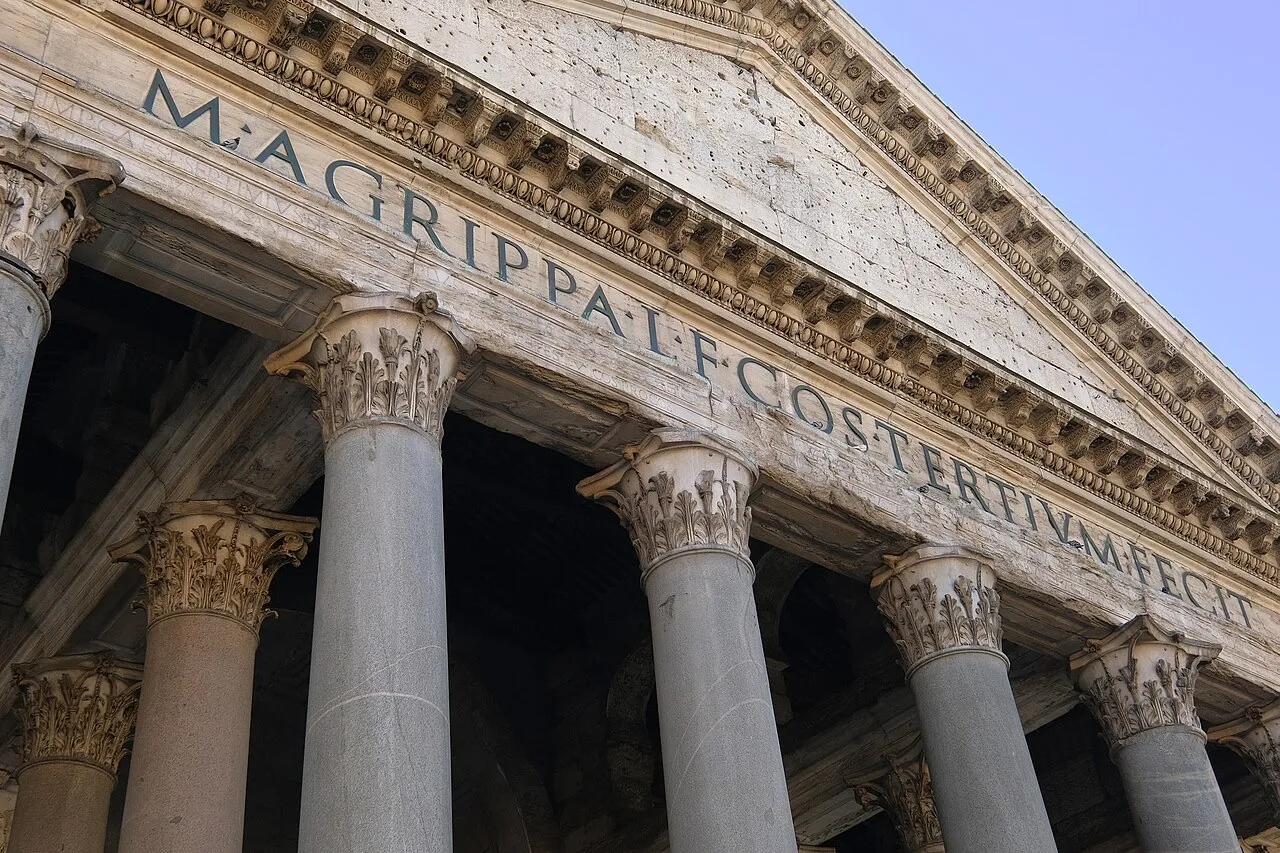
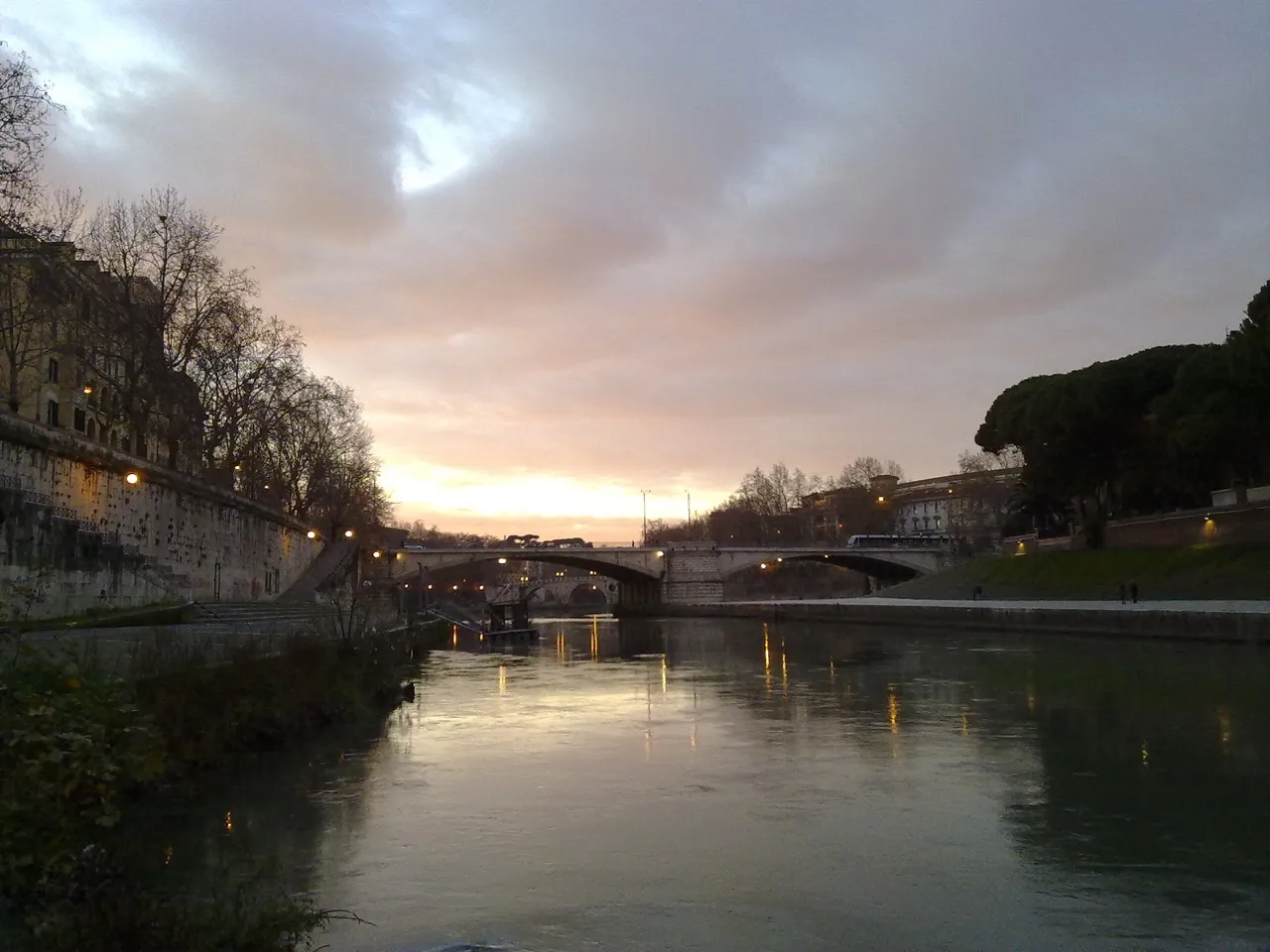
| 2 · Historic centre | Pantheon area and Piazza Navona; add a riverside viewpoint only if weather and energy allow. | Shorten the loop, plan an interior you actually want to see, and allow a longer lunch. |
| 3 · Vatican side | Reserved Vatican Museums visit; lunch nearby; consider the basilica separately. | Keep the museum as the anchor and drop optional outdoor extensions. |
With only two full days, choose between a Vatican-focused day and a fuller central walking day instead of squeezing both into the afternoon after the Colosseum. With four, keep a spare block for a missed walk or a specialist collection. The Rome itineraries guide covers other trip lengths, while the neighbourhood map helps you judge how much movement each version involves.
Where to stay for a winter trip
Choose the room for the way you will finish each day. A location that saves you a long, wet journey after dinner can be worth more than a slightly lower nightly rate. Compare the complete stay, including visitor taxes and transfers, rather than assuming that a room advertised as a winter deal costs less overall.
For a first visit, compare a central walking base around the Pantheon or Piazza Navona with Monti for an ancient-Rome emphasis, or Prati for a Vatican-focused stay. These are starting choices, not recommendations for every street or property. Check your actual route, entrance and room position using the Rome neighbourhood guide.
- Ask how the room is heated and whether you can control it.
- Read recent reviews for dampness, insulation and night-time noise.
- Check steps, lift access and the route from the nearest transport stop.
- Compare cancellation terms before trading flexibility for a small saving.
Use the Rome budget guide to assemble your own total. This article does not claim a fixed percentage winter discount: room category, dates, events and booking conditions can change the result.
Packing, transport and winter meals
Pack for walking and drying out
Bring a weather-resistant outer layer, a warm mid-layer and comfortable shoes with grip that you have already worn on long walks. Add a scarf, compact umbrella, spare socks and a small bag that keeps your phone and tickets dry. Choose layers you can remove indoors rather than one outfit that is comfortable only outside.
If steps, uneven surfaces or long periods of standing are difficult, shorten the route before you travel and check the specific attraction’s access information. Keeping a second pair of dry shoes at your accommodation is a practical choice when luggage space allows it.
Plan the last part of the journey
A metro or rail stop on the map is not the end of the journey to your room. Check that final walk with your luggage in mind, especially for an evening arrival. Use Rome’s airport transfer guide to compare Fiumicino and Ciampino options, and Getting Around Rome for travel inside the city.
Keep the day’s bookings and essential addresses accessible without relying on a connection. Leave time between a transfer and a timed attraction, and consult the operator’s current service notices before departure.
Give lunch a useful place in the day
A proper lunch can divide a cold outdoor morning from an indoor afternoon. For seasonal food, look for Romanesco broccoli and warming soups rather than expecting every famous dish to be uniquely winter food. Turismo Roma’s guide to Romanesco vegetables describes broccoli’s winter role and the local soup of pasta, broccoli and skate broth.
Read Food & Drink in Rome for dishes and meal planning. Check ingredients and dietary needs directly with the restaurant. Reserve a holiday meal if a particular restaurant matters to your trip.
Rome in winter: practical questions
Is Rome quiet in winter?
It can be easier to plan a quieter visit outside holiday dates, but no season guarantees empty major attractions. Compare weekdays after the early-January holidays, check the events calendar and reserve the museum you most want to see.
Can you see Rome’s main sights in winter?
Yes, with date-specific planning. Give outdoor sites an early start, check each attraction’s own calendar and avoid making one holiday opening assumption for the whole city.
Do you need a guided tour?
Choose a tour for interpretation, access that is genuinely included or help organising a visit. Compare it with official admission before buying, and distinguish a reserved entry time from a promise that there will be no security queue.
Is winter a good time to combine Rome with the rest of Italy?
It can be, but count transfer days honestly and choose an onward stop with its own winter plan. Use the Italy travel guide to develop the wider route once you have allowed enough full days for Rome.
Opening and closure information checked on 25 November 2026. Recheck the linked official calendars for your travel dates; temporary changes and future seasonal schedules may differ.