THAILAND TRAVEL GUIDE
Thailand Travel Guide: Regions, Routes & Practical Planning
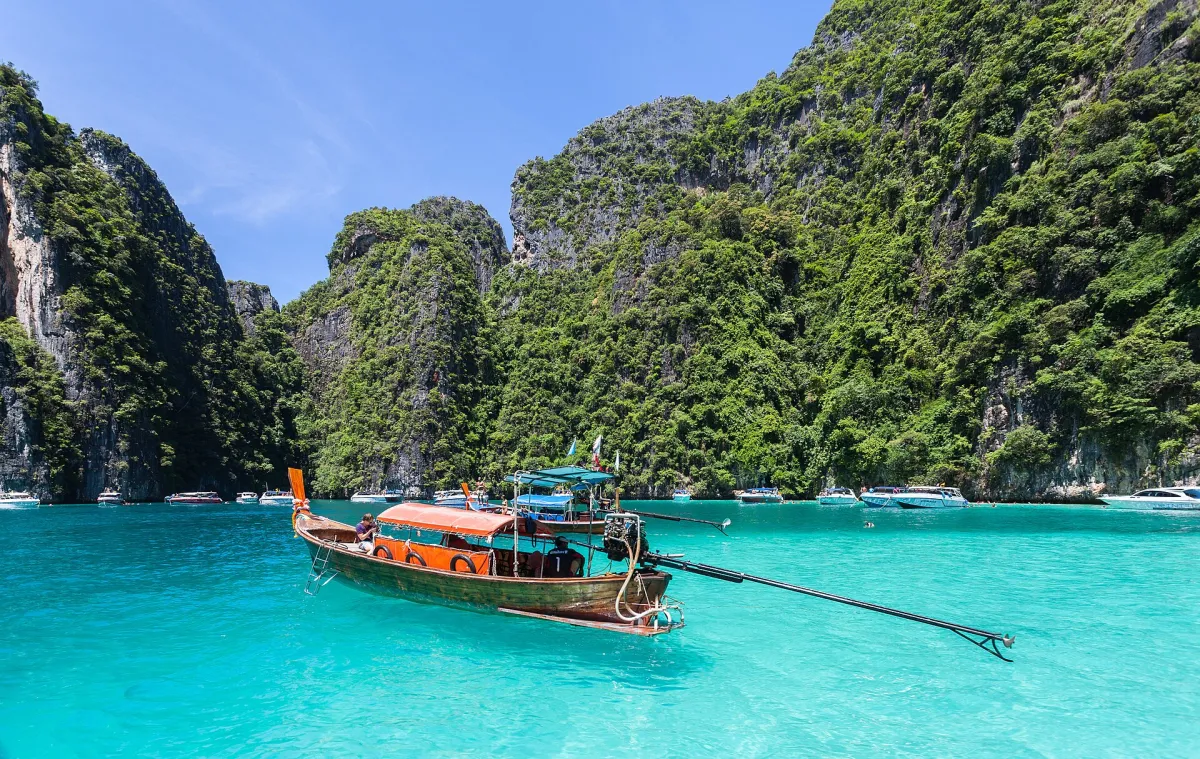
Thailand rewards a trip built around a few well-chosen bases: Bangkok for river neighbourhoods and food, the north for temple towns and mountain landscapes, and one coast chosen for your travel month. This guide helps you connect those experiences without turning every second day into an airport transfer.
Start with the trip you actually want
A first Thailand journey often works best with two or three bases. Bangkok and Chiang Mai make a useful city-and-culture combination; Bangkok and Krabi suit travellers who want a shorter holiday with beach time. Adding both northern Thailand and an island to a week usually leaves too little time in each. Start by deciding whether coast, food, history or nature matters most, then give that part of the journey enough nights.
Thailand is not a small island destination with interchangeable resorts. Chiang Mai is in the mountainous north, Bangkok sits on the central river plain, and the southern peninsula has two coasts with different weather patterns. A domestic flight can reduce a long overland journey, but the flight duration excludes check-in, baggage, transfers and the journey to your next hotel. The Map & Regions guide explains these geographic choices in more detail.
For a first visit, choose a comfortable arrival base with easy food and transport, keep the first day flexible after a long flight, and resist booking an expensive excursion immediately after landing. On a return trip, a single region can be more satisfying than repeating the same national circuit: several days in Sukhothai and the north, for example, or a slower Andaman coast stay with one forest stop.
Choose your regions
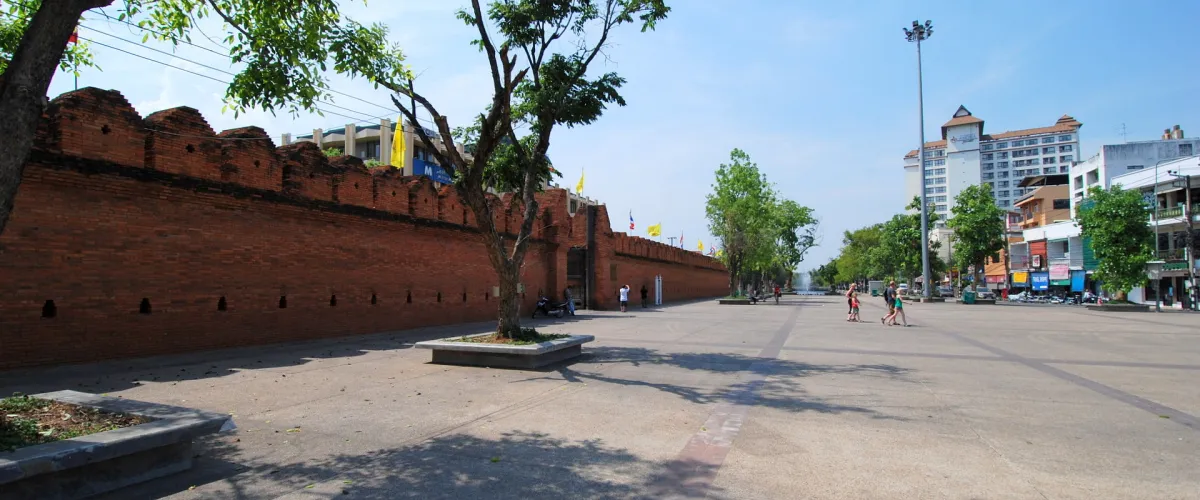
Bangkok is a substantial destination in its own right. Riverside temples, Chinatown's lanes, modern art and shopping areas need different transport plans. Stay near the river if boats and older neighbourhoods dominate your interests; choose a rail-connected district if you expect to cross the modern city often. Neither means you can walk comfortably to every major sight.
Northern Thailand centres many first trips on Chiang Mai. Its old city and nearby countryside make a workable base for temple visits, cooking and guided outdoor days. Chiang Rai is a separate city rather than an easy extra stop on every Chiang Mai afternoon. Sukhothai adds a different historical landscape and is most useful when you deliberately allow for the onward journey.
The Andaman coast includes Phuket, Krabi and Ko Lanta. Phuket offers a wide accommodation and transport range; Krabi combines limestone scenery with mainland and boat-access beach choices; Ko Lanta generally suits a slower stay. Check the exact beach and road approach rather than selecting an entire province by its best-known photograph.
The southern Gulf islands, including Samui, Phangan and Tao, form a different coast choice. Do not assume that the best month in Phuket is also the driest month in Samui. Eastern islands off the Trat coast follow another practical transport pattern, with a mainland approach and sea crossing to consider. Use the beach comparison before booking a fixed beach itinerary.
Isan, in the northeast, offers regional food, river towns and archaeology with fewer of the short connections familiar from the main visitor circuit. It is rewarding for travellers willing to plan the last leg carefully. Avoid treating a country's less familiar region as a compulsory day-trip add-on simply to complete a map.
Match the month to the journey
November through February is a useful starting point for Bangkok and much of northern Thailand, but a countrywide dry-season label hides important differences. The southern Gulf can receive substantial rain late in the year. The Andaman coast is generally a stronger starting choice for a winter beach trip, subject to actual weather and marine conditions.
In the hot season, reduce the distance between daytime stops and plan indoor or shaded breaks. During wetter months, keep boat days flexible and check whether parks, caves or marine areas are open. In northern Thailand, haze and air quality can affect outdoor plans during part of the dry season; a blue-sky photograph is not a forecast for your dates.
Best Time to Visit compares these regional choices. Consult the Thai Meteorological Department for current warnings close to departure. A month-by-month average helps choose a broad route; it cannot determine whether a specific crossing or hike will be safe on a particular day.
Build a realistic route
For seven calendar days, Bangkok plus one other base is a sensible default. For ten days, three bases can work if the connections are straightforward and the final departure is protected by a sensible buffer. For two weeks, a north-and-coast journey becomes easier, although every extra move still consumes useful holiday time.
Choose accommodation nights first, then place transfer days between them. An overnight train uses a night even though it does not use a hotel room. A late arrival day is not a full sightseeing day, and the final international flight may require you to leave an island or regional city the previous day. The itinerary guide provides day-by-day examples with explicit night counts.
An open-jaw international ticket can sometimes avoid returning to Bangkok, but compare the whole fare and the actual airport codes. Bangkok has two separate airports, Suvarnabhumi and Don Mueang. A ticket showing “Bangkok” on two flights does not mean you have a same-terminal connection. The Airports & Transfers guide covers arrival choices and changes of airport.
Book accommodation for the days you will spend there

A resort can be excellent for a pool-and-beach holiday and inconvenient for a trip dominated by museums, street food and independent evenings. A central guesthouse can have good local access while offering limited lifts, quiet space or accessible bathrooms. Compare the property entrance, nearby food, transport and cancellation conditions as carefully as the room photograph.
Families should confirm the actual bed arrangement and children's ages in the booking. Travellers with reduced mobility should request specific information about steps, lifts, bathroom access and vehicle boarding. A map pin close to a station or pier does not establish a step-free route between them. Where to Stay compares areas and bases; Hotels compares named properties and room conditions.
Prepare the practical essentials
Check permission to enter Thailand for your passport, purpose and arrival date before buying non-refundable travel. Rules changed in September 2026, and old articles still describe earlier arrangements. The free Thailand Digital Arrival Card is a separate arrival requirement; completing it does not grant a visa. Use Visa & Entry for the official checks and source differences.
Budget in Thai baht and separate everyday spending from domestic flights, excursions and the international journey. A low-cost meal does not make a remote island transfer inexpensive. Use the Travel Costs & Money guide for illustrative budgets and payment preparation, and the Longer Stays guide for weekly or monthly comparisons.
Read the current regional travel advice, not only a general statement that Thailand is popular with visitors. Border areas and parts of the far south can carry specific warnings. Travel insurance, road risk, sea conditions and access to medical care deserve practical decisions before departure. Health & Safety and Useful Contacts cover preparation and what to do when plans go wrong.
Make room for local life and photography
Leave some mornings and evenings unbooked. A neighbourhood meal, a ferry journey or a market visit often works better without a second distant appointment immediately afterwards. The Things to Do guide focuses on how to choose experiences, while Photos & Photo Spots considers light, public viewpoints and respectful photography.
Temples remain places of worship, markets are workplaces, and national parks protect living habitats. Ask before photographing people closely, keep paths clear and follow staff instructions. Choose wildlife observation over staged animal contact, and check the real inclusions of an excursion before paying. These decisions improve the visit without requiring an elaborate checklist at every stop.
For distinctly Thai experiences, compare Phi Phi and Maya Bay, a Muay Thai evening or beginner session, and Thai massage and wellness. Before travelling, prepare SIM/eSIM access, northern air-quality alternatives and local laws and common-scam checks.
Frequently Asked Questions
How long should a first Thailand trip be?
Ten to fourteen calendar days allows Bangkok, a northern base and one coast with useful time in each. With a week, choose Bangkok and one additional base.
Which coast should I choose?
Start with your travel month and flight connections, then compare specific beaches. The Andaman coast and southern Gulf do not share the same wettest period.
Do I need to rent a car?
Many common first-visit routes work with rail, flights, organised transfers and local transport. A car is a separate regional decision, particularly where the last leg is difficult.